A Wild Screwworm Fly in a Brewster County Trap Rewrites the Texas Livestock Map

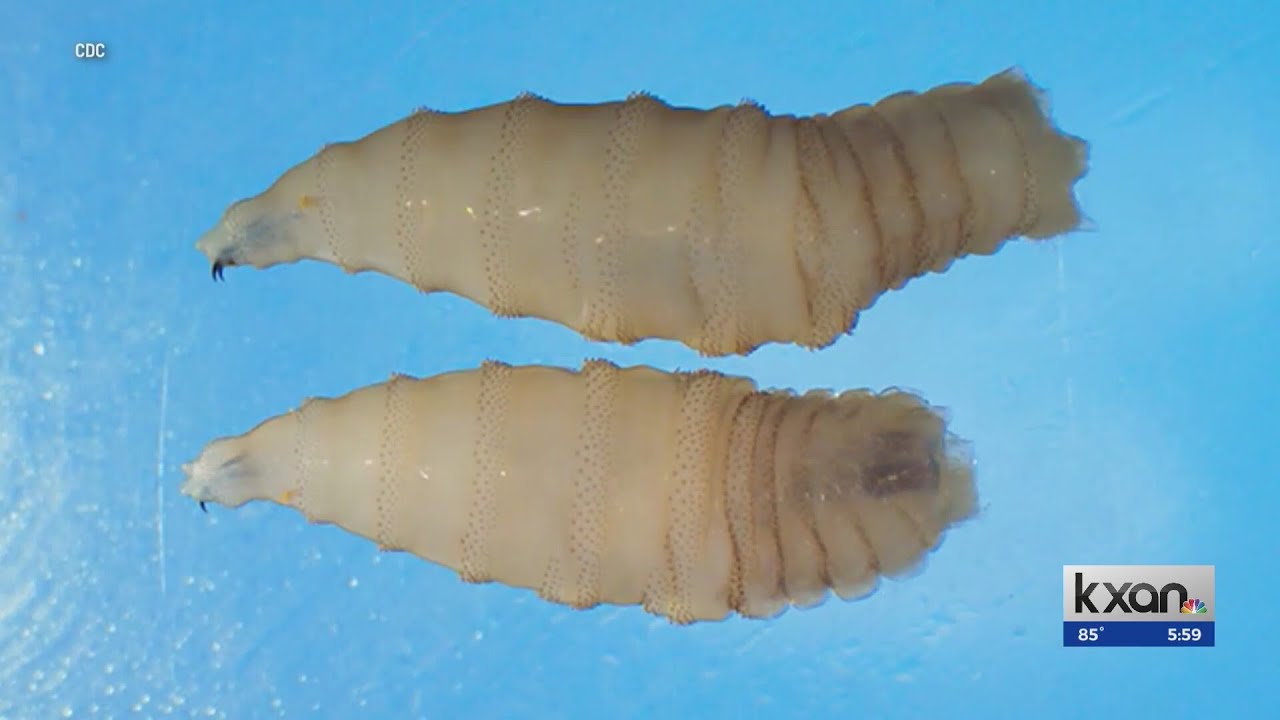
In January 2025 the phrase that outran the science was “man-eater.” Texas agriculture and health officials were warning ranchers that a parasitic fly associated with livestock wounds in Mexico was moving toward the southern border. New World screwworm does not hunt people for sport. The adult fly lays eggs in open wounds and in the navels of newborns. The larvae feed on living tissue. Cattle die. Wildlife dies. Trade stops. Rare human infestations exist, which is the only reason the word “man” ever belonged in a headline. The months since that winter alert have been a veterinary map, not a monster movie, and the map changed again in the last days of September 2026 in a way a calf’s navel cannot explain by itself.
On June 3, 2026, the U.S. Department of Agriculture confirmed the first animal case of this outbreak inside the United States: a three-week-old calf in Zavala County, Texas, with larvae in the umbilical area. That animal later recovered, and the individual case was marked inactive. Inactivity on one animal is not the same thing as an empty county. The Texas Animal Health Commission, by the time it posted orders dated through September 27, listed seventeen Texas counties and forty-one premises with confirmed cases. Movement restrictions remained in place for parts of an infested zone that the commission named across Brewster, Crockett, Edwards, Jeff Davis, Pecos, Presidio, Schleicher, Starr, Sutton, Terrell, Val Verde, and Zapata counties.
A Fly in a Trap Is a Different Kind of Evidence
The account USDA uses for rapid public notice, New World Screwworm Rapid Response, said on September 26 that the department had confirmed the first wild New World screwworm fly in a trap in Brewster County. The operational detail in that notice is the part ranchers should keep and commentators should not decorate. Traps are placed just outside infested areas on purpose, so they are less likely to catch the sterile males the government is releasing, and more likely to show where a wild fly is moving. A larva in a wound proves an animal was infested. A wild fly in a trap proves a breeding insect is in the air beyond the sterile cloud. Those are related facts. They are not the same fact.
Sterile-insect technique is the old American answer, and it is the one that cleared this fly from the continental United States in the 1960s after a grinding campaign. Sterile males mate with wild females. The eggs do not hatch. The population collapses if the sterile flies outnumber the wild ones and if infested animals are not hauled through the gap. In February 2026, before any U.S. animal case of this outbreak, Agriculture Secretary Brooke Rollins and Texas Governor Greg Abbott opened a sterile-fly dispersal facility at Moore Air Base. In April the Texas Animal Health Commission joined federal and state officials at a groundbreaking for a production plant in Texas. By late June a separate production site in Metapa, Mexico, was reported operational. Dispersal without surveillance is a press conference. The Brewster trap is the surveillance.
What the September Orders Actually Did
Quarantine language is easy to misread. On August 31, 2026, federal animal-health officials approved the release of two infested zones, covering portions of La Salle and Webb counties and portions of Gillespie, Kerr, and Kimble counties, after the state veterinarian agreed those zones had met the response playbook. Release means the extra movement rules come off. It does not mean the species has left Texas. On September 21 the state commission posted a modified-and-release order covering Edwards, Sutton, and Val Verde counties, which in this vocabulary means eligible portions came off the tighter rules while other portions can remain restricted. On September 26 it posted a second modified order for Brewster and Pecos. On September 27 it posted a modified order for Crockett and Schleicher. A modification is not automatically a relaxation, and The AEGIS Alliance will not describe it as one without the order’s text. The commission’s own notice still listed parts of those counties inside an established infested zone.
Anyone who sees a suspicious wound in Texas livestock is still being told to call a Texas Animal Health Commission region office or the state veterinarian’s on-call line at 1-800-550-8242. Wildlife sightings go to Texas Parks and Wildlife. The federal case dashboard lives with USDA APHIS. Those are the documents. A social clip that calls the insect a man-eater is advertising.
The Horse, the Port, and the Human File
High Plains Journal reported on September 24 that USDA had confirmed New World screwworm in a horse in Grant County, New Mexico, and described that animal as one of two active livestock cases as of September 23. A horse in a New Mexico county is not a rounding error on a Texas calf. Pets, horses, and wildlife move on different roads than a feedlot steer, and they carry the fly into places a sale-barn inspector does not stand. Earlier in the outbreak a dog associated with Lea County, New Mexico, forced investigators to reconstruct a travel history, and USDA later reclassified at least one Texas report after deciding the animal lived across the state line. The response is either a One Health response or it is theater.
Trade is the other ledger. Mexico’s outbreak had already snarled northbound cattle. Port rules have opened and shut in pieces, including a reopening of the Douglas, Arizona, cattle crossing in late August 2026. Live animals cannot move the way a commodity desk wants them to move if a wound check sits at every gate. Feedlots and export pens feel a restriction faster than a suburban reader feels a headline. A decision to let cattle cross is an animal-health decision and a price decision at the same time. Both descriptions are true. Neither one is a reason to skip the inspection.
Human risk has been the sentence officials keep having to repeat because the nickname will not die. A factsheet from the Johns Hopkins Center for Outbreak Response Innovation, current as of June 26, 2026, and drawing on Centers for Disease Control and Prevention figures, said one travel-associated human case had been confirmed in the United States in August 2025 in a person who returned from El Salvador and recovered, with no evidence of secondary spread. The same summary said no locally acquired human cases had been reported in the United States, while the wider regional outbreak, running north from Panama and Costa Rica since 2023, had produced a very large number of animal cases and more than two thousand human cases across affected countries. The public-health file inside this country, so far, is still an animal file. Ranch hands, hunters, and anyone living with livestock in south Texas and southern New Mexico still have a reason to cover wounds. They do not have a reason to treat every pasture as a horror set. The food supply is not the pathway. This fly does not infest meat, fruit, or vegetables.
How to Read the Next Bulletin
The useful habits are the ones Texas officials tried to teach in January 2025, before a single domestic calf had a name. Inspect livestock. Report unusual wounds. Do not haul a sick animal across a county line because a buyer is waiting. Treat every raw navel, brand, castration site, and wire cut as a place a fly might choose. Panic is not a quarantine plan. Movement rules are. So is the unglamorous work of treating a wound until the animal is free of larvae, which is what “inactive” means on the federal dashboard. An inactive calf in Zavala County can sit on the same map as an active horse in Grant County and a wild fly in a Brewster trap. Readers who flatten those into one scare headline will miss the only information a rancher can use.
Parallel files on this desk are a reminder that the first wording of an alert is rarely the most accurate. For a Texas environmental break that also turned on a map rather than a nickname, see the San Gabriel River sewage spill. For a case in which a vivid phrase outran the record, see the Byram Township shooting built around rifles on a car. Neither story is screwworm. Both are warnings about adjectives.
The AEGIS Alliance will keep the agriculture-department map, the state orders, and the trap data, and will leave the monster nickname where it belongs. The fly does not care about a news cycle. It cares about an open wound, a warm host, and whether a sterile male got there first. That is the entire plot, and Brewster County just added a chapter written in the air rather than in a navel.