A Los Angeles Jury Called Instagram and YouTube Defective Products, Then Meta Wrote a Check That Tries to Bill Its Rivals

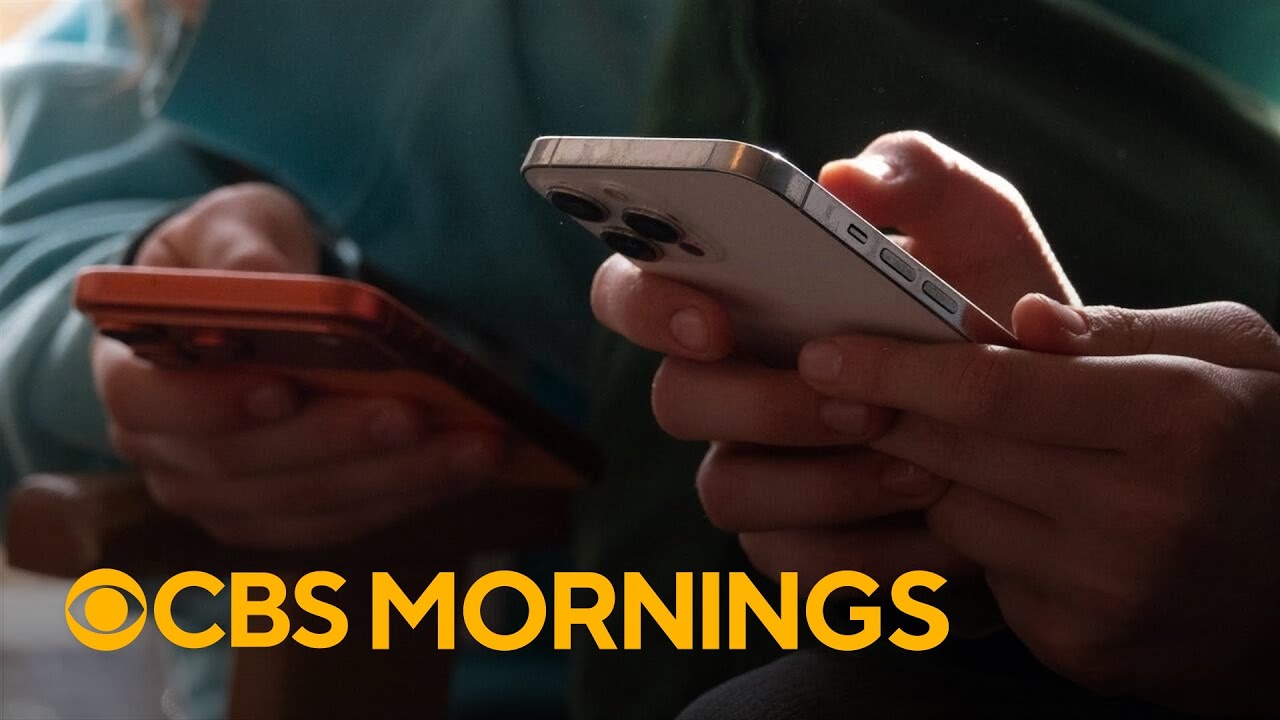
Twelve Los Angeles jurors called the design of Instagram and YouTube a cause of harm, not a side effect of the posts on the screen. Five months later Meta signed a deal with dozens of states whose headline number changes depending on which press release you read. The verdict is still on appeal. A second New Mexico jury, on a different statute, just handed Meta another loss.
On March 25, 2026, a Los Angeles jury held Meta and Google liable for negligence in how Instagram and YouTube are built. The panel found those design choices a substantial factor in the mental-health harm suffered by a young woman known in the file as K.G.M., and in the courtroom as Kaley, and it found that the companies acted with malice, oppression, or fraud. Compensatory damages were $3 million. Punitive damages were another $3 million. Fault split 70 percent to Meta and 30 percent to Google, which is $4.2 million and $1.8 million. It was the first American jury to treat a social feed as a defective product rather than as a stack of other people’s speech. Reuters called it a bellwether for thousands of similar suits consolidated in California.
The AEGIS Alliance reads what came next as an attempt to buy a rulebook after twelve people had already written one in longhand. The rulebook’s price is a fight of its own.
The Features on Trial Were the Ones That Never Stop
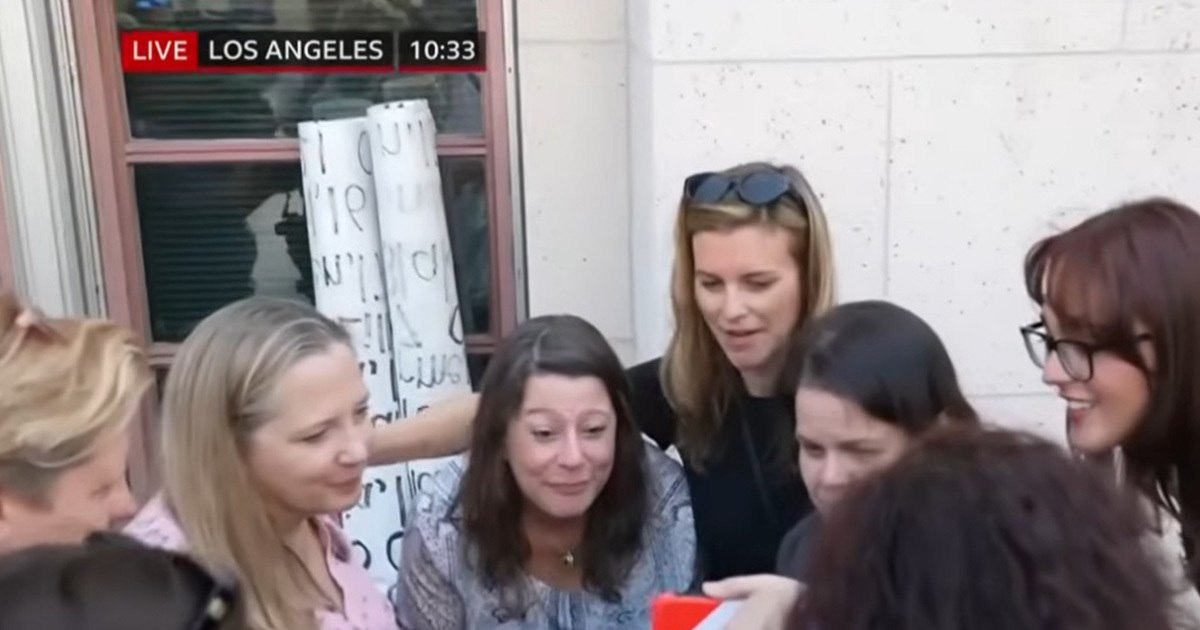
Kaley, now 20, from Chico, testified that YouTube started when she was 6 and Instagram by about 9 or 11. One Instagram day hit 16 hours. She described hiding in a school bathroom to check likes, pulling away from family, and using beauty filters until her own face felt like a defect. Anxiety and depression showed up around age 10. Body dysmorphic disorder and social phobia were diagnosed around 13. Mark Lanier of the Lanier Law Firm told the jury the assignment inside the companies was simple: “How do you make a child never put down the phone? That’s called the engineering of addiction.” He compared the apps to a digital casino. Internal Meta material put a strategy in writing: win teens by bringing them in as tweens. Eleven-year-olds returned to Instagram at four times the rate of rival apps even though the stated age gate is 13. The Associated Press carried that internal language.
Infinite scroll, autoplay, push alerts, and ranking systems that optimize for time on the app were the alleged defects. Plaintiffs stayed off Section 230 on purpose. They were not suing over a post. They were suing over a machine built to keep a developing brain from putting the machine down. TikTok and Snap had already settled with her. The trial that remained was a product case, not a content case. That distinction is why the companies later ran to the California Court of Appeal.
Mark Zuckerberg testified. A juror later said his answers “changed it back and forth.” Instagram head Adam Mosseri called a 16-hour day “problematic” and still rejected the word addiction. Meta pointed at a difficult home life and the absence of a therapist note naming Instagram as the primary cause. Google insisted YouTube is a streaming service, noted that her recent YouTube Shorts use averaged about a minute a day, and kept chief executive Neal Mohan off the stand. NPR recorded the defense lines. The companies wanted a story about parenting and diagnosis. Lanier wanted a story about a slot machine whose casino floor was a school bathroom. The verdict sheet picked the second story without pretending the first one was imaginary. Complexity is not a defense to a design that harvests the complexity.
Nine Days, a Denied Retrial, Then a Check
After five weeks of evidence, a panel of five men and seven women deliberated more than 40 hours across nine days and sent notes to Judge Carolyn B. Kuhl about trouble reaching consensus on one defendant. They still answered the claims against both companies. Nine or more jurors signed the liability findings. An anonymous juror said they wanted the companies “to feel it.” In June, Kuhl denied motions for a new trial. She wrote that the case turned on design, not on third-party speech. Meta filed its notice of appeal in early July. YouTube followed on July 13. Meta said the plaintiffs’ theory tries to dodge Section 230 and the First Amendment and predicted reversal. Google spokesman José Castañeda said the suit misunderstands YouTube.
On August 26 the states produced a different number, and the number depends on the document. CNBC reported a maximum of $16.7 billion in the main child-safety settlement, $17.1 billion once more than $459 million in older Cambridge Analytica claims were folded in, and a Meta description of approximately $18 billion over ten years. Participating states get about $12.7 billion on a schedule. The remaining $5.3 billion is released only if YouTube and TikTok adopt their own youth limits, including a daily cap, age checks, and a night mode, and only if those rivals pay a matching sum. California’s share was put between $1.5 billion and $2.1 billion. Texas, CNBC reported, sat outside the group deal at $1 billion. The Associated Press described an $18 billion cap covering 48 states plus the District of Columbia and some territories, with New Mexico and Florida outside because New Mexico had already tried its case and Florida called the terms too soft.
The product terms are narrower than the press-conference verbs. Daily limits and nighttime blocks for teenagers on Facebook and Instagram. Stronger age checks. More parental tools. An independent auditor. Colorado Attorney General Phil Weiser said the relief went beyond what a court was likely to order. California Attorney General Rob Bonta said the changes would land within months. Meta did not admit the design was a defect. The state judgment waives appeals of that judgment. It does not waive the appeal of Kaley’s verdict. Lawyers for the families and school districts still in California said thousands of claims against Meta, TikTok, Snap, and YouTube remain.
Santa Fe Wrote a Different Number on a Different Theory
The day before the Los Angeles verdict, a New Mexico jury had already hit Meta with a consumer-protection penalty in the state’s addiction case, widely reported at $375 million. New Mexico stayed out of the August multistate deal. On September 25, 2026, a different Santa Fe jury handed the state a second win, and it was not an addiction case. Jurors in State of New Mexico v. Meta Platforms, a 2021 suit filed by then-Attorney General Hector Balderas and tried by his successor, Raúl Torrez, found that Facebook executives made false or deceptive statements about user data, hate speech, misinformation, and the Cambridge Analytica scandal.
Attorney Randi McGinn told reporters the count was 43,899,720 violations of the state’s Unfair Practices Act. Jurors accepted 26 of 29 statements attributed to Zuckerberg, former operating chief Sheryl Sandberg, and other executives. The statute allows up to $5,000 per willful violation, which is how Torrez reached a theoretical ceiling of about $219 billion. Judge Francis Mathew, not the jury, sets the dollar figure. Meta said it disagrees and will keep defending its record. The Santa Fe New Mexican and the Albuquerque Journal both treated the arithmetic as a rebuke whose cash value is still unwritten. A theoretical ceiling is not a check. It is leverage with a verdict form behind it.
Three Ledgers, One Machine
Put the three results on one page and the strategy is easier to see. In Los Angeles, a feed was a product, and the damages were small on purpose: $6 million against companies that spend more than that on a quiet week of servers. The template is the threat, not the check. If the appeal puts Section 230 back over the design itself, the family docket shrinks. If the appeal fails, copycat complaints live. In the attorneys general deal, Meta bought nightly locks and a clause that withholds billions unless YouTube and TikTok accept the same locks and write their own checks. That is a settlement that tries to tax rivals for matching the remedy. In Santa Fe, the theory was not addiction. It was a decade of statements about data and moderation that a jury called willfully untrue, tens of millions of times over.
Nighttime locks are a real change for a teenager’s phone. They are also cheaper than a decade of Kaley-style trials. A company can tighten a teen account and still argue, in an appellate brief, that a ranking system is speech. The same week as the Santa Fe verdict, the New York Times ran a style interview with Zuckerberg about what he wears. The interview is not the case. The contrast is. The machine that lost in Los Angeles is still choosing which story leads.
Kaley is one plaintiff. The architecture she described is on millions of phones. The AEGIS Alliance will keep both the verdict sheet and the settlement schedule in view, alongside the compute fight between Google and Meta, the older decision to drop outside fact-checkers for a community-notes model, and the wider technology and U.S. news files. Families still in court will quote Judge Kuhl’s line about design. Defense lawyers will quote Section 230 as if a ranking algorithm were a letter to the editor. The states took a check and a nighttime lock. The Los Angeles verdict did not retire.