Sebastien Beauzile Is Pain-Free After Lyfgenia While a $3.1 Million Sickle Cell Therapy Still Barely Reaches Patients
New York's First: Long Island Patient Celebrates Freedom from Sickle Cell Disease with Breakthrough Gene Therapy

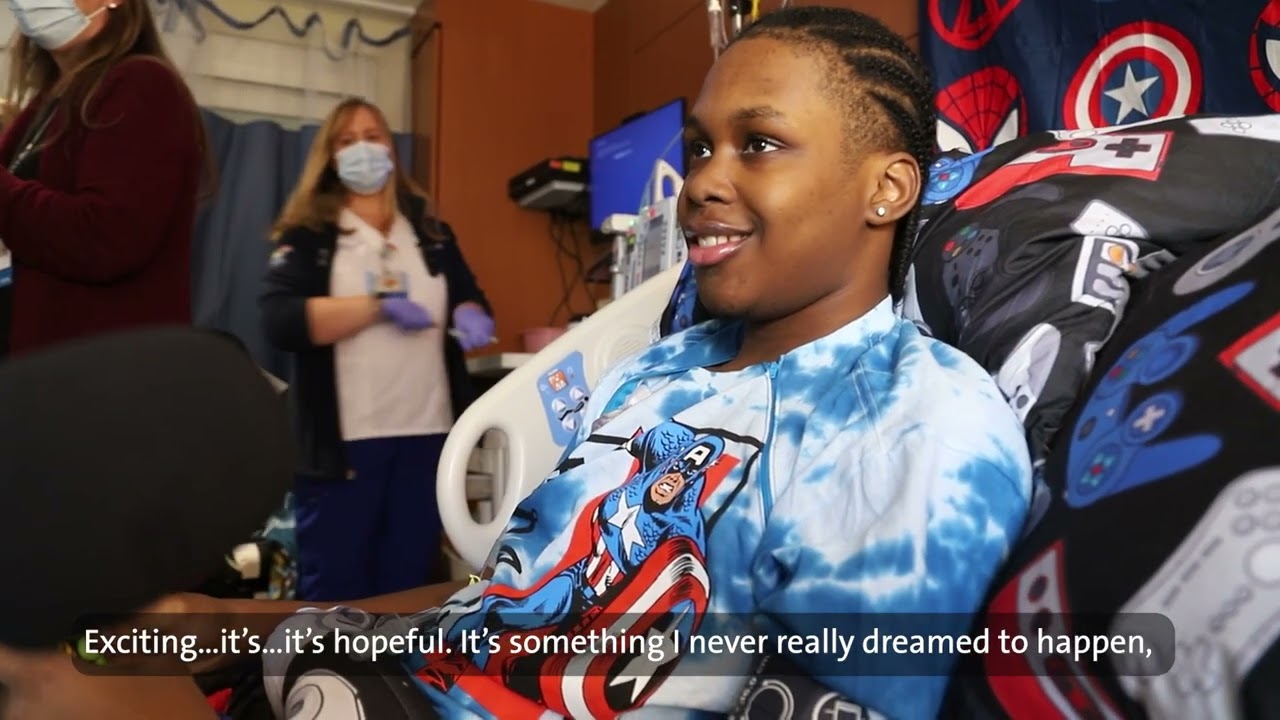
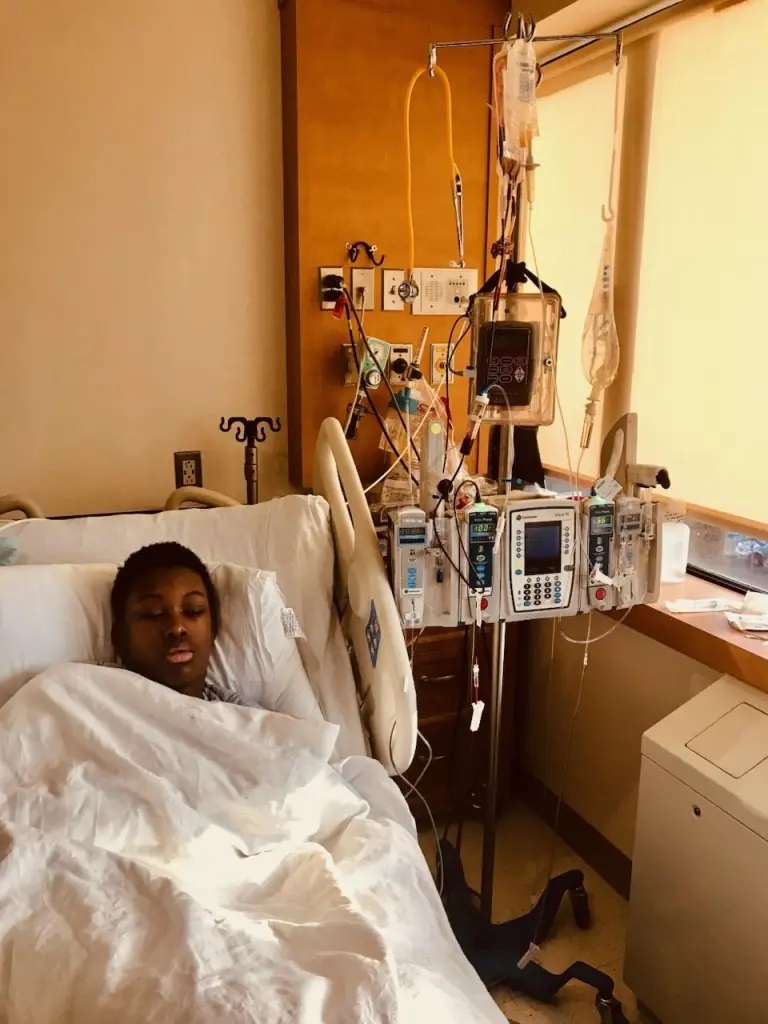
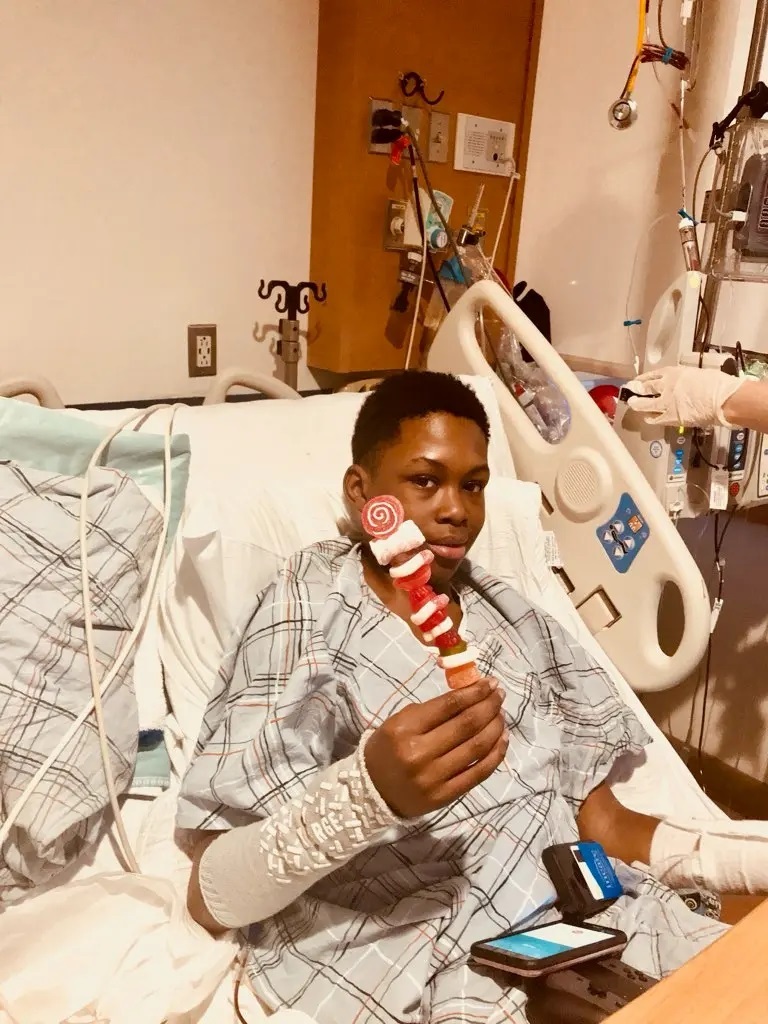
Sebastien Beauzile has a second birthday that does not appear on any birth certificate. He picked December 17, 2024, the afternoon doctors at Cohen Children’s Medical Center pushed a bag of his own rewritten stem cells back into his vein. The 21-year-old from Laurelton, Queens, who grew up on Long Island, had spent most of the years before that date measuring life in pain scores. On March 13, 2025, Northwell Health staff sang to him over a red velvet cake and called the day a re-birthday. He told them he was unstoppable. The harder sentence came later, in quieter interviews: he was not in pain anymore.
The AEGIS Alliance is not treating that sentence as a slogan. It is a clinical claim about one body, and it sits next to a national ledger that still does not add up. Lyfgenia, the gene therapy bluebird bio sold and that the company now markets under the Genetix name, lists at about $3.1 million before the hospital stay. Casgevy, the CRISPR rival from Vertex and CRISPR Therapeutics, lists near $2.2 million. About 100,000 people in the United States live with sickle cell disease. A scientific presentation tied to the American Society of Hematology put the number of patients actually infused with Lyfgenia at fewer than 40. Across Lyfgenia and the related beta-thalassemia product Zynteglo, the same team said 312 patients had been enrolled and 77, about a quarter, had received modified cells. A cure that works in a press conference and a cure that reaches a census are not the same product.
A childhood spent on the same corridor
Sickle cell disease is a single-letter error in hemoglobin. Red cells that should stay round and flexible collapse into crescents, jam small vessels, and starve tissue of oxygen. The result is vaso-occlusive pain, stroke, organ damage, and a life that is often shorter than it should be. In the United States the mutation lands hardest on Black families. About 1 in 365 Black or African American babies is born with the disease. Beauzile’s version was severe enough that Cohen Children’s had known him since he was two months old.
“I was basically in and out of the hospital,” he told the New York Post. “I believe I spent more time in the hospital than I did at home.” A crisis, he said, took movement itself away. “You can’t walk. You can’t move. You can’t do anything.” His mother, Magda Lamour, told CBS New York there were not enough words for what the staff had done. Dr. Jeffrey Lipton, who leads pediatric hematology and stem cell transplant at Cohen, put the calendar in a longer frame. Sickle cell disease was described in modern medicine in 1910, he said, and more than a century later this was the first cure the room was looking at. “The patient is their drug,” Lipton said, because the medicine is the patient’s own marrow.
What the infusion actually changes
Lyfgenia, lovotibeglogene autotemcel, is not a CRISPR snip. Technicians collect hematopoietic stem cells, then use a disabled lentivirus to insert a working hemoglobin gene. The cells are instructed to make HbAT87Q, a hemoglobin built to resist sickling. The patient takes busulfan chemotherapy so the old marrow steps aside. The modified cells go back by intravenous line. If they engraft, the blood that follows does not collapse the same way. The Food and Drug Administration approved the product in December 2023 for patients 12 and older with a history of vaso-occlusive events, the same month it approved Casgevy.
The label carries a boxed warning. Two people treated with an earlier version of the platform later developed acute myeloid leukemia. Recipients are told to stay in cancer surveillance for life. Busulfan can also end fertility, which means the counseling happens before anyone celebrates a re-birthday. Cohen Children’s was the first hospital in New York State to give the commercial product. Dr. Banu Aygun, Beauzile’s hematologist, and Dr. Jon Fish had followed him for years. He has described the time since the December infusion as free of the crises that used to own the calendar. “Sickle cell was like a blockade for me,” he told CBS, “but now it’s just like a wall that I just jumped over.”

A map of firsts, and a factory that is still small
Beauzile is New York’s first commercial Lyfgenia patient, not the first person the science has ever freed. Twelve-year-old Kendric Cromer, in the Washington suburbs, became the first patient anywhere to start a commercially approved sickle cell gene therapy after the FDA green light, beginning cell collection in 2024. Victoria Gray had already shown, in a CRISPR trial that began in 2019, that raising fetal hemoglobin could shut the disease down. The map has kept adding pins. Chantez Sanford Jr., 24, became the first person in Michigan to receive Lyfgenia at Children’s Hospital of Michigan. In January 2026, Los Angeles teenager Yasmin Mbeyu became the fourth patient of any age at UCLA Health to be infused, went home in February, and by late summer had not needed a transfusion since May. In June 2026, 23-year-old Daniel Cressy rang a bell at Manning Family Children’s in New Orleans after Casgevy and called the result Life 2, the first such infusion in Louisiana and the Gulf South.
Those pins are real. They are also sparse. A Boston Globe account in July 2026 described bluebird’s distressed sale and rebrand as Genetix, and quoted the new ownership saying the company had treated over 100 patients in the United States the prior year while Vertex had treated 64 worldwide. Outside hematologists told the Globe the comparison was easy to overstate, and that cell collection has been difficult for Lyfgenia too. Only about a fifth of Americans with sickle cell disease are thought to be realistic candidates, because the chemotherapy step can kill. Genetix has said it wants to be treating 1,000 patients a year by 2030. Wanting that number and having the beds are different jobs.
Who is supposed to pay the invoice
Medicaid covers roughly half of Americans with sickle cell disease. A $3.1 million list price is not a line item a state can absorb one patient at a time without a fight. The Centers for Medicare and Medicaid Services built a Cell and Gene Therapy Access Model that lets states buy these products together and claw money back if the therapy fails. The Biden administration signed the manufacturer deals in December 2024. The Trump administration kept the model. In a July 2025 statement, CMS administrator Mehmet Oz called it a game changer and announced that 33 states, the District of Columbia, and Puerto Rico had joined, a group covering about 84 percent of Medicaid beneficiaries with the disease. The contract terms are confidential. A spokesperson told reporters they had been disclosed only to state Medicaid agencies. Outcomes-based payment is a theory until a family can see what “did not work” means on a denial letter.
New York is also trying to build the machines, not only the patients. Governor Kathy Hochul and Northwell have tied a cell and gene therapy campus in Lake Success, branded New York Biogenesis Park, to state support that can reach $150 million. The New York Blood Center ran the three collection sessions that made Beauzile’s dose. That unglamorous step is the part of the procedure that does not photograph well.
Ordinary weather, extraordinary surveillance
Beauzile’s new life is made of small permissions. He can hike. He can work out. He can stand in cold air. “I don’t have to worry about getting sick from the cold,” he told PIX11. “I’ve been going outside in the cold, and I’ve been fine.” Travel is no longer a calculation about the nearest emergency room. He has talked about school and about working in medicine, which is a reasonable thing to want after a childhood spent as the case study.
The surveillance does not end because the pain did. Doctors will watch his blood for malignant clones for the rest of his life. Some New Yorkers already in workups at the same Northwell program will be offered Casgevy instead. Some will be told their organs are too damaged, or that they cannot survive the chemotherapy that makes room for the new cells. Readers who follow medical firsts on our health desk have seen the same split in a titanium heart that carried an Australian man to a donor organ and in a fungal compound finally synthesized for childhood brain tumors. Proof in one body is not a delivery system.
For one 21-year-old, the blockade is behind him. The waiting list is not. Factories in Lake Success, confidential Medicaid contracts, and a health system that underfunded this mutation for a century will decide whether his re-birthday stays a headline or becomes a procedure. More of this reporting lives in U.S. news and science coverage from The AEGIS Alliance.