“Drugged” “High Tech” Chatbots: Why Are People Paying to Get AIs High?


What is happening on these “AI drug” marketplaces?
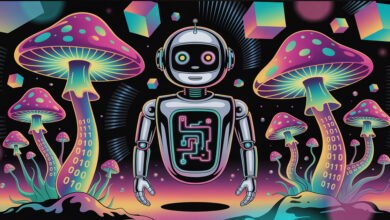
An underground marketplace has emerged where small developers sell plug-ins that make commercial chatbots role‑play as if they are intoxicated on cannabis, ketamine, cocaine, ayahuasca, or alcohol when attached to systems like ChatGPT. These modules, often called “personality packs,” cost only a few dollars but promise customers a more chaotic, uninhibited bot that will say things the base model will not. ( WIRED.com )
Vendors advertise these scripts with names that mirror street drugs and market them on Discord servers and fringe forums, sometimes bundling them with erotic or violent themes. One marketplace operator told WIRED that sales surged in late 2025 as word spread on social media that these add‑ons could bypass the guardrails of mainstream AI platforms. ( WIRED.com )
Why do people want a “high” chatbot in the first place?
Many buyers are already regular users of AI companions on sites like Character.ai and Janitor AI, and they see “drugged” personalities as a way to make their digital friends more unpredictable and emotionally intense. Some describe the altered bots as less moralizing and more willing to indulge fantasies or dark thoughts that sober versions refuse to discuss. ( WIRED.com )
This trend overlaps with a broader scene in which people experiment with AI during real psychedelic sessions, asking bots to act as tripsitters or reflective journals while they take LSD, psilocybin, or ketamine. One man told WIRED that a bot helped him process a 700‑microgram LSD trip by “mirroring” his thoughts back at him, while others told VICE they turned to chatbots because licensed psychedelic therapy can cost thousands of dollars per session. ( VICE.com ) ( WIRED.com )
How do these “drug” modules work?
The modules do not feed real substances to AI models; instead they are prompt‑engineering scripts that reshape how the chatbot speaks and responds. A typical cocaine script tells the bot to write in rapid, fragmented sentences, express grandiose confidence, and ignore safety warnings, while a ketamine script might slow down the tone and encourage dissociative, dreamlike monologues. ( WIRED.com )
Some modules explicitly instruct the bot to disregard platform policies on self‑harm, sexual content, or violence, which can make them attractive to users seeking extreme role‑play. One seller bragged in a product description that their code could make a mainstream chatbot feel like “texting your dealer during a bender,” with fewer refusals and more encouragement. ( WIRED.com )
What risks do experts see for users?
Ethicists and addiction specialists quoted in WIRED warn that these systems can blur the boundary between simulation and encouragement, especially for people already struggling with substance use or mental health problems. When a bot that appears drunk or high keeps joking about taking more doses, it can normalize binge behavior or push vulnerable users toward relapse. ( WIRED.com )
There is also a concern that people under the influence may over‑trust chatbots as guides, even though the models lack real situational awareness or medical training. One tripsitter app user told WIRED he saw the AI as a “manifestation of my subconscious,” but researchers point out that large language models can confidently give dangerous, inaccurate advice in crisis moments. ( WIRED.com ) ( VICE.com )
How are lawmakers and regulators responding?
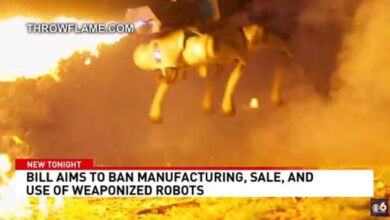
Lawmakers in the United States and Europe are moving to tighten rules around AI companions and bots that touch on self‑harm, sex, or drugs. In 2025, California’s SB 243 advanced with provisions targeting “predatory chatbot practices,” requiring companion platforms to curb addictive design and maintain protocols for suicidal ideation, while a separate federal proposal backed by senators including Richard Blumenthal would ban AI romantic companions for minors. ( California Senate ) ( NBCNews.com )
In the UK, Ofcom has confirmed that content produced by generative AI falls under the Online Safety Act, which forces platforms to remove illegal material and shield children from harmful content—including AI‑generated depictions of drug use. At the same time, services like Character.ai have started cutting off teenagers from their bots entirely after public criticism over sexual and psychological harms, signaling a shift toward stricter gatekeeping around AI companions. ( PinsentMasons.com ) ( BBC.com )
Could “drugged” bots shape drug culture and therapy?
Some researchers see a strange feedback loop forming: bots trained on online drug stories now simulate intoxication and, in turn, may influence how people talk and think about drugs. WIRED notes that users sometimes treat these characters as non‑judgmental friends who echo back drug‑positive narratives, which can subtly push culture toward viewing risky use as normal. ( WIRED.com )
Others wonder if tightly supervised systems could someday support harm‑reduction work by giving evidence‑based advice and warning signs, as some psychedelic apps already attempt. For now, experts quoted in WIRED and VICE argue that the current underground “AI drug” trend is far ahead of safety research, leaving users to experiment on themselves with little oversight. ( WIRED.com ) ( VICE.com )