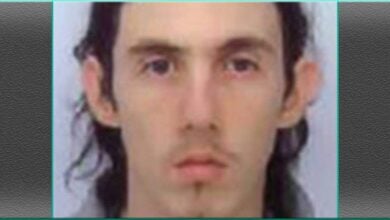
One of UK’s Worst Pedophiles “Stabbed to Death” in Prison Cell
The Monstrous Legacy of Richard Huckle: Britain's Most Depraved Predator


A Study in Pure Evil
Richard Huckle wasn’t merely a pedophile – he was a calculated, methodical predator who represents one of the most disturbing cases of child exploitation in British criminal history. His systematic abuse of vulnerable children across Malaysia and Cambodia reveals a level of depravity that is almost unfathomable to comprehend.
The Mask of Virtue: A Calculated Predator
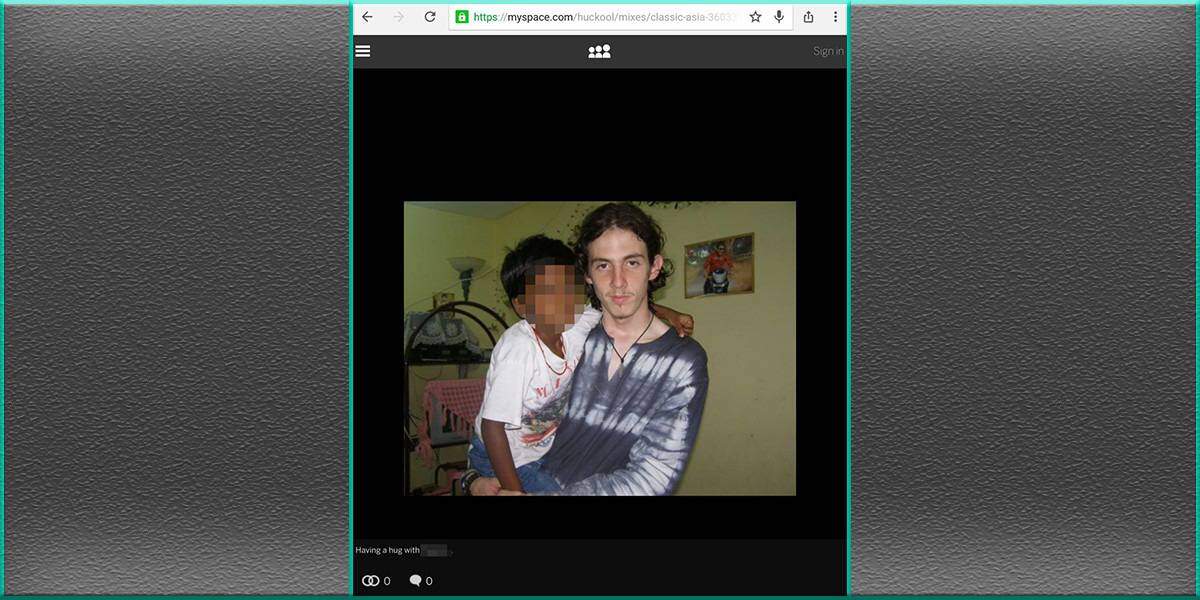
What makes Huckle particularly despicable was his deliberate strategy of presenting himself as a benefactor to the very communities he was secretly destroying. Huckle, who was only 30 at the time of his sentencing, had craftily positioned himself as an English teacher and philanthropist in impoverished Christian communities in Kuala Lumpur, Malaysia. This carefully constructed façade allowed him to gain the trust of families in vulnerable situations, giving him unprecedented access to children.
“Huckle targeted an impoverished Christian community in Malaysia where he posed as a student, photographer and English teacher,” reported one source, highlighting how he exploited legitimate professional roles to facilitate his crimes. This level of premeditation and manipulation reveals a mind solely focused on exploiting the most vulnerable.
The Scale of Horror: Beyond Comprehension
The sheer scale of Huckle’s crimes is staggering. Though convicted of 71 separate counts of serious sexual assault against children, authorities believe the actual number of victims likely approached 200. His youngest victim was just six months old demonstrating a level of cruelty that defies understanding.
His systematic documentation of abuse makes his crimes even more reprehensible. Huckle kept detailed records of his attacks, creating what investigators called a “sick ledger”. This wasn’t just about sexual gratification – Huckle treated his victims as collectibles, assigning “points” based on their age and other factors, revealing a deeply disturbed mind that viewed children as objects rather than human beings.
A Decade of Unchecked Evil
Perhaps most disturbing is how long Huckle operated before being caught. “Richard Huckle evaded capture for nearly a decade as he targeted impoverished children and babies in Malaysia between 2006 and 2014,” one report noted. This extended period of abuse represents a catastrophic failure of protection systems and international coordination.
Investigators later determined it was “highly likely” that Richard Huckle had UK victims as well suggesting his predatory behavior may have begun even before his travels to Southeast Asia. This indicates a lifetime dedicated to the exploitation of children, with no boundaries to his depravity.
The Inadequacy of Justice
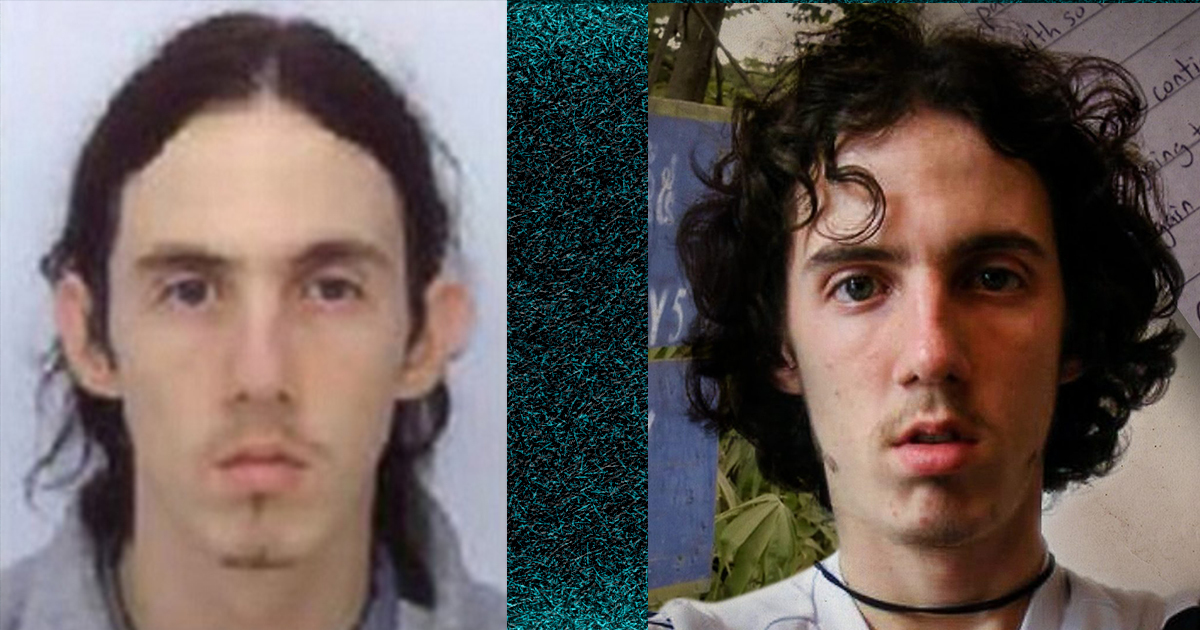
Despite receiving 22 life sentences for his crimes, many in Malaysia felt Huckle’s punishment was insufficient. “The life prison sentence imposed on British child rapist Richard Huckle was criticised on Tuesday as too light in Malaysia, where he sexually abused scores of children,” reported one source.
This sentiment reflects the impossible challenge of finding an appropriate punishment for someone who committed such extensive harm. No sentence, however severe, could truly address the suffering Huckle inflicted on hundreds of innocent children whose lives were forever altered by his actions.
A Legacy of Trauma
The true horror of Huckle’s crimes lies not just in their number but in their lasting impact. Each of his victims, many from already disadvantaged backgrounds, will carry the psychological scars of his abuse for their entire lives. Entire communities in Malaysia and Cambodia have been left to grapple with the betrayal and trauma he inflicted.
Missed Opportunities and Systemic Failures
Adding to the tragedy is the recognition that there were “missed opportunities” to stop Huckle sooner. His ability to operate for nearly a decade across multiple countries points to serious failures in international cooperation and child protection systems. Had these systems worked more effectively, countless children might have been spared from his abuse.
The fact that Huckle was only caught through a sophisticated international police operation that secretly took over a dark web child abuse forum highlights how dedicated he was to his criminal activities and how difficult it was to bring him to justice.
The Brutal End of Richard Huckle Behind Bars
Richard Huckle, one of Britain’s most notorious pedophiles, met a violent end at Full Sutton Prison, a maximum-security facility in Yorkshire, England. In October 2019, the 33-year-old was found dead in his cell after being attacked with what reports described as a “makeshift knife”. The brutal assault was later revealed to be the work of fellow inmate Paul Fitzgerald, who had carefully planned the attack. Court proceedings disclosed the disturbing nature of Huckle’s death – he was not only stabbed but also strangled with an electrical cable sheath and sexually assaulted during what prosecutors called “a prolonged attack designed to humiliate and degrade him”.
The motivation behind the killing appeared to be vigilante justice, as Fitzgerald reportedly wanted Huckle to “feel what those children felt”. According to prosecutors, Fitzgerald claimed he would have targeted other inmates but was “having too much fun” with Huckle. A subsequent investigation found that the murder could have been prevented if prison authorities had properly addressed reports about Fitzgerald. On November 23, 2020 a Hull Crown Court jury convicted him of murder after about an hour. The next day he was sentenced to life with a 34-year minimum for a 78-minute attack a judge called sadistic’s violent tendencies. Huckle, who had been serving 22 life sentences for abusing up to 200 children in Malaysia and Cambodia, died in what one source described as an act of “poetic justice” according to his killer, though the brutality of the murder raised serious questions about security protocols within the UK prison system.
Conclusion: A Warning for the Future
Richard Huckle represents a sobering warning about the depths of human depravity and the critical importance of vigilance in protecting society’s most vulnerable members. His case should serve as a powerful reminder of the need for robust international cooperation in detecting and preventing child exploitation, and the importance of thoroughly vetting those who seek positions of trust with children.
The scale, duration, and calculating nature of Huckle’s crimes place him in a category of evil that few can comprehend. While his life was violently ended in prison, the damage he inflicted continues to ripple through the lives of his victims and their communities – a dark legacy that will unfortunately endure long after his death.
Related reporting from The AEGIS Alliance: the Welcome to Video takedown, Jared Perry at HMP Parc, and Crime News.











6 years ago
Graigry Kennaugh The article was completely redone today, so there’s that. I forgot to add #FlashbackFiles in the caption
That man should never have to buy a beer in a bar
THAT THAT TITLE BELONGED TO Charlie Windsor
Looks like business is being handled..