NEW YORK – A Jeffrey Epstein accuser named Jennifer Araoz filed a lawsuit on Monday against Ghislaine Maxwell for assisting the dead disgraced pedophile in recruiting her as a sex slave when she was 14 years old.
The lawsuit is filed in a Manhattan Supreme court under the Child Victims Act. The lawsuit alleges that Maxwell used Epstein’s power and wealth as a way of recruiting her and other underage female victims.
“Ms. Maxwell fulfilled Epstein’s compulsive need for sex with young females by preying on their personal, psychological, financial, and related vulnerabilities,” Araoz said in the court papers.
The now age 32 Araoz claims Maxwell provided “organizational support to Epstein’s sex trafficking ring, identifying and hiring the recruiters of underage girls for Epstein’s sexual pleasure.”
Maxwell had also been scheduling appointments for “massages” with the girls for Epstein.
Because Maxwell conspired with Epstein, Araoz says she suffers from: “physical injury, pain, emotional distress, psychological trauma, mental anguish, humiliation, embarrassment, loss of self-esteem, loss of dignity, invasion of her privacy and a loss of her capacity to enjoy life.”
Araoz was the first person who sued Epstein’s estate in July 2019 under the Child Victims Act in New York. Eventually, the lawsuit was tossed after Epstein’s death.
Araoz also sued Epstein’s estate and Maxwell in August 2019, along with three female household staff members who were unnamed. That lawsuit is still active.
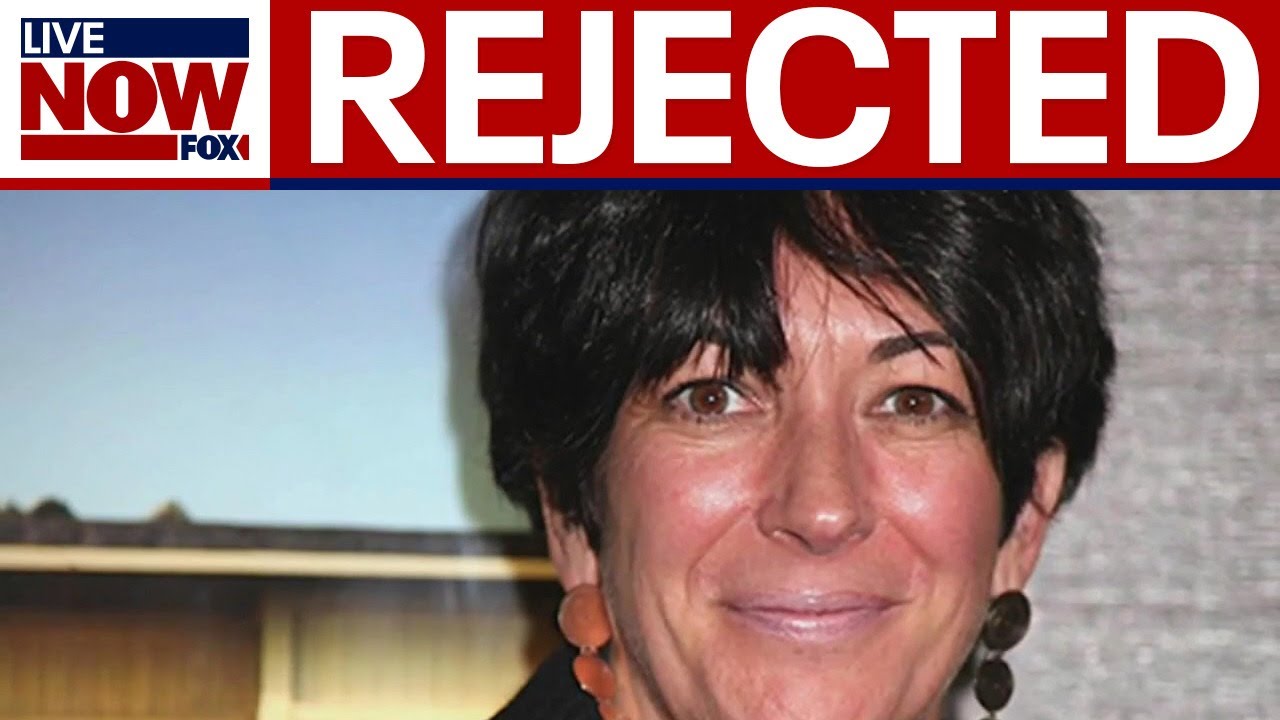
“I am once again able to take another breath as Ghislaine Maxwell will be in jail until at least her trial date next July,” Jennifer Araoz said after Maxwell was denied bail.
“Knowing that she is incarcerated for the foreseeable future allows me, and my fellow survivors, to have faith that we are on the right path.”
UPDATE: The faith Araoz placed in the courts has since been vindicated many times over. After her July 2020 bail denial, Maxwell stood trial in Manhattan federal court the following year, and on December 29, 2021, a jury convicted her on five of six felony counts tied to her role in recruiting, grooming, and transporting underage girls for Epstein to abuse between roughly 1994 and 2004. In June 2022, U.S. District Judge Alison Nathan handed Maxwell a 20-year prison sentence, making her the only one of Epstein’s associates to be held criminally accountable for the trafficking operation that destroyed the lives of girls like Araoz.
Maxwell fought the verdict at every level and lost at each one. The U.S. Court of Appeals for the Second Circuit affirmed her conviction and sentence in 2024, rejecting her central claim that a 2007 non-prosecution agreement Epstein had quietly negotiated with then-U.S. Attorney Alex Acosta in Florida should have shielded her from prosecution in New York. She then asked the U.S. Supreme Court to intervene. On October 6, 2025, the justices declined to hear her case, leaving the 20-year sentence firmly in place. Her attorney, David Oscar Markus, called the outcome a deep disappointment but insisted the fight was not over.
The criminal accountability Araoz sought against the conspiracy ran parallel to her own civil litigation. Her suit, brought under New York’s Child Victims Act in the Manhattan Supreme Court, accused Maxwell and several unnamed Epstein staffers of conspiring to facilitate the abuse and forcible rape she endured as a teenager. The case advanced through discovery alongside dozens of other survivor claims pressed against Epstein’s estate and its compensation fund, with many victims choosing to litigate rather than accept the fund’s terms.
Maxwell’s circumstances since the Supreme Court’s refusal have only deepened public scrutiny of how powerful figures connected to Epstein have been treated. Shortly after Deputy Attorney General Todd Blanche interviewed her in the summer of 2025, the Bureau of Prisons moved Maxwell from a Florida facility to a lower-security minimum-security camp in Bryan, Texas — a transfer officials never satisfactorily explained and that survivors and lawmakers condemned as preferential treatment. The Justice Department later released audio and a transcript of that interview, in which Maxwell conveniently claimed she had never witnessed anything inappropriate between Epstein and Donald Trump.
The fight over transparency reached a turning point when Congress passed the Epstein Files Transparency Act in November 2025, compelling the Justice Department to release its records on Epstein and Maxwell while protecting the identities of the more than 1,000 victims the FBI has tied to the case. The law expressly barred withholding or redacting material on the basis of embarrassment, reputational harm, or political sensitivity to any official, public figure, or foreign dignitary. The first major tranches were released in December 2025, with additional documents and images of Maxwell and Epstein surfacing into 2026.
In February 2026, Maxwell appeared by video before the House Oversight Committee from the Texas prison camp and repeatedly invoked her Fifth Amendment right against self-incrimination, refusing to answer lawmakers’ questions. Through Markus, she signaled she would speak only if Trump granted her executive clemency — and offered to testify that neither Trump nor Bill Clinton had done anything wrong in their dealings with Epstein, an offer many observers read as a transparent bid to trade exculpatory statements for her freedom. Trump has at times said he would “take a look” at any clemency request, while the White House has maintained that no leniency is being discussed. Congressional Democrats, including Rep. Raja Krishnamoorthi, introduced measures opposing any pardon or commutation, arguing that justice for the survivors of child sexual abuse must never be for sale.
For Araoz and the women who came forward, the through-line remains the one she described in 2020: the belief that accountability, however long delayed, is still possible. Maxwell’s sentence is currently scheduled to run until 2037.
For related coverage, see The Aegis Alliance reporting on the dozens of Epstein-related Ghislaine Maxwell court documents released to the public.