Operation Guardian Took 21 People Into Custody in Snohomish County and Added Them to a Task Force Count Near 400


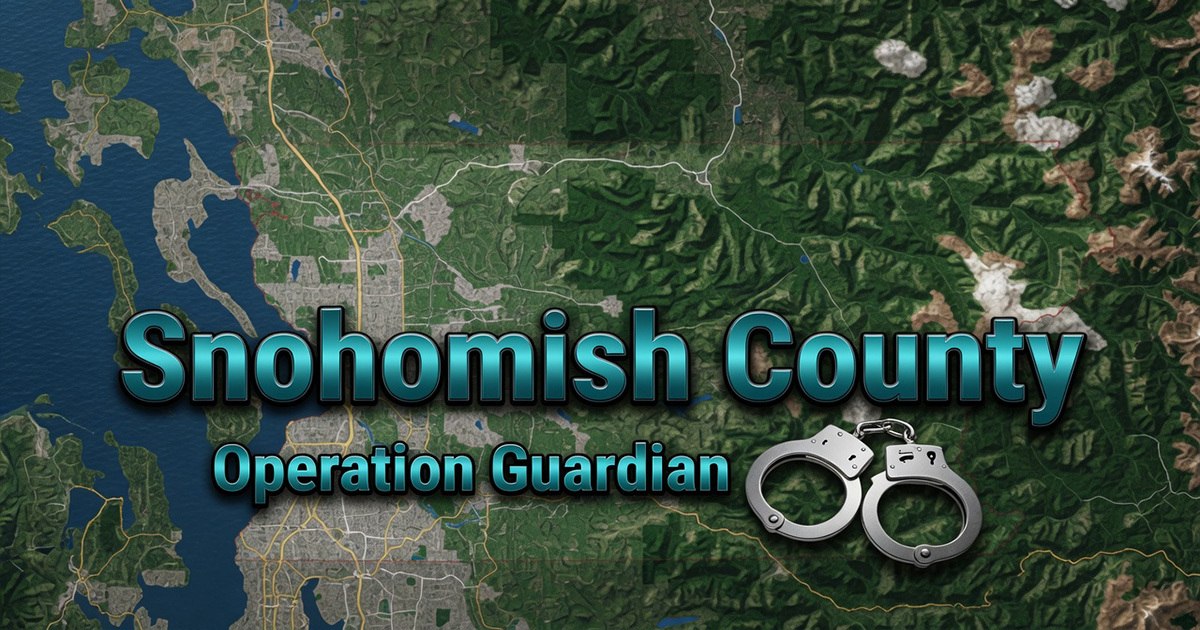
The Washington State Patrol did not need a mystery to explain Operation Guardian. It needed a calendar. On July 1, 2026, WSP announced that 21 people had been taken into custody in Snohomish County during a multi-day hunt for people alleged to have sexually abused and exploited children. The Missing and Exploited Children Task Force, a Washington Internet Crimes Against Children affiliate, ran the sweep from Edmonds with a roster that stretched far past the county line. Edmonds police hosted the base. More than 30 agencies put bodies in the room. The Snohomish County Prosecuting Attorney’s Office will decide which charging theories survive the booking sheet.
Washington State Patrol listed the statutes investigators were working: attempted rape of a child, commercial sexual abuse of a minor, communication with a minor for immoral purposes, sexual exploitation of a minor, and, in at least some files, unlawful possession of a firearm. Local coverage from Lynnwood Times, My Edmonds News, and the Everett Herald described the method that almost every ICAC week uses. Undercover officers posed as children in online spaces, converted chat into probable cause, and stacked warrant service into a short window so forensic staff did not have to be rebuilt twenty-one times. The AEGIS Alliance is not reprinting graphic chat logs or file descriptions. The public fact that matters is the geography of the list and the size of the team it took to produce it.
A Booking Sheet That Did Not Stay Inside Snohomish
WSP released names and hometowns. Ten of the 21 lived in Snohomish County cities and towns: Lake Stevens, Lynnwood, Mountlake Terrace, Everett, Arlington. The rest of the sheet reached Shoreline, Kirkland, Seattle, Burien, Tacoma, El Paso, Ridgeland, Mississippi, and Zapotitlan de Vadillo, Mexico. That mix is the story agencies usually bury under a county headline. Predatory chat does not commute with a Sound Transit pass. A man can sit in Texas or Mexico and still end up in an Edmonds command post because the person on the other side of the screen was being run by a detective in Washington.
Ages on the public list ran from the early twenties to the mid-sixties. That range should end the lazy habit of treating these sweeps as a story about one kind of defendant. The work is ugly because the demand is ordinary. People with jobs, leases, and grocery lists still open the same apps children use. When a task force needs thirty agencies to clear twenty-one files, the lesson is not that Snohomish suddenly became unique. The lesson is that the backlog is always that deep, and that a branded week is how the state admits everyday patrol cannot keep pace.
Chief John Batiste called the week a demonstration that detectives will keep hunting people who prey on children. Assistant Chief Josh McClure of Edmonds called the hosting job a privilege. Those are the sentences press shops write. The more useful sentence is the one WSP has been repeating since August 2015: the legislatively funded task force has produced nearly 400 arrests and has pulled children out of danger when intervention arrived in time. Divide 400 by eleven years and the average is not a crisis chyron. It is a standing caseload that only becomes news when someone gives it a nickname.
Why These Weeks Keep Looking Like Victories
A branded operation is a staffing trick. Detectives who would otherwise sit inside one forensic image pile get pulled onto a shared calendar. Undercover accounts, preview stations, and booking clerks work the same stack. That is efficient. It is also a confession. If the state needs a title and a press release to move 21 files, the unbranded weeks are the ones filling the drawer. Municipal departments do not keep a bench of people who can pose as children online, preserve chat, and write a warrant that will survive a suppression hearing. ICAC affiliates exist because that bench is expensive. Guardian is what happens when the state finally pays for a few days of it in one county.
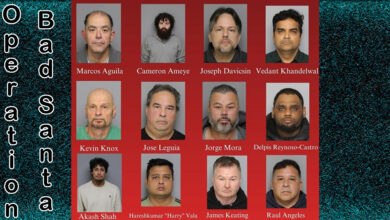
Readers who follow The AEGIS Alliance on this beat already know the rhythm. Early network reporting in hiding in plain sight sat next to later volume stories such as the 87,000-account dismantling and more recent stings like Operation Bad Santa in New Jersey. Federal and state shops announce a number. Local television films a podium. Then the cases disappear into plea dockets unless a defendant already had a title. The work after Guardian will look like that unless charging papers produce a school employee, a coach, a volunteer, or a badge.
Anyone with information on the people named in the WSP release, or on possible victims who were not in the original undercover chats, is being asked to write me***@****wa.gov. That inbox is the part of the press release that will matter six months from now. Devices seized during a week like this either expand the victim list or they do not. Bail sheets either send people home or they do not. Those two outcomes decide whether Guardian was a one-week headline or the start of a longer county file.
What a Suburban County Reveals About Capacity
Snohomish is not a remote frontier. It is a strip of commuter towns north of Seattle with schools, youth sports, and the same broadband that carries everything else. Image files do not wait for a detective to finish a shift. Chat logs do not respect a city limit. When Edmonds can host thirty agencies for a few days and still only clear 21 custody reports, the honest read is that the ordinary week is already behind. The AEGIS Alliance wants readers to see that gap instead of applauding the nickname.
Undercover posing is the method because open-source browsing does not produce probable cause fast enough. Detectives build accounts, wait for contact, and convert a conversation into a warrant. The work is slow and necessary. It is also easy to oversell as a cleanup. Twenty-one custody reports are not a cleaned county. They are twenty-one files that reached the arrest stage while other files waited. The statutes on the WSP list make that plain. Attempted rape of a child and communication with a minor for immoral purposes are not the same crime. Prosecutors will have to pick which theory each name can carry. That sorting is the real operation. The press conference was the calendar invite.
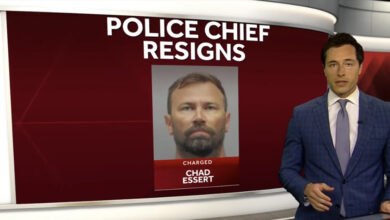
The same week this announcement landed, Ohio was moving a village chief off a payroll after a 70-count indictment, a file The AEGIS Alliance covered when Chad Essert resigned in Bethel. Different counties. Same question. What do institutions do when the accused is not a stranger in a chat log but someone with a title, and what do they do when the accused is a stranger and the only title in the room belongs to the task force.
Watch the Docket, Not the Nickname
Treat the 21 as alleged until a court says otherwise. Treat the capacity problem as proven. A task force that needs a branded week to clear this many files is a task force that is already behind. Snohomish is not a special moral geography. It is a county that had the staff on the calendar and a prosecutor’s office willing to take the paper. Names will come out in charging documents with more precision than a press-release list. Hometowns already tell a reader that the hunt did not stop at the county line. Devices will either produce more victims or they will not. Those are the facts that survive the podium.
Related coverage lives on the crime news and U.S. news desks at The AEGIS Alliance. The AEGIS Alliance will watch who gets bail, whether any defendant worked around children, and whether the Snohomish prosecutor files the attempted-rape counts or the communication counts. The 21 are alleged. The backlog is not. It is the reason Guardian has a name at all.