South Carolina Woman Charged Over 2,059-Acre Carolina Forest Wildfire Near Myrtle Beach Reaches Diversion Deal Instead of Trial


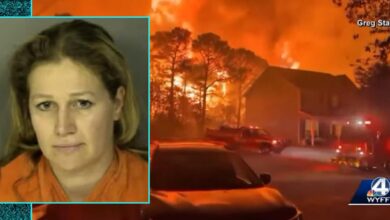
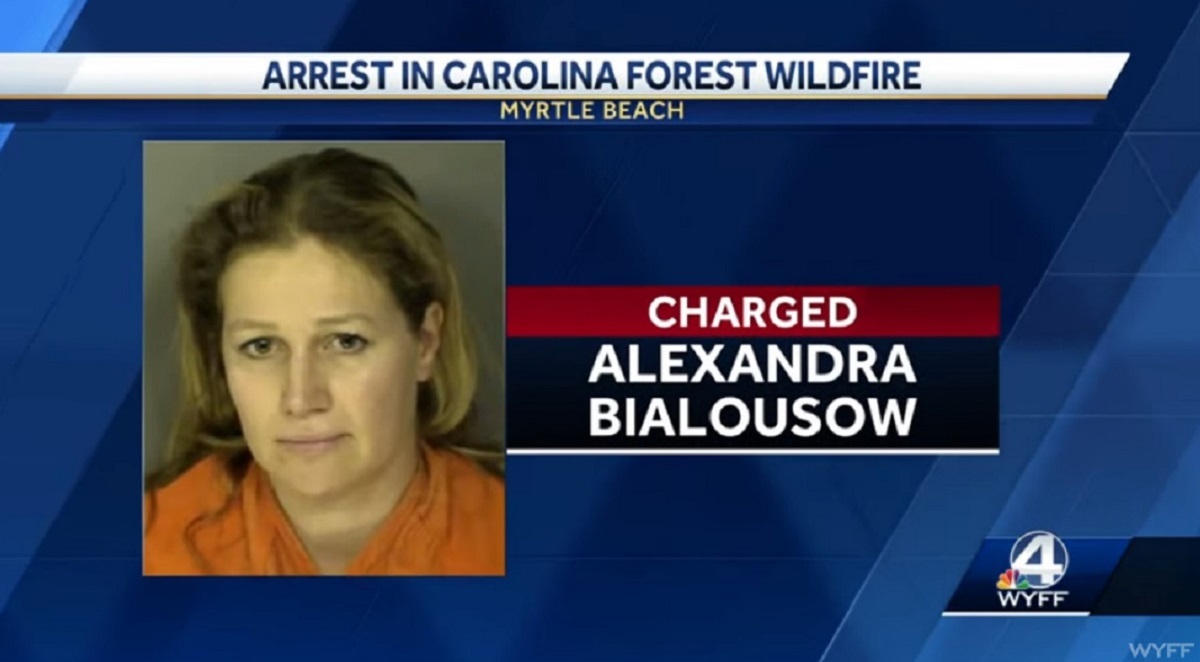
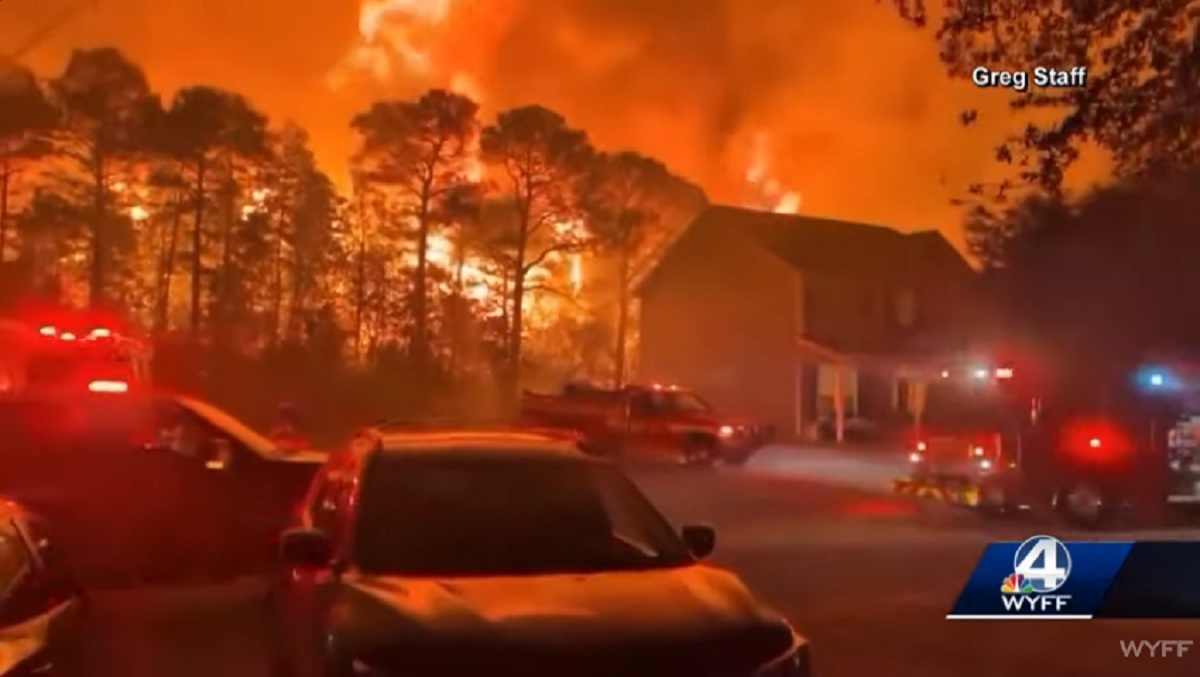
The fire that tore through Carolina Forest did not look like a backyard mistake when neighbors first saw the glow. By the time Horry County crews reached Covington Drive in early March 2025, flames were already chewing through pine stands behind the Walker Woods subdivision near Myrtle Beach. What started as a yard debris burn during a county burn ban grew into a 2,059-acre wildfire, forced evacuations, and pushed South Carolina Governor Henry McMaster to declare a state of emergency. Six days later, the South Carolina Forestry Commission booked 40-year-old Alexandra Bialousow into the J. Reuben Long Detention Center.
The agency did not charge her with arson. The warrants alleged two misdemeanors: regulation of fires on certain lands, first offense, and negligently allowing fire to spread to the lands of another. Investigators said her fire pit sat too close to a tree line and that she lacked an adequate water source and garden tools while a burn ban was in force. If convicted at trial she faced up to 60 days in jail and a $400 fine. She posted a $15,000 bond and went home. That modest charging paper sat next to a landscape that would smolder for months.
How a Debris Pit Became a Regional Emergency
Horry County had banned outdoor burning because March winds and dry fuel made even a small pile dangerous. The Forestry Commission’s own release tied the Covington Drive fire to that pile. Local reporting from WMBF and WYFF described a blaze that jumped onto Walker Woods HOA property and then kept running. Dozens of other fires were already burning across the Carolinas that same weekend, a pattern mapped by national outlets as wind and drought stacked the odds against anyone lighting a pit.
Ninety-Five Days Under the Needles
Neighbors were not interested in the fine print of a misdemeanor statute. One resident told WMBF, “She deserves to have consequences.” That sentence traveled farther than the charging document. National tabs framed Bialousow as the woman who started a 2,000-acre inferno. The Forestry Commission’s language was narrower: she allegedly let a fire get away. The gap between those two stories would define the rest of the case.
Containment on March 8, 2025, stood at about 55 percent after nearly a week of work, according to The Post and Courier and Horry County Fire Rescue. That number hid the harder part. Heat lived in the duff. Crews chased hot spots that refused to die under pine straw and peat-like soil. The fire was not declared fully out until June 2025, roughly 95 days after ignition. No houses burned. No one was reported injured. The acreage still ranked among the most serious Grand Strand wildfires in recent memory.
That long tail matters because public anger arrived in March and the legal system moved on a different clock. Bialousow, a Myrtle Beach native who works in healthcare and as a substitute teacher, denied that she caused the Carolina Forest fire. Attorney Jonny McCoy asked for a jury trial in April 2025 and later sought dismissal. He argued the warrants accused her of missing a hose and tools, not of lighting 2,059 acres on purpose. He later called her a “sacrificial lamb,” a phrase that landed hard with residents who had packed go-bags.
The Day the Jury Never Sat
Trial was set for October 22, 2025. That morning the Forestry Commission offered a diversion program instead of opening to a jury. Bialousow accepted. Under the deal she completes community service or training. When she finishes, the two misdemeanors are dismissed and expunged. County officials and McCoy stressed the same point to WPDE and WMBF: diversion is not a guilty plea and not a finding of innocence. The Forestry Commission confirmed the negotiated end and declined to say more.
“It’s a very traumatic experience,” Bialousow said after the announcement, describing gossip, fear of going home, and children who were bullied over the arrest. “My chest is lighter now.” McCoy said the defense is still weighing civil action. That possibility keeps the story from reading like a tidy close. A woman who spent seven months as the face of a disaster now has a path to a clean record. Neighbors who wanted a conviction got a training class.
The AEGIS Alliance has watched other cases where a first news cycle outruns the charging paper. The same pattern shows up when agencies lean on a single name after a complicated scene, whether the file is a wildfire or a messy arrest in rural Alabama. The public gets a villain. The docket gets a misdemeanor. The land keeps the scar.
What the Grand Strand Still Has to Answer
Carolina Forest is not wilderness. It is a dense mix of HOAs, timber, and tourist traffic sitting on soils that hold heat. Burn bans exist because a pit that looks contained at dusk can walk into the next tract by morning. The Covington Drive fire proved the rule and then exposed the enforcement gap. If the state’s best available case was two low-level counts and a missing hose, residents are entitled to ask who else burned debris that week and why one household became the story.
Officials used the emergency to repeat basic fire hygiene: no outdoor burning in a ban, water on site, distance from timber, tools within reach. Those rules are not new. What is new is the political cost of picking one defendant after a 2,000-acre event that injured no one and destroyed no homes, then walking the case into diversion when a jury was seated in the hallway. That sequence does not prove Bialousow blameless. It also does not prove the Forestry Commission proved its theory.
McMaster’s emergency order unlocked extra crews and equipment. Local, state, and mutual-aid units spent weeks on containment lines that looked finished on paper and kept lighting up in the duff. Similar environmental shocks, from industrial spills that wipe out river life to drought-driven burns, tend to produce the same civic argument: someone must pay, and the first person booked often becomes that someone.
For Carolina Forest the ledger is now split. The woods took 2,059 acres and three months of labor. The criminal file is on a track toward expungement. Bialousow says she wants her name back. Neighbors still want an explanation that is larger than a fire pit. The AEGIS Alliance will keep both demands on the record, because a diversion form does not put the needles back on the trees and a mugshot does not establish how a banned burn became a state emergency.