More Than 2,100 Sea Lions Overran San Francisco’s Pier 39, Then a 2,000-Pound Steller Named Chonkers Parked on the Same Dock


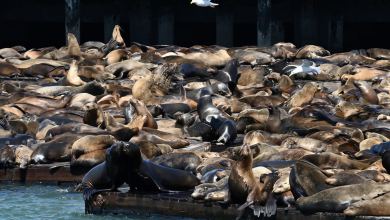
Pier 39’s K-Dock is supposed to hold a few hundred California sea lions and a lot of tourists with phones. In the spring of 2024 it held a census. Harbormaster Sheila Chandor counted about 1,000 animals in late April, the most in roughly 15 years. By May 30 — World Sea Lion Day — the pier’s own tally had gone past 2,000. The peak, in May and June, was more than 2,100. The previous all-time mark was 1,701, set in November 2009, right before that colony vanished around Thanksgiving and left the docks looking like a rumor.
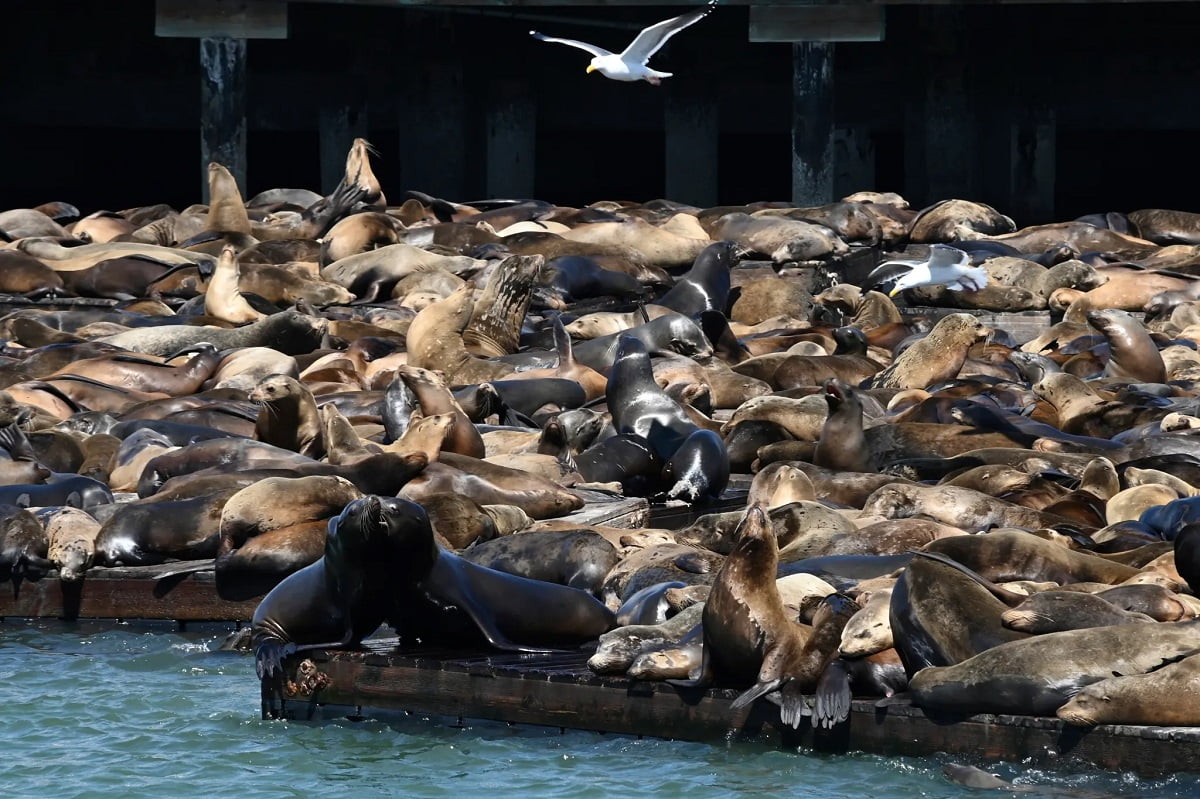
They were not visiting. They were occupying: barking, shoving, and stacking themselves on barges engineered for weight, under the Ferris wheel, in front of a crowd that had come for chowder and got a National Geographic still. “Pretty cool. Never seen this many sea lions in one place before,” tourist Les Oakes told KPIX. He described it as “a bunch of kids vying for a big spot on the couch.”
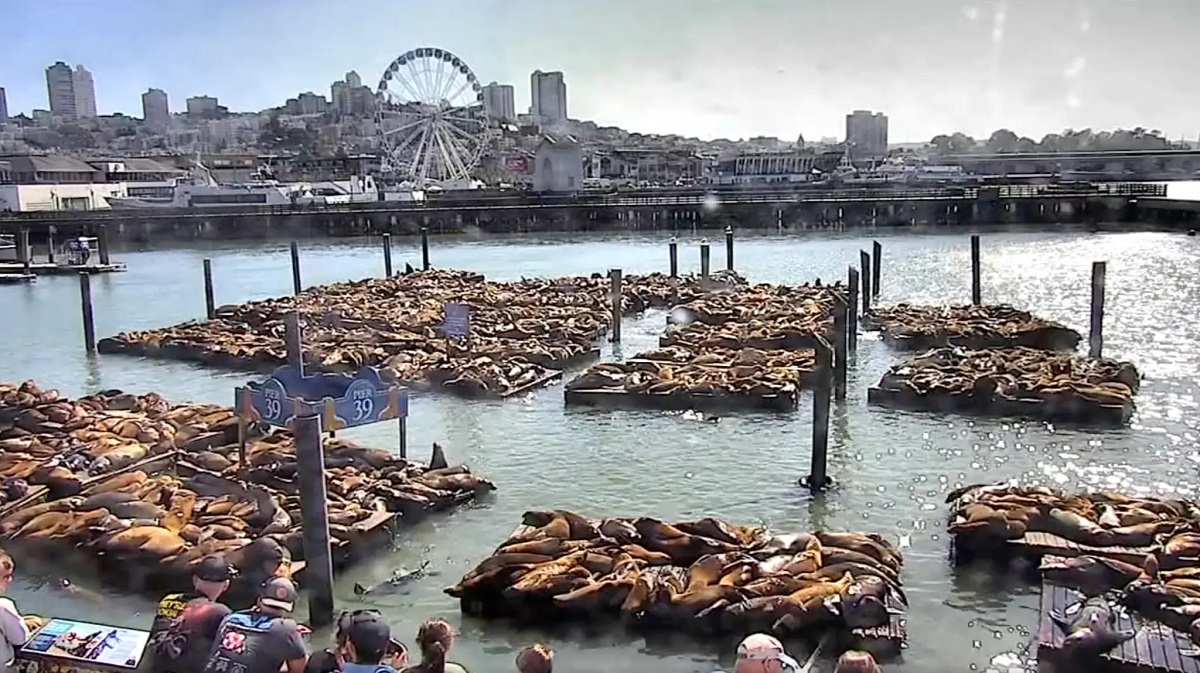
Anchovies Rang the Dinner Bell
The cause was food, not charm. A massive school of anchovies moved in from the Farallon Islands. California sea lions eat them the way people eat fries. Adam Ratner, director of conservation engagement at the Marine Mammal Center in Sausalito, called it “that dinner bell that’s ringing and all the sea lions are coming in enjoying that feast.” They were fattening before the run south to Channel Islands breeding grounds. Chandor, watching the barges sag, said it looked “like a National Geographic photograph right now.”
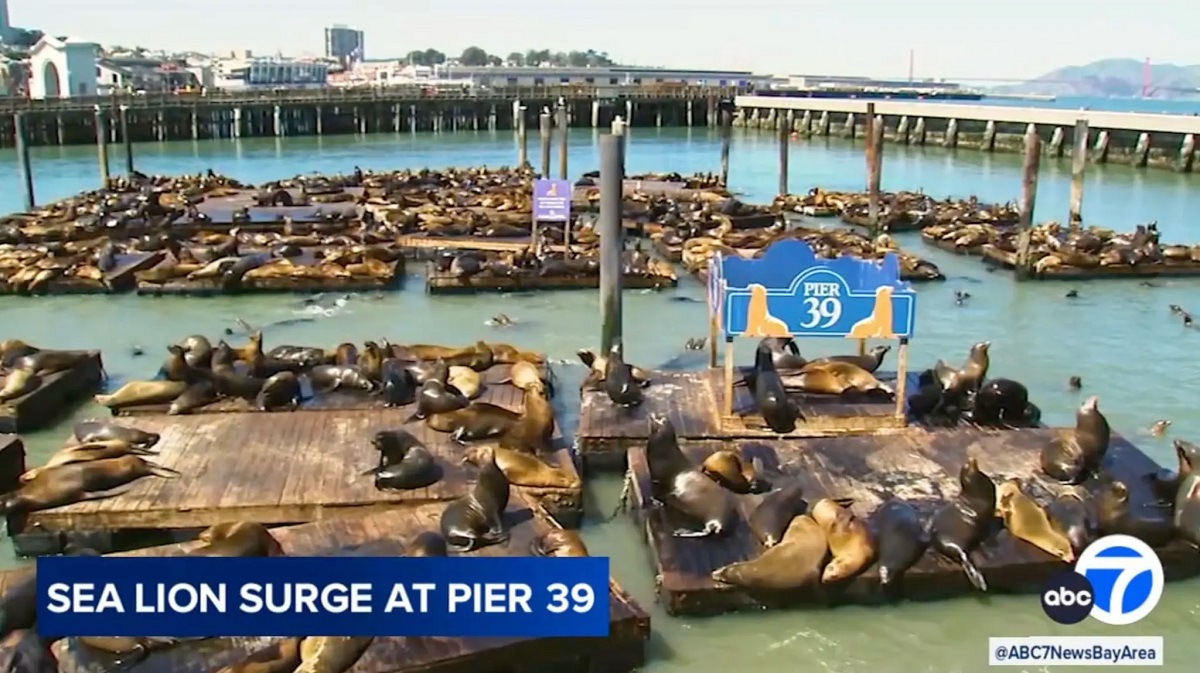
They Arrived After an Earthquake and Never Gave the Dock Back
The colony is an accident with a date. In 1989, boats were pulled from their slips for a remodel. Then the Loma Prieta earthquake hit in October. Sea lions moved onto the empty wood. Business on the waterfront was dead. The animals were not. “They just started to multiply, and they really and truly saved us,” Chandor has said. “We were dead. No one was coming to the city.” The bay still offers fish and a break from white sharks and orcas. The Marine Mammal Protection Act of 1972 makes it illegal to harass them. The Marine Mammal Center’s rule is 50 feet. The 2024 record is what a recovered population looks like when the anchovies cooperate.
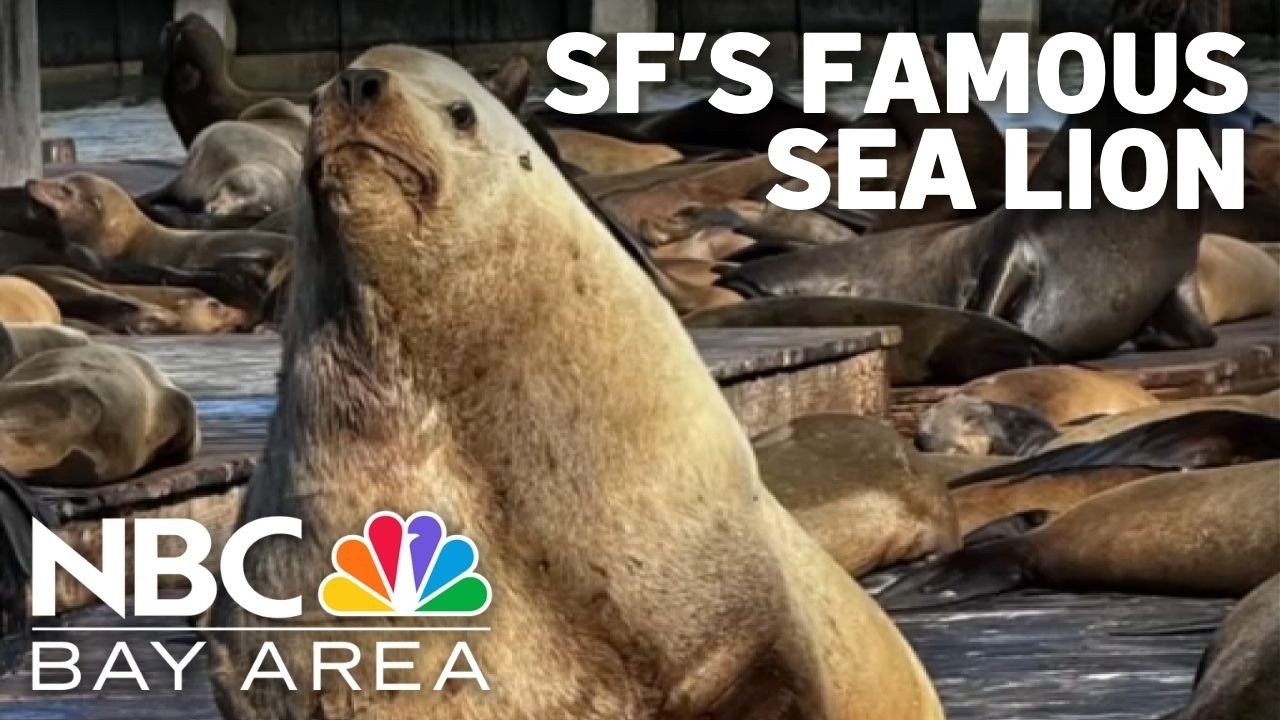
Then Chonkers Sat Down
Two years later the dock got a different headline. On or around March 13, 2026, a Steller sea lion the size of a used car hauled out at K-Dock. Staff and the internet named him Chonkers. Estimates put him around 2,000 pounds. Large California males top out around 800 to 1,000. Stellers can run 11 feet and 2,500 pounds. “He’s literally twice the size of the biggest California sea lion that you can see out there,” Chandor told ABC7. He was not picking fights. Stellers only pass through every few years; the center said the last Pier 39 sighting before him was 2023. Chandor read the stay as a fish report. “The fact that he’s staying this long means that there’s a lot of food source close by. It’s a good sign. It means the bay is healthy.”
The celebrity window closed. The Marine Mammal Center told Discover the animal had not been seen at the dock since May 1, 2026. Reuters photographed the ordinary herd on May 9 and called him missing. Pier 39 still runs a year-round sea lion webcam. Mornings and late afternoons are the honest hours. The 2,100 record from 2024 is still the number on the pier’s own page.
For how marine mammals fare when the story is a carcass instead of a crowd, see The AEGIS Alliance report on a dead dolphin on a Louisiana beach and the older file on a country that banned killer-whale and dolphin breeding. A different kind of water hazard showed up in Florida, where a woman had to kayak a gator-infested shortcut. More of this beat is in Environment and US News.