North Fort Myers, Florida Man Alleges Violent False Arrest and Imprisonment: The Case of Enzo Vincenzi

Introduction
Allegations of police misconduct and wrongful imprisonment sit at the heart of the account given by Enzo Vincenzi, a former North Fort Myers, Florida resident who says he was violently assaulted, falsely arrested, and targeted by what he describes as a campaign of public corruption and defamation. Vincenzi frames his experience as part of a wider pattern rather than an isolated event, tying it to long-running controversy surrounding the Lee County Sheriff’s Office and its leadership under Sheriff Carmine Marceno. This article draws on Vincenzi’s own detailed account, news reporting, legal commentary, and broader questions of police accountability to lay out what he alleges happened, why he says it matters, and how he connects it to larger debates over law enforcement conduct in Florida and beyond.
The Incident: Vincenzi’s Account of Assault and Arrest
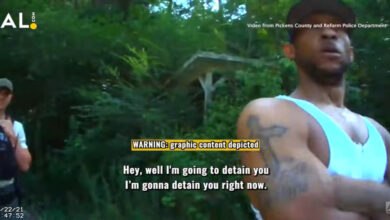
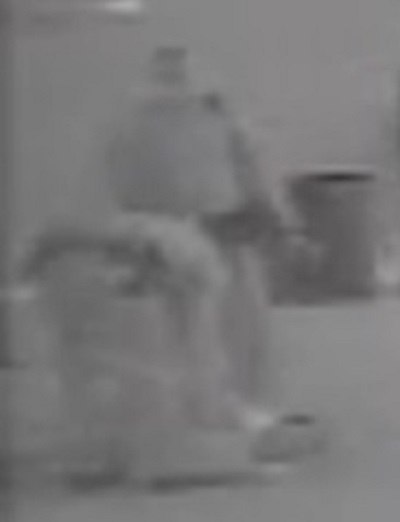
By Vincenzi’s account, the episode began with a confrontation involving Lee County Sheriff’s Deputies Brian Hoyt and Larry Wincelozicz. He alleges that, while he was holding his cellphone, Deputy Hoyt violently assaulted him, knocking the phone onto the hood of a patrol car — a sequence he says was captured on video surveillance. He further claims Hoyt was then seen retrieving the phone and getting into the patrol car, where he allegedly deleted footage of the assault.
“Deputy Brian Hoyt assaulted me by violently hitting me as I was holding the cell phone in my hand causing the cell phone to fly out of my hand… then deputy Brian Hoyt is seen in security cameras video surveillance, picking up the cell phone off the hood of the police car, going inside the police car, erasing the evidence of the assault and violent attack.” – Enzo Vincenzi
Vincenzi also says he sustained 11 puncture wounds across his body from the two deputies’ repeated use of a taser, and that Hoyt and Wincelozicz kept applying force even after he had been subdued and was no longer resisting:
“They refused to arrest me but continued to taser me, I realized they are not trying to arrest me they are trying to murder me by continuing to repeatedly taser me.” – Enzo Vincenzi
According to Vincenzi, once he pulled free of the taser wires the two deputies reacted with alarm, eventually arresting him and putting him in a patrol vehicle with the windows up and the heat running at full blast on a hot, humid June evening — something he alleges was meant to harm him or even cause his death. He further claims that Lee County deputies have killed others in this manner and then recorded on police reports that the victim died of a heart attack.
Aftermath: Hospitalization and Legal Fallout
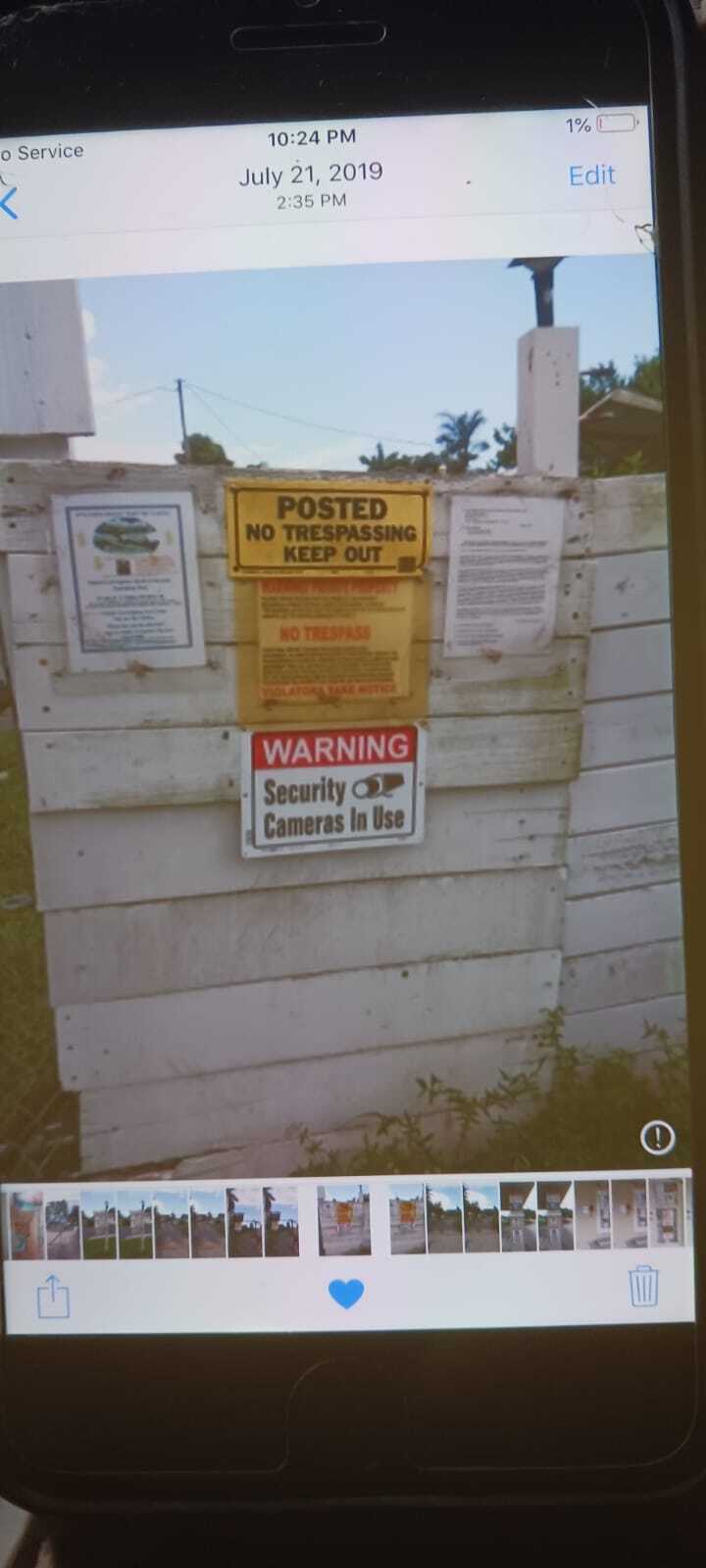
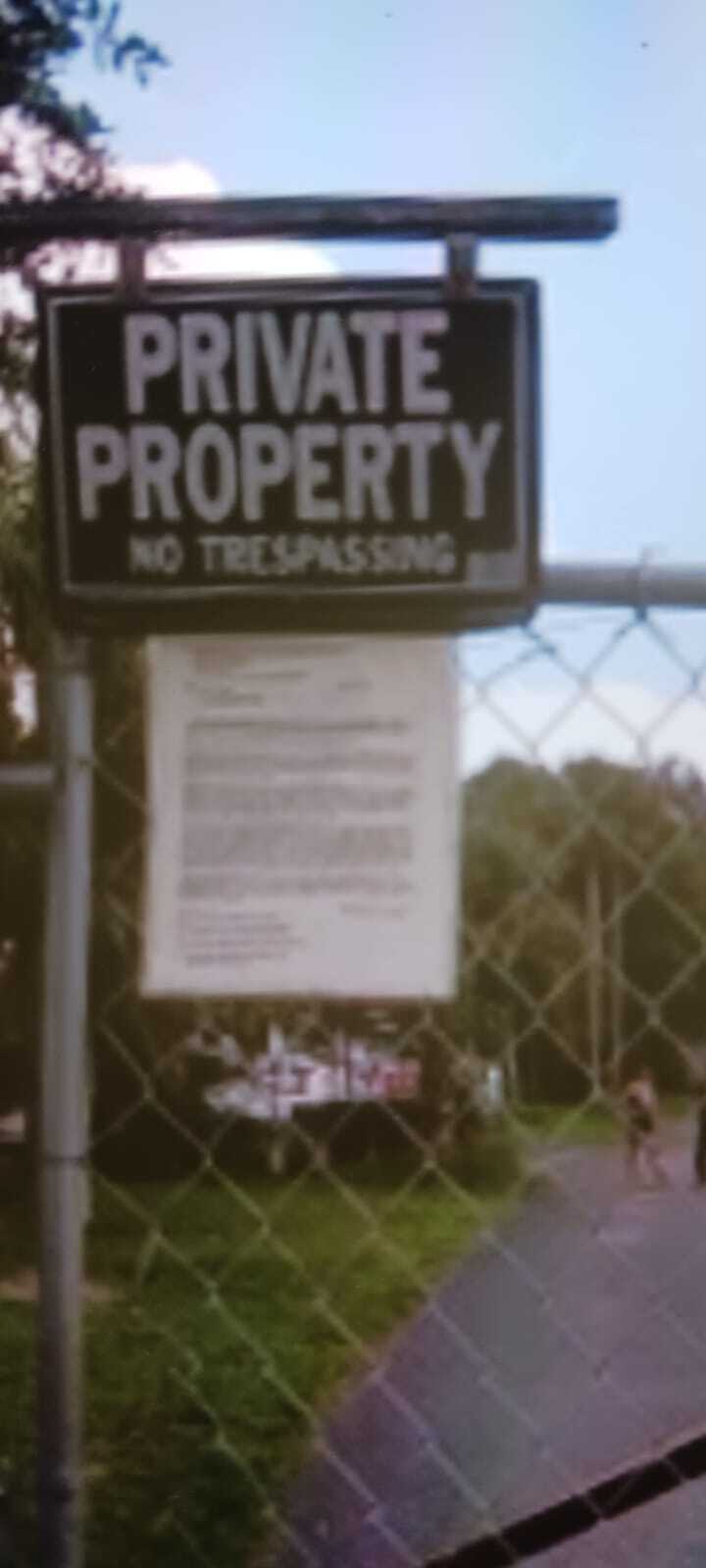
Vincenzi says he was then taken to a Lee County hospital and “Baker Acted” — a reference to the Florida statute permitting the involuntary examination of people deemed a danger to themselves or others. He maintains this was done unlawfully, since the incident took place on posted private property bearing clear “no trespassing” signs.
“All this was illegally done because the property is posted private property, no trespassing signs.” – Enzo Vincenzi
He alleges that false criminal charges — including domestic violence accusations attributed to Miriam Pacheco and Maria Theresa Torres — were used to justify placing him on a government watch list, which he says has affected his ability to travel and led to repeated stops by TSA and Homeland Security officials.
News Investigation and Resignation
The confrontation drew public attention and prompted an internal affairs investigation. According to reporting by The News-Press, the Lee County Sheriff’s Office opened a probe after the June incident involving Deputies Brian Hoyt, Larry Wincelozicz, and Vincenzi. Deputy Hoyt resigned from the department once the investigation concluded.
“A Lee County Sheriff’s Office deputy [Brian Hoyt] who was under an internal affairs investigation following a June confrontation between him and a North Fort Myers man has resigned.” – WINK News
The News-Press additionally reported that the inquiry concluded the deputy [Brian Hoyt] had acted improperly during the incident, with his resignation following shortly afterward [news-press.com, Feb 2020].
“Lee County Sheriff’s deputy [Brian Hoyt] resigns after investigation finds he acted improperly during June incident with North Fort Myers man.” – The News-Press, Feb 2020
The Broader Pattern: Allegations Against Sheriff Carmine Marceno
Vincenzi’s claims reach well past his own arrest. He alleges a pattern of public corruption tied to Sheriff Carmine Marceno, whom he accuses of orchestrating or sustaining false charges, defamation, and threats against his life and property. He notes that scrutiny of Marceno is not unprecedented, pointing to what he describes as a tenure marked by multiple investigations and misconduct accusations.
He cites a video investigation by WINK News and other outlets examining Marceno’s leadership, including the convening of a grand jury to look into his administration [YouTube, WINK News].
“Sheriff Carmine Marceno’s history detailed as Grand Jury convenes.” – WINK News YouTube
The Legal Landscape: Excessive Force and Civil Rights
Vincenzi’s account speaks to a broader national argument over law enforcement’s use of force. Courts and legal scholars have increasingly examined whether officers’ conduct is reasonable under the circumstances, weighing their training, compliance with department policy, and how clear the threat actually was.
A Villanova Law Review article notes:
“In order to meaningfully determine whether a police officer accused of excessive force acted reasonably under the circumstances, courts must consider (1) the officer’s training and the extent to which he adhered to or deviated from that training during the incident in question, (2) the officer’s experience in the law enforcement profession, and (3) the extent to which the officer complied with or violated department rules applicable to his use of force under the circumstances.” – Villanova Law Review, 2020
Qualified immunity frequently protects officers from civil liability, except where conduct lies “so far beyond the hazy border between excessive and acceptable force that [the official] had to know he was violating the Constitution.” (Priester v. City of Riviera Beach, 11th Cir.)
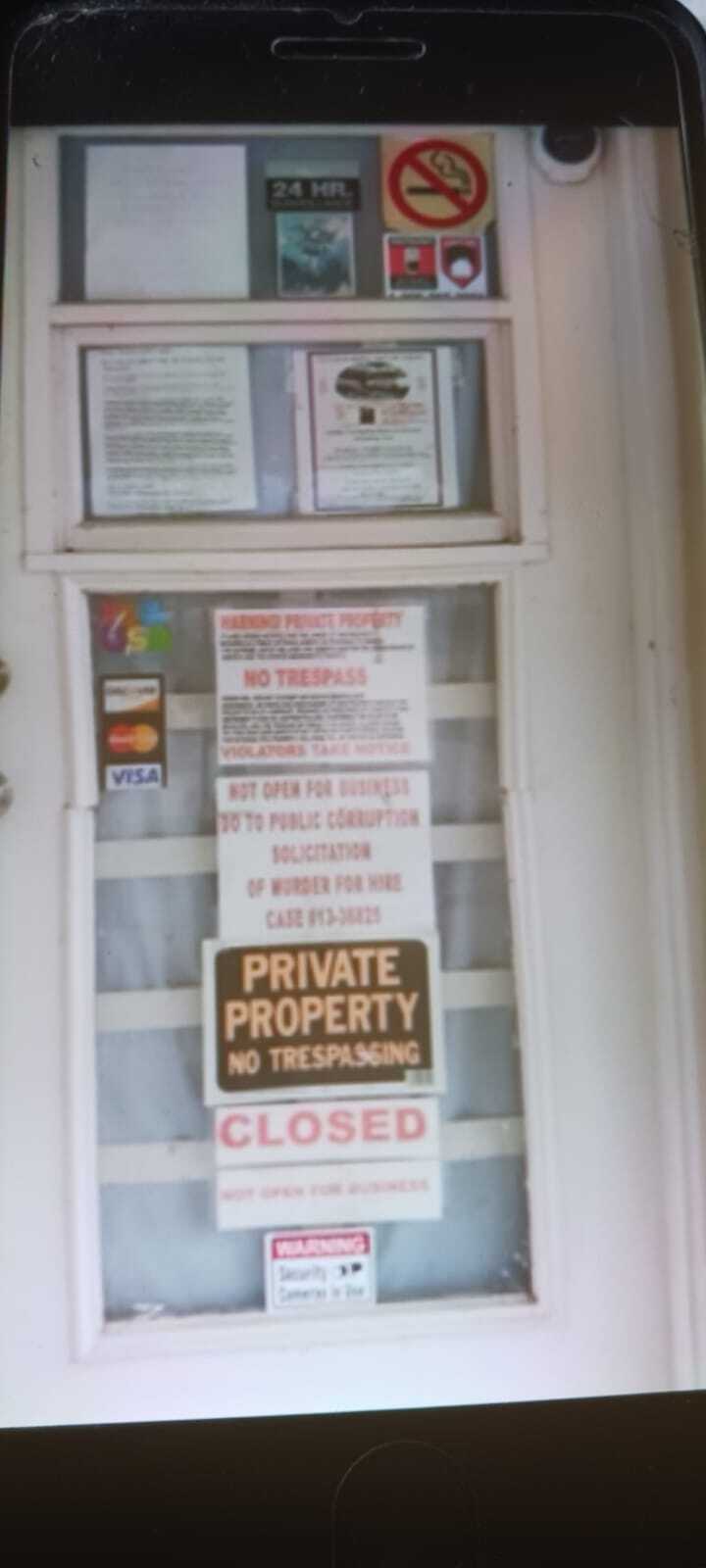
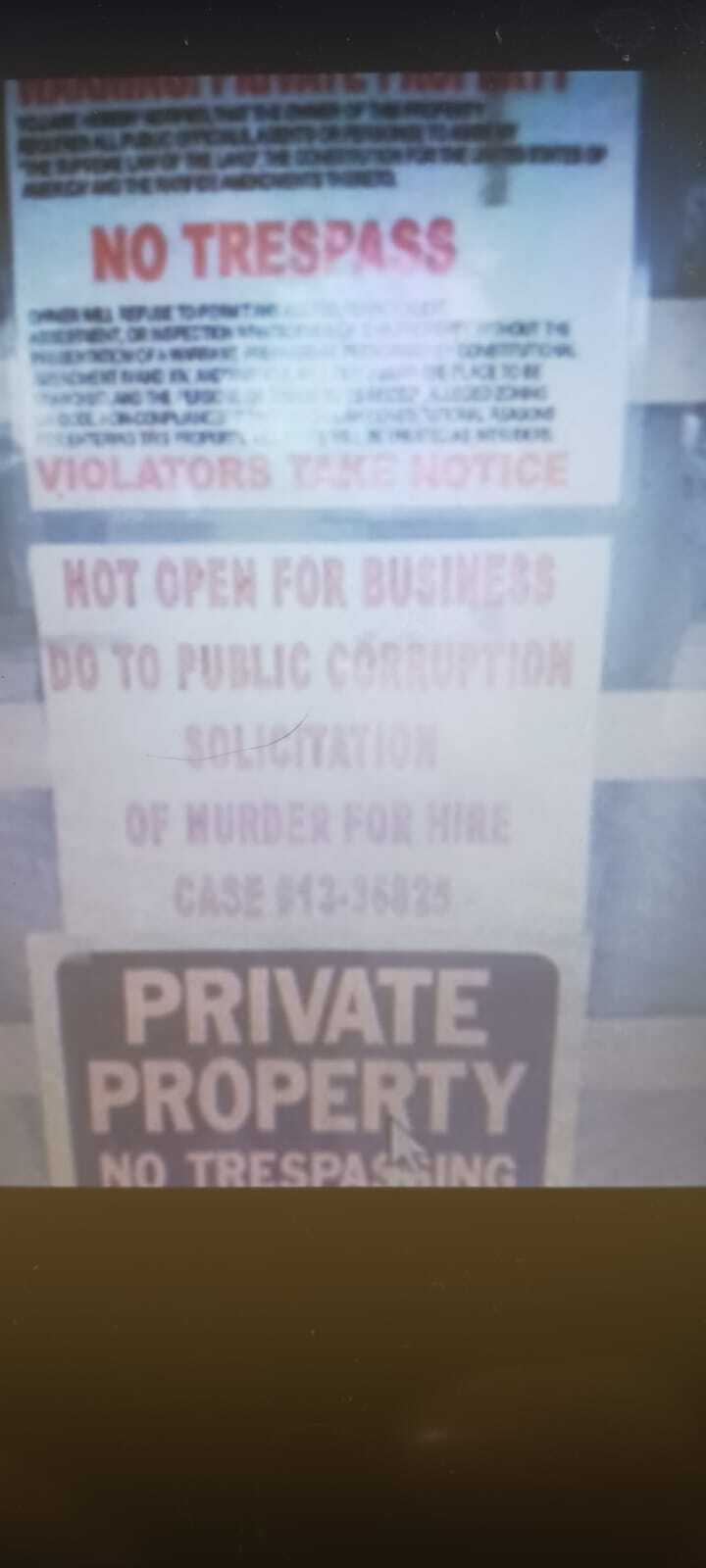
There is a solicitation for murder for hire case in Lee County, Florida, case No. 53-35825 or 53-368325 or 13-368325, the case may have been covered up because we’ve been unable to locate it. Enzo Vincenzi alleges it has continued since he left the United States, and that it followed him to Costa Rica where prominent officials such as former Supreme Court Justice Celso Gamboa Sanchez have recently been arrested and are set to be extradited to the U.S. to be formally federally prosecuted and face trial. Gamboa’s drug trafficking-related crimes include what Enzo Vincenzi has been dealing with in Costa Rica such as attempted property theft of his house and hotel business, two different cases of false domestic violence and false sexual assault charges placed against him to try and get him expelled from the country, murder for hire against him, judges bought and paid for to get results that favor a criminal agenda, and more crimes committed against Vincenzi by corrupt public attorneys, the list goes on.
Hotel property theft case with Vincenzi as the plaintiff in Lee County, Florida, Case No. 08-CA-007214.
Broader Allegations: Real Estate, Corruption, and International Dimensions
Vincenzi maintains that the campaign against him did not stop with the arrest. He alleges continued harassment — including fraudulent liens on his properties, disruption of his business, and defamation that he says followed him abroad, especially to Costa Rica. He says he has documented comparable patterns of corruption and abuse involving other public officials, among them judges and law enforcement figures in both the United States and Costa Rica.
He ties his own situation to what he describes as a wider scheme of real estate theft, public corruption, and murder-for-hire plots aimed at property owners and whistleblowers.
“They have been using the same modus operandi in the United States with the hotel I owned in Lee County, Florida… It’s been going on for many years, just no one has ever been able to expose it with all public courts government records like I have.” – Enzo Vincenzi
National Context: Police Misconduct and Accountability in Florida
The Florida Department of Law Enforcement (FDLE) tracks law enforcement misconduct, including false statements, battery, misuse of public position, and other violations. Between July 2020 and June 2021, the FDLE recorded dozens of violations across the state’s agencies, a number of them involving excessive force or improper conduct [FDLE Summer Quarterly Update 2021].
Community Response and Ongoing Investigations
Cases that gain visibility, like Vincenzi’s, have fueled calls for greater transparency, independent oversight, and reform in policing. Advocacy organizations and some lawmakers have pushed to strengthen legal protections for people alleging wrongful arrest, excessive force, and retaliation.
Media coverage, too, has been central to surfacing such cases and pressing for accountability. As WINK News reported following the internal affairs investigation:
“A Lee County Sheriff’s Office deputy who was under an internal affairs investigation following a June confrontation between him and a North Fort Myers man has resigned.” – WINK News
The Ongoing Impact on Vincenzi
Vincenzi says the fallout from his case continues to weigh on his personal and professional life. He describes repeated scrutiny at airports, financial and reputational damage, and what he characterizes as ongoing threats of both legal and extralegal retaliation.
He also insists his experience is far from unique, contending that many other property owners, businesspeople, and would-be whistleblowers have faced similar tactics of false arrest, property seizure, and intimidation.
Conclusion
Vincenzi’s case raises pointed questions about police accountability, the reach of qualified immunity, and the capacity of public corruption to upend lives and erode trust in institutions. Deputy Hoyt’s resignation and the internal affairs findings point to at least some measure of accountability, while Vincenzi’s wider allegations — including those against Sheriff Carmine Marceno — and their echoes in other high-profile cases suggest, in his telling, unresolved systemic problems in Lee County and beyond.
Amid continuing media attention, legal disputes, and public concern, the full picture of Vincenzi’s experience and what it means for justice in Florida remains contested and unresolved. Should more evidence emerge and additional voices step forward, he argues, the case could yet drive meaningful reform and redress for those who say they were wrongfully arrested and abused by public officials.
Update (June 2026): The Costa Rica Connection and the Marceno Inquiry
Two threads raised in this article have since moved forward. On the international side, the former Costa Rican Supreme Court magistrate and ex-security minister Celso Gamboa Sánchez — referenced above in connection with the corruption Vincenzi says followed him abroad — was no longer merely “set to be extradited.” On March 20, 2026, Costa Rica extradited Gamboa to the United States alongside accused trafficker Edwin Danney López Vega (“Pecho de Rata”) in that country’s first-ever handover of its own nationals, to face international drug-trafficking and conspiracy charges in the U.S. District Court for the Eastern District of Texas. As with any prosecution, those charges are allegations, and both men are presumed innocent unless proven guilty.
Sheriff Marceno’s ethics docket after the federal file closed
The Lee County half of Vincenzi’s account did not freeze when Hoyt resigned. In May 2026 the Florida Commission on Ethics opened an inquiry into Sheriff Carmine Marceno built on allegations that had already traveled through a dropped FBI corruption probe, including a complaint by jeweler Ken Romano about a no-show consulting arrangement and money allegedly routed to the sheriff’s father (Florida Trident). The commission later extended that investigation. In August 2026, WGCU reported Marceno was due in Tallahassee for a hearing on a second ethics case tied to former LCSO commander James Bogliole (WGCU).
An ethics case is not a criminal conviction. It is still a public record that Vincenzi’s broader claim — that Lee County’s sheriff remains under recurring official scrutiny — is not a closed chapter. The June 2019 arrest video stays in this post. So does Deputy Hoyt’s resignation after internal affairs found he misrepresented facts. The new paper is Tallahassee’s, not Opelika’s, and it belongs on the same timeline. The development is detailed in our related report, “The Whistleblower’s Gambit.”
On the local thread, the federal corruption investigation into Lee County Sheriff Carmine Marceno that this article noted — the one a grand jury had examined — was closed without charges. In a letter dated November 17, 2025, the U.S. Attorney’s Office for the Middle District of Florida and the FBI informed Marceno’s attorney that they had closed the matter based on the information then known to the government. Marceno said he had been cleared, called the allegations politically motivated and false, and stated that the agency had cooperated with investigators. Reporting indicates the sheriff subsequently faced a separate inquiry by the Florida Ethics Commission into some of the same underlying allegations. None of these proceedings has resulted in a finding of wrongdoing against Marceno, who has denied all of it.
The closure of the federal probe does not resolve Vincenzi’s own civil and human-rights claims, which remain his account and are separate from the Romano-related allegations that drove the Marceno investigation. Vincenzi maintains his broader allegations of corruption, false arrest, and retaliation, and says his documentation is ongoing. The full picture remains contested.
Update: Marceno Faces a Second Ethics Hearing in Tallahassee
The June 2026 note on this page recorded that the FBI closed its Marceno file in November 2025 and that the Florida Commission on Ethics had opened its own inquiry. That ethics track did not stay still.
On June 5, 2026, the commission voted in executive session to extend its investigation of alleged payments tied to a sheriff’s office consulting contract and the sheriff’s late father, past the ordinary 150-day cap. Separate complaints against five Florida sheriffs — including one filing that accused Marceno of entering inaccurate felony convictions on a criminal-history record — were dismissed the same month as hearsay, without a merits hearing. Marceno has denied wrongdoing in every forum. (Florida Trident, WGCU)
A second ethics case then landed on the calendar. Reporting dated August 26, 2026 said Marceno was due in Tallahassee that Friday for a closed probable-cause session on a complaint built around former LCSO commander James Bogliole and a 2024 whistleblower letter Bogliole sent to the Justice Department. Staff were to tell commissioners whether they saw probable cause against the sheriff or other LCSO employees. The file stays sealed until the commission resolves it. No public finding had been posted when this update was written. (WGCU / Florida Trident, August 26, 2026)
None of that ethics paper replaces Vincenzi’s own account of the 2019 North Fort Myers arrest, the taser use, or the Baker Act hold. Those remain his allegations. The original surveillance videos on this page are unchanged. For the Costa Rica thread that Vincenzi says followed him after he left Lee County, see The Whistleblower’s Gambit and Lee County Sheriff Carmine Marceno Cover-Up of State Attorney Amira Fox’s Forgery.