Katie Phang Beat Todd Blanche on a Preliminary Injunction and Still Has Him on a Contempt Clock

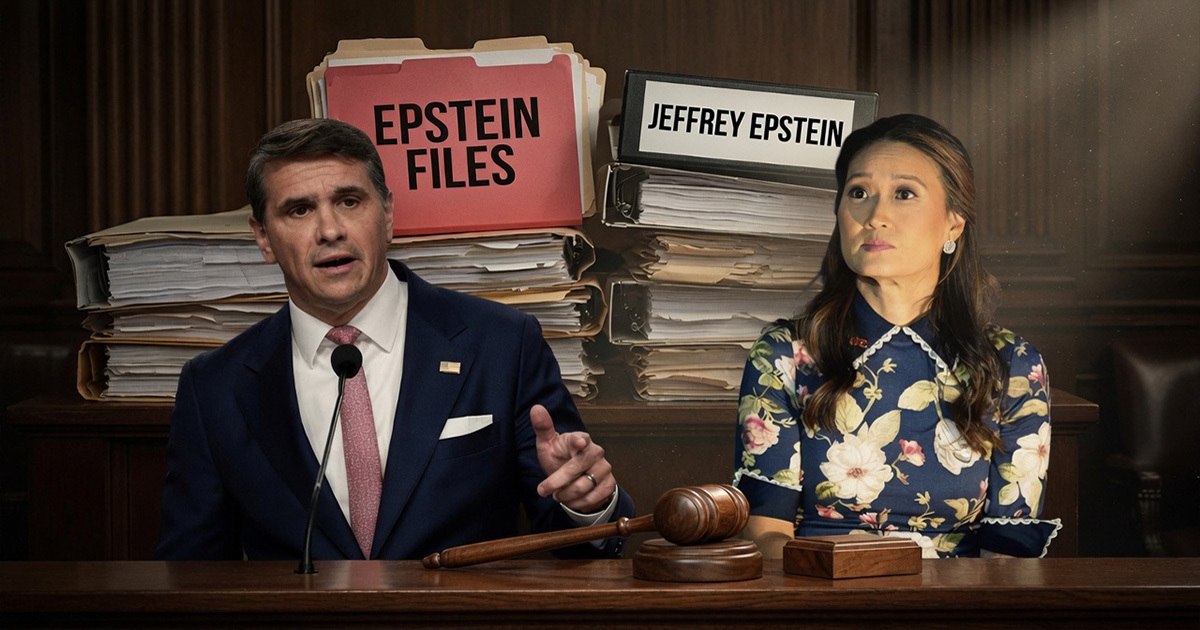
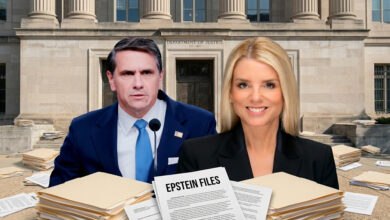
Katie Phang is a former prosecutor, a former cable anchor, and, as of April 27, 2026, the plaintiff in Phang v. Blanche, docket 1:26-cv-01417 in the U.S. District Court for the District of Columbia. She sued the then-acting attorney general for blowing the Epstein Files Transparency Act’s December 19, 2025, deadline. The complaint says the department withheld and over-redacted records that touch Jeffrey Epstein, his associates, and Donald Trump, skipped the redaction log the statute required, and stalled review of foreign-language material. She asked for an injunction, a special master, fees, and a court willing to treat a disclosure law as a law. The AEGIS Alliance is watching the caption because Congress wrote a deadline and then left enforcement to whoever was stubborn enough to file.
On May 28 she moved for a preliminary injunction. On June 25 Senior Judge Emmet G. Sullivan granted it on the Administrative Procedure Act claims, denied the government’s stay, and ordered Todd Blanche either to produce specified records with certain redactions stripped, start the foreign-language work, and publish the log — or show cause why not. Production talk centered first on July 2, then on a July 30 afternoon clock. The Constitutional Accountability Center said the department missed the court again. The Civil Rights Litigation Clearinghouse is the cleanest public spine for the filings. The live question after August 8 is what happens when the defendant’s title changes from acting to confirmed and the paper still does not appear.
A Reporter Doing the Oversight Committees’ Job
House and Senate Democrats have written letters, held transcribed interviews, and watched Blanche take the permanent job. The order sitting on the department is still a suit filed by an independent journalist who now works a YouTube channel instead of a cable desk. Preet Bharara and Joyce Vance had her on their podcast in July to walk through the theory in plain language. Congress wrote a disclosure statute. The executive treated it as optional homework. A district judge became the enforcement mechanism because the statute did not grow enough teeth on its own.
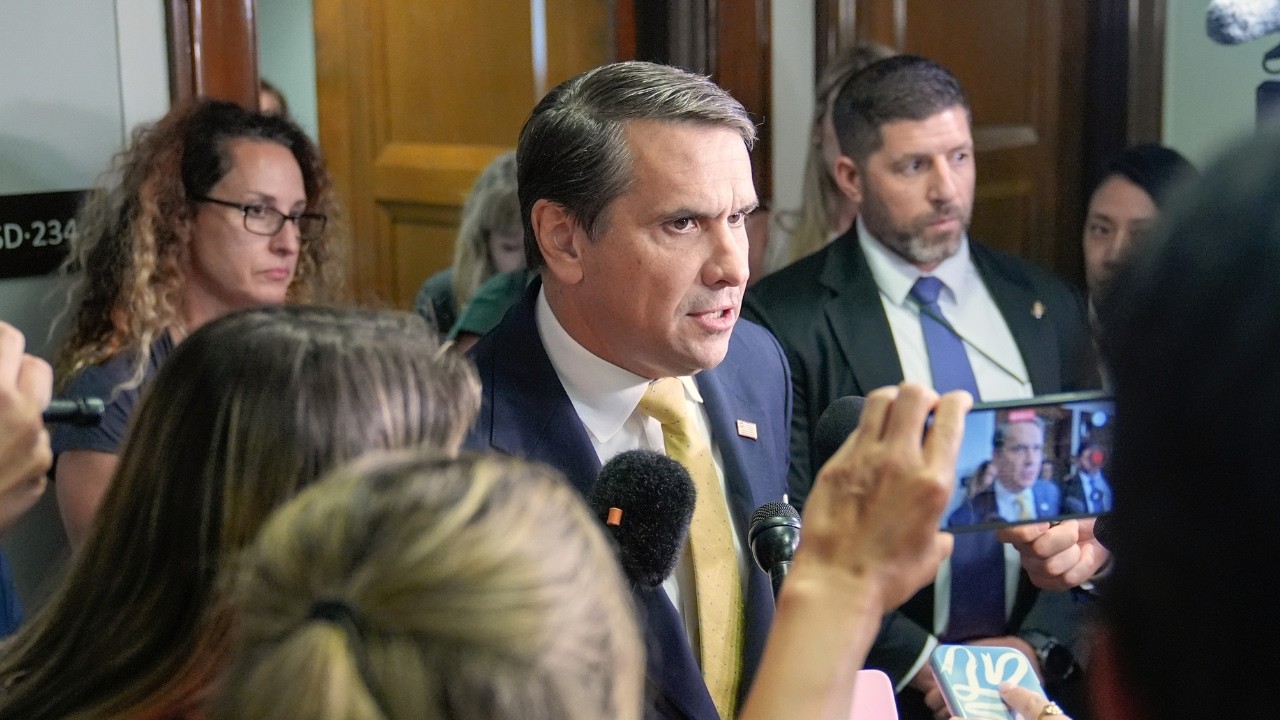
On August 13 Sullivan held a status hearing that, in Phang’s contemporaneous account and in reporting by Joyce Vance and USA Today, left the Justice Department looking unprepared. Andrew Block, a newly minted senior counsel, appeared for the government. Emily Gilman of the Public Integrity Project appeared for Phang. Sullivan reminded the room that he had held the department in contempt before, in the 2009 Ted Stevens prosecution, and that the finding later survived appeal. He said he was not hunting a headline. He also said nobody should be blindsided if the court had to go down that road. Coverage of his later remarks included the line the public has a right to know what the hell is going on. That is more than most of official Washington has managed to say in a complete sentence about the same archive.
Full confirmation context sits in our Blanche confirmation file. The July production clock is in the deadline rewrite. The baseline remains the department’s own earlier admission, documented here by The AEGIS Alliance, that the statutory dump was a sliver. A House Appropriations exchange in early September put the volume fight back on television. Rep. Madeleine Dean pressed the department over pages still unreleased. Blanche answered with a count of pages already posted and a list of privileges. A page count is not a log. A privilege list is not a statute.
What the Injunction Actually Did
Phang has not been handed the whole archive. She has been handed a ruling that the archive’s current shape is likely illegal. Sullivan later made clear he wanted the paper, not a contempt trophy. Phang’s lawyers told him the other side simply does not want to produce. That sentence is the enforcement mechanism Congress failed to build. A preliminary injunction is not a final judgment. It is a finding that the plaintiff is likely to win and that the public interest favors an order now. Sullivan put that finding on the APA claims. Foreign-language review and a published redaction log are not extras. They are how a reader tells a lawful privacy bar from a political one. Skipping them is how a dump becomes a black-bar museum.
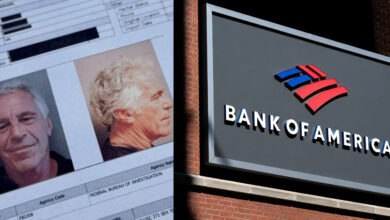
Related money files on this desk — the Bank of America settlement and the UBS wire that touched Maxwell’s New Hampshire hide — show how civil defendants buy quiet. Justice is supposed to do the opposite. Banks paid to close survivor files. The department still will not open the statutory one. That contrast is why Phang’s caption matters more than another Senate letter. A journalist should not have to do the committees’ job. Until the committees grow teeth, she is the tool the statute actually has.
In late July Sullivan ordered unredacted versions of specific documents into chambers so he could decide, privately, whether the government’s withholdings were real. In-camera review is how a court tests a privilege claim without dumping a victim’s address onto the internet. It is also how a department delays a public log while insisting it has already complied. Phang’s own July 21 video walked through a government response that treated his June order as a mistake. That is not how a cabinet officer talks to a statute. It is how a defendant talks to a judge he hopes will get tired. Adjacent files on this desk, including Mark Epstein’s fight over the official death story, keep showing the same habit: the department wants the narrative closed while the paper stays closed.
Contempt Is the Only Clock Left
Confirmation did not moot the case. It changed the nameplate. Sullivan’s August warning about civil contempt is the first sign that missed dates might cost the government something other than a bad headline. Contempt is not a press strategy. It is a court telling a cabinet officer that delay has a price. Whether that price arrives is the next chapter. Phang has said she is tired of a double standard in how legal rules apply to the department that is supposed to enforce them. The docket is the only place that standard can be tested without another round of letters that nobody has to answer.
Readers who want the older spine of this beat can start with the autopsy-file fight and the later black-book dump. Those stories were about what leaked. This one is about what a statute ordered and a department still will not inventory. The AEGIS Alliance will stay on crime news and politics until the log exists and the bars come off, or a higher court says they can stay. A disclosure law that depends on one reporter’s caption is not a disclosure law. It is a dare. Sullivan has now said out loud that he heard it.