DOJ Epstein File Dump Posted a 12-Second CGI Suicide Clip From a 2021 Tip, Then Yanked It


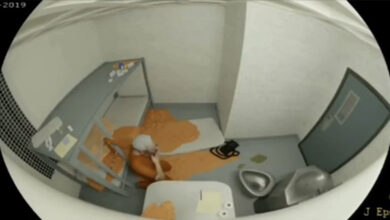
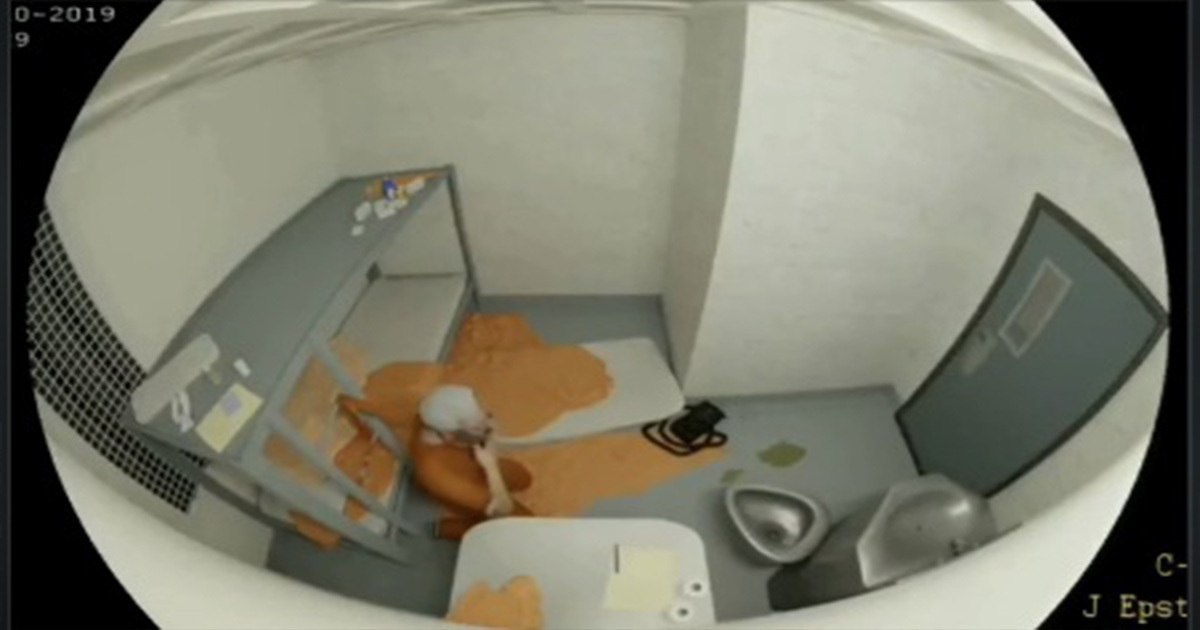
The Justice Department put a 12-second clip on its Epstein portal in December 2025 that looked, to anyone scrolling too fast, like the missing cell-camera tape from August 10, 2019. The file carried a 4:29 a.m. stamp. It showed a figure in a cell. By nightfall the link was dead. A Trump administration official told the New York Post the video was fake and had lived on the internet for years.
The new angle is not “was it real.” It was not. The angle is chain of custody. The animation rode into a congressional dump because a tipster emailed it to the FBI on March 13, 2021. The department then published the attachment next to authentic records, with no label that said recreation. That is how a 4chan-era 3D render becomes, for one afternoon, an official exhibit on justice.gov.
TIME, Wired, and AFP all reached the same mechanical conclusion. The clip matched old YouTube uploads. The PDF sitting in front of it in Data Set 8 was the tip email, not a Bureau of Prisons export.
How a YouTube render got a justice.gov URL
Wired matched the clip to a 2019 YouTube upload described as “rendering 3D graphics.” AFP found a 2020 YouTube version that said it was built in 3D software and then enhanced. Textureless orange blobs sat where a jumpsuit should be. The door did not match Epstein’s cell at the Metropolitan Correctional Center. The PDF in Data Set 8, EFTA00028840, is the 2021 tip email from a sender who wrote that he had been “busting government pedophiles since 1987” and asked investigators whether the attachment was real.
That last clause is the part the portal buried. The FBI was not endorsing the file. A member of the public was asking a question. When Congress later forced a bulk release under the Epstein Files Transparency Act, signed November 19, 2025, the attachment traveled with the question. The department posted both. Viewers saw the moving image first.
Reps. Thomas Massie and Ro Khanna criticized the department for publishing the file without saying what it was. On January 30, 2026, when the department pushed more than 3 million additional pages live — bringing the running total near 3.5 million pages, plus more than 2,000 videos and about 180,000 images — it added a sentence that should have been on the December page: the production “may include fake or falsely submitted images, documents or videos, as everything that was sent to the FBI by the public was included.” Deputy Attorney General Todd Blanche described withholdings for victims and explicit material and said notable politicians were not being protected by name redaction. That is a different problem from posting CGI as if it were a cell camera.
There is still no interior cell tape
Federal prisons do not put cameras inside cells. That is policy, not a glitch. The 2023 Justice Department inspector general review found hallway cameras in the Special Housing Unit and also found that at least some of them were not recording the night Epstein died. That hole, plus a now-famous missing stretch on later-released hallway video, is why a CGI clip can still spike. People are looking for a picture the architecture never allowed.
A separate fight already existed over the hallway file the department called “raw.” Wired and independent forensic examiners reported in 2025 that metadata on a large MCC export pointed to Adobe Premiere and to a composite built from more than one source clip, with roughly three minutes unaccounted for in some analyses. The department presented that file as surveillance. Critics presented it as an edited package. Those two arguments are not settled by a 12-second cartoon from 2019.
Hallway video was used to argue that nobody entered the tier between 10:30 p.m. and 6:30 a.m. Then-Attorney General William Barr called the death a “perfect storm of screw-ups.” Guards Tova Noel and Michael Thomas were charged with falsifying records, admitted they sat about 15 feet from the cell shopping online and appeared to sleep for about two hours, then saw the charges dropped in late 2021 after community service. The AEGIS Alliance has separately argued there is reason to treat the official story as incomplete. A fake render does not close that argument. It also does not replace the missing hallway minutes.
Mark Epstein, Jeffrey’s brother, has kept saying the neck fractures and the camera failures point away from a simple suicide. The AEGIS Alliance covered that line in a later file on his NewsNation appearance. He is an interested witness. He is also the person most motivated to keep the gaps on the table. A YouTube render does not answer him. It just adds noise to the same gap.
What the January dump actually changed
The later release made the authenticity problem official. If the FBI will ingest a 3D YouTube file because someone attached it to a tip, the portal will keep mixing gold and sludge unless every object is tagged. The department’s January 30 statement tried to do that in one paragraph. It also told the public that tips with “no validity” were still being published because the statute swept in what the FBI had received.
That is a records policy, not a verification policy. Readers who want the flight-log side of the same dump should start with The AEGIS Alliance report on the SDNY email counting Trump on Epstein’s jet at least eight times. That document is a prosecutor describing logs. The CGI clip is a member of the public describing a render. Both can live on the same site. Only one of them was ever an investigative work product.
The same December wave included other sludge. A purported 2019 Epstein-to-Larry-Nassar letter drew a department label of fake — wrong handwriting, a postmark after the death, no inmate number. Presence in the portal is not a fact check. The Act forced volume. Volume without labels is how a 12-second animation becomes a cable-news graphic for one night.
Massie and Khanna kept pressing for cleaner, less redacted production and for an explanation of why millions of “potentially responsive” pages were still being held. Blanche said the department complied and that victim identities and child-sexual-abuse material were the lawful reasons to withhold. Those fights will continue. They are not the same fight as the CGI clip. The clip is a solved object. The hallway minutes are not.
A government website is not a verification stamp
In this case it was a forwarding address. The FBI received a question in 2021. Four years later the question’s attachment got a government URL because Congress told the department to empty the boxes. Someone at justice.gov eventually noticed the file was a cartoon and pulled the link. The afternoon in between is the story.
Anyone circulating the 12-second clip as “the missing camera” is circulating a YouTube render. Anyone using that render to close the MCC file is doing the department’s work for it. The cameras that should have been running in the hallway are still the cameras that matter. The AEGIS Alliance will keep the distinction in the record: fake attachment, real gaps, no interior tape.