David Copperfield Ends 25-Year MGM Grand Residency After FBI Memos Describe a Very Close Epstein Relationship


David Copperfield sold tickets at the MGM Grand for a quarter century. On March 5, 2026, the hotel and the magician said the last show would be April 30. He is 69. He has not been charged in the Epstein case. He denies sexual misconduct. His lawyers have spent two years insisting he and Jeffrey Epstein were “at most, acquaintances.” The residency still ended, and it ended in the same news cycle that put FBI memos about him back on the public internet.
That is the angle that does not require a courtroom. A Strip institution treated a document dump as a brand problem and chose an exit date. Whether the files prove a “very close relationship,” the phrase an FBI official used in 2019, is a separate question from whether MGM wanted the name on the marquee through summer. Mike Neubecker, MGM Grand’s president, issued the ritual thank-you. The company did not answer when asked if the Epstein production had anything to do with the calendar change. Automatic refunds went out for seats booked after April 30. The building kept the lights. It did not keep the act.
What the 2026 file dump actually put on paper
The Justice Department’s Epstein production did not invent Copperfield’s name. Unsealed civil records had already placed him in Epstein’s orbit. What the 2026 dump added was the federal investigators talking to each other. A December 12, 2007, FBI memo from Seattle agents told Miami counterparts that the connection between Copperfield and Epstein needed more work “to determine if they both shared a predilection for minors” and “if they engaged in referring possible victims to each other.” The memo flagged women on what agents described as Copperfield’s “business list,” a compilation of females he targeted, with notations that two of them were “Jeff Epstein guest” and that one was “not loyal, doesn’t play the game.”
A later 2019 email from an FBI official, written after Epstein died in a Manhattan jail cell, was blunter. The Copperfield investigation, the official wrote, “showed that Copperfield trained his employees to identify young females (teens to early twenties) in the audience of his shows.” The women were “separated from their boyfriends, families and husbands and brought backstage.” Employees had a notebook that told them how to deliver women. Copperfield kept his own notebook with contact information, whether he had sex with them, and a photograph. “I don’t know if any of his victims were underage,” the official added. “There were allegations that he drugged some of the females. I recall Epstein’s name coming up in our investigation a number of times and Copperfield appeared to have a very close relationship with Epstein.”
The Guardian printed those lines. Los Angeles Magazine dated the MGM notice. In April, CNN went back through the same production and found photos and messages tying Epstein to both Copperfield and David Blaine. Appearance in a PDF is not an indictment. It is also not a magic trick. Federal agents wrote those sentences while they still had badges.
The older case the new files dragged forward
The FBI investigated Copperfield from 2007 to 2009 after a woman said he raped her following a show, a trip, and an invitation to his private island in the Bahamas. He was never charged. He told Oprah Winfrey he was the victim in that story. Agents later recorded a sour assessment of why the case died: a U.S. attorney’s office they described as “weak and intimidated by the financial resources of Copperfield,” plus fights over the complainant and jurisdiction. That is not a jury finding. It is how the investigators remembered the ending.
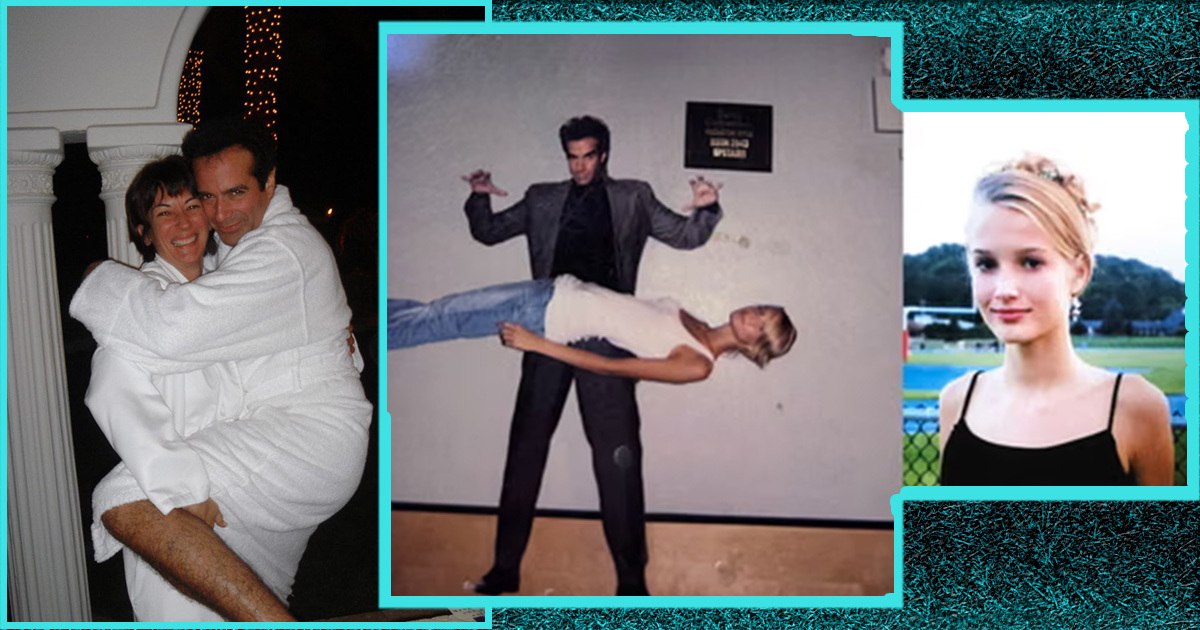
Johanna Sjoberg’s name sits in the collage that still leads this page for a reason. In the Ghislaine Maxwell trial record she described a gathering at Epstein’s house where Copperfield asked if she was eighteen and asked to see her breasts. She said she was twenty-two. Copperfield has denied sexual misconduct. His lawyers told the Guardian in 2024 that calling him Epstein’s friend was “totally false and a mischaracterization made by the media.” They said the two men met on a “handful” of occasions. Complimentary tickets for Epstein and his guests at the MGM Grand Hollywood Theater, documented in the Seattle memo, are not a handful of coincidences. They are a guest list.
On September 1, 2026, outgoing Republican Rep. Thomas Massie stood on the House floor and named Copperfield and financier Leon Black as men the Justice Department should treat as Epstein co-conspirators. Lawyers for the magician did not answer. Massie has no charging authority. He does have a microphone and a stack of the same memos the rest of the country can now read. The AEGIS Alliance will treat a charge, if one arrives, as a new story. This story is a marquee coming down after a PDF.
Why a hotel ends a 25-year act
Vegas residencies die for ordinary reasons. Ticket sales sag. The performer gets bored. The room needs a residency that photographs younger. Copperfield announced “the largest project he had ever tackled” as the next chapter, which is the sentence every departing headliner uses when the building has already decided. MGM’s public language was gratitude. MGM’s private language, if it exists, has not been produced. What is public is sequence. The files landed. The portrait came off the building, according to local gossip that had been predicting an ouster for years. The last date was set. Refunds processed.
A casino does not need a conviction to protect a brand. It needs a reason to stop printing a name next to families on holiday. “Teens to early twenties” in an FBI email is that reason whether or not a prosecutor ever signs an information. The same dump that carried those emails also swallowed CGI jail clips and forged letters, which is why readers should hold this file next to The AEGIS Alliance reporting on the fake cell video and the SDNY flight-log letter. One object in the portal is a prosecutor’s memo. Another is a tipster’s attachment. The Copperfield pages are the first kind.
What the paper does not do
It does not prove Copperfield trafficked children with Epstein. It does not prove the Bahamas rape allegation. It does not convert Massie’s floor speech into an indictment. It does show that agents in two field offices thought the two men shared more than a dinner seating chart, that Copperfield’s staff had a written system for peeling young women out of an audience, and that Epstein’s name kept surfacing inside that investigation. Those are facts about a federal file. They are not facts about a jury form.
The AEGIS Alliance crime desk has watched this pattern through the banking cases as well. Leon Black’s transfers sit in the Bank of America survivors settlement. Ghislaine Maxwell’s hideout sits in the UBS Bradford wire. Copperfield sits in the entertainment column of the same network: access, young women, complimentary tickets, and a legal team that has spent years shrinking “very close” back to “handful.” The hotel chose not to wait for the shrinking to finish.
April 30 came and went. The room went dark on that act. The memos did not. Anyone who wants the wider Epstein production fight can start with the files-act math and keep reading. The magician promised a larger project. The documents already delivered one. It is a stack of federal emails that a Las Vegas casino decided it could no longer sell tickets against.