Colossal Woolly Mice Validated a Coat-Gene Pipeline While the Mammoth Calf Timeline Slipped Into the 2030s


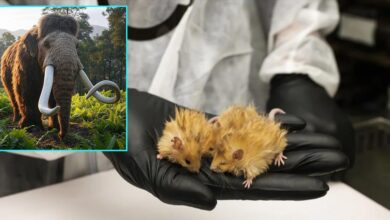
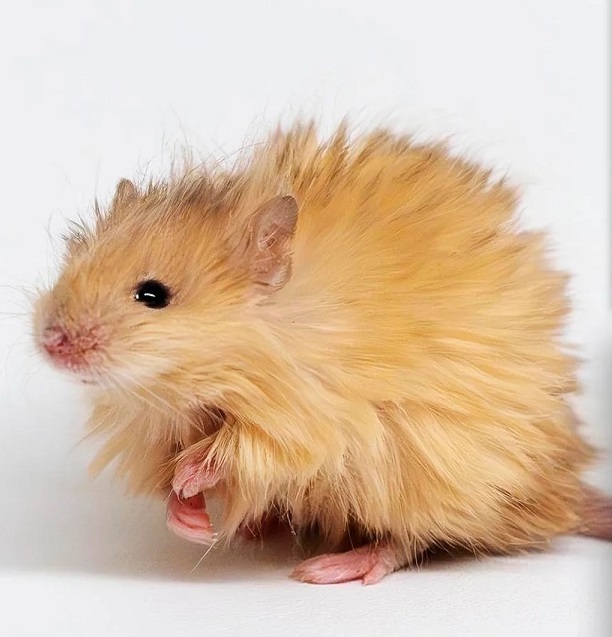
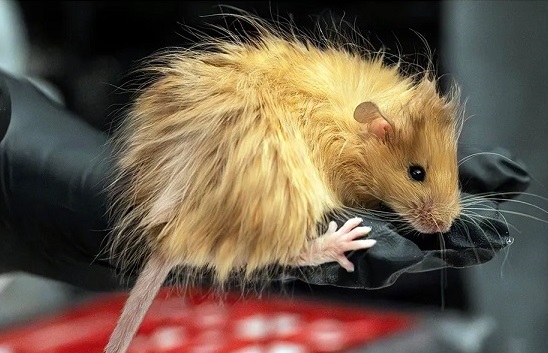
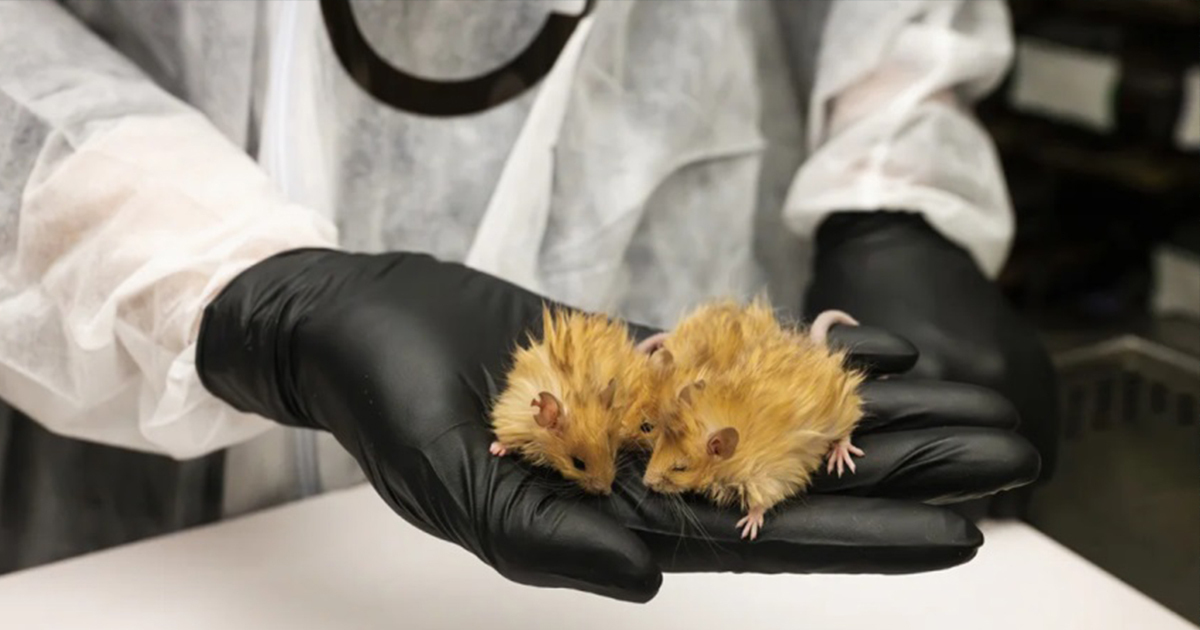
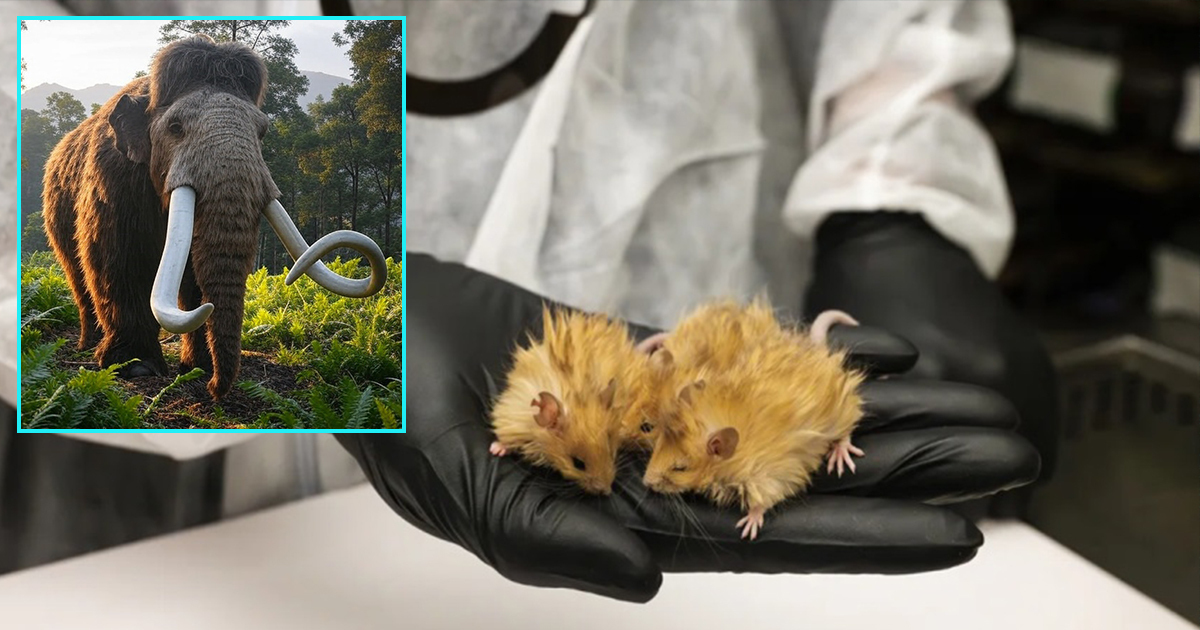
The first two animals that mattered in this story were not mammoths. They were mice named Chip and Dale. Colossal Biosciences, the Dallas company that sells de-extinction as a product line, edited seven genes in laboratory mice so the pups grew long, dirty-blond coats and a colder-climate fat profile. The first litter arrived in October 2024. The public announcement landed in March 2025. Company materials later put the brood at 38 animals. The mice bred. The coat held. In March 2026, NPR cameras were in the lab when handlers pulled the cover off the cage.
CEO Ben Lamm has been unusually honest about what the mouse is not. “The woolly mouse project doesn’t bring us any closer to a mammoth, but it does validate the work we are doing on the path to a mammoth.” What it validated is speed. A mouse generation takes weeks. An Asian elephant pregnancy runs about 22 months, and an elephant generation takes the better part of two decades. If you want to know whether a coat gene fires, you do not start with a surrogate that costs as much as a house.
That was the point of the 2025 reveal. The point of 2026 is that the calendar behind the reveal slipped.
Seven Genes, Then a Hundred More
Chief scientist Beth Shapiro has stressed that nobody pipetted mammoth tissue into a rodent. The team lined up mammoth DNA from permafrost remains against Asian elephant DNA, found places where a meaningful change in the extinct animal mapped onto a mouse gene, and edited several of those targets at once. Some of the variants already exist in living mice. Combining them in one animal is the trick.
Lamm framed it as recreating “complex genetic combinations that took nature millions of years to create.” That sentence is a fundraising sentence. The scientific sentence is smaller: multiplex CRISPR can stack coat and metabolism edits without immediately killing the host.
The gene list on the elephant side did not stay small. Early Colossal briefings talked about roughly 60 to 65 edits in an Asian elephant genome. Later counts drifted toward 85, then toward 150, covering coat, fat, ear size, tail length, sebaceous glands, and broader cold tolerance. In an August 2026 TIME account, Lamm described the work as “a little weird and Frankensteiny” and said the animal at the end of the pipeline would be “a better product” because of the deeper analysis. He also moved the birth window. The company that once sold 2027, then the end of 2028, was talking about the early 2030s. “Not 2036, but not 2030 either,” he said.
That is not a rounding error. It is the difference between a calf that arrives while the original pitch deck is still in circulation and a calf that arrives after another election cycle, another funding round, and another round of mice.
The Dire-Wolf Detour and the Promised Pig
In April 2025 Colossal unveiled animals it called dire-wolf pups and talked up cloned red wolves. The sequence made the mouse look like a footnote and the mammoth look like a brand extension. Independent geneticists spent the year arguing that a reconstructed canid with selected traits is not a recovered Pleistocene predator, just as a cold-adapted Asian elephant would not be a recovered mammoth. Colossal’s answer has been consistent: the product is the phenotype, not a frozen carcass thawed in a lab.
The company has also promised a woolly pig, a larger mammal that would let researchers test hair and gland edits without waiting on an elephant. TIME reported the pig as forthcoming with no date attached. Until that animal exists in public, the living proof of the coat pipeline remains a rodent that fits in a gloved hand.
Colossal is chasing the thylacine, the dodo, and the moa on more than $200 million from a celebrity investor list that has included Tom Brady, Tiger Woods, Paris Hilton, and Peter Jackson. Harvard geneticist George Church remains the scientific face of the mammoth brief. Church told interviewers years ago that a calf in about six years was aggressive. The six years expired. The mice arrived on time. The calf did not.
The Climate Slide in the Pitch Deck
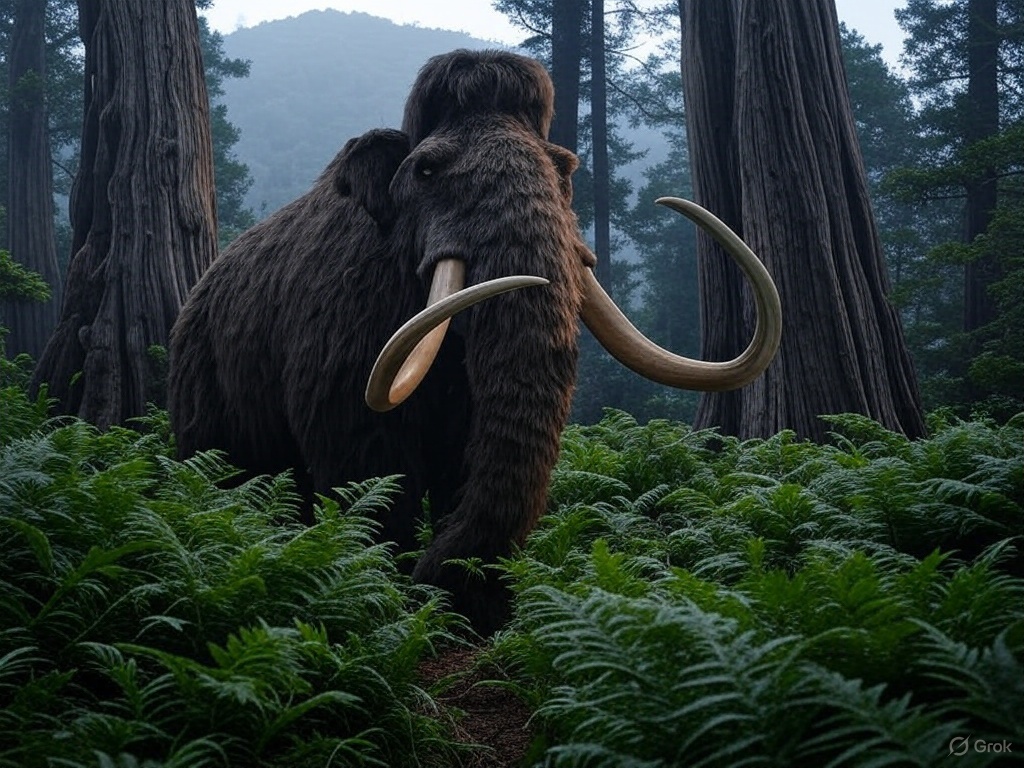
Colossal’s environmental argument is that a heavy, cold-proof grazer would knock down trees, compact snow, and keep Arctic permafrost frozen. Pleistocene Park in Siberia has spent decades trying a low-tech version of that idea with living herbivores. The hypothesis is not crazy. It is also not a deliverable. Independent scientists have spent a year saying both the ecology and the calendar are optimistic. Reintroducing a handful of engineered elephants into a thawing landscape is not the same experiment as a mammoth steppe that no longer exists.
There is a second problem the marketing deck treats lightly. Asian elephants are endangered. Using them as surrogates for a publicity calf puts a scarce living species in service of an extinct one. Colossal has talked about artificial-womb work to take pressure off those surrogates. Talk is not a uterus. Until that hardware works at elephant scale, the plan still runs through a pregnant elephant.
The AEGIS Alliance has covered other labs that sell a future that outruns the organism, including work on farming concepts aimed at Mars and older files on scientists stretching what “life” is supposed to mean. Ambition is not the scandal. Treating a scheduled birth as a birth is.
What the Mice Actually Proved
Chip and Dale, and the dozens of pups that followed, proved that a stacked coat-and-fat edit can be born, weaned, and passed on. That is a real result. It is also a result you can get without ever touching an elephant. Colossal needed the mouse because investors understand a photograph. A spreadsheet of candidate alleles does not trend. A blond rodent does.
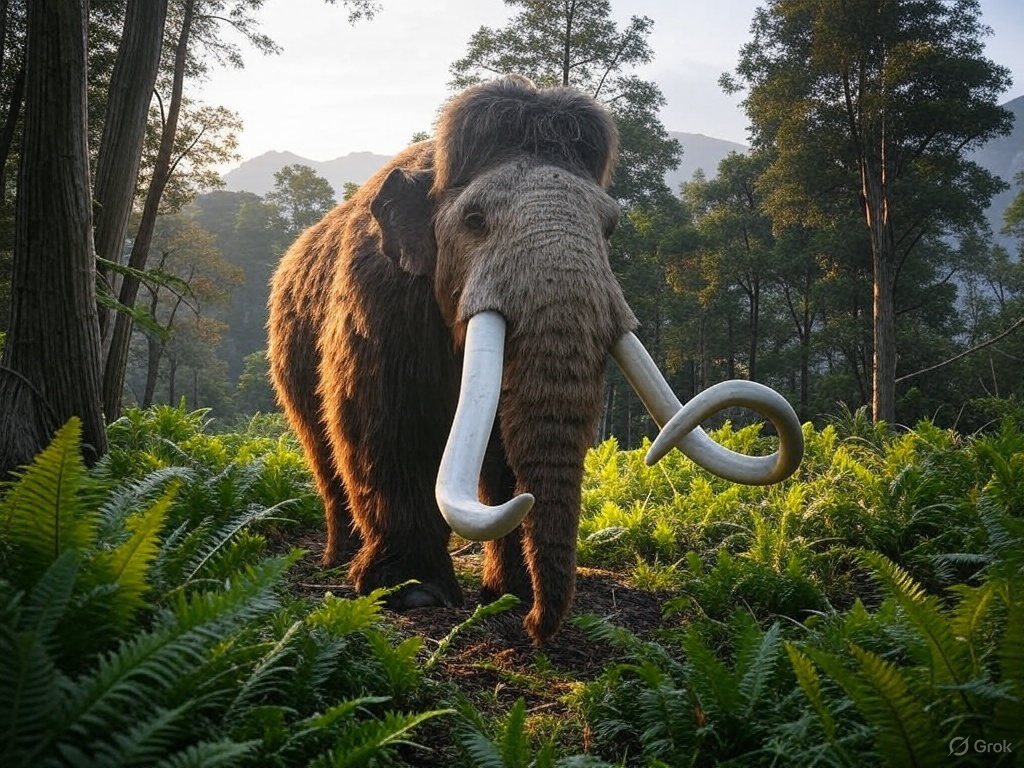
The honest product description has not changed even as the date has. The animal at the end of this pipeline, if it is born, will be an Asian elephant rewritten to look and metabolize more like a mammoth. It will not be a recovered corpse. It will not restore a vanished ecosystem by existing. It will test whether a company can keep a large engineered mammal alive long enough to call the press.
The AEGIS Alliance will treat a calf as news when it is born, not when it is scheduled. Until then the living result of this program is a shaggy mouse that proves a coat gene can be stacked, and a timeline that has already walked from 2027 to the early 2030s. That is not nothing. It is also not a mammoth.









There be at least 4 movies that show this is a bad idea and will not end well 💀
Var rädd om de djur som finns idag istället.
Down this road lays extinction, aye