Iran Foreign Minister Accuses Mossad of Staging Protest Killings While Independent Tallies Put the Crackdown Death Toll in the Thousands


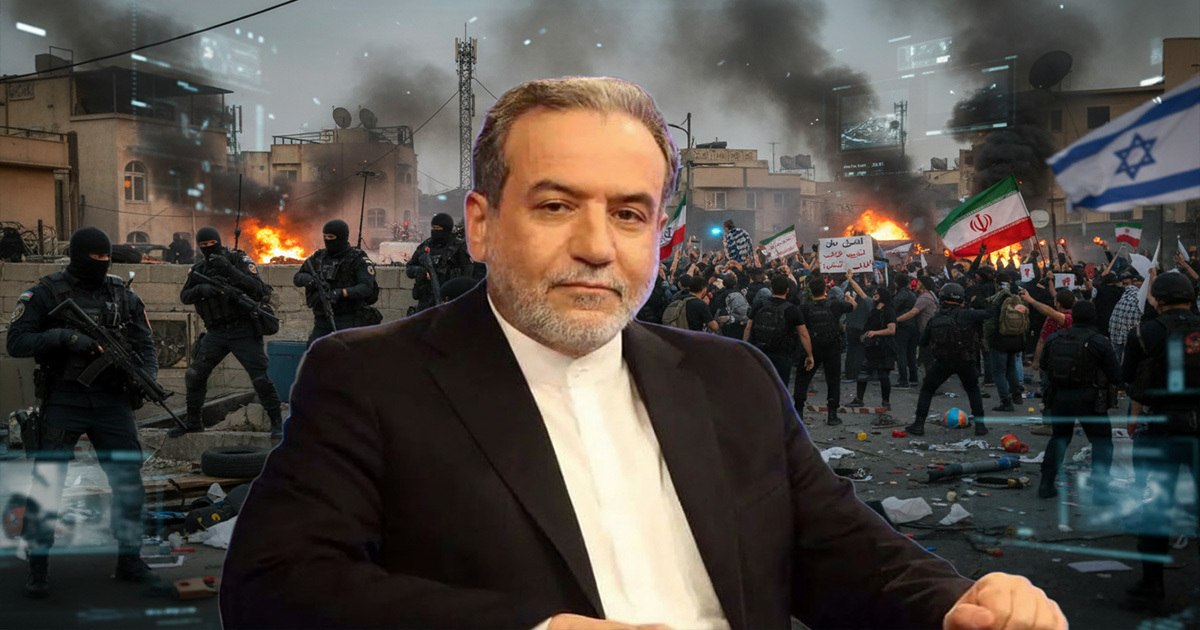
Abbas Araghchi needed an external author for blood in Iranian streets. In the second week of January 2026, Iran’s foreign minister pointed at Israel’s Mossad and at a New Year social post by former CIA director and former secretary of state Mike Pompeo. Pompeo had written a greeting to every Iranian in the streets and, in the same breath, to every Mossad agent walking beside them. Araghchi treated the joke as a confession. The claim that followed was that some of the deadly incidents in the unrest were not only a domestic revolt. They were, in his telling, a foreign intelligence job designed to manufacture corpses and pull the United States into a wider war.
Governments under protest always reach for a foreign hand. Sometimes the hand is real. Sometimes it is a press conference. Araghchi did not publish intercepts, unit designations, or a forensic brief that a second capital could check. He published a narrative while independent tallies of the crackdown climbed through the thousands and while the state’s own interior ministry eventually admitted more than three thousand dead. The AEGIS Alliance covers this file as two stories that officials keep trying to glue together: a massacre of civilians by Iranian security forces, and an attribution war that treats Israel’s long record of covert operations as a blanket excuse for every body in the street.
What can be said without Tehran’s exhibits
Israel and Iran are in a long shadow war. That fact does not authenticate every attribution. Mossad has a documented record of operations on Iranian soil, from nuclear scientists to sabotage. Iranian security services have a documented record of killing protesters and then blaming spies. Both records can be true in the same month. The useful habit is to separate three stacks: the protest itself, the state’s body count, and the intelligence claim. Stack two does not need stack three to be a crime against civilians. Stack three needs evidence that has not been put on a table.
The protests that began in late December 2025 were not a single downtown sit-in. They spread through cities after years of wage collapse, water failure, and the aftertaste of earlier crackdowns. The state cut the internet. It imported allied militias. It filled streets with live fire. By mid-January, the U.S.-based Human Rights Activists News Agency had verified thousands of deaths and was still working a second pile of names. Iran International and other exile desks put the blackout-period killing even higher, in some counts between twelve thousand and twenty thousand. On January 21, state television offered the government’s first official number: 3,117 dead, with 2,427 of them described as civilians and security forces mixed together. That is not a rounding error. It is a regime admitting a slaughter while arguing about the author.
Araghchi’s January interviews followed a script. To Al Jazeera he said the internet was cut only after “terrorist operations” and orders from outside the country. To Fox News he called the casualty pictures an Israeli plot meant to create a large number of dead and force Washington’s hand. To diplomats in Tehran he later said the situation was “under total control” while the government staged counter-rallies. Control, in that vocabulary, means the shooting worked well enough to put regime crowds back on camera. It does not mean the dead were Mossad officers.
Israel’s habit and Iran’s habit
Readers of The AEGIS Alliance already know the other side of this shadow file. Iranian-linked hackers have spent years targeting Israeli officials; that record is in the Handala threats against Netanyahu’s aircraft and the later claim of a breach of the prime minister’s chief of staff. Those operations do not wash the blood off Iranian pavement. They show a two-way covert war that both capitals narrate as self-defense.
Israel’s conduct in Gaza is the moral context Tehran tries to steal. The AEGIS Alliance has treated Israel’s campaign there as a live slaughter, not a slogan, in reporting on catastrophic conditions under so-called renewed aid, on gunfire at a U.S.-backed aid site, and on the ban that ordered humanitarian groups out of the strip. A state that starves a civilian population and then lectures the world about terrorism is not a reliable narrator when it comments on another state’s streets. That sentence cuts both directions. Iran’s foreign minister does not become a human-rights witness because Israel is committing atrocities in Gaza. Israel does not become innocent of those atrocities because Iran’s clerics are shooting their own people.
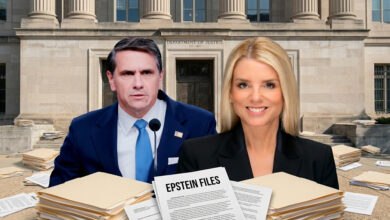
Pompeo’s post was cheap. It was also useful to a ministry that needed an English-language exhibit. Former U.S. officials have spent years cheering unrest in Iran without having to live under the response. That cheerleading is not the same thing as a Mossad wet team on Enghelab Street. Conflating the two is the job of a diplomat in a corner. The job of a newsroom is to refuse the conflation.
Death tolls, blackouts, and the apology that changed nothing
By February 2026 HRANA had published a named list that put verified deaths above seven thousand, including hundreds of minors in some tallies, with more than eleven thousand additional reports still under review. President Masoud Pezeshkian offered a public apology for the massacres. Apologies from that office have a short half-life. Families still could not get bodies. Trials of protesters continued. In later months rights monitors kept counting executions tied to the same wave. A United Nations readout from a September meeting with Iranian officials in Bishkek managed to discuss regional conflict without mentioning the crackdown. That omission is how international institutions metabolize a killing they do not want on the agenda.
None of those later numbers require Mossad to be true. They require rifles, a blackout, and a judiciary that treats dissent as war. When Araghchi says “orders were coming from outside the country,” he is asking listeners to ignore the simpler supply chain: the state’s own security organs, the imported militias, and the decision to treat a wage protest as an invasion. The AEGIS Alliance’s international and politics desks will keep those organs on the page.
How to read an intelligence accusation in a massacre week
There is a method for this kind of story. First, write down what is proven without the spy novel: dates of protest, locations of mass shooting, names of the dead when they exist, the internet cutoff, the official death number, the independent death number. Second, write down what the accused foreign service has actually done in the past, with dates and sources, not vibes. Third, write down what the accuser failed to produce. Araghchi failed to produce a public forensic brief. Israel failed to produce a public denial that treated Iranian civilians as anything other than a pressure point on the clerical system. The United States failed to produce a policy that was not a threat and a slogan.
False-flag language travels fast because it is easy. The AEGIS Alliance has used that language only when the underlying record supported it, as in coverage of alleged Israeli planning to pin an attack on Iran. A tweet from Mike Pompeo is not that record. A foreign minister pointing at the tweet while his own interior ministry counts three thousand dead is not that record either. It is a man changing the subject.
Iranian civilians who walked into the street in December and January were not extras in someone else’s operation. They were people who decided the price of silence had gotten higher than the price of a riot gun. The state answered with a massacre and a press tour. Mossad may have had collectors in that crowd. Collectors do not explain a death toll that independent counters put in the thousands and that the government itself stopped trying to hide. The accusation will stay in the speech. The bodies stay in the morgue. Only one of those facts requires a source more serious than a New Year post.