A Corruption Nexus Exposed: U.S. Investor’s Quest for Justice in Costa Rica After the Chaves Years and Gamboa Extradition

It starts with a formal criminal complaint dated September 6, 2024. Enzo Vincenzi, an American investor who put hotel and residential money into Jacó and Puntarenas, sent that packet to Costa Rica President Rodrigo Chaves Robles, bar association president Francisco Eiter Cruz Marchena, OIJ Director Randall Zúñiga, and then–U.S. Ambassador Cynthia A. Telles. The AEGIS Alliance is publishing the file as Vincenzi’s sworn account and the exhibits he attached, not as a finished verdict. What has changed since the first version of this article is the government around the complaint, not the complaint itself.
Chaves left office on May 8, 2026. Laura Fernández Delgado succeeded him. Telles left the embassy on January 19, 2025. Melinda “Mindy” Hildebrand presented credentials on January 8, 2026. In May 2025 Costa Rica amended its constitution to allow extradition of its own nationals on drug-trafficking and terrorism charges. On March 20, 2026, former Security Minister and ex-Supreme Court magistrate Celso Manuel Gamboa Sánchez and Edwin Danney López Vega were flown to the Eastern District of Texas. Those handovers are separate from Vincenzi’s civil and property claims. They are the reason this desk will not pretend Costa Rica’s justice system is a postcard.
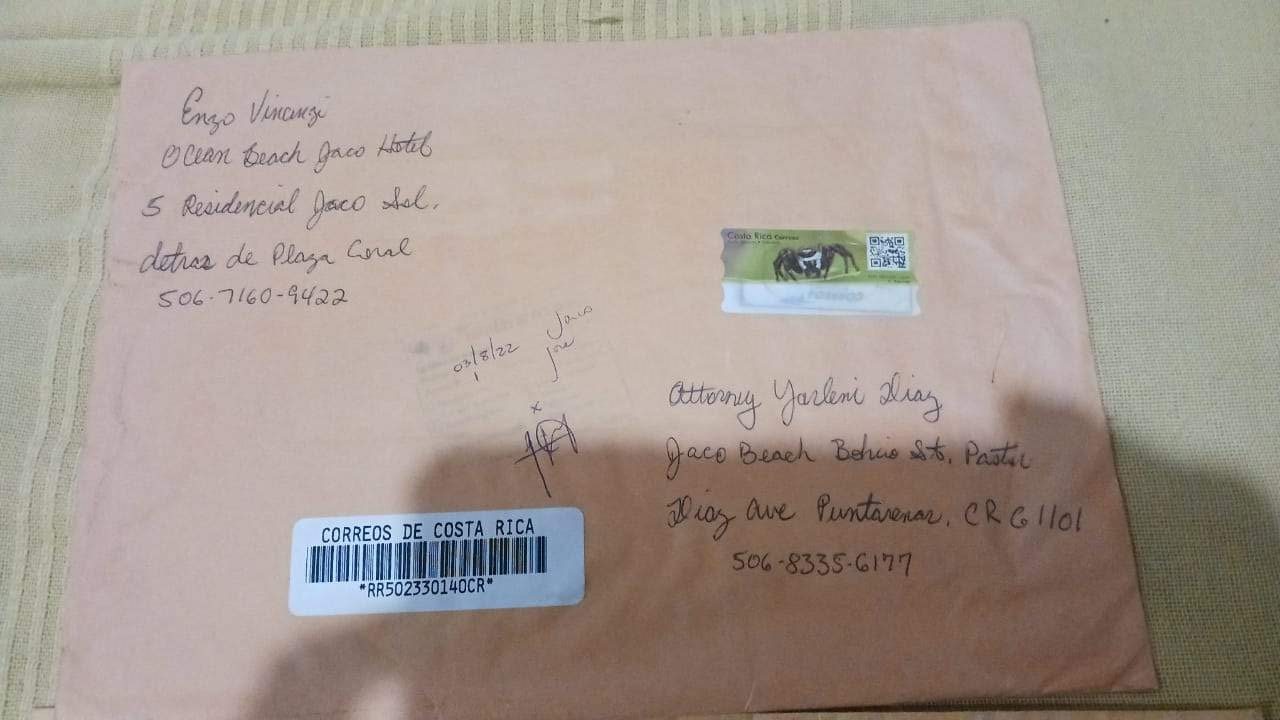
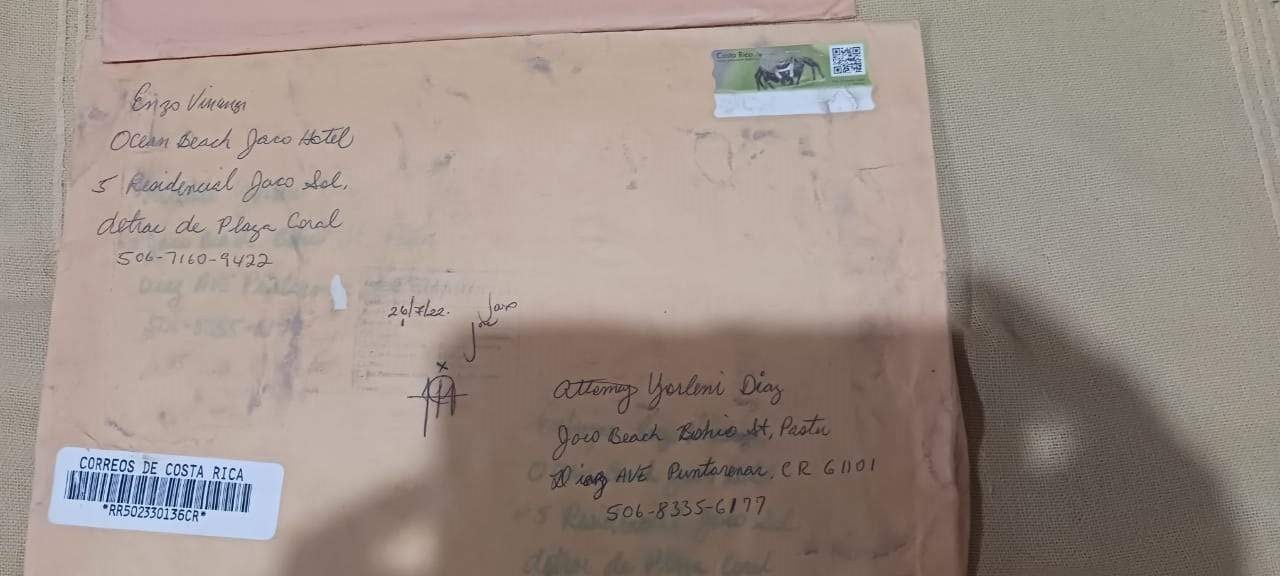
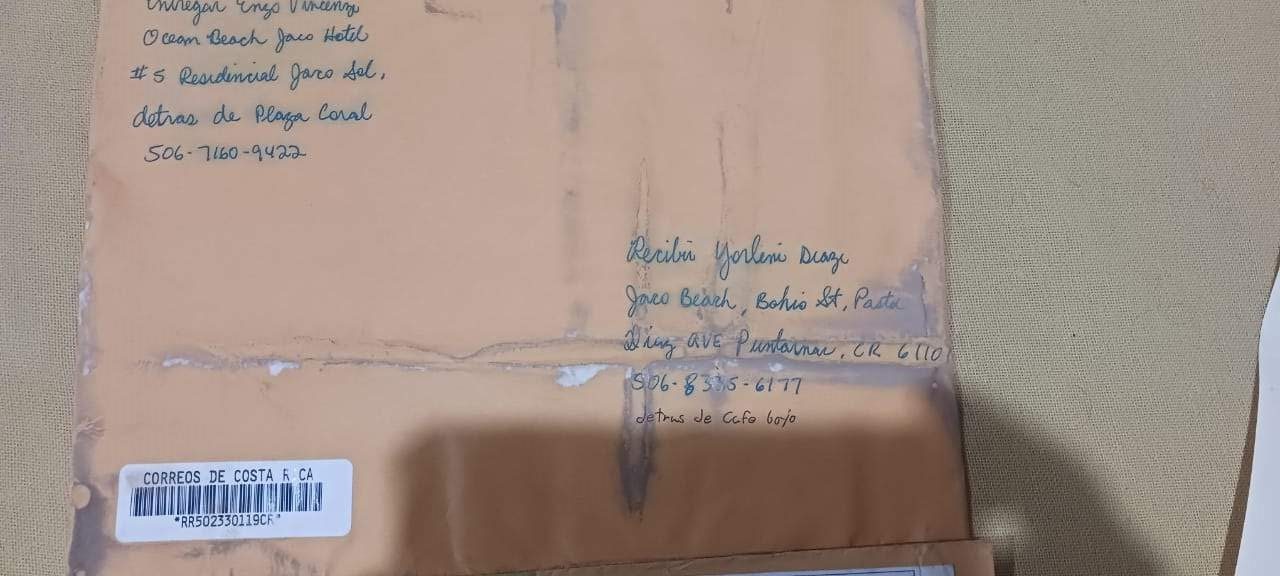
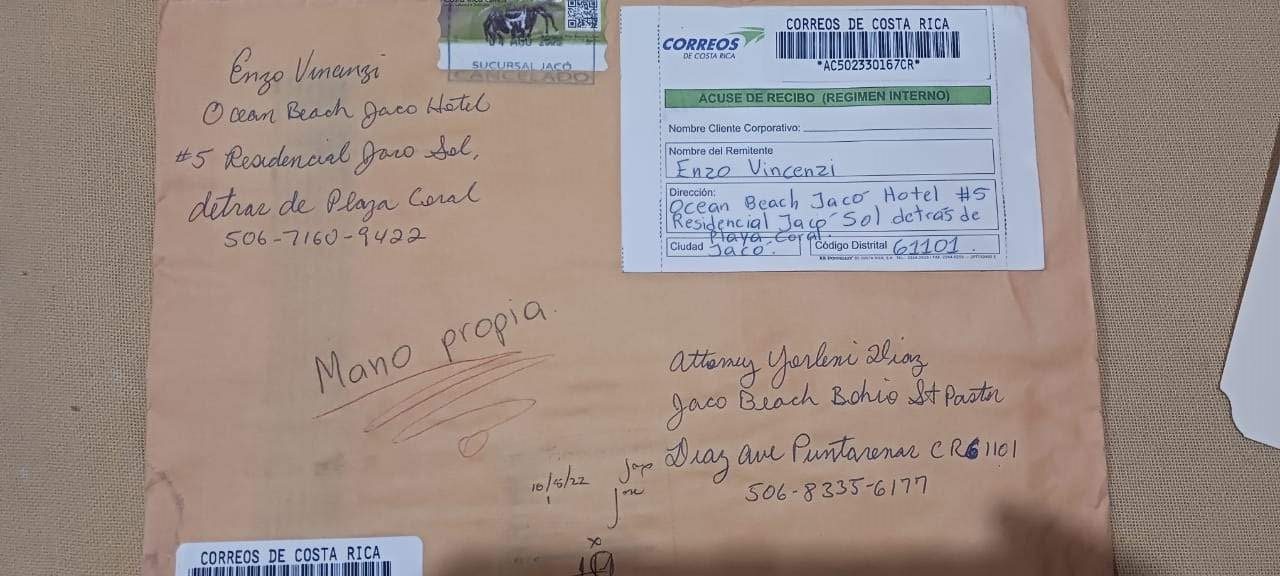
Vincenzi’s list of accused lawyers and officials is long on purpose. He names Cristian Eduardo Zamora Sequeira, Yorleni Díaz, Andrea Díaz, Jacó Mayor Tobias Murillo, and Fiscal Attorney Carlos Villegas Méndez as part of a network that, he says, uses fabricated charges and paper traps to pry property away from foreign owners. False domestic-violence filings are, in his telling, the preferred lever: a charge that stains a residency file, scares a bank, and makes an American look like a man who should be pushed out of the country. He says Chaves’s own office issued directives that local actors ignored. The presidency letters later posted with the embassy complaint are part of that paper trail.
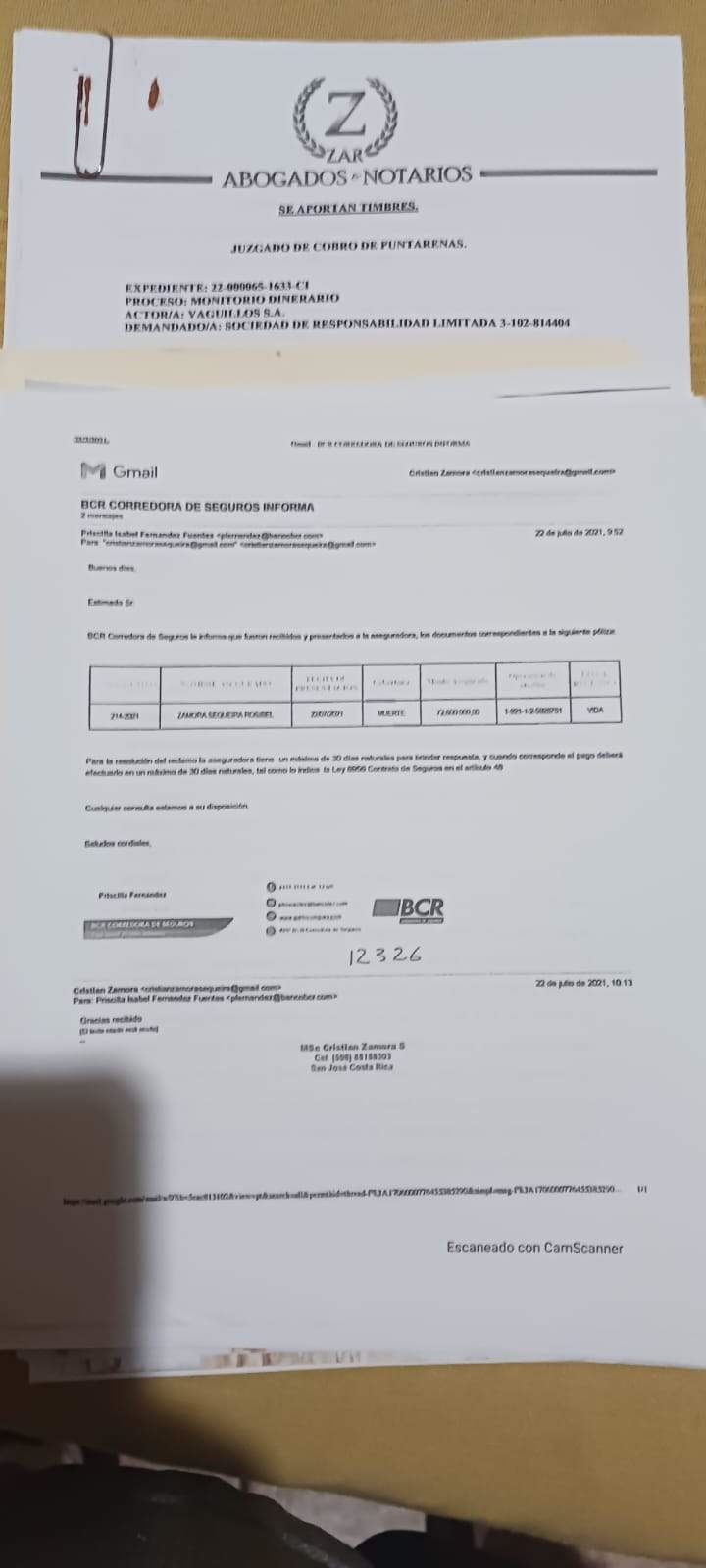
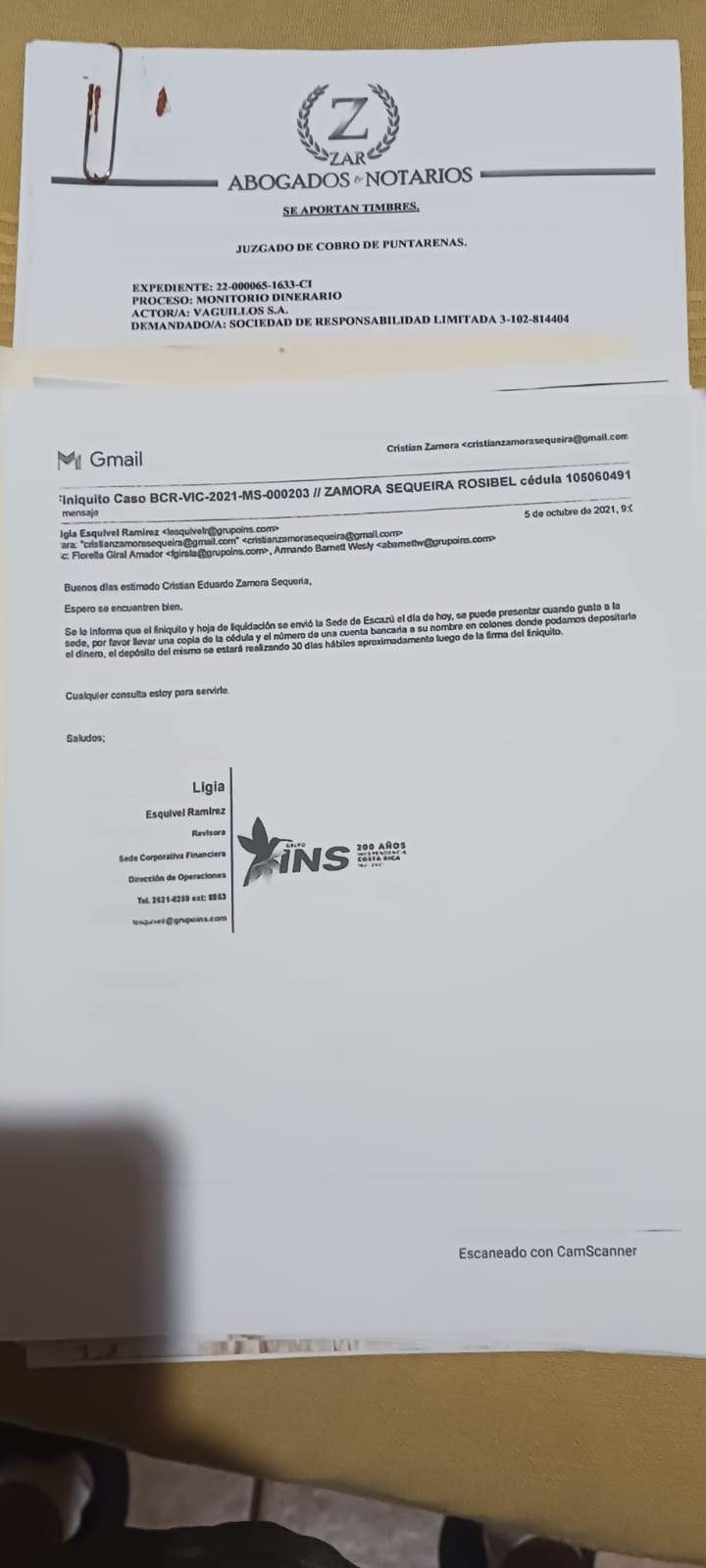
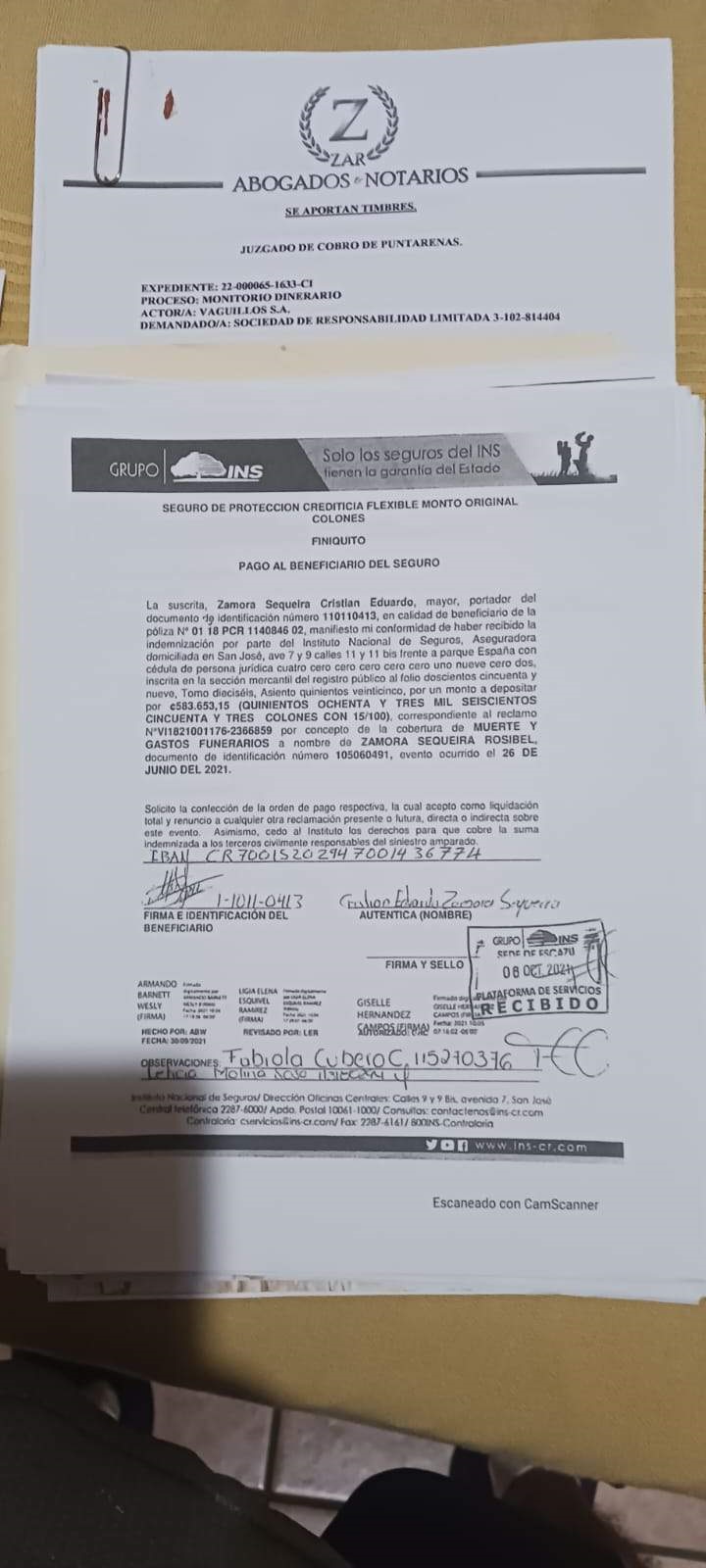
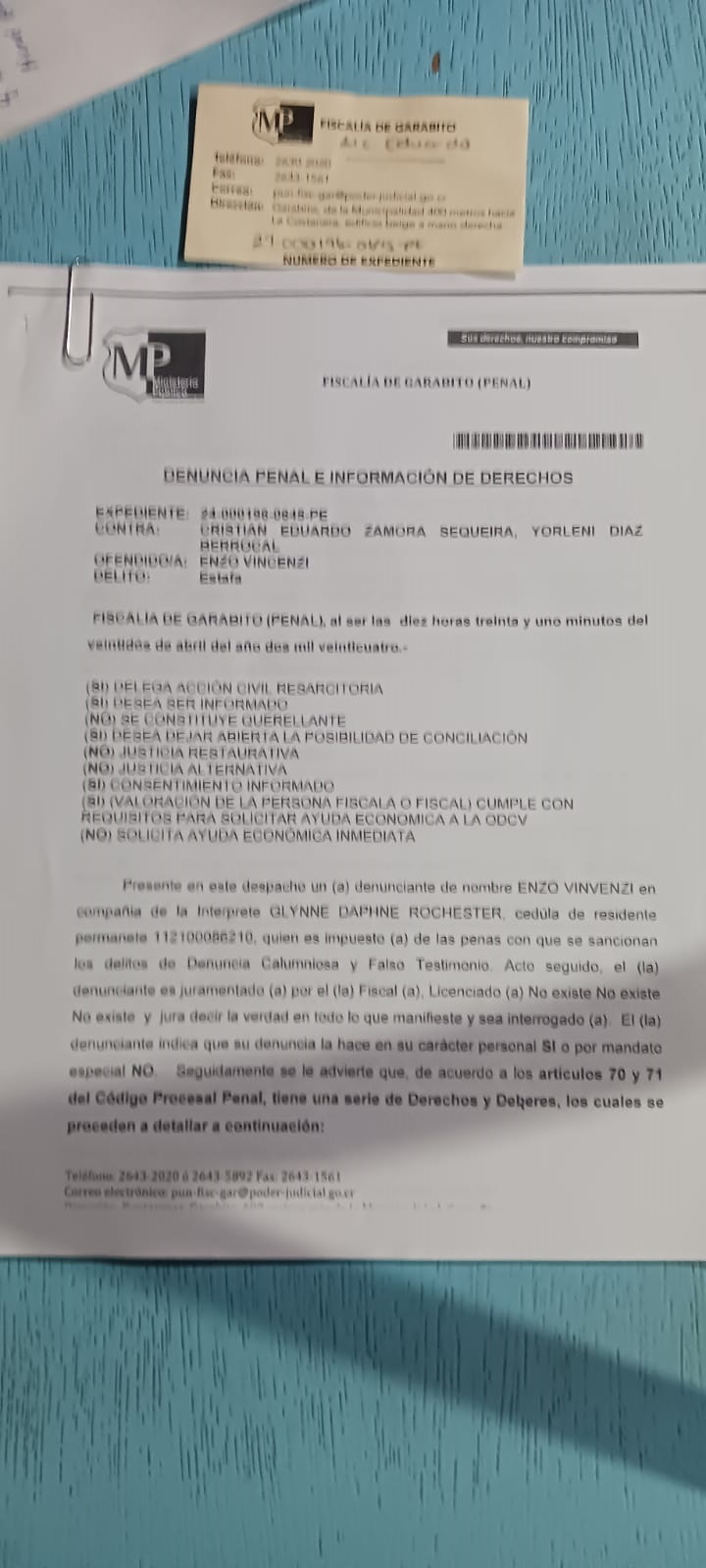
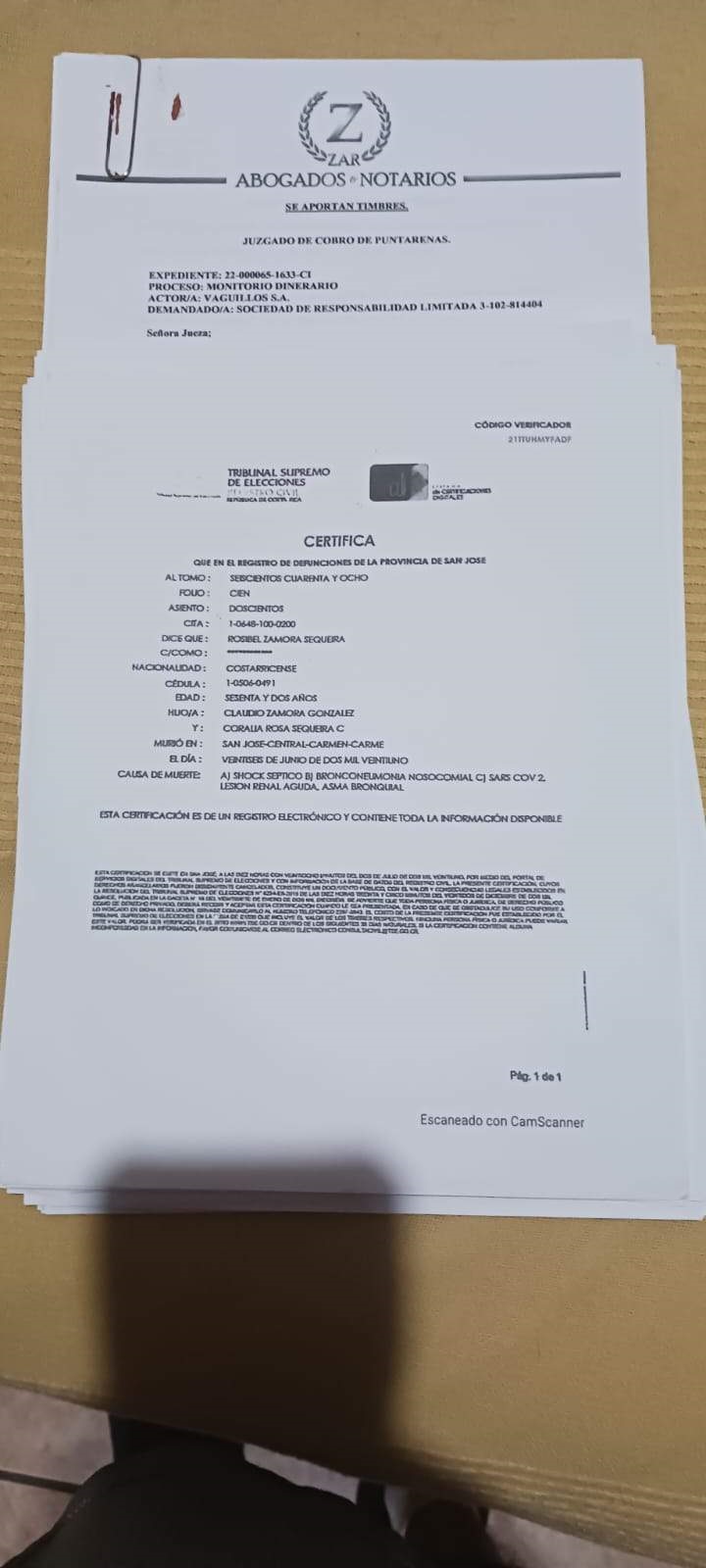
The money allegation is specific. Vincenzi says $35,000 left a U.S. Wells Fargo account through a rogue handling by ZAR Abogados, with Zamora Sequeira accused of signing and endorsing checks he had no right to touch. That is not a vibe. It is a bank-trail claim, and it is why the complaint reads like a financial-crime memo instead of a travel blog. He also describes a fabricated lien of $12,587 against his Puntarenas home, dressed up as unpaid property tax that a deceased prior owner had already covered. A lien that size is not enough to explain a hotel fight. It is enough to freeze a sale, poison a title, and force a man to hire the same local bar that he says is hunting him.
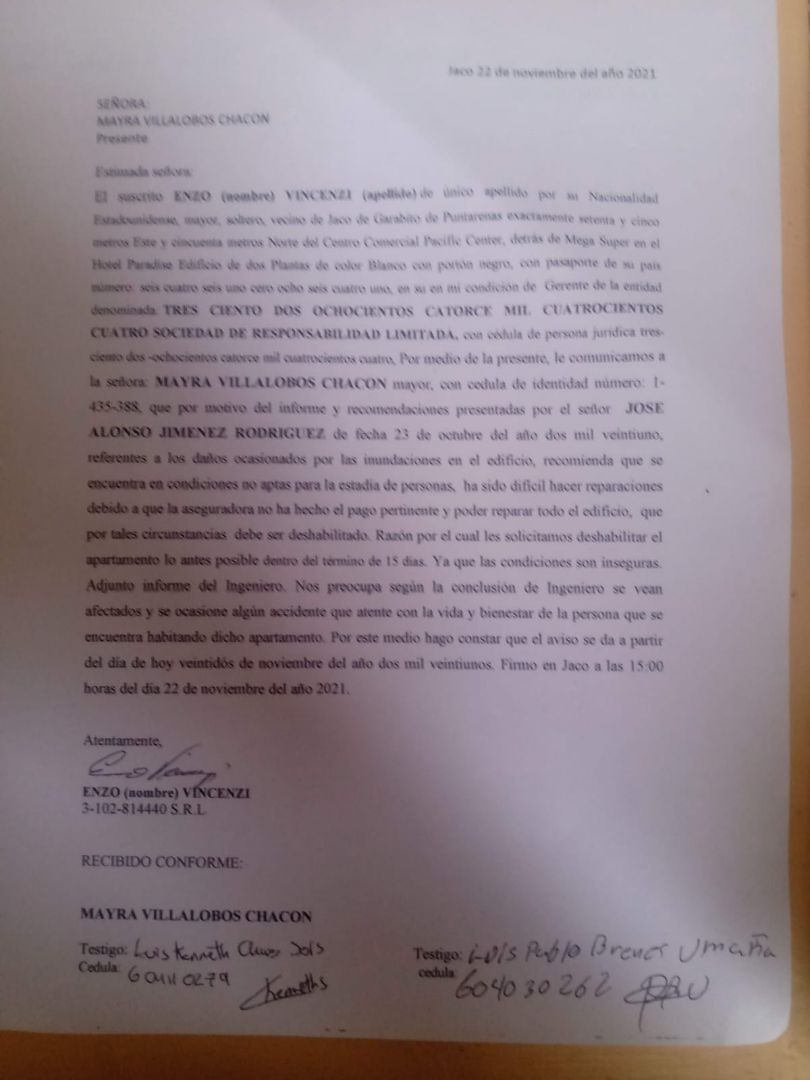
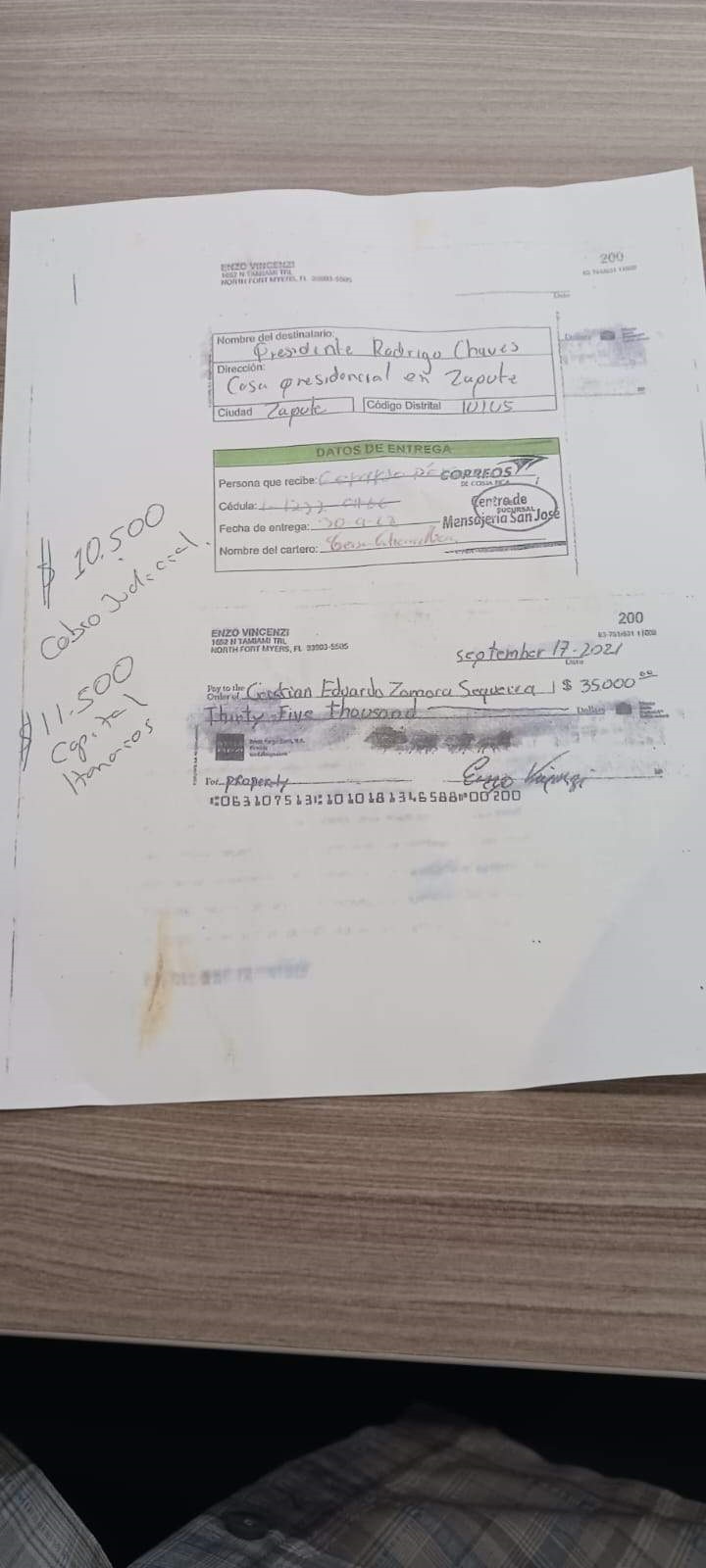
Then the file turns darker. Vincenzi says death threats were part of the same campaign, not a separate feud. He names government lawyer Norma Cayaso and private figure Myra Cecilia Villalobos Chacón. Villalobos, he says, stayed on his property after a legal eviction and walked media onto the grounds to smear the hotel. Junior and Yorleni Díaz are accused of theft. José Calderon is accused of a kill-or-pay threat. Judge David Ricardo Madrigal is accused of blocking process. Americans Carly and James Huba, he says, issued threats in front of hotel staff and ran online slander against the business.
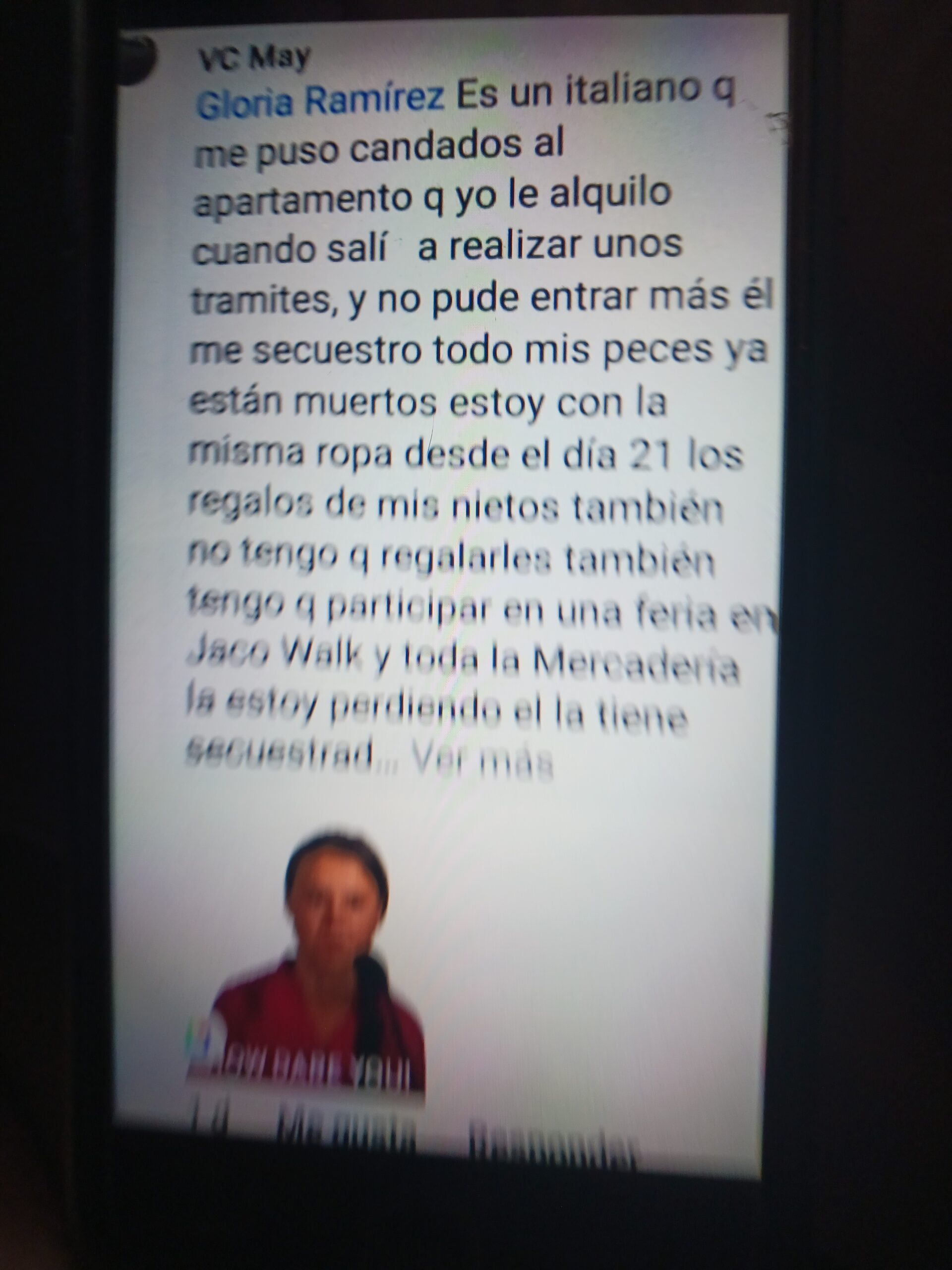
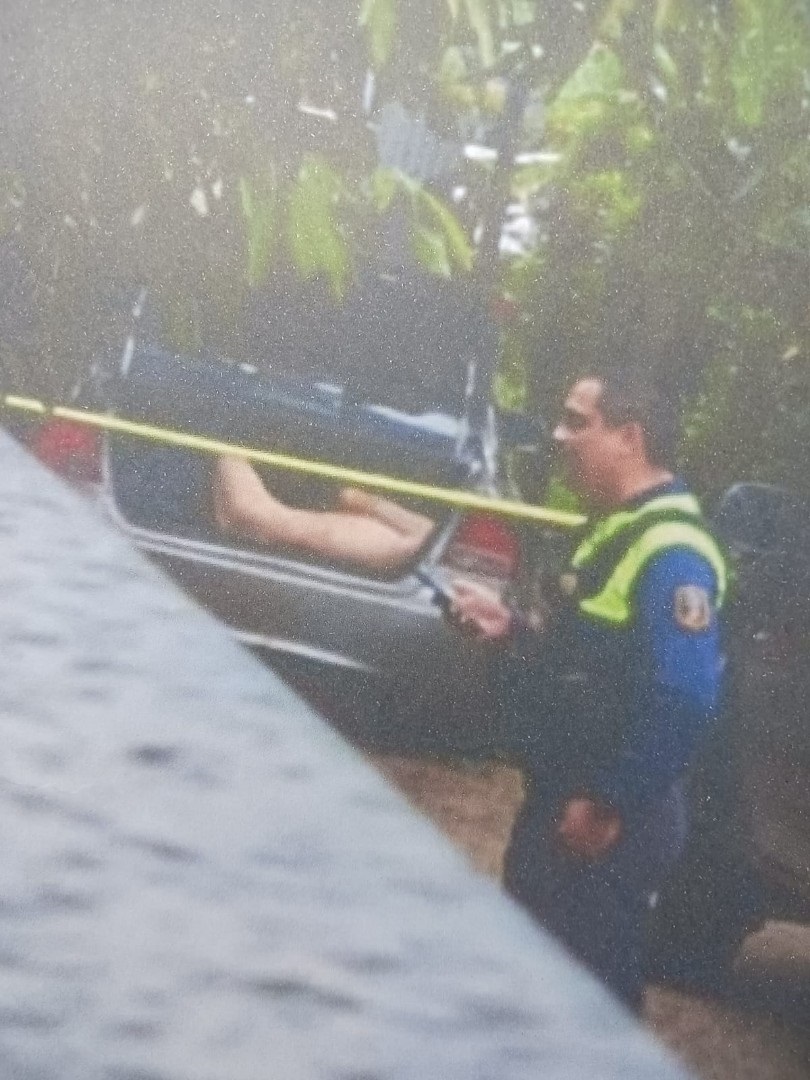
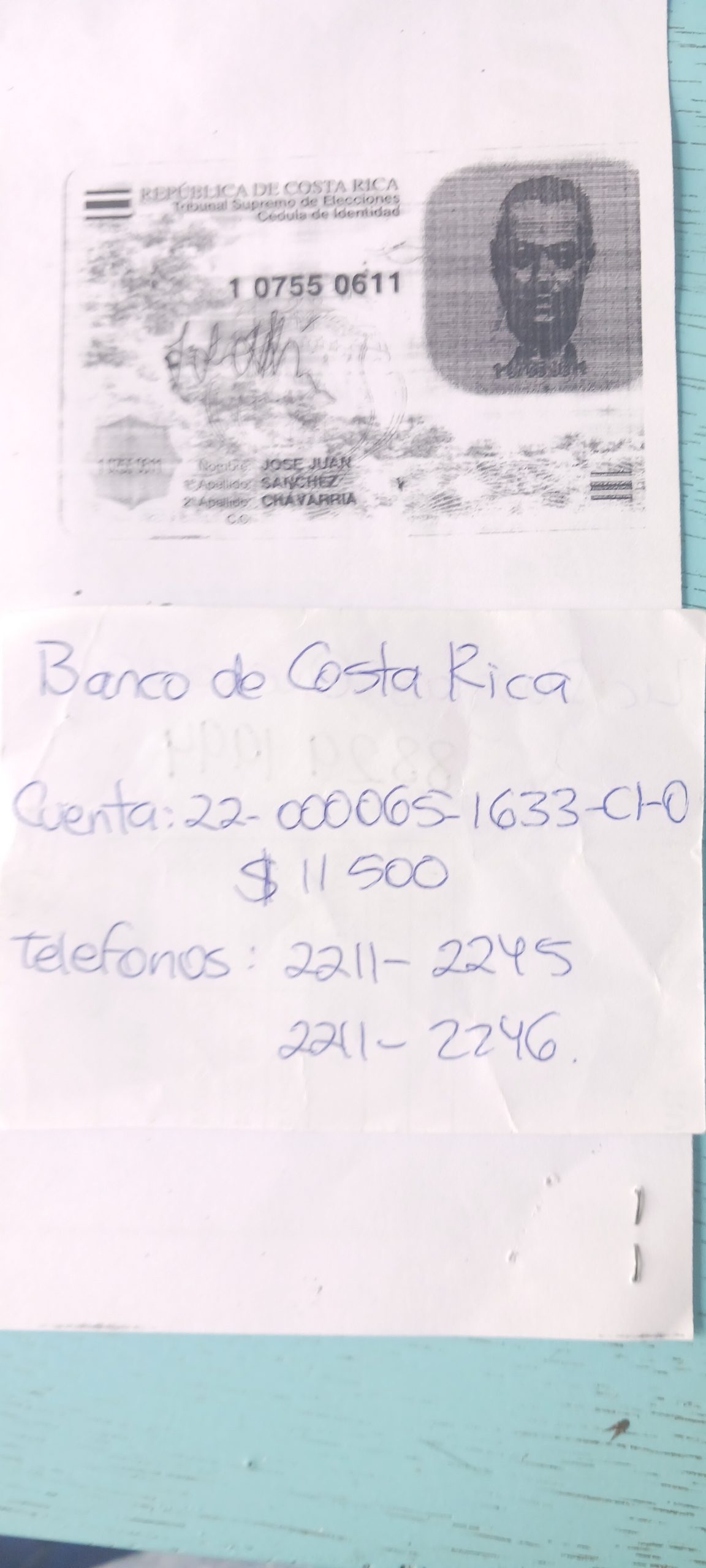
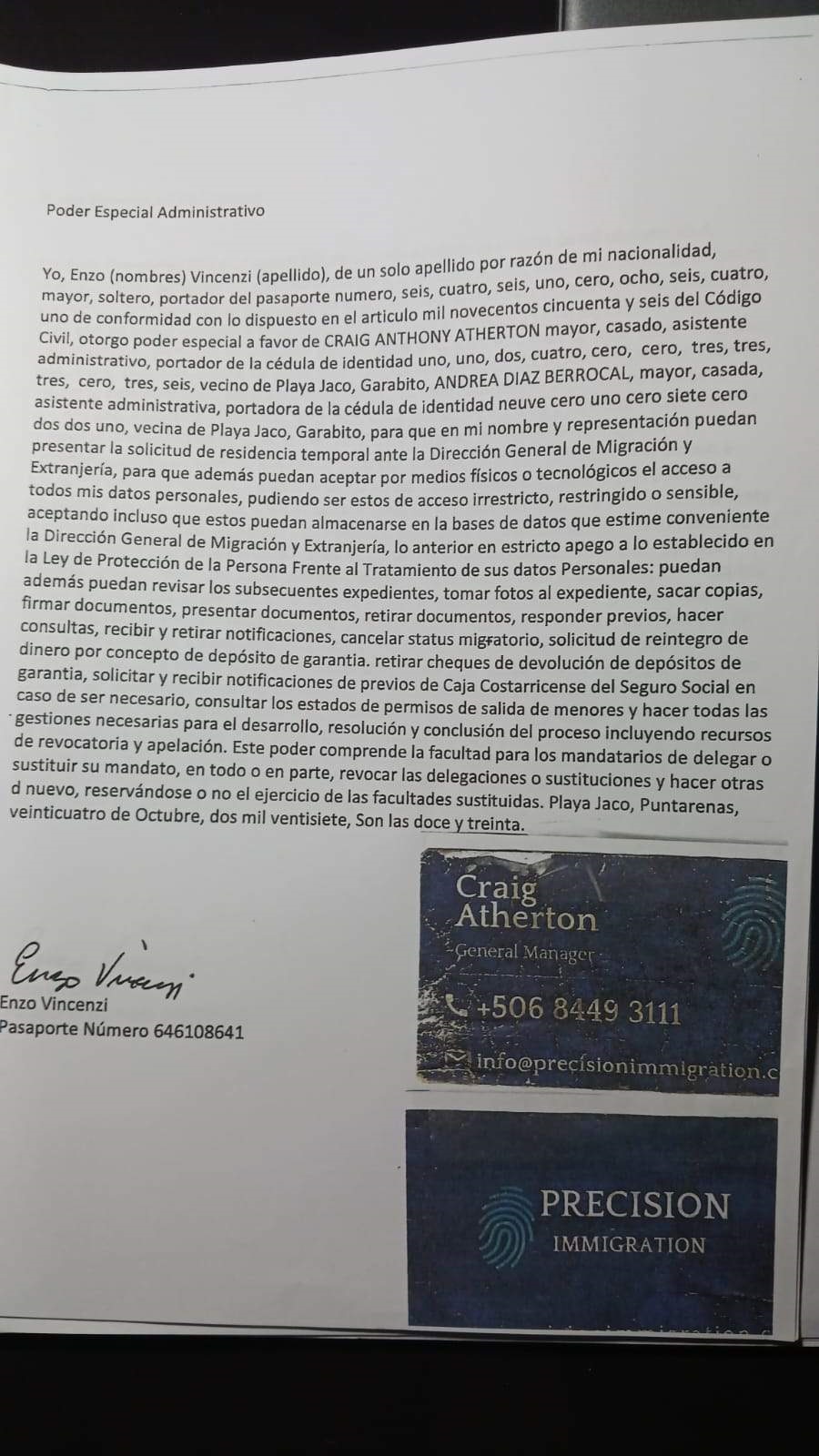
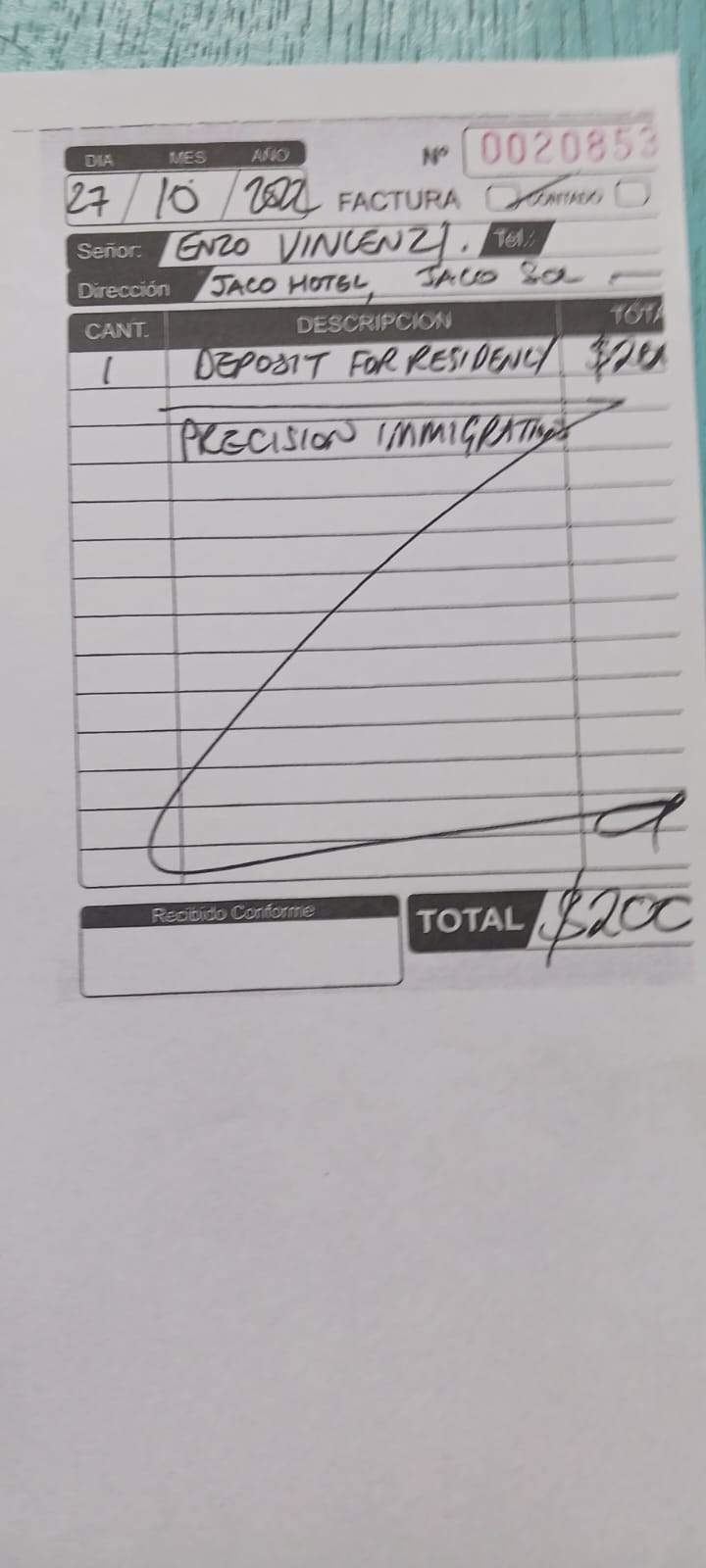
Cayaso is also accused of working with Yamileth De Los Angeles Araya Lara, known as “Mila,” on additional false charges, and of coordinating with Fiscalía de Garabito attorney Eduardo Mora Casconte and translator Glynne Dapane Rochester. Precision Immigration appears in the same bundle. A voicemail from Craig Anthony Atherton alleged a conflict of interest with public attorney Yorleni Diaz. That audio is still on this page because it is part of the complaint, not because The AEGIS Alliance can independently swear to every clause.
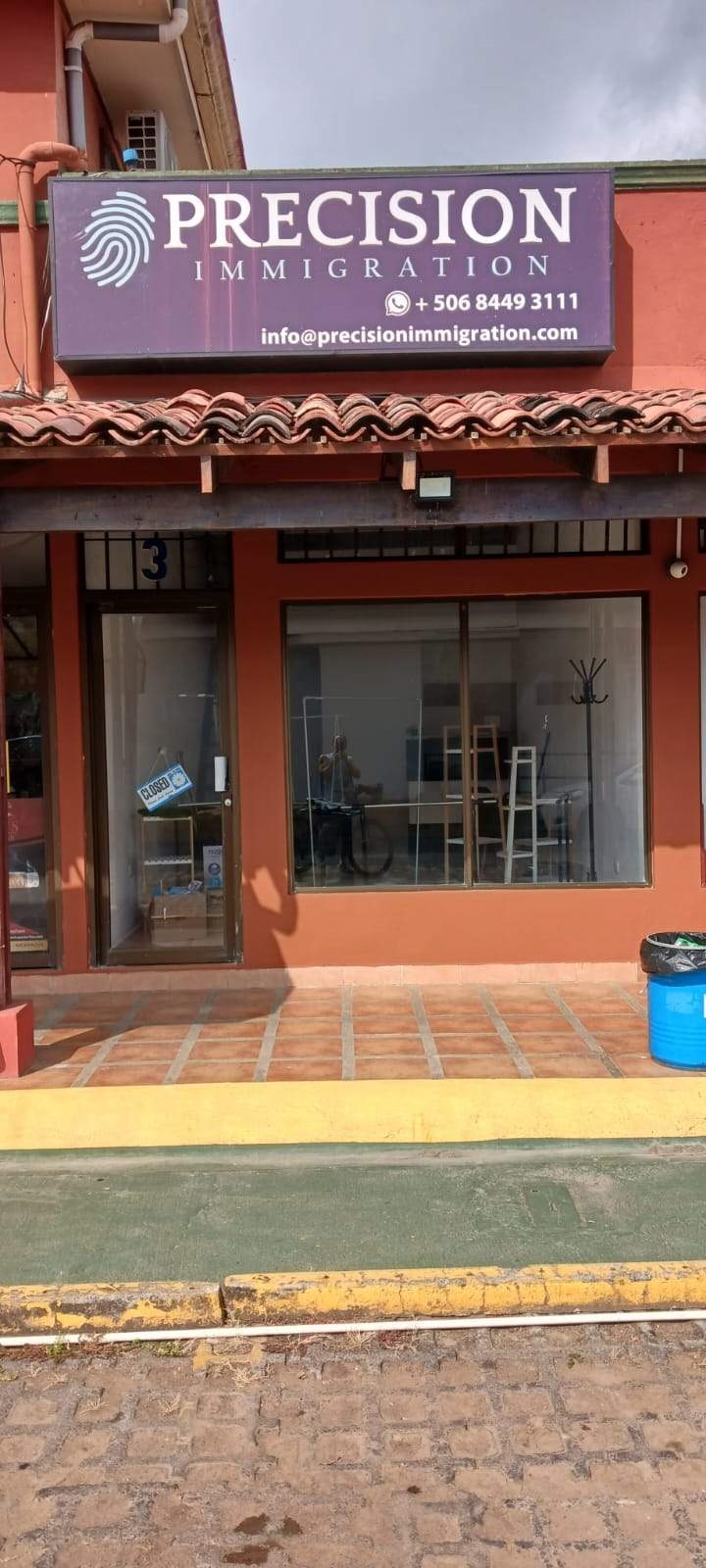
The geography of the case is not decorative. Jacó is a Pacific beach town that sells itself to Americans as a place to buy a hotel, a condo, or a retirement plot without the security lecture that comes with other Central American markets. Puntarenas province is where Vincenzi says the fabricated tax lien landed on his house. San José is where the embassy sits and where the bar association and the OIJ take their mail. A complaint that copies the president, the police intelligence service, the lawyers’ college, and the U.S. ambassador is a man trying to pin the fight to every door that can still be slammed.
Foreign-investor cases in Costa Rica often die the same quiet death. A local attorney takes a retainer. A municipal claim appears. A domestic-violence filing appears. A title cloud appears. The visitor either pays or leaves. Vincenzi’s wager is that publishing the names and the envelopes breaks that script. The AEGIS Alliance published the reward list for that reason, not as a bounty-hunter stunt. Named officials can still sue if the facts are wrong. Silence is the outcome the complaint is written to prevent.
“This evil, demonic, organized racket has operated unchecked for years, preying on unsuspecting U.S., Canadian, Mexican, and U.K. investors. Unlike others who have been victimized, I refuse to back down.”
That sentence is Vincenzi’s. This desk’s job is to keep the exhibits attached to it. The same investor later described a violent 2019 arrest in North Fort Myers, Florida, involving Lee County deputies, a case The AEGIS Alliance revisited in the Florida arrest file. He argues the Costa Rica campaign is not a fresh accident but a continuation. Readers can accept that theory, reject it, or hold it as an open claim. What they cannot do is pretend the September 2024 complaint was a blank page.
The Costa Rica Conspiracy: Unraveling the Web of Corruption and Deceit
Left in Peril: the embassy complaint
Complaint download: 9-07-2024-enzo-vincenzi-criminal-complaint.zip
No U.S. indictment of embassy staff on the claims in this article has been posted. No Costa Rican court has, on the public record this desk can see, delivered a clean sweep of the named attorneys. Gamboa’s extradition proves only that Washington can move a former minister when the charge is cocaine. Property-theft and false-charge allegations against a private American investor travel on a slower track. That delay is the story’s present tense.
The AEGIS Alliance will keep this nexus file under Crime News and International News, with the related Activism posts that follow Vincenzi’s later filings. Outside documents worth reading next are the Justice Department extradition release and the Reuters account of the first national extraditions. The envelopes, liens, and voicemail on this page are still the heart of the original complaint. They have not been withdrawn.