Kevin Conover’s El Cajon Plea Left a Life Sentence and a Split Between Newsrooms on the Prison Term

Kevin G. Conover taught apologetics at Christian Unified High School in El Cajon for more than 14 years. He served as a vice principal and as head of the Bible department. On June 24, 2026, the day before a preliminary hearing, he pleaded guilty to five felony sex-crime counts involving a child in his family. On July 31, 2026, Superior Court Judge CJ Mody sentenced him. What the public can say with confidence stops there, because the newsrooms that covered the hearing do not agree on the number of years.
City News Service, carried by KGTV and the San Diego Union-Tribune, reported that Mody imposed 20 years to life and that the plea itself had been an agreement to that term. NBC 7 San Diego reported a 15-years-to-life term plus five years to be served concurrently, and said that was the bargain. Before the hearing, a spokesperson for the San Diego County district attorney’s office told The Roys Report that a judge was set to sentence Conover to 15 years to life plus five years concurrent. A life term with a 15-year minimum, stacked beside a concurrent five, is not the same sentence a reader hears when a headline says 20 years to life. Both descriptions are in print. The minute order is the document that would end the argument, and it has not been quoted in a way that settles it. Registration as a sex offender is not in dispute. Neither is the fact that the original complaint listed 14 felonies and a theoretical maximum of 111 years to life.

What the survivor and the judge said out loud
The victim, identified in court only as Jane Doe, was about 7 when the abuse alleged in the complaint began. The charging period ran from December 2015 through December 2019. She is now 17. At the July 31 hearing she said she had lived for years with the “horrifying secret” of what happened. City News Service quoted her: “This was a vile crime that was committed against me. He made me a victim and I carry that with me everywhere I go.” Conover addressed the court and apologized to her, to her family, to his family, and to “all the people that have put their faith in me and I let down.”
Before imposing the stipulated sentence, Judge Mody told him, “The level of trust that you have breached in this case cannot be overstated.” The judge said he did not relish long prison terms, then told Conover, “You deserve every minute, every hour, every day and every year you will be spending in custody as a result of your actions.” NBC 7 shortened that line to “every minute.” The longer version is the one the wire service put on the record. A parole board, not a calendar, decides when a life-tail sentence can end. That part does not depend on whether the minimum is reported as 15 or as 20.
From a no-bail booking to a plea that skipped the preliminary hearing
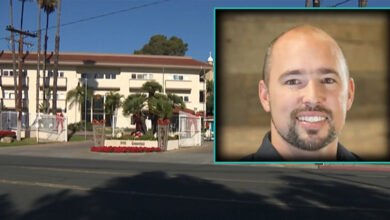
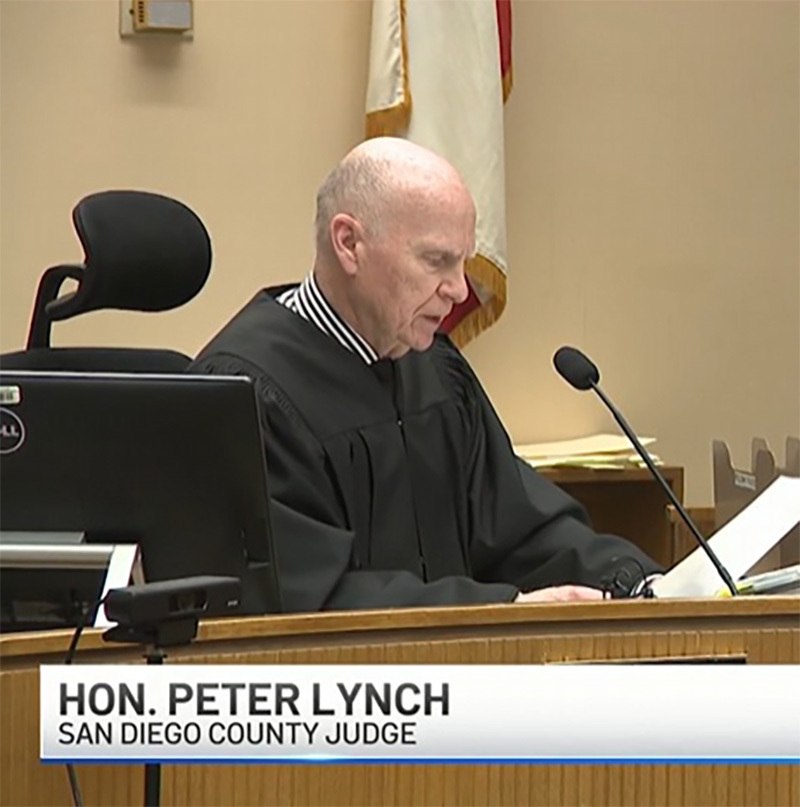
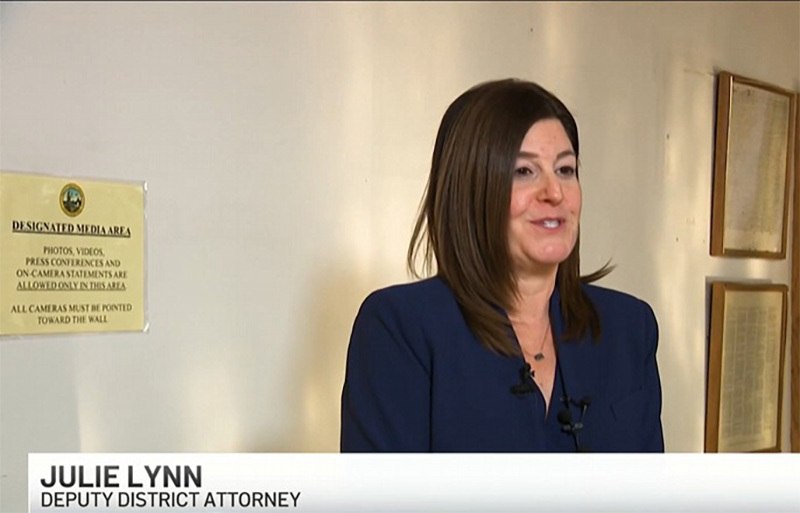
Sheriff’s deputies arrested Conover outside the Greenfield Drive campus on December 16, 2025, after a Child Abuse Unit investigation that started with an October 1 report. He was booked into San Diego Central Jail and held without bail. Judge Peter Lynch treated the alleged assault of a child as a violent felony that requires no bail under California law. Defense lawyers did not fight that order. A criminal protective order covered the victim. At arraignment on December 18, 2025, Conover, then 49, pleaded not guilty to all 14 counts. By sentencing he was 50. Deputy District Attorney Julie Lynn said prosecutors were dealing with one identified victim and asked anyone else with information to call the sheriff. The plea on June 24 meant prosecutors never had to put that evidence on the record at a preliminary hearing the next day. NBC 7 San Diego and The Roys Report both covered the change of plea. The Union-Tribune’s sentencing story is the one that printed 20 years to life.
What Christian Unified told parents, and what it could not control
Superintendent Bob Ruhlman emailed families around 4:34 p.m. on the day of the arrest. A faculty member had been arrested on “very serious” charges. The school suspended Conover at once. Administrators said law enforcement had told them the charges did not involve the school or any student, and that the conduct happened off campus. Media questions were sent to the Sheriff’s Family Protection Detail. Ruhlman later told The Roys Report the same thing in an email: the charges do not involve any student in the school system. The school has maintained that Jane Doe was never on its roster.
The courtroom at arraignment was packed with supporters, including current students. Former student Hannah Manroe told reporters Conover would have been her last suspect. That gap, between the public teacher and the charging document, is why private-school hiring rules came up within hours. A LinkedIn profile later cited by The Roys Report listed him as vice principal of Christian Unified Schools beginning in March 2020 and did not show an end date. The California Commission on Teacher Credentialing told ABC 10News it had no record of a state credential for him. Private schools in California are not required to hire state-credentialed teachers. Screening is a local choice. That is a policy hole. It is separate from the family-member facts, and it is not cured by an email that arrived after the handcuffs.
A second teacher from the same campus is already in state prison
Former student Jorja Heinkel pointed reporters to Dustin Sniff, a former teacher and coach at the same school who pleaded guilty to molesting several underage girls, including two Christian High students, and was sentenced in 2022 to more than 21 years. Heinkel said character and background checks at schools like this often fall short. Two teachers from one campus in a handful of years does not prove a conspiracy. It does prove that a private school’s word about its own hiring is not a substitute for a license the state can pull. The AEGIS Alliance has covered other institution-and-abuse files, including investigations of hidden abuse networks, the crime news docket, and the Los Angeles assistant principal charged with molesting elementary students.

The tip line is still the part that is not finished
The Sheriff’s Child Abuse Unit has kept the tip lines open: (858)*******12, after hours (858)*******00, or San Diego County Crime Stoppers at (888)*******77. Lynn’s request at arraignment was blunt. If there are other victims, call. Through late September 2026, prosecutors had not publicly announced additional victims or additional counts. That silence is not a finding that no one else was harmed. It is an open phone line. A plea that avoided a preliminary hearing also avoided a public airing of the evidence. Parents who want a hiring audit they can read did not get one from the sentence, whichever number the headline used.
Private Christian schools sell moral formation as a product. When a Bible department head is sentenced to a life-tail term for crimes against a child in his own family, that product is what parents are left holding in the parking lot, even if Jane Doe never sat in his classroom. The school, the missing credential, and the off-campus setting can all be true at once. They do not cancel the apology he gave, or the years she said she carried alone. For more on how institutions handle abuse allegations, see The AEGIS Alliance U.S. news coverage and the file on a priest arrested after a child recorded her own abuse. The plea closed a trial. It did not close the hiring question, and it did not make two newsrooms print the same number.