
Wayne County Juvenile Who Drowned 8-Year-Old Noah Bush in a Jesup Borrow Pit Served 186 Days Then Drew Supervision Until 21

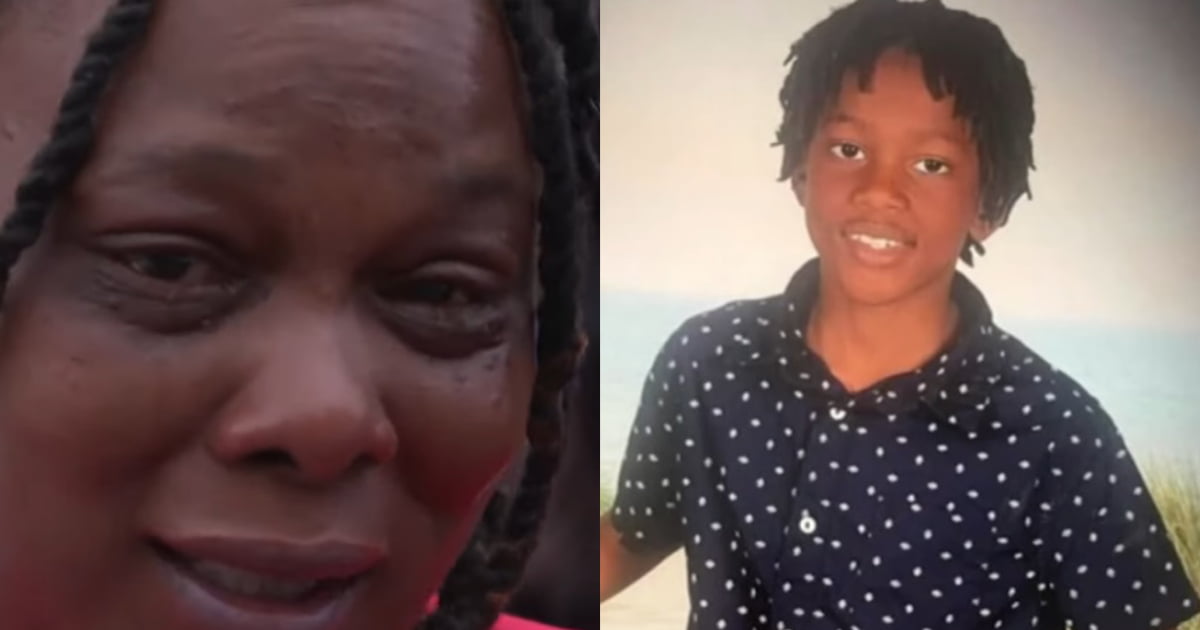
Noah Bush, 8, was last seen in Jesup, Georgia, on May 15, 2024. Searchers found him the next day in a water-filled borrow pit, the kind of flooded clay hole that construction leaves at the edge of a small town. The autopsy called the death a homicide by drowning and said his body did not carry the bruises of a long fight. An 11-year-old later admitted leading Noah to the pits, pushing him in, and holding his head under. The AEGIS Alliance is rewriting this file because the sentence that made national headlines in August 2024 is not the sentence that is running now.
Wayne County Sheriff Robert Moseley first treated the scene as a possible accident. Kids wander. Pits look like swimming holes. Then investigators said they had learned enough to charge two children, 11 and 10, for their parts in the death. The younger child drew concealing-a-death and trespass counts. The older child admitted the drowning in court. Georgia law keeps their names sealed. This page will not print them.
What the 11-Year-Old Admitted and What the Court Could Do
Family attorney Francys Johnson, working with the Davis Bozeman Johnson group, told reporters the 11-year-old admitted under oath that he led Noah to the clay pits, pushed him into the water, and held his head under until he drowned. WJCL and 11Alive carried that account after the August 22, 2024, disposition. A judge sentenced the 11-year-old to two years of confinement in the Department of Juvenile Justice system. The 10-year-old also drew two years. In Georgia, two years is the ordinary ceiling for a juvenile commitment of this kind. The number that shocked the country was not a judge going easy. It was the statute.
Noah’s mother, Demetrice Fuller, and Johnson said the juveniles were white and that race belonged in the story. Wayne County did not add a hate-crime charge. Prosecutors charged what they said they could prove. Readers can hold both facts: an 8-year-old Black child is dead, and the charging document did not carry a bias count. The AEGIS Alliance is not going to launder either half away.
Natalie Hardison, identified in coverage as the mother of one of the juveniles, was arrested in July 2024 on a false-statements count tied to the investigation. That side case is part of the record. It does not replace the drowning admission. It does show how the first hours after a missing-child call can be polluted by adults who would rather manage a narrative than open a door.
One Hundred Eighty-Six Days, Then a Letter
The 11-year-old did not serve two years. He served 186 days. A Department of Juvenile Justice letter dated February 24, 2025, became public on March 11. WTOC reported the release. Fuller said the blood was on their hands. Jesup is not a city with spare trust in state agencies. A two-year sentence that dissolves in six months reads, in that town, like a broken promise even when the fine print of juvenile codes always allowed an early step-down.
Local officials and the family objected. On March 13, 2025, a judge put the 11-year-old under supervision until age 21, banned him from Wayne County Public Schools, and ordered $15,000 in restitution when he can work. WTOC and WALB recorded the revised order. The 10-year-old was still in DJJ custody in that reporting. Supervision until 21 is not confinement. It is a file, a set of conditions, and a future court date if those conditions are broken. For a family that buried an 8-year-old, it is a thin substitute for the term they heard in August.
The Borrow Pits and a Town That Knew They Were There
Jesup sits in Wayne County in southeast Georgia, a timber and corridor town off U.S. 341. Borrow pits are a landscape feature, not an aberration. Contractors dig fill. Rain does the rest. Children treat the holes as secret lakes. Adults treat them as someone else’s liability. After Noah died, residents said what residents always say. Somebody should have fenced that. Somebody should have posted that. Somebody should have watched those boys. Those sentences are true and late.
The first night of the search included people who would later sit on the other side of the charging documents. That detail is in the local coverage and it is the kind of fact that makes a small town feel smaller. A missing child pulls everyone into the woods. Some of those volunteers already know what the woods hold.
Johnson and relatives pushed a proposal they called Noah’s Law, aimed at how Georgia handles juveniles accused of homicide. Through early September 2026 the bill had not been enacted in a form that changed the two-year ceiling. Legislative names come and go. The statute that produced the original term is still the statute. Anyone promising the family a new code should be asked to show a chapter number.
What Juvenile Court Is Built to Hide
Georgia seals juvenile identities for reasons that are not imaginary. An 11-year-old will be 21 under the new supervision order. Publishing a child’s name on a drowning admission is a life sentence of a different kind. The AEGIS Alliance accepts that limit. What the seal should not hide is the system’s math. A homicide drowning. A two-year maximum. A release at 186 days. A supervision add-on after the town erupted. That sequence is public even when the names are not.
Demetrice Fuller has had to do her grieving on television because that is the only lever a mother in Jesup was handed. Johnson has had to translate juvenile procedure into sentences a national audience can stand to hear. Neither of them asked for a media strategy. The cameras arrived because an 8-year-old was held under water and because the first official story was an accident.
Related child-protection reporting from The AEGIS Alliance includes the West Rockhill neglect sentences, the #OpChildSafety tag, and other files on the Crime News desk. Those cases are not this case. They are the same question asked in a different county. What does the state do when the person who killed a child is still a child.
The Record Without the Theater
Noah Bush is dead. An 11-year-old admitted pushing him into a borrow pit and holding him under. A 10-year-old was found responsible on lesser counts and was still confined when the older child came home. The mother of one juvenile was charged with lying to police. The original two-year commitments were the maximum the juvenile code easily allowed. The 11-year-old served 186 days, then drew supervision to 21, a school ban in Wayne County, and a $15,000 restitution order. Noah’s Law has not rewritten that code. The names remain sealed.
There is no clean moral available in a paragraph. Adult court would have offered a longer number and a public identity. Juvenile court offered a short number and a sealed file, then shortened the number again, then lengthened the paper supervision after the family screamed. Readers who want only vengeance will call that a scandal. Readers who want only rehabilitation will call the supervision a correction. The AEGIS Alliance is leaving both arguments on the table and keeping the dates honest.
If this account is difficult to read, talk with someone you trust or a professional resource in your area. The AEGIS Alliance will keep Noah Bush on the crime wire because a sealed name is not the same thing as a finished case, and because borrow pits in Wayne County are still full of water.
See also The AEGIS Alliance US News desk and the accountability files that treat official first statements as the beginning of a record, not the last word.