Jennifer Araoz Sued Ghislaine Maxwell Under the Child Victims Act, and a Judge Has Called Maxwell’s Last Bid for Freedom Frivolous

NEW YORK — Jennifer Araoz did not wait for a jury in the Southern District of New York to say Ghislaine Maxwell’s name in a charging document. On September 14, 2020, she sued Maxwell in New York state court under the Child Victims Act and accused her of supplying the machinery of Jeffrey Epstein’s abuse. Araoz said a recruiter approached her outside Talent Unlimited High School when she was 14, that the grooming ran for more than a year, and that Epstein raped her inside the Manhattan mansion when she was 15. The complaint said Maxwell had been “preying on their personal, psychological, financial, and related vulnerabilities” and had given “organizational support to Epstein’s sex trafficking ring.” An amended filing also named estate entities, longtime assistant Lesley Groff, and Cimberly Espinosa.
The suit landed in a narrow legal season. New York had opened a one-year lookback so adult survivors could sue no matter how old the abuse was. Epstein had been found dead in a federal jail cell on August 10, 2019, and a medical examiner called it suicide. Araoz had already sued the estate in the summer of 2019. That case was thrown out after his death. The September 2020 complaint against Maxwell was among the first post-death filings and one of the first to use the lookback against a living defendant who was already in federal custody. Maxwell had been arrested on July 2, 2020. When a judge denied her bail, Araoz said, “Knowing that she is incarcerated for the foreseeable future allows me, and my fellow survivors, to have faith that we are on the right path.”
That sentence aged into a docket. On December 29, 2021, a jury convicted Maxwell on five of six counts arising from a decade of abuse with Epstein. The panel acquitted her only on a substantive enticement count. On June 28, 2022, U.S. District Judge Alison J. Nathan, who had presided at trial, sentenced her to 20 years. The Second Circuit affirmed the conviction and the sentence. On October 6, 2025, the Supreme Court refused to hear the case. The ordinary appeal was over. What remained was a habeas petition, a clemency pitch, and a prison camp that survivors’ lawyers called a gift.
A camp, a deposition, and a petition the judge called frivolous
Deputy Attorney General Todd Blanche, who had been Donald Trump’s criminal defense lawyer, interviewed Maxwell at the low-security prison in Tallahassee over two days in late July 2025. On August 1, 2025, the Bureau of Prisons moved her to the minimum-security Federal Prison Camp in Bryan, Texas. Sex offenders are rarely housed in camps. A November 9, 2025 letter from Representative Jamie Raskin to the White House, citing whistleblowers, alleged custom meals, after-hours access to exercise areas, private showers after other inmates were locked down, and a puppy from a service-dog program that rules ordinarily bar to people convicted of crimes against minors. Those claims are allegations, not findings. They are also the reason the transfer never read, to the women who testified, like ordinary classification.
Maxwell’s answer to Congress was silence with a price tag. On February 9, 2026, she appeared by video from Bryan before the House Oversight Committee and invoked the Fifth Amendment to every question. Chairman James Comer, a Kentucky Republican, called it “very disappointing” and said the committee had “many questions to ask about the crimes she and Epstein committed, as well as questions about potential co-conspirators.” Her lawyer, David Oscar Markus, told lawmakers she would speak fully and honestly if Trump granted clemency. Representative Melanie Stansbury, a New Mexico Democrat, said Maxwell had used the deposition to campaign for that clemency. Markus later said he had advised the Fifth because a habeas petition was still pending and, in his view, showed the trial had been unfair.
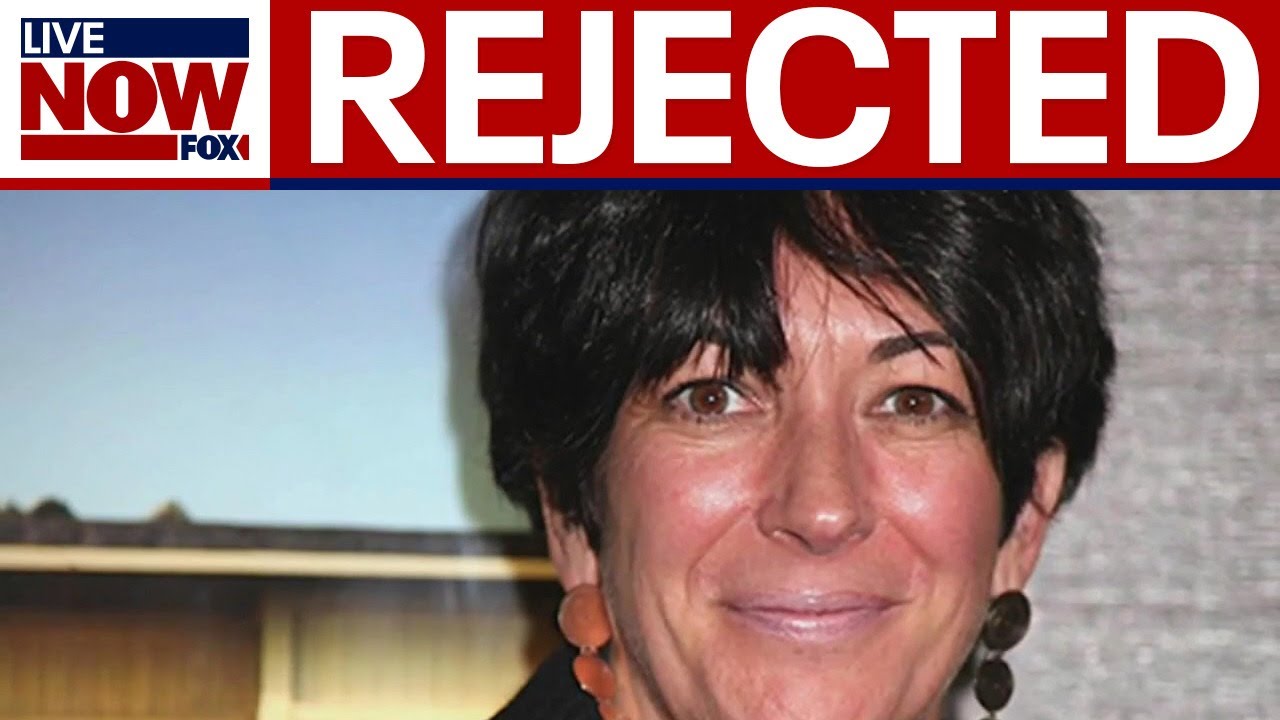
Judge Paul A. Engelmayer disagreed, in writing, on August 25, 2026. Maxwell had filed the petition herself in December 2025, supplemented it in the spring after the Justice Department released millions of pages under the Epstein Files Transparency Act, and asked the court to throw out five felony convictions. Engelmayer’s opinion said the claims were “demonstrably meritless,” that “all or almost all are frivolous,” and that nearly all of them were procedurally barred because she had already lost them on appeal or could have raised them then and did not. “The overwhelming testimonial and documentary evidence adduced at trial conclusively established her guilt,” he wrote. The papers she said were new did not, in his view, give her a fact that could disturb the verdict. She can try to take that denial to the Second Circuit. Her projected release date remains in July 2037, when she would be 75. A pardon is the door the courts did not open. Trump has been asked about one and has not ruled it out in public.
Blanche is no longer the deputy. By the time Engelmayer ruled, he was attorney general. The interview, the camp transfer, and the unfinished fight over how completely the department obeyed the transparency statute now sit in the same building. A separate case brought by journalist Katie Phang has kept that compliance fight in front of a judge in Washington. None of that paperwork rewrites what the victims told a Manhattan jury, or what Araoz put in a state complaint a year before the trial began.
What the civil complaint was for
Araoz’s lawsuit was never the case that sent Maxwell to prison. Federal prosecutors did that, on a record Engelmayer later called overwhelming: victims on the stand, documents, and corroboration. The civil filing did a different job. It named the recruiters and the staff in a public pleading while Maxwell was still fighting detention, and it refused the story that she had been a social accessory who happened to know a rich man. Groff, Epstein’s longtime scheduler, was in that pleading. So was Espinosa. So were the estate entities that held the houses after the man who owned them was dead. Survivors who wanted money, as opposed to a prison term, largely had to chase banks and a compensation program rather than a living defendant with attachable assets. The victims’ compensation program became one route. Civil cases against financial institutions became another. In 2026, Judge Jed Rakoff’s court was still the place where a Bank of America settlement with survivors was being reduced to an order, a fight The AEGIS Alliance has covered because the checks were never a substitute for the names.
The AEGIS Alliance has kept the document record on this site since the first unsealed batches, including the Maxwell documents and the filings that named Prince Andrew. Those pages matter because Maxwell’s lawyers have spent years arguing that she was prosecuted as a stand-in for a dead man, that a 2007 Florida non-prosecution agreement somehow covered her in New York, and that anything released under the transparency law must be read as exculpatory. Engelmayer’s answer was that the trial evidence already settled the question of guilt, and that recycling old arguments through a new stack of PDFs is not a miscarriage of justice. Araoz’s complaint, filed when Maxwell still had a bail motion pending, said the same thing in plainer language: the organization had a second person at the top of it.
No other living person has been convicted for participating in the trafficking operation itself. That fact is the hole in the public record, not a reason to treat Maxwell as a bystander who drew a harsh judge. She is at FPC Bryan. She is eligible in 2037. She took the Fifth when Congress asked about co-conspirators, and she tied any future answers to a pardon. The woman who sued her in September 2020 is still the reason a state-court file, not only a federal indictment, says the recruitment had a system.
Related from The AEGIS Alliance: Maxwell’s arrest, the Maxwell documents, the Andrew filings, the victims’ fund, the document motherlode, the fight over the Epstein files, and more Crime News.