Hollister Toddler Reached a 0.12 Blood Alcohol Level After a Salinas Kitchen Poured Cooking Wine From a Jug Labeled Apple Juice

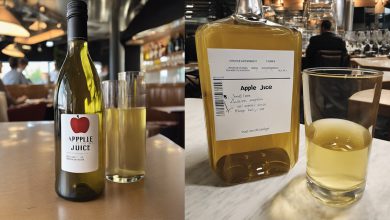
The cup looked like every other kids’ cup on a hibachi table. It had a lid. It came from a kitchen jug marked apple juice. On August 17, 2024, a 2-year-old girl from Hollister drank from that cup during a large family dinner at Fujiyama Japanese Restaurant in Salinas and spent the night at Salinas Valley Health with a blood alcohol content of 0.12. California’s adult driving limit is 0.08. In a toddler, that number is not a dinner-table joke. It is a poisoning. The AEGIS Alliance is keeping the file because the failure was not a bartender reaching for the wrong glass. It was a bulk container in a working kitchen, trusted because someone had written the right words on the side.
The child’s mother, Noemi Valencia, and her partner were seated with relatives when the girl’s balance collapsed. She swayed. She slurred. She leaned on walls because she could not hold her head up. Valencia looked into the cup, saw a brownish-red liquid, and smelled alcohol. She and her partner tasted it. “She was swaying, she was falling over, she was leaning on walls, she couldn’t hold her head up, she was slurring her words,” Valencia told KSBW 8. The family had ordered apple juice. What arrived in the lidded cup was house cooking wine.
The Los Angeles Times and People carried the same sequence. Nothing about the service looked wrong until the child’s body advertised the pour. A manager later told KSBW the cooking wine had been stored in a large refrigerated container labeled apple juice, and a server filled the kids’ cup believing the label. People, calling the restaurant separately, was told “we have no comment at this moment.” Those two answers can both be true. One is an explanation. The other is a business deciding not to explain it on the record to a national magazine. Neither answer puts the wine back in the jug.
What 0.12 means in a body that small
Adults talk about a glass of wine with dinner as if alcohol were a flavor. A toddler does not have an adult liver, an adult blood volume, or an adult way to say the drink tastes wrong before half the cup is gone. At 0.12, the girl was half again over the line that would get a grown driver arrested on Highway 101. Pediatric toxicology treats alcohol in small children as a medical emergency because it can drop blood sugar, slow breathing, and knock out the coordination a toddler uses to sit up. Hospital staff kept the family overnight at Salinas Valley ER. Valencia said the child recovered. Recovery is the only mercy in the chart. It does not rewrite the number.
Valencia’s warning afterward was practical, not philosophical. Smell the cup. Taste the cup. Do it before the child finishes it. She also asked the restaurant to lock down how bulk liquids are labeled so the next table does not have to play chemist with a kids’ drink. Parents who assume a lidded cup is juice are relying on a back-of-house habit that restaurants have already shown they will not police unless someone gets hurt.
Salinas police logged a report the same night. The California Department of Alcoholic Beverage Control said it was aware of the reports and was working with local authorities. Public ABC accusation lists and local court indexes, checked through the years since that August night, have not produced a posted fine or a published accusation naming Fujiyama. That silence is part of the story. An inquiry that never becomes a public paper trail leaves the next parent with a news clip and a rumor. The public record is still a mother’s interview, a manager’s label story, and a hospital number that should never have been attached to apple juice.
The same jug, a different state, nine years earlier
This was not a new kind of accident. In 2015, an Applebee’s in Madison Heights, Michigan, poured margarita mix from a mislabeled container and sent a 15-month-old to a hospital with a blood alcohol level reported around 0.10. Different chain. Different state. Same failure mode: a back-of-house vessel that said one thing and held another. The Salinas dinner proved the old hazard still works on a Saturday night in Monterey County. Kitchens run on speed. A Sharpie on a gallon jug is faster than a dedicated bottle with a color-coded cap. Speed is how cooking wine and apple juice end up sharing a shelf position that makes a rushed server guess.
There is a regulatory gap underneath the Sharpie. California’s alcohol rules are written around adults. ABC investigators spend their days on overservice, fake identification, and sales to minors at a bar rail. A cooking-wine jug in a walk-in cooler is a food-safety problem that becomes a liquor problem only after a child is already in an ambulance. That is how a hibachi kitchen can pour wine into a toddler’s cup and still look, on a license printout, like a place that “did not sell alcohol to a minor.” The child did not sit at a bar. A server poured from a fridge into a cup that looked like juice because the kitchen had told the server it was juice.
Fujiyama is a sushi-and-hibachi room, the kind of place that runs a hot grill in front of guests and keeps squeeze bottles and bulk jugs out of sight. Cooking wine belongs in a recipe. Apple juice belongs in a kids’ cup. Those two liquids should never share a vessel, a marker, or a shelf. The restaurant’s account, a mislabeled container, is the most common version of this accident in American dining rooms. Common is not the same thing as rare. Common means the next kitchen is already set up to repeat it.
What a competent kitchen would already be doing
Bulk liquids need more than handwriting. They need dedicated containers that cannot be reused across alcohol and children’s drinks, caps a color-blind rush cannot mix up, and a manager who checks the walk-in the way a bar manager checks the well. Staff need to be told that a kids’ cup is not a low-stakes pour. The cost of those habits is a few plastic jugs and a five-minute close. The cost of skipping them is an emergency-room bill, a police report dated August 17, 2024, and a restaurant name that will sit in search results next to the words cooking wine for years.
Valencia’s family drove in from Hollister for a group dinner. They did what families do. They ordered a kids’ drink and trusted the house. The house trusted a label. No one in that chain has to be a cartoon villain for the harm to be real. A 2-year-old slurred her words in a dining room full of relatives who had every reason to believe the cup was juice. The server believed the jug. The jug was wrong. The child absorbed the difference.
The AEGIS Alliance files service failures next to child-safety cases because they meet in the same chair. See our Odd News desk, the Portage Applebee’s arrest over an all-you-can-eat argument, and the file on what actually ends up in everyday food. A different kind of alcohol stunt, a London marathon runner who chugged wine on the course, is a choice an adult made. A toddler in Salinas did not get a choice. Related consumer reporting also lives under U.S. News and Crime News.
A recovered child is not a closed kitchen
The girl went home. That sentence should not be used to shrink the 0.12. It should be used as the reason the labeling rule is cheap. A child who recovers can still have spent a night in an emergency department because a marker was wrong. Until ABC or a civil claim puts paper on the incident, families in Monterey County have Valencia’s advice and not much else: taste what is handed to a child, even when the cup looks ordinary, even when the room is loud, even when the grill show is the reason you sat down. The AEGIS Alliance is leaving that advice next to the police-report date so the next hibachi table has a reason to smell the cup first.