FBI Memos Said David Copperfield Had a Very Close Epstein Relationship, Then MGM Grand Ended a 25-Year Residency


David Copperfield spent a quarter century selling wonder at the MGM Grand. On March 5, 2026, the hotel and the magician agreed the last performance would be April 30. He is 69. He has never been charged in the Jeffrey Epstein case. He denies sexual misconduct. His lawyers spent years shrinking the relationship to a handful of meetings between acquaintances. The marquee still came down, and it came down after federal memos using a different sentence were dumped onto the public internet: Copperfield, an FBI official wrote, appeared to have a very close relationship with Epstein.
That clash, guest list versus handful, is the only angle that does not require a jury. A casino does not need a conviction to stop printing a name next to families on holiday. It needs a reason. The Justice Department’s Epstein production supplied one in the investigators’ own words. Whether those words prove a crime is a separate question from whether MGM Grand wanted the act through another summer. Mike Neubecker, the property’s president, issued the ritual thank-you and wished Copperfield well on “the next chapter.” The company did not answer when reporters asked whether the files had anything to do with the calendar. Automatic refunds went out for seats after April 30. USA Today counted about 120 shows left in the eight weeks that remained. The room kept the lights. It did not keep the illusionist.
What agents wrote when they still had badges
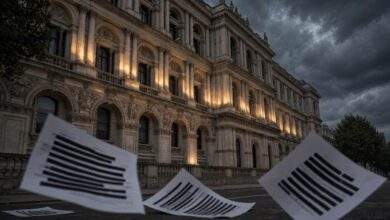
The 2026 file dump did not invent Copperfield’s name. Civil records had already placed him in Epstein’s rooms. What the dump added was agents talking to each other. A December 12, 2007, memo from FBI agents in Seattle told counterparts in Miami that the connection needed more work “to determine if they both shared a predilection for minors” and “if they engaged in referring possible victims to each other.” The memo described a “business list” of women, with notations that two were a “Jeff Epstein guest” and that one was “not loyal, doesn’t play the game.” Message pads in the files show calls to Epstein in 2004 and 2005 from a man sometimes logged as “Magic David.”
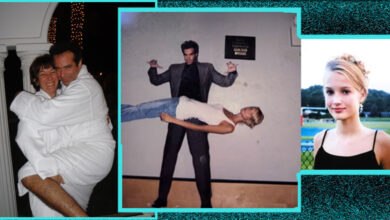
A 2019 email, written after Epstein was found dead in a Manhattan jail, was blunter. The Copperfield investigation, the official wrote, “showed that Copperfield trained his employees to identify young females (teens to early twenties) in the audience of his shows.” Those women were “separated from their boyfriends, families and husbands and brought backstage.” Staff kept a notebook on how to deliver them. Copperfield kept his own, with contact information, whether he had sex with them, and a photograph. “I don’t know if any of his victims were underage,” the official added. “There were allegations that he drugged some of the females. I recall Epstein’s name coming up in our investigation a number of times and Copperfield appeared to have a very close relationship with Epstein.” The Guardian printed the lines. CNN later found photographs: Copperfield in a bathrobe with four women, and Copperfield with Ghislaine Maxwell, both in white robes, on Epstein’s island, Little St. James.
Tickets, an island, and a case that died rich
Complimentary seats are not a dinner coincidence. The Seattle memo and later interviews describe Epstein handing women tickets to Copperfield’s show in Las Vegas and in Florida. One witness told the FBI she flew to Las Vegas, met both men, and concluded they had to be friends. An internal email after an October 19, 2007, search of Copperfield’s Las Vegas warehouse called him “Epstein’s favorite cohort.” A September 5, 2008, note between prosecutors said they were “still working on Copperfield.” No charge followed. In a 2015 email Epstein bragged that Copperfield got engaged to model Claudia Schiffer “on my island.” The pair never married. The sentence is not a marriage license. It is a man showing off access.
The older criminal file is the one the new PDFs dragged back into daylight. From 2007 the FBI investigated a woman’s allegation that Copperfield raped her after a show, a trip, and an invitation toward his private Bahamas retreat at Musha Cay. He was never charged. He told Oprah Winfrey he was the victim in that story. Agents later wrote a sour postscript: a U.S. attorney’s office they described as weak and intimidated by his money, plus fights over the complainant and jurisdiction. A separate cache includes a 2015 exchange in which a woman sent Epstein a link about Musha Cay and asked when Copperfield bought it. His reply, reported in European coverage of the files, was that Copperfield bought it after Epstein told him to. Appearance in a PDF is not an indictment. A federal search warrant and a multi-year sex-crime file are also not a magic trick.
Johanna Sjoberg’s testimony in the Ghislaine Maxwell trial sits beside those memos for a reason. She described a gathering at Epstein’s house where Copperfield asked if she was eighteen and asked to see her breasts. She said she was twenty-two. In other accounts of her testimony she said he also asked whether girls were paid to find other girls. Copperfield has denied sexual misconduct. His lawyers told the Guardian in 2024 that calling him Epstein’s friend was “totally false and a mischaracterization made by the media,” and that the two men met on a “handful” of occasions. A handful does not produce message pads, guest notations, island photographs, and a warehouse search. A guest list does.
A congressman read the name out loud
On August 31, 2026, Republican Rep. Thomas Massie stood on the House floor and named fourteen people he said the Justice Department should investigate and prosecute as Epstein co-conspirators. David Copperfield was the fourth name, between Les Wexner and Lapo Elkann. The list also included Leon Black, Jes Staley, and Andrew Mountbatten-Windsor. Massie has no charging pen. He has a microphone and the same memos anyone can now read. Lawyers for the magician did not answer requests for comment. The Guardian recorded the silence. Massie paired the roll call with a second discharge petition for an Epstein Files Transparency Act, arguing that millions of pages were still unreleased nearly a year after the first transparency law. Naming is not a verdict. Refusing to answer a floor speech that uses your name next to “prosecute” is a choice.
The AEGIS Alliance will treat an actual charge, if one is ever filed, as its own story. This story is a marquee, a memo, and a congressman. Readers who want the document fight around the magician can start with the admission that less than one percent of the files had been released, the SDNY flight-log letter, and the fight over deadlines the department kept missing. One object in the portal is an agent email. Another is noise. The Copperfield pages are the first kind.
What the paper does not do
It does not prove Copperfield trafficked children with Epstein. It does not prove the Bahamas allegation. It does not turn Massie’s floor speech into an information. It does show that agents in two field offices thought the two men shared more than a seating chart, that staff had a written system for peeling young women out of an audience, and that Epstein’s name kept surfacing inside that investigation. Those are facts about a federal file. They are not facts about a verdict form.
The crime desk has watched the same network move money and hide property. Leon Black’s wires sit inside the Bank of America survivors settlement. Maxwell’s path sits in the record of her arrest and in later banking stories about where she waited. Copperfield sits in the entertainment column: access, young women, complimentary tickets, island photographs, and a legal team that has spent years pulling “very close” back down to “handful.” The hotel did not wait for the shrinking to finish. April 30 passed. The act went dark. The memos did not.