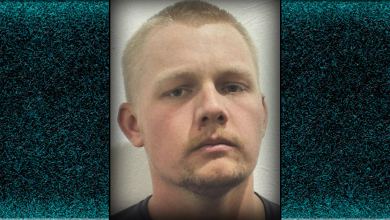
Oklahoma Father Who Killed His 9-Month-Old Son After Beating the Child’s Pregnant Mother Gets Life in Prison

Hunter Smiley was supposed to be watching his 9-month-old son on April 10, 2024, in a house in Newcastle, Oklahoma. When police arrived the baby was not responding. He died two days later, on April 12, of injuries that included hemorrhaging behind the eyes and severe bleeding in the brain. The Oklahoma State Bureau of Investigation and Cleveland County District Attorney Greg Mashburn said Smiley was the adult in charge when those injuries were inflicted. He was arrested April 15 and charged with first-degree murder. Bond was set at $5 million.
“This is a profound loss of a young life,” Mashburn said. “In order to bring this voiceless victim’s case to justice, we are dedicated to vigorous prosecution.”
The baby was not Smiley’s first victim in that family. In January 2023 he was arrested for domestic assault and battery after attacking the child’s mother while she was pregnant. KFOR reported he pleaded guilty that June to hitting her with pieces of a door he had smashed after a night of drinking. A McClain County judge gave him a deferred 13-month probation set to expire in July 2024 and a no-contact order. The mother later asked that the order be lifted so he could “be involved in the birth of the child.” He was still on that probation when the infant was killed.
A Jury, Then Life
In October 2025 a McClain County jury convicted Smiley, then 26, of first-degree murder. On December 4, 2025, a judge sentenced him to life with the possibility of parole. The deferred sentence on the earlier beating was already a dead letter. The system had watched him put hands on a pregnant woman, put him on probation, let the protective order get vacated, and then met him again over a dead 9-month-old.
The AEGIS Alliance covered another Oklahoma cruelty case the same week: two men who wrapped a sleeping inmate in toilet paper and set him on fire in the Ottawa County Jail. For the longer record on crimes against children, see hiding in plain sight and our Crime News desk. Additional sentencing coverage is in News 9.




As per usual Canadian liberal government are not allowing Canadian citizens to see news articles or videos.
Hvorfor skal jeg se det fucking pis
M
D
K
👽