An Anonymous Update About Gregory Scott Goodyear – 20th Circuit Courts Corruption Exposed!


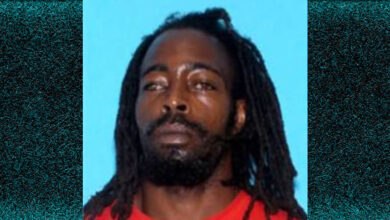
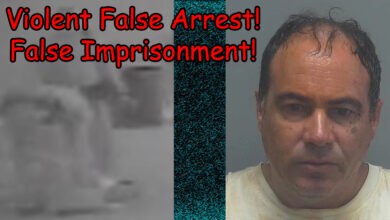
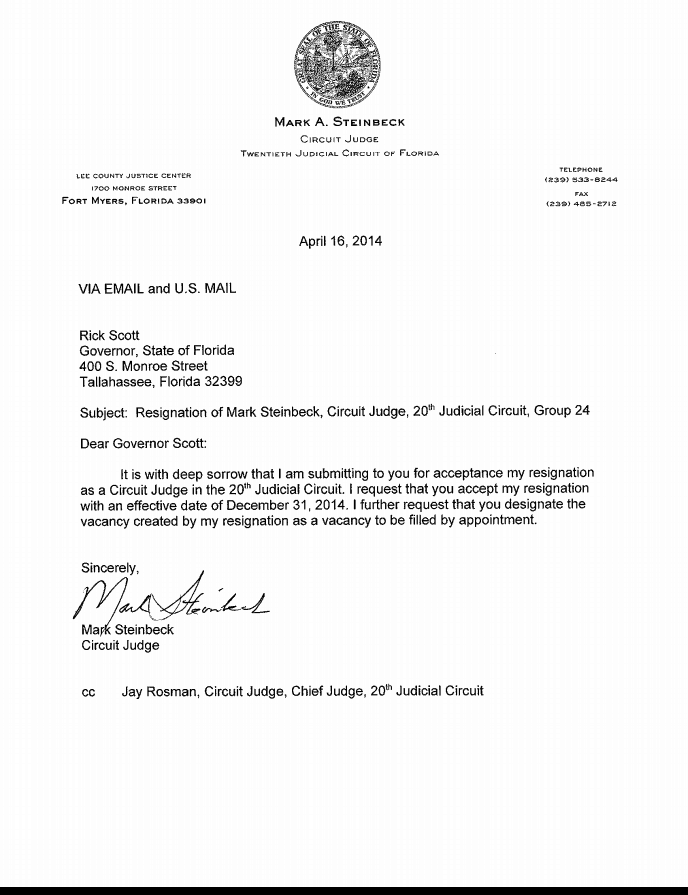
“Greetings world! We are Anonymous!” Our exposure today comes from inside the Kingpin Lee County Florida Sheriff Mike Scott’s corrupt Lee County Florida jail. This is where in fact more conspiring antics are taking place on Gregory Scott Goodyear! He had been baker acted by Armor Health Services on May 18th, 2017, in which a 72-hour hold has passed. Arrested on another manufactured warrant on May 15th by Cape Coral Florida Police for alleged pre-trial release violations signed by Judge Joseph C. Fuller! He was instantly thrown in the mental health part of the jail to humiliate him, and immediately cleared by three counselors. This stunt is only to save face and attempt to get out of more crimes in which the Federal Government has Sheriff Mike Scott under federal control. Anonymous has been working closely with multiple F. B. I. sources and Homeland Security for many months based off of their information. In October of 2015, it came to the attention that Lee County Florida circuit court judge Mark Steinbeck resigned in 2014. It was later discovered he was over-seeing cases in 2015 and exposed by Anonymous entities in June of 2016 in our attack on the Governor Rick Scott of the great state of Florida while incarcerated at this time, gaining more information on the corruption secured by drug cartel activities in the 20th circuit. It has been made aware that many prisoners are coming back on appeal from prison due to this fraud taking place on the bench in Lee county Florida; as Mark Steinbeck and company, along with his corrupt friends have been caught.
“We are the Anonymous Legion; and we are watching. We do not forgive. We do not forget. Expect us.”
PROOF of Mark Steinbeck’s Resignation on December 31st of 2014:
Where the Officials in This Update Ended Up
The two figures this update leans on most — Lee County Sheriff Mike Scott, repeatedly called the “Kingpin” here, and former Circuit Judge Mark Steinbeck — never faced the federal reckoning the piece anticipated. Mike Scott held the sheriff’s office from 2004 until 2018, when he stepped down rather than seek another term, and no public indictment followed the allegations documented across this Goodyear series. Governor Rick Scott then handed the agency to Scott’s own undersheriff, Carmine Marceno, who won election in 2020 and was re-elected in 2024. The leadership accused here of running a “corrupt Lee County jail” simply changed faces while staying inside the same command structure.
The same pattern held over the State Attorney’s office that this series accuses of looking the other way. Stephen B. Russell left the 20th Circuit’s top prosecutor post in 2018 after roughly sixteen years and backed his chief assistant, Amira Fox, who was sworn in during January 2019 as the first woman and only the third State Attorney of the circuit since 1969. For readers who followed the claims here — the manufactured warrant, the Baker Act used to humiliate a man cleared within hours, and a resigned judge said to have heard cases he had no power to hear — the central question was always whether anyone outside that circle would be held to account. None of the officials named here ever were, which is why The AEGIS Alliance keeps this record on file. Related reporting: the original Goodyear release message, Judge Steinbeck’s resignation, and the fabricated search warrant.
The Successor Now Has His Own File
The man who inherited Mike Scott’s office is no longer just a footnote. In November 2025, two federal investigations into Lee County Sheriff Carmine Marceno — allegations of money laundering and misappropriation of public funds — were closed after going to a grand jury, following the firing of Assistant U.S. Attorney Mike Gordon. The claims did not vanish with the FBI file.
In January 2026, Ken Romano, a Bonita Springs jeweler Marceno once called his “most loyal friend,” filed a complaint with the Florida Commission on Ethics. The Florida Trident and WGCU confirmed in May 2026 that the commission opened an investigation into a no-show consulting contract paid with taxpayer money, gifts that never appeared on financial-disclosure forms, and cash allegedly kicked back to the sheriff’s father. Undercover FBI recordings capture Marceno assuring Romano that “what you do with your personal money is your personal business.” Marceno has called the kickback claims “completely false.” In June 2026 the Ethics Commission extended the probe by 60 days. The FBI walked away. The state file is still open.
The Closed-Door Hearing In Tallahassee
On August 28, 2026, Lee County Sheriff Carmine Marceno was due in Tallahassee for a closed-door Florida Commission on Ethics hearing on a second investigation — this one built around a complaint by former LCSO commander James Bogliole, including a 2024 whistleblower letter to the U.S. Department of Justice that WINK News reported the year before. The Florida Trident and WGCU said the session would hear staff findings and a probable-cause recommendation in executive session. The file stays sealed until the case is resolved. That is a second track, not a substitute for the Romano kickback probe. The nameplate on the sheriff’s door changed in 2018. The questions The AEGIS Alliance asked about the Lee County Sheriff’s Office did not.