
Wasilla Cardiologist Ryan McDonough Died With His Child-Abuse-Material Case Untried While a Neighboring Doctor Received 41 Months

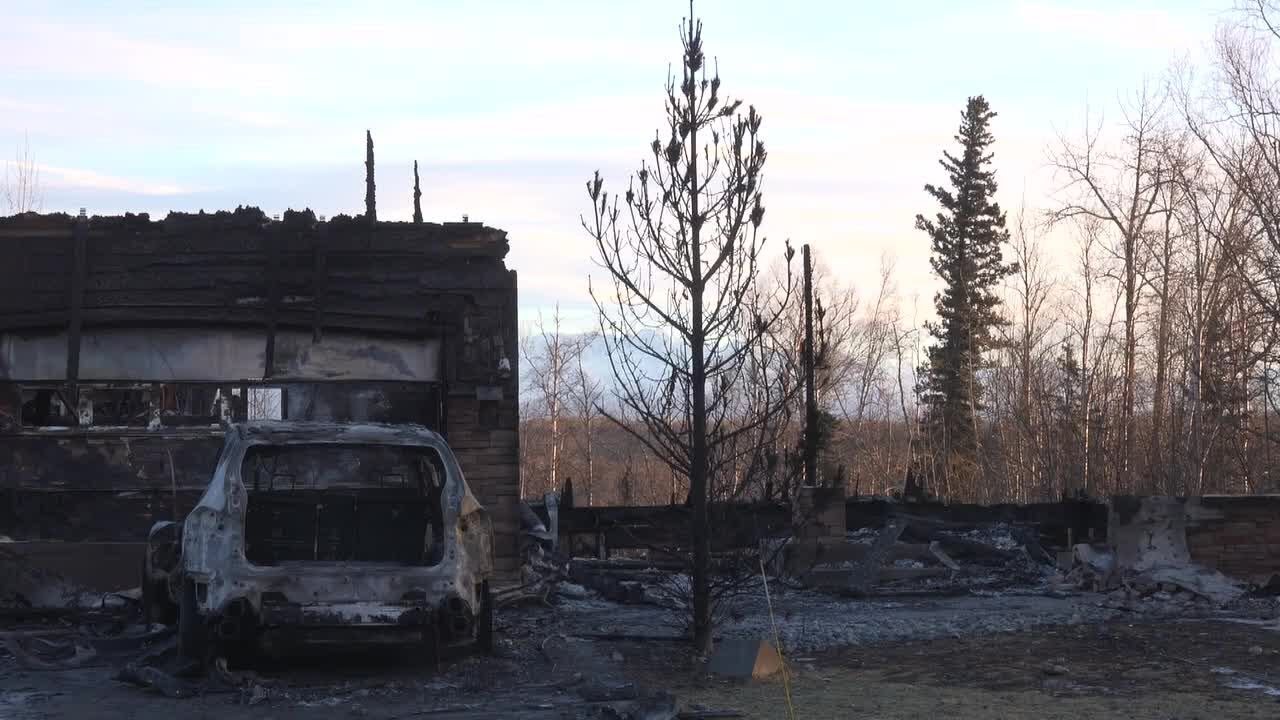
Two Wasilla physicians were charged in 2025 with possessing child sexual abuse material. Only one of those cases reached a sentence. On June 15, 2026, U.S. District Judge Sharon Gleason sent neurologist Jeffrey Sponsler to federal prison for 41 months, ordered a $20,000 fine, and put 15 years of supervised release on the back end of the term. He had pleaded guilty on March 5 to one count. The other defendant, cardiologist Ryan McDonough, died inside a burning house on West Discovery Loop two days after his own arrest. His ten state felony counts will never be read to a jury in Palmer. (U.S. Attorney’s Office, District of Alaska, Anchorage Daily News)
McDonough was 46. He had been an interventional cardiologist at Mat-Su Regional Medical Center, a short-term appointee to the Alaska State Medical Board, and, as of December 11, 2025, a defendant who had just pleaded not guilty. On January 12, 2026, the State Medical Examiner’s Office ruled that he died of a self-inflicted gunshot wound. Troopers said a preliminary inquiry found no sign that foul play played a part in the death. The criminal case ended because the defendant was dead. That is a legal fact, not a verdict. The images described in charging papers were never tested in court.
If you or someone you know is in crisis, call or text 988 in the United States to reach the Suicide and Crisis Lifeline, 24 hours a day.
Four days from a task-force arrest to a burned lot
On December 11, 2025, Task Force Dawnbreaker contacted McDonough in Wasilla. The roster on the state dispatch included the Alaska Bureau of Investigation’s Technical Crimes Unit, Homeland Security Investigations, and Anchorage police. He was arrested that day on ten felony counts of possessing child sexual abuse material. Attorney Michael Branson entered the not-guilty plea in Palmer and declined to argue the facts in public. Court reporting said McDonough’s wife posted a $50,000 performance bond. He was released December 12. (Alaska Department of Public Safety)
On December 13, at about 6:50 p.m., troopers took a call about a residential fire on West Discovery Loop while high winds moved through the Mat-Su Valley. A National Weather Service warning that weekend covered communities from Anchorage to the Valley, including Palmer and Wasilla, with gusts that could reach 70 mph. Crews found the structure fully involved. Other people who lived at the address were elsewhere and unharmed. McDonough was the only occupant listed as unaccounted for. Remains of an adult male were recovered December 14 and sent to the medical examiner. On December 15, troopers said the preliminary identification was McDonough. (Anchorage Daily News)

The tip started on a cloud drive in July
Public-safety summaries and later news accounts trace the investigation to a cyber tip from the National Center for Missing and Exploited Children. The platform named in that reporting is Dropbox. The upload window cited is late July 2025. Anchorage police, the state’s Internet Crimes Against Children contact, received a follow-up tip, and the case moved onto warrants for an internet provider plus Google and Dropbox accounts. In November the task force searched the Wasilla house and seized devices for forensic review. The December 11 arrest came after that review, not before it. A preliminary hearing had been set for late December in Palmer District Court. The fire landed first.
Because McDonough is deceased, the ten counts stop. No court has adopted the state’s theory as a finding of guilt. Readers who collapse an arrest, a bond, and a fatal fire into a single moral should keep that separation. Charging papers are an accusation. A medical examiner’s ruling answers a different question. Neither one is a trial.
A board seat measured in months
Governor Mike Dunleavy appointed McDonough to the Alaska State Medical Board in August 2025. By the arrest, his name was already off the roster. Reporting from Alaska Public Media and KYUK said he resigned in November after he stopped attending required meetings. A spokesperson said the governor “was never aware of any criminal investigation against him,” and noted that a background check does not reveal an active or future case. Mat-Su Regional’s spokesperson, Deena Straub, said the hospital terminated him on December 11, the day of the arrest, after learning of the charges. He had previously worked at the Alaska Heart and Vascular Institute. (KYUK)
That timeline is the civic question that outlives the criminal file. A summer cyber tip, a November search, a November resignation from a licensing board for missed meetings, and a hospital firing that arrived the same day as the handcuffs. The governor’s office can say, accurately, that an appointment background check does not display an open investigation. It does not answer how a hospital credential and a board seat are supposed to react in the months when agents already have devices and the public still has a doctor on the schedule.
The fire file did not close when the death ruling did
The State Fire Marshal’s Office took origin and cause. The January 12, 2026 trooper statement still described that work as active. The medical examiner answered how McDonough died. Troopers said foul play was not suspected in the death. No later public release has labeled the December 13 blaze accidental, intentional, or suspicious. Tess Williams, speaking for the Department of Public Safety in December, said investigators weigh the physical scene, the evidence, and interviews. A ruling on manner of death is not a fire report. The two files shared an address. They are not the same document. (Alaska’s News Source, Radio Kenai)
High wind is context, not a conclusion. Fully involved structures on windy nights produce ambiguous burn patterns, which is why marshals exist. Until that office speaks, anyone who narrates the fire as a solved event is ahead of the paperwork.
The other Wasilla case did reach a courtroom
Sponsler’s prosecution shows what a completed file looks like in the same valley. Federal agents began looking at him in February 2025 after another person reported seeing illegal material on a laptop. A search of his home produced a large collection of illegal images and videos. A grand jury indicted him on May 21, 2025. He practiced neurology, owned the Alaska Brain Center, held consulting privileges at Mat-Su Regional, and also owned a karate, music, and dance studio. He surrendered his medical license in December 2025 while the state medical board looked at the arrest. Prosecutors agreed to recommend the low end of the guideline range. Gleason imposed 41 months, which the Justice Department’s release described as 3.4 years, close to the roughly 42-month average the government cited for similar cases. The statutory maximum on the count was 20 years. The plea, the fine, and the 15 years of supervision are now on a judgment. McDonough’s docket has none of that.
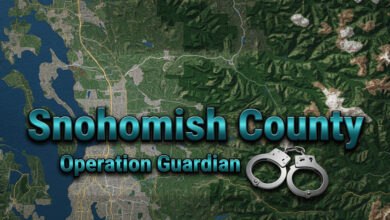
The AEGIS Alliance covers these files as crime and accountability, not as a sport. Related reporting includes the New Jersey Operation Bad Santa sweep, the Operation Guardian arrests in Snohomish County, Washington, the El Cajon Bible-teacher case, and the Florida Navy commander arrest. The through-line is how long a cyber tip can sit before an employer or a licensing board hears about it. More of that desk is in Crime News.
What is closed, and what is only quiet
Closed: the felony prosecution against Ryan McDonough. Closed: the identity of the remains from West Discovery Loop. Closed, on the medical examiner’s paperwork: the manner of death, with no suspected foul play. Closed, in a different courthouse: Sponsler’s federal possession case, with a prison term that started from a June 2026 sentencing.
Not closed in any public document this desk has seen: the origin and cause of the December 13 fire. Not tested: the state’s theory of what was on the devices seized in November, which no longer has a living defendant. Not answered: how a physician appointed in August, off the board by November, and fired by a hospital on the day of arrest spent the months in between on a case that had been building since a summer tip.
If you suspect child abuse, the Childhelp National Child Abuse Hotline is 1-800-4-A-CHILD (1-800-422-4453), available 24 hours a day.
The AEGIS Alliance will treat a fire-marshal cause finding as news if one is released. Until then the record is the one in the dispatches and the June sentencing down the road: a cardiologist charged and never tried, a house that burned with one person inside, a medical-examiner ruling, and a neighboring doctor who did stand in front of a federal judge and received 41 months. Those are not the same ending. They happened in the same valley, in the same year, under the same category of charge.



The picture posted isn’t even the actual offender. What kind of journalism is this??