
Pennsylvania Mother Sentenced After Son With Cerebral Palsy Starved to Death While Paid Caregivers Billed Hours They Never Worked

Tylim Hatchett could not feed himself, could not call for help, and could not leave the apartment in Dresher, Pennsylvania, without another adult moving him. He was 21, blind, deaf, and living with cerebral palsy. On September 18, 2024, Upper Dublin Township police walked into that apartment after a delayed 911 call and found him on the floor. He weighed 59 pounds.
The Montgomery County Coroner’s Office later wrote the sentence that should have ended the argument about “medical complexity.” The cause of death was complications of cerebral palsy in the setting of neglect. The manner of death was homicide. Disability did not starve him. The people paid, and trusted, to keep him alive did.


The Call That Came Almost Two Hours Late
Police were dispatched around 7:50 p.m. to an apartment complex in Dresher, inside Upper Dublin Township. Vernon Hatchett, Tylim’s father, was at the scene. Investigators say he told them he found his son unresponsive around 6 p.m. and then waited nearly two hours before anyone dialed 911. Tylim was pronounced dead where he lay.
District Attorney Kevin R. Steele stood at a podium days later and described a young man who required total care: meals, medication, hygiene, and the simple presence of another person. Tylim could not self-medicate. He could not reach a phone. He could not object when the adults who billed for his hours were somewhere else.
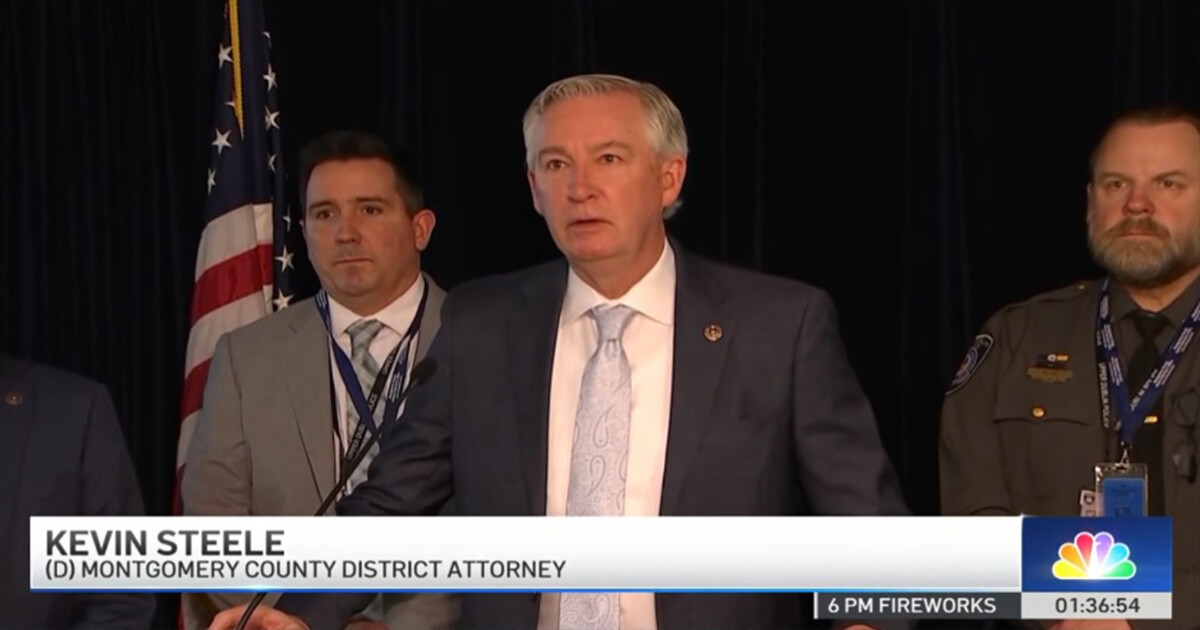
Records obtained through the home-care company, Aveanna Healthcare, showed how far that absence ran. Between September 1 and September 18, 2024, prosecutors said Tylim was left alone for 356 of 425 hours. That is 82 percent of the window immediately before his death. Some stretches lasted as long as 24 hours. Cell-phone data, Steele’s office said, showed caregivers “clocking in” without being in the apartment.
Weight charts told the same story in pounds. Tylim had been around 90 pounds seven months earlier. He lost 31 pounds in that stretch. Fifty-nine pounds is not a “thin” adult with a disability. It is a body that has been denied food.
Who Was Charged, and Who Is Still Missing
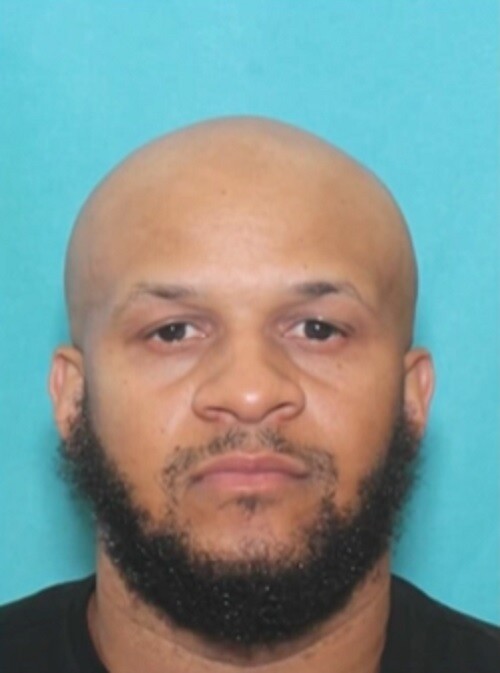
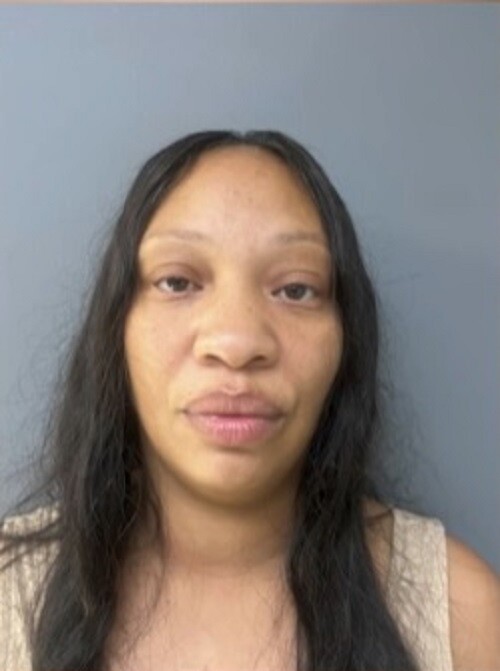
Sherrilynn Hawkins, then 42, of Dresher, is Tylim’s mother. She and Loretta Harris, then 45, of Philadelphia, were taken into custody after Steele announced the case on December 31, 2024. Vernon Hatchett, then 39, of Glenside, also known as Khaliyl Ward, was not. Steele called him dangerous, said he knew he was wanted, and asked the public to treat a sighting as a police matter.
The charging sheet was not a single count of neglect. Hawkins faced first-degree murder, third-degree murder, neglect of a care-dependent person, abuse of a care-dependent person, theft by deception, and related counts. Harris faced neglect of a care-dependent person and theft by deception. Vernon Hatchett faced neglect of a care-dependent person and involuntary manslaughter, later expanded in court papers to include abuse of a dependent and conspiracy to commit involuntary manslaughter.
The theft counts matter because they convert a household tragedy into a billing case. Hawkins and Harris, prosecutors said, served as paid caregivers through Aveanna and submitted hours for work they did not perform. Money moved. Tylim did not eat. Aveanna has said it maintains compliance programs and location-validation technology and that it is cooperating. Steele said his office was looking at the company’s oversight as well as the three named defendants. A home-care vendor that pays people to sit with a dependent adult is not a spectator when the hours are fake.
The Plea, the Sentence, and the Man Who Did Not Appear
On October 20, 2025, Hawkins stood in Montgomery County Common Pleas Court before Judge Wendy G. Rothstein and pleaded guilty to third-degree murder, neglect of a care-dependent person, theft by deception, and conspiracy to commit theft by deception. Rothstein sentenced her to 25 to 50 years in a state correctional facility. First-degree murder dropped out of the live counts. The remaining record is still a homicide case with a multi-decade sentence.
Loretta Harris later pleaded guilty to neglect of a care-dependent person and was set for sentencing. Vernon Hatchett did not come in. The U.S. Marshals Service joined the hunt. The county first posted a $7,500 reward for information leading to his arrest. In March 2026, after he had been a fugitive for roughly 15 months, officials raised that reward to $10,000. He remains wanted.
That gap is the part of the file that should keep child-welfare and adult-protective offices awake. One parent is in state prison. A paid caregiver has admitted neglect. The third adult, described by the district attorney as dangerous, is still on the street. A wanted poster is not a care plan.
What a Care-Dependent Charge Is For
Pennsylvania’s neglect-of-a-care-dependent-person statute exists because the criminal code already knew that some victims cannot walk into a station house. The statute is supposed to reach the adult who takes money, or takes custody, and then withholds food, medicine, or the presence the victim cannot supply for himself. Tylim’s file is that statute in its raw form. He was not a toddler who could scream at a neighbor. He was a 21-year-old whose entire survival sat inside other people’s calendars.
The AEGIS Alliance has seen that pattern in other rooms. A Waterbury, Connecticut, stepson set his own bedroom on fire to escape two decades of alleged captivity. A New Jersey mother who drugged her daughters later died in an Arizona prison. Those cases are not identical. They rhyme. In each one, the people closest to a dependent person treated that dependence as a private inconvenience instead of a legal duty.
Neighbors will be asked, as they always are, what they heard. Caseworkers, if any were assigned, will be asked what they saw on paper versus what a 59-pound body looks like on a floor. Those questions do not replace the charges. They are the after-action report a county owes when a billed caregiver can stay clocked in from somewhere that is not the apartment.
The Vendor Problem No Press Conference Should Soften
Home-care companies sit between Medicaid-funded hours and the kitchen. They sell supervision. They sell medication prompts. They sell the idea that a family that cannot do this work alone can buy the hours. When those hours become a timesheet exercise, the company is not a bystander. Location pings, visit verification, and unannounced checks exist because this exact death is the known failure mode.
Aveanna’s public statement after the arrests emphasized policy and cooperation. That is the minimum language every vendor uses when a prosecutor is already in the building. The useful test is whether the company can show that its systems flagged 356 missing hours in 18 days before a homicide ruling, or whether those systems only became interesting after the coroner finished. Steele said the investigation into oversight was open. It should stay open until someone explains how a totally dependent adult can be alone for four days out of every five in the last weeks of his life without a supervisor noticing.
Readers who follow disability neglect through this newsroom can start in the crime news file and in the Pennsylvania cases that keep landing on the same theme: a dependent person, a household that collected money or control, and a justice system that arrives after the weight is already gone. A Pennsylvania father and his girlfriend were charged after a 12-year-old was allegedly shackled. Different ages. Same question about who was watching the watchers.
What Still Has to Happen
Hawkins is serving a 25-to-50-year term. Harris has admitted neglect. Vernon Hatchett is a fugitive with a five-figure reward on his head. Adult Protective Services, the coroner, and Aveanna still owe the public a timeline that shows every missed visit, every billed hour, and every chance a supervisor had to knock on the door in Dresher before September 18.
Tylim Hatchett did not die because cerebral palsy is fatal in the way a sudden stroke is fatal. He died because the adults who were supposed to put food in front of a man who could not feed himself stopped doing it, kept taking the money, and then waited almost two hours to call for help when the body on the floor could no longer be ignored. The AEGIS Alliance will follow the remaining sentencing, the manhunt, and any civil or regulatory action that treats this as a systems failure instead of a single household that “fell through the cracks.” Cracks do not clock in from another ZIP code.
Anyone who believes they have seen Vernon Hatchett, also known as Khaliyl Ward, should call 911 rather than attempt contact. Steele already said the man knows he is wanted. That is enough reason to leave the arrest to people with badges.










Typical n shit