Arizona DCS Knew the Tempe Family for Years Before Disabled Teen Melony Granados Died After Being Kept in a Makeshift Cage


The last adult who could have been tried for locking a disabled 13-year-old in a bunk-bed cage died in a Maricopa County jail cell. What she left behind is not a verdict. It is a Department of Child Safety file that stretches from 2008 to the morning paramedics carried Melony Granados out of a Tempe townhouse.
Melony was born with myoclonic atonic epilepsy and a developmental delay that left her with the understanding of a toddler. On the night of January 22, 2025, her grandmother, Virginia Lujan, told arriving medics the girl had fallen down the stairs. Melony died the next morning at a hospital. The Maricopa County Medical Examiner’s Office later classified the death a homicide. Disability advocates who keep a public memorial listed the cause as a head injury.
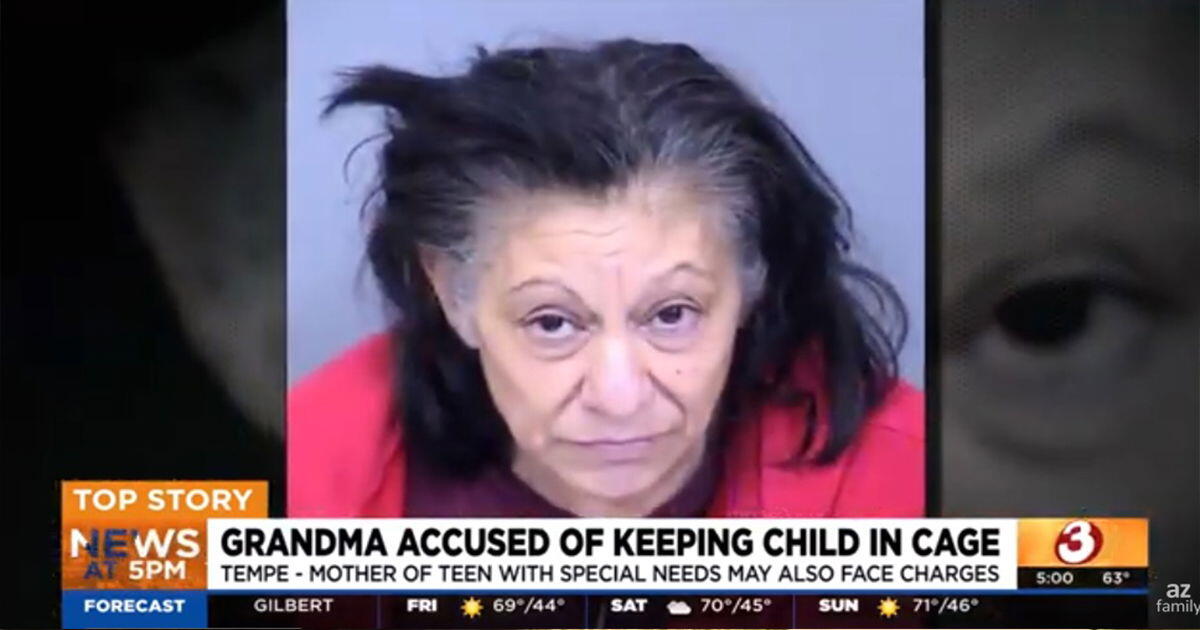
Lujan, 55, and Melony’s mother, Jami Hodges, 33, were both arrested on felony child-abuse charges. Relatives and the two women themselves later told detectives the enclosure was used to “control” the teenager. Lujan never faced a jury. The Maricopa County Sheriff’s Office said she died of natural causes in September 2025 while still in custody. Hodges had been booked and released. Public records still list her as charged. Four of Melony’s siblings were already in state care.
What Detectives Walked Into
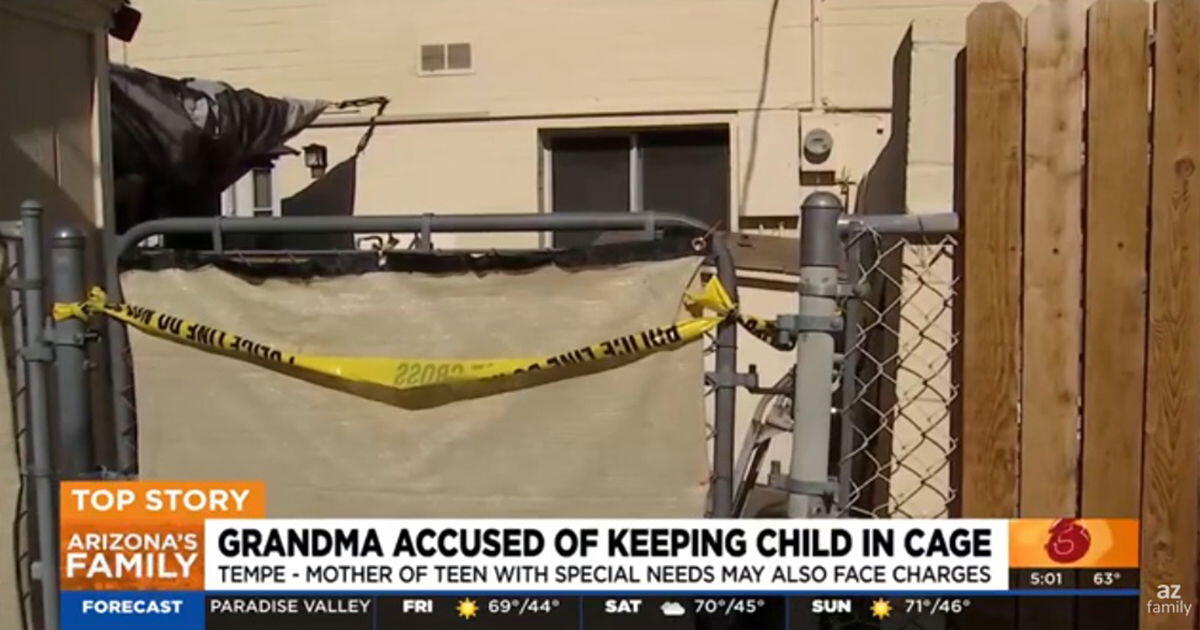
Tempe police said the structure used to confine Melony was filthy. FOX 10 Phoenix and the New York Post described a cage soiled with feces and a child whose body showed bruises and open sores. Investigators said the rest of the home was strewn with trash and insects.
On February 5, 2025, a Maricopa County grand jury indicted Lujan on eight counts: two felony counts of child abuse, two felony counts of tampering with physical evidence, one felony count of tampering with a witness, and three misdemeanor counts of contributing to the dependency of a child. She was held on a $500,000 secured bond. Tempe Police Detective Natalie Barela said at the time, “This is one of those cases that really affects everybody involved. It’s very difficult to investigate, but we’re going to do everything we can to make sure that justice is served in this case.”
The homicide ruling arrived months later, after the body had been examined and the living conditions documented. ABC15 reported the medical examiner’s finding in early October 2025, around the same window local outlets confirmed Lujan was dead. A homicide classification is not an automatic new indictment. It is a medical-legal label that prosecutors can use, ignore, or sit on.
The State Had Been Here Before
The part of this case that should travel farther than a mugshot is the contact history.
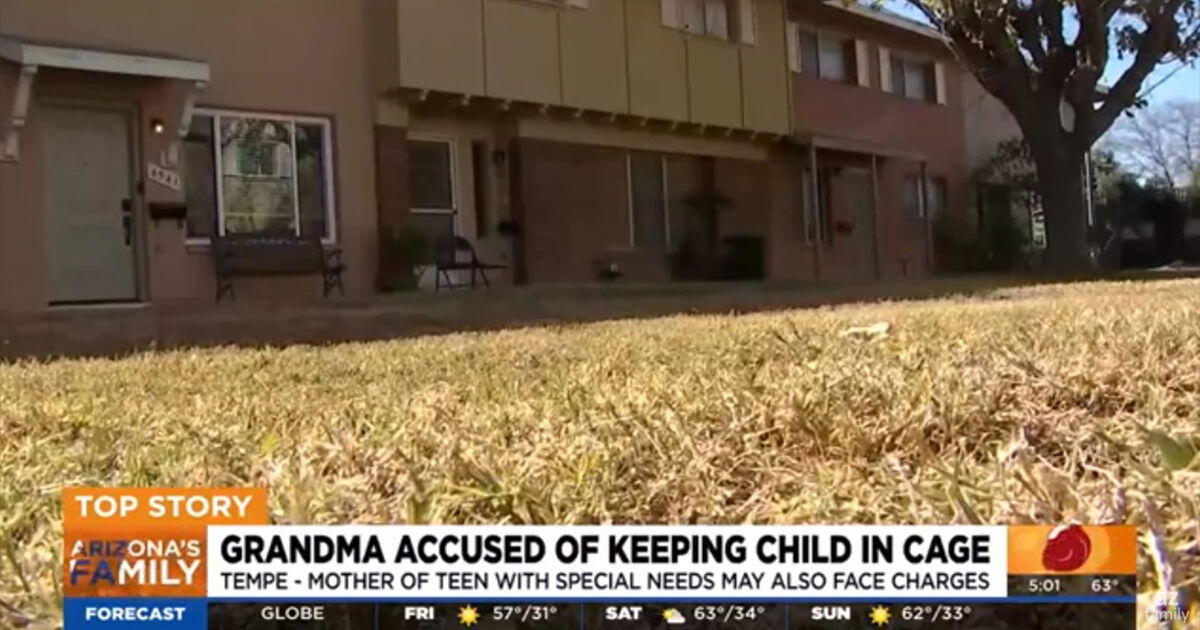
On November 17, 2025, Arizona’s Department of Child Safety released a preliminary fatality report showing the family had been known to the agency since 2008. Early allegations against Lujan were marked unsubstantiated. In 2019, DCS substantiated neglect by Melony’s parents, removed the children, and placed them with Lujan. The children were briefly returned to their mother in 2020, then removed again and placed back with Lujan in 2021. In October 2022, another neglect report naming Lujan came in and was again marked unsubstantiated.
Kinship placement is sold as the humane alternative to a stranger’s foster home. In this file, the relative later accused of building the cage was the same adult the state used as a landing pad. That is not a plot twist. It is how the system often works when a caseworker needs a bed and a grandmother already has a file.
Arizona’s child-welfare docket has been under strain for years. AZ Central reported a backlog of records on appeal so severe that Judge Samuel A. Thumma of the Arizona Court of Appeals warned it “prejudices the rights of parents and children” in time-sensitive cases. A backlog does not by itself explain a soiled bunk and a homicide ruling. It does explain how a name can sit in a cabinet until the next 911 call.
A Pattern, Not an Isolated Horror
Melony’s death did not land in an empty state. In Phoenix, police arrested a woman after children in her care escaped being tied, beaten, and tased. Elsewhere in Arizona, an 11-year-old with medical conditions died in a neglect case, and a 9-year-old was found dead in a sitting position in another abuse investigation.
Those files share a shape The AEGIS Alliance has tracked across state lines: a disabled or medically fragile child hidden inside a private home, discovered only after the damage cannot be undone. A Connecticut man allegedly held for two decades had to set a fire to get out of a Waterbury house. A New Jersey mother convicted of killing her daughters later died in an Arizona prison. The addresses change. The warning signs do not.
Child-protection agencies like to talk about “substantiated” and “unsubstantiated” as if those stamps were science. They are judgments made under caseload pressure. An unsubstantiated report in 2022 did not mean Melony was safe. It meant the agency closed a loop and moved to the next address on the list.
What Closed When Lujan Died
Lujan’s death shut the main prosecution. There will be no cross-examination of the person police identified as Melony’s primary caregiver. There will be no sentencing hearing that puts the cage, the sores, the stair story, and the DCS contacts on one public record in front of a jury.
That is why the fatality report matters more than the booking photo. It is the document that shows the state had names, dates, and prior removals long before January 2025. Repeated contacts are supposed to be a rising signal. In this file they read like a reset button.
Hodges remains the living defendant tied to the original child-abuse arrest. Whether prosecutors add counts after the homicide ruling, or whether her case stays at the charge filed in January 2025, is the open legal question. Tempe police have described the death investigation as active even after Lujan died. Active is not the same as charged. Charged is not the same as tried.
Reviews Are Not a Substitute for a Living Child
Governor Katie Hobbs called for a review of the state’s child-welfare system after this and other cases, saying every child “deserves to grow up in a safe, nurturing environment.” Reviews produce memos. They do not cut caseloads, speed record-filing on appeal, or write a rule that a relative placement gets a harder look when that relative already has unsubstantiated reports in the same cabinet.
The new angle is not that one grandmother was cruel. Cruelty inside a locked room is old news in this country. The angle is that Arizona already had the family on paper, already removed the children, already handed them back to the same household, and still needed a 911 call and a homicide finding to treat the file as an emergency.
Melony Granados was 13. She could not write a complaint, walk to a neighbor’s porch on her own terms, or explain to a caseworker what the bunk-bed frame was for. The adults around her could. Some of them had been on the state’s contact list for 17 years. The cage was still there when the paramedics arrived. The paper trail is still there now. The trial that might have read that trail out loud is not.