Arizona Closed Melony Granados’s File When Virginia Lujan Got Guardianship. She Later Died in a Tempe Cage the Examiner Called a Homicide


The Arizona Department of Child Safety did not discover Melony Granados in January 2025. It had already closed her. On November 24, 2021, after a judge granted her maternal grandmother guardianship, the agency shut a substantiated neglect case and walked away. Melony was a child with myoclonic atonic epilepsy and a developmental delay that police later described as leaving her with the understanding of a toddler. The adult the state chose as her guardian is the same woman detectives would accuse of building a cage out of a bunk bed.
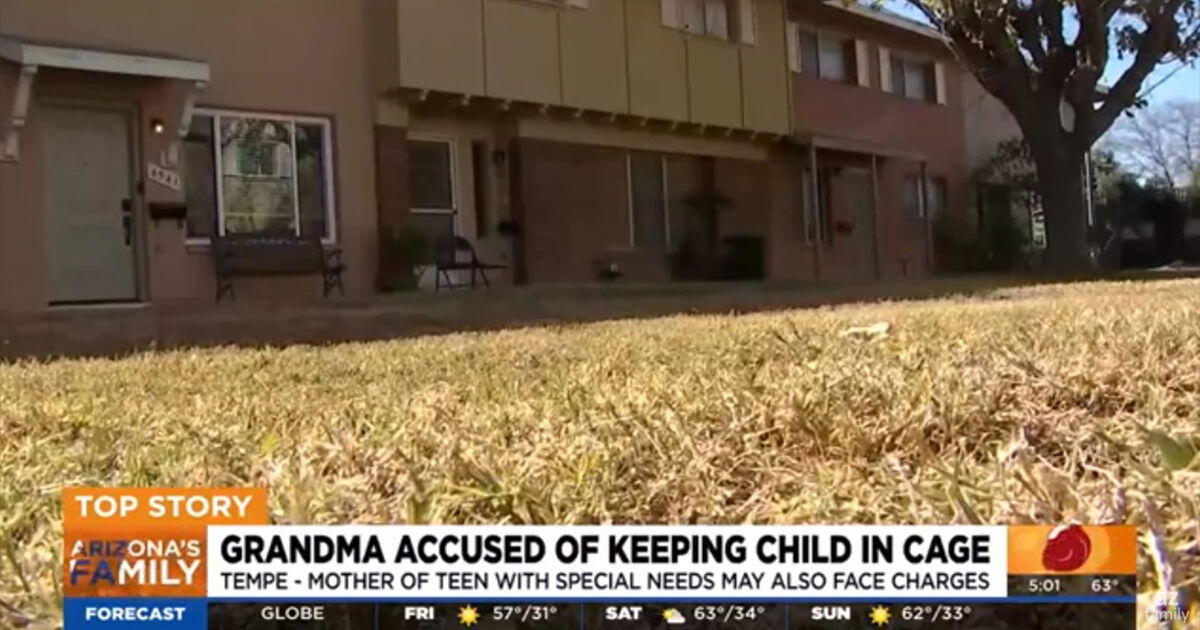
Melony died on January 22, 2025, the morning after she was carried unresponsive from a Tempe townhouse near U.S. 60 and Mill Avenue. She was 13. Court papers cited by the Arizona Republic say she went into cardiac arrest on the way to the hospital and was pronounced dead at Cardon Children’s Medical Center in Mesa. Her grandmother, Virginia Lujan, 55, told arriving officers the girl had fallen down the stairs days earlier and that she had not called a doctor because she thought Melony would be fine. Police found a hole in the drywall with a clump of hair stuck in it.
The Maricopa County Office of the Medical Examiner ruled the death a homicide. That finding is dated October 29, 2025, in the state’s own fatality paperwork. By then Lujan was already dead. The Maricopa County Sheriff’s Office said she died of natural causes in jail in September 2025, before any jury heard the stair story, the hair in the drywall, or the reason the bunk had been turned into a pen.
What the Townhouse Looked Like When Officers Walked In
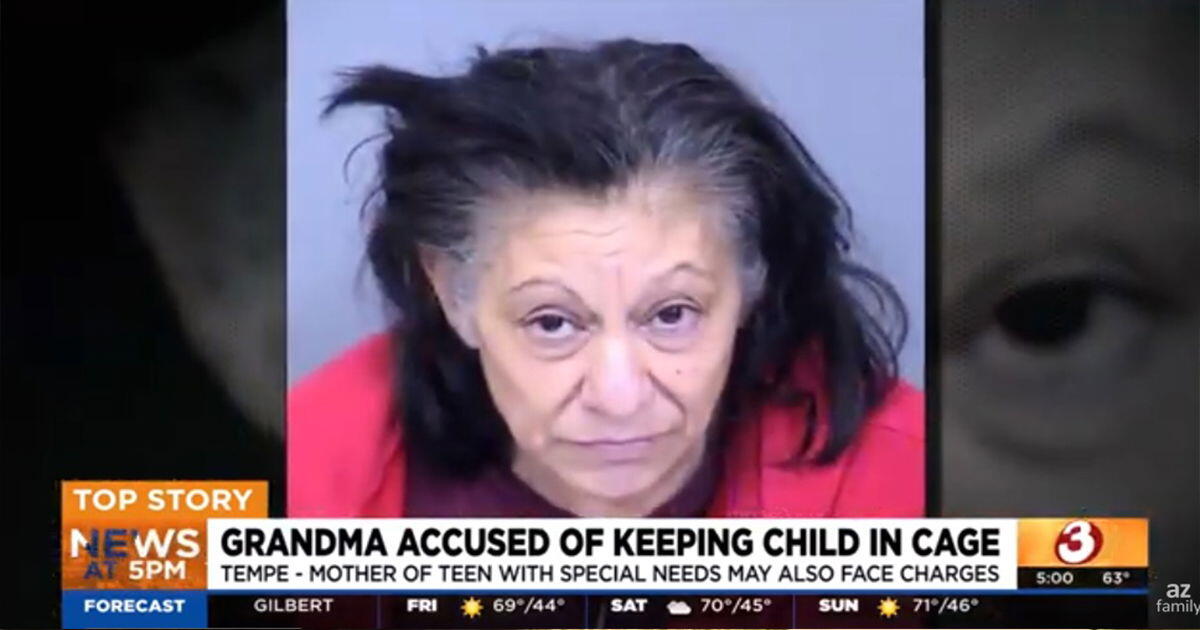
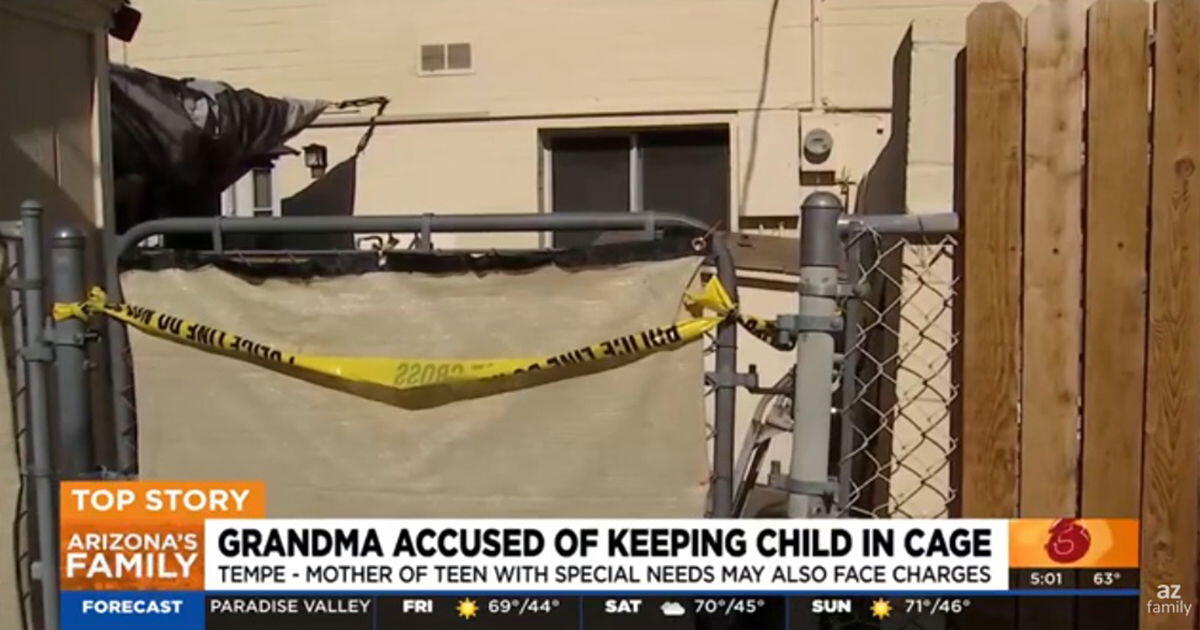
ABC15 and Tempe police described a makeshift enclosure of bars and baby gates, held together with zip ties, sitting on a bunk frame. The floor inside it was covered in feces and urine. Officers said the smell was overwhelming, the rest of the house was trash and insects, and Melony’s body carried bruises and open sores in different stages of healing. Lujan and Melony’s mother, Jami Hodges, both told police the enclosure existed “to keep control of her.”
Tempe Police Chief Kenneth McCoy called the conditions horrible and said no child should have to endure that kind of suffering. Officer Jessica Ells drew a line the charging documents still have not erased: Lujan had the day-to-day care, and Hodges was only staying in the house for a while. Hodges, then 33, told investigators she did not know about the alleged fall and that she had not been seeing her daughter regularly. She had moved in after her trailer was damaged. Court papers say she also told officers she felt unable to care for Melony and had been avoiding her.
Hodges was booked on a felony child-abuse charge and released with no bond while detectives kept working. Lujan was held on a $500,000 secured bond. On January 31, 2025, a Maricopa County grand jury indicted Lujan on two felony counts of child abuse, two felony counts of tampering with physical evidence, one felony count of tampering with a witness, and three misdemeanor counts of contributing to the dependency of a child. County Attorney Rachel Mitchell announced the indictment. A Law&Crime account of the case, aired in June 2026, said the child-abuse counts reach back to November 9, 2021, the same season the state was transferring the children into Lujan’s guardianship.
Seventeen Years of Paper, Then a Closed Door
The preliminary fatality report DCS dated November 4, 2025, is the document that makes this more than a single house of horror. It lists four prior contacts, and the pattern is a loop.
On April 30, 2008, someone alleged neglect by Lujan. The report was unsubstantiated. The family refused services. DCS closed the case on May 13, 2008. On November 10, 2019, a report alleged neglect of Melony and her siblings by their parents. Those allegations were substantiated. The children were removed and placed with Lujan, then returned to their mother. That case closed on September 29, 2020. On June 5, 2021, another neglect report came in against the parents and another adult. DCS substantiated the allegations against the parents, removed the children again, and placed them with Lujan a second time. She received guardianship. The department closed the case on November 24, 2021. On October 20, 2022, a new report alleged neglect of Melony and a sibling by Lujan herself. It was marked unsubstantiated. The family was pointed toward community services. The case closed on December 23, 2022.
Kinship placement is supposed to be the kinder door out of foster care. In this file it was also the door that ended supervision. Once Lujan had the children as a guardian, DCS was no longer standing in the living room. Court papers say none of the children were enrolled in school. A child who functions like a toddler cannot enroll herself, cannot walk to a nurse, and cannot explain a zip-tied gate. The adults who could were the adults the state had already decided were the plan.
The Finding Arrived After the Defendant Was Gone
A homicide ruling is a medical-legal label, not an automatic murder charge. It arrived too late to be used against the person DCS named as the alleged perpetrator. Lujan’s death of natural causes ended the indictment that carried the evidence-tampering counts, the witness-tampering count, and the child-abuse counts tied to the cage. There will be no cross-examination of the 911 caller. There will be no jury looking at the drywall.
That leaves Hodges. She was arrested and released. A June 2026 account that walked back through the file said she still had not been indicted and was not in custody. Tempe police have said the death investigation stayed active and that more charges were possible once the autopsy work was done. Possible is not filed. The mother who told officers she had been avoiding her daughter is still the living defendant, and the public record still does not show a trial date.
After the fatality, DCS said it ran a joint investigation with Tempe police, assessed the other children, and placed them with relatives. The department also said it is providing services to the family. Services after a funeral are not the same thing as eyes on a child who was already in a guardianship the agency had blessed. The report’s own footnote says a fatality gets this abuse-or-neglect label when there is an arrest, a substantiated finding, or a medical examiner’s result. Melony’s case eventually had all three. It had them in the wrong order.
Why a Backlog Is Not an Alibi
Arizona’s child-welfare system has spent years failing the clock. The Arizona Republic reported an appeals backlog so deep that Court of Appeals Judge Samuel A. Thumma warned it “prejudices the rights of parents and children” in cases that cannot wait. A clogged docket does not build a cage. It does explain how a name can be substantiated, unsubstantiated, returned, and closed until the next 911 call is the one that counts.
Governor Katie Hobbs has called for reviews of the system and said every child deserves a safe home. Reviews produce memos. They do not rewrite a rule that a relative who already has an unsubstantiated neglect report, and who is about to receive guardianship of a nonverbal disabled child, gets a harder look before the caseworker closes the binder. The AEGIS Alliance has tracked the same shape in other houses: a fragile child discovered only when the harm is finished, including a starvation death of a boy with cerebral palsy and a Pennsylvania case in which a 12-year-old was allegedly shackled. Distance does not make the warning signs new.
The File Is the Case Now
Four other children, ages roughly 2 to 15, were in that house. They are the reason the tampering counts mattered. Someone in a position to clean a scene, or to tell a sibling what to say, was charged with trying. Those counts died with Lujan. The children did not. They are in relative placements again, which is the same category of plan that put them with her in 2019 and 2021. Whether those relatives are being watched more closely than she was is not a line in the preliminary report.
People looking for the next headline will look for Hodges’ name on an indictment that has not appeared. The more durable fact is already public, in a PDF the department posted because a child died. From 2008 to 2022, Arizona had dates, allegations, removals, a return, a second removal, a guardianship, and one last unsubstantiated report against the guardian. Then it had a cage, a homicide ruling, and a defendant who never saw a jury. Melony Granados could not write any of that down. The state already had.
More reporting on child-welfare failures and police cases sits in crime news and U.S. news at The AEGIS Alliance.