Retta Cruse Died in an Arizona Prison After Consecutive Life Sentences for Drugging Daughters Aleyah and Royal McIntyre


The Arizona Department of Corrections, Rehabilitation and Reentry put a name and a number on the notice before it put a story around it. Inmate Retta Cruse, 38, ADCRR #356590, was found unresponsive in her housing unit at the Arizona State Prison Complex-Perryville in Goodyear on Friday, February 21, 2025. Staff started rescue efforts. Paramedics pronounced her dead. The department called the death an apparent act of self-harm by hanging and forwarded the file to the Maricopa County Medical Examiner, the same path every inmate death in Arizona is supposed to travel.
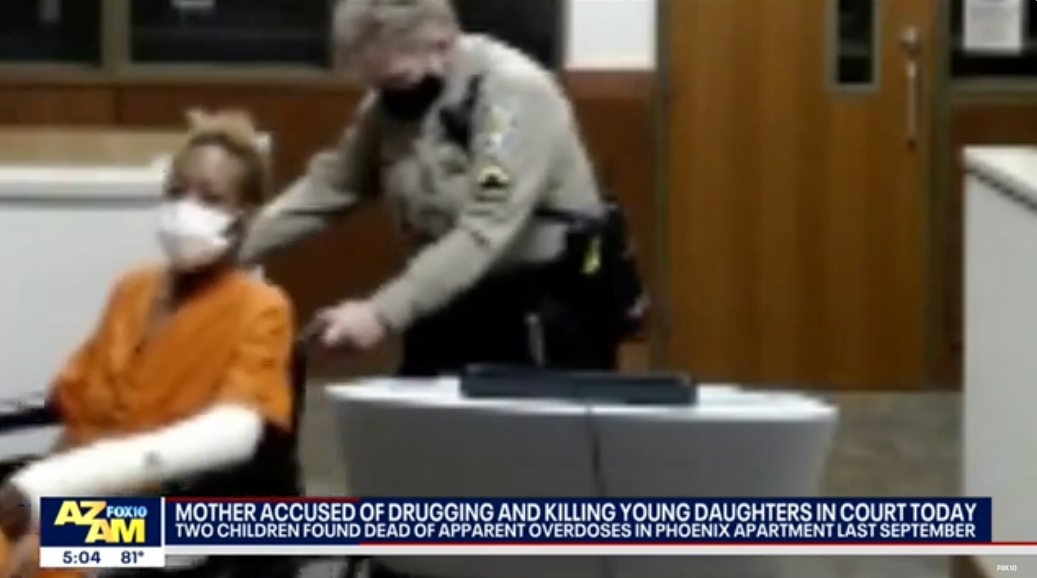
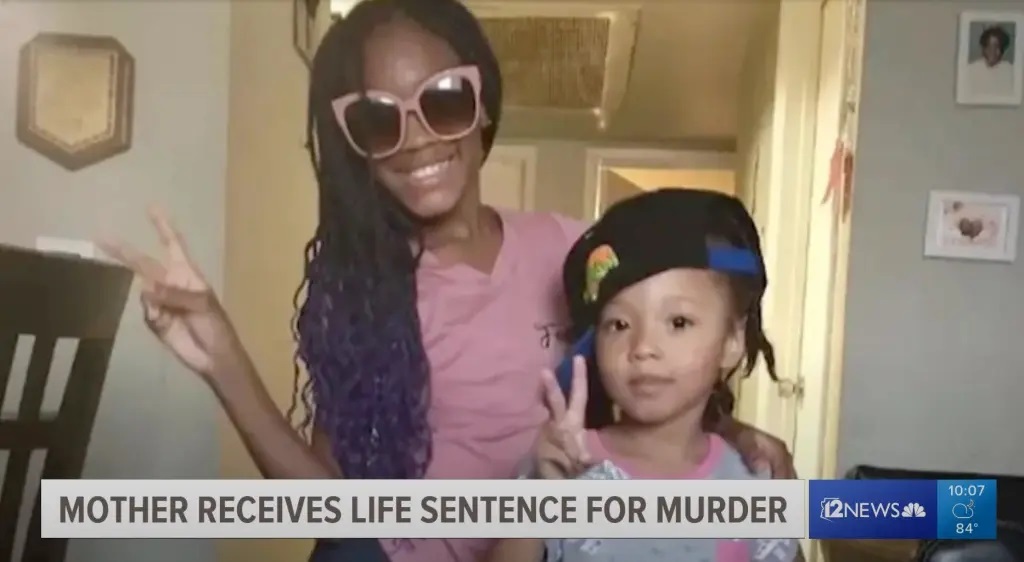
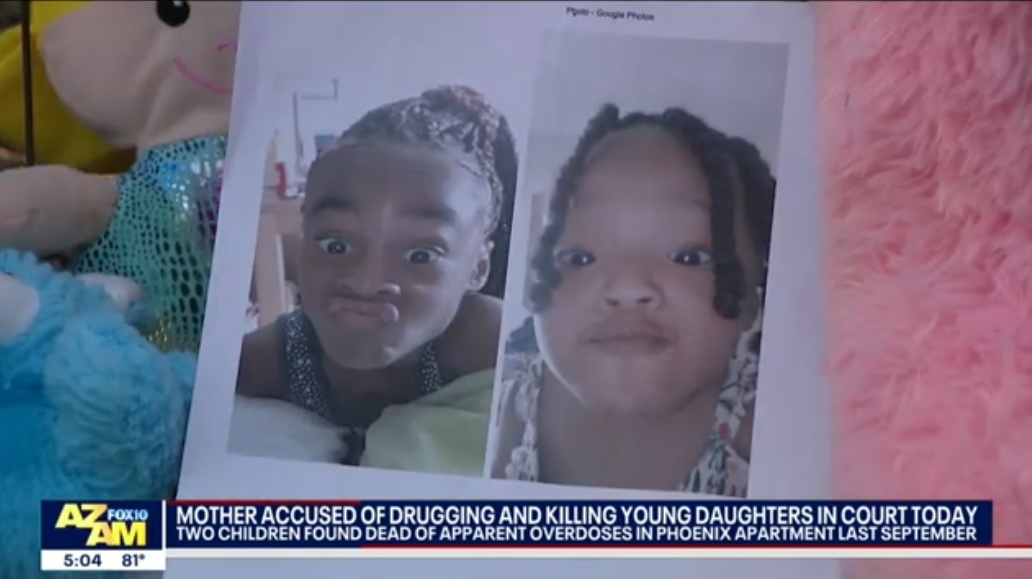
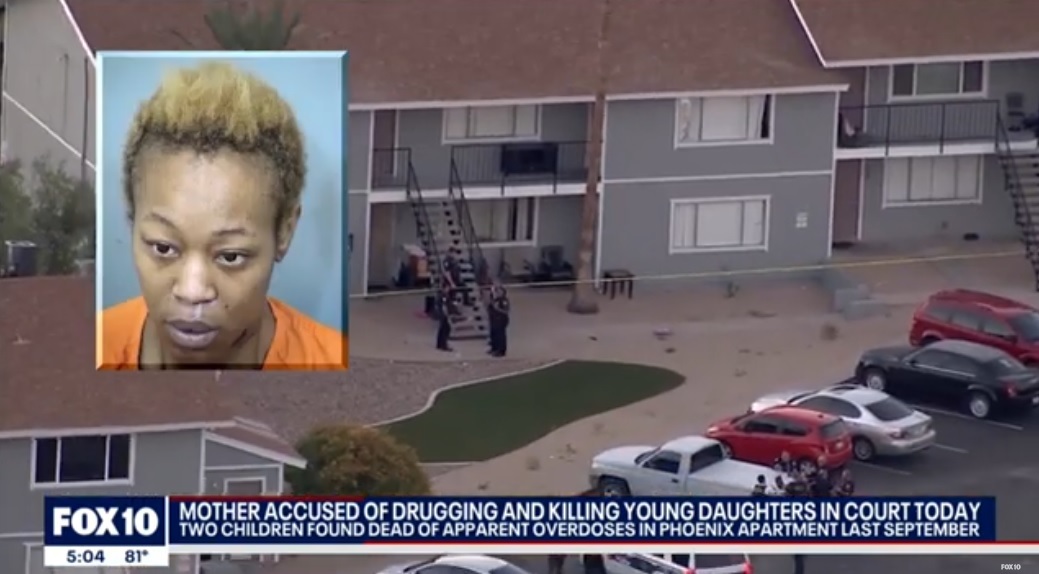
Cruse had been in state custody since 2022. She was serving consecutive life sentences for two counts of first-degree murder. The victims were her daughters, Aleyah McIntyre, 9, and Royal McIntyre, 4. The girls died in a north Phoenix apartment on September 8, 2021, weeks after the family left Pleasantville, New Jersey. Phoenix police went to the unit after a father reported that his children were dead. Officers found the sisters unresponsive in a bed, facing each other. They found Cruse barricaded in a bedroom with self-inflicted knife wounds. Investigators said she had given the children a mix of prescription and over-the-counter drugs until they overdosed.
That is the official spine of the case. What sits under it is a custody fight that two state court systems already had in their files.
A New Jersey Order and an Arizona Apartment
Aleyah’s father, Kevin Maddox of Cumberland County, New Jersey, had spent about two years in court trying to get his daughter back. A New Jersey judge had ordered the girl returned. Royal’s father, Michael Coleman, later told police that Cruse was distraught after a hearing in which she was losing a child. At sentencing she said she and Coleman had discussed a murder-suicide as a way to end the fight, and that she had tried to die the same day the girls died.
None of that conversation, if it happened the way she described it, stopped the move west. Pleasantville to Phoenix is not a spontaneous weekend trip. It is a decision to put distance between a parent and a court order. Phoenix police charged her with two counts of first-degree murder on September 14, 2021, after hospital treatment. In July 2022 she changed a not-guilty plea to guilty. Her lawyer, Jason Gronski, said the change was made to keep the death penalty off the table. Maricopa County Superior Court Judge Margaret LaBianca stacked the life terms in August 2022 so there would be no early-release math that treated two dead children as one file.
Consecutive life sentences answer one question. They do not answer why a parent who was already in a New Jersey custody docket could take two children across the country and keep them long enough to kill them.

Two States, One Child Already Assigned to Someone Else
Interstate custody is supposed to be a paperwork problem, not a homicide problem. The Uniform Child Custody Jurisdiction and Enforcement Act exists so a parent cannot shop for a friendlier courthouse by driving west. New Jersey had an order. Arizona had an address. The gap between those two facts is where Aleyah and Royal died.
The AEGIS Alliance has followed other Arizona child-welfare files that ended the same way: a paper trail that looks complete until a child is dead. The Tempe death of Melony Granados is one of them. That case also sat in the Department of Child Safety’s records for years before a 13-year-old with disabilities died after being kept in a makeshift cage. Different county. Same pattern. Adults in the file. Children out of it.
Cruse’s own statements at sentencing tried to recast the killings as a shared plan. Courts do not sentence a theory. They sentence a defendant who mixed drugs, put two children in a bed, and then locked a door. Coleman was not the person found with the girls. Maddox was not the person who drove them to Phoenix. The men who fathered the children spent the rest of the case talking to detectives and sitting through a plea that took the trial off the calendar.
Phoenix police described the apartment as ordinary until it was not. There was no elaborate crime scene. There was a bed, two children who did not wake up, and a mother who had already decided that a New Jersey custody order would not be obeyed. The drugs were not exotic. Over-the-counter and prescription bottles are in most family bathrooms. The difference was dose and intent.
What a Life Term Does Not Buy
Perryville is Arizona’s prison complex for women. It sits in Goodyear, west of Phoenix, and it has housed some of the state’s most public female defendants. A life term there is supposed to be the last chapter. On February 21, 2025, it became another crime-scene notice.
The department’s language was careful. “Apparent act of self-harm.” Consultation with the medical examiner. Life-saving measures until paramedics arrived. That is the script agencies use when they do not want the next sentence to be about staffing, watch lists, or whether a woman serving two life terms for killing her children was on a mental-health caseload that anyone actually watched.
Prison suicide is not rare in American corrections. It is also not an afterthought that can be filed as closure for the victims. Aleyah and Royal do not get a second outcome because their mother is dead. Their fathers do not get a hearing that undoes 2021. What the public gets is a reminder that the justice system treats a homicide file as finished when the defendant is sentenced, then treats the defendant as a housing assignment until the housing assignment ends.

The Part the Courts Already Knew
The killings were not a secret crisis that exploded without warning. Maddox had been in court. A judge had ruled. Cruse left the state anyway. That sequence is the part child-protection agencies prefer to describe as “complex” because “ignored” is a word that shows up in lawsuits.
Other files The AEGIS Alliance has covered make the same point from different counties. A disabled child starved under the watch of adults who already had a diagnosis in the chart. A husband who abused a child while the paperwork said someone was paying attention. The pattern is not that no one knew. The pattern is that knowing did not move a child out of the room where the harm happened.
Cruse pleaded guilty. That choice removed a jury from the story and left a sentencing hearing as the only public accounting. Judge LaBianca’s stacked terms were the strongest tool the bench had. They did not restore a New Jersey custody order that had already been treated as optional. They did not create a monitoring system that followed a parent across a state line in real time. They put a number on a prison ID card.
When staff at Perryville found her unresponsive, the department issued the notice that corrections agencies issue. Name. Number. Date. Apparent cause. Medical examiner next. The girls’ names were not in that press statement. They belong in the record anyway. Aleyah McIntyre was nine. Royal McIntyre was four. They died in Phoenix because the adult who was supposed to protect them decided a courtroom in New Jersey did not get the last word.
The AEGIS Alliance is not going to pretend a prison death balances a double murder. It does not. It adds a second failure onto a first one. Child-protection systems that cannot enforce an interstate custody order, and prison systems that cannot keep a high-profile lifer alive long enough to serve the sentence a judge stacked, are not two separate stories. They are the same story told at opposite ends of a case file.
This story discusses suicide. If you or someone you know is struggling or in crisis, help is available. In the U.S., call or text the 988 Suicide and Crisis Lifeline by dialing 988.