Helotes Man Paul Moses Alden Accused of Arming Wash Tub Toilet Seats With Snap Fireworks That Injured a Worker and a Child

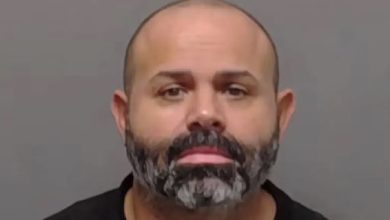
A public restroom is a forced pause. The next person through the door does not get to inspect the underside of the seat. San Antonio-area police say a Helotes man used that fact. Paul Moses Alden, 46, is accused of planting small commercial “snap” fireworks under toilet seats at Wash Tub car-wash restrooms so they would pop when a customer sat down. He was charged with arson causing reckless damage or bodily injury, posted a $50,000 bond, and left jail the day he was booked. He is presumed innocent unless a court finds otherwise.
The devices were not pipe bombs. They were novelty snaps, the kind sold to crack under a shoe, hidden where a stranger would put body weight. San Antonio Express-News reporter Gabriella Ybarra, working from the arrest affidavit, wrote that debris at the scenes matched adult snap fireworks sold under names including Ox Slammers, Thunder Snaps, and Super Snapps: red paper and small white plugs. That trash is what turned a “prank” headline into an arson file. The chemistry is small. The targeting is not.
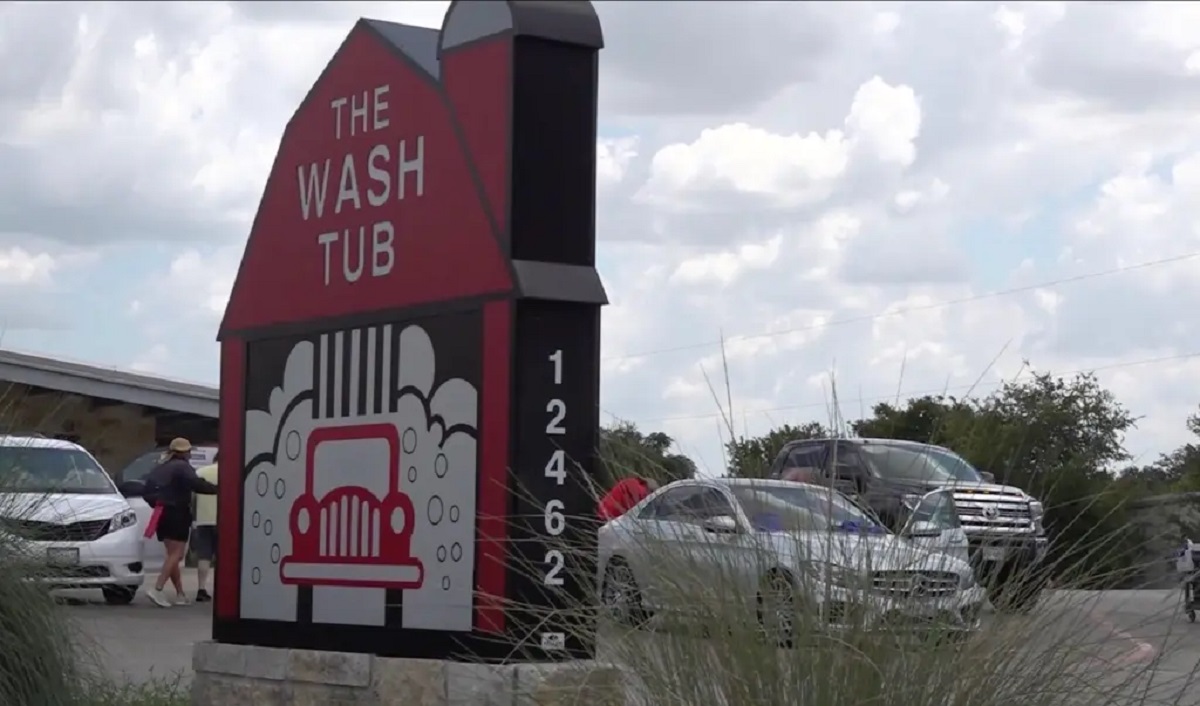
Three bangs, two car washes, one membership card
Management told police the first two incidents were at the Wash Tub in the 1200 block of Bandera Road in Helotes, Alden’s hometown just northwest of San Antonio, on July 19 and July 20, 2024. KENS 5 described a man on camera entering a unisex restroom, then a woman using the room and a small explosion. She was slightly hurt and left before officers were called. People assume a pipe, a joke, or a bad day, and they drive away. The camera does not.
On July 26, officers were called to the Wash Tub at 1534 N Loop 1604 E in San Antonio after two loud bangs, at separate times, while an employee and a child were in the restroom. The Express-News account of the affidavit is more specific than the first-day television hits. The employee reported ringing in her ears, pain on her right thigh and buttocks, and a burn mark on her skin. Minutes later a girl went in, a second bang went off, she screamed, and a guardian rushed in. They left. Debris in Helotes and on Loop 1604 was the same class of snap. Three restrooms. Two addresses. One pressure-activated product.
Security video, as detectives described it, repeats: a man enters and leaves the restroom, sits in the lobby where he can see the bathroom door, then goes once the pop happens. At the San Antonio store, the affidavit says he checked in at the service counter after dropping a vehicle, used the bathroom, then shifted his seat for a better view of the door. Staff identified him as a regular through his membership card. The same person, the same card, and a 2024 gray Ford F-150 Raptor were placed at the incidents, the Express-News reported. A Wash Tub representative told KENS 5 the company was “very pleased with the quick action of SAPD and the Arson investigator” and would keep working with the district attorney. The business model is the vulnerability. A membership barcode looks like a customer because it is one, until the stall is the target.
Why Texas charges a snap as arson
Texas arson law does not require a building to burn to the slab. Reckless damage or bodily injury can be enough when someone uses fire or an explosive device in a way that endangers other people. A novelty snap under a toilet seat is small chemistry with a selection problem the seller never intended. The next occupant might be an adult employee, a customer who drives off, or a child. In this affidavit, police say all three happened. That is why The AEGIS Alliance is not writing the charge as a joke, and why the count is not criminal mischief for a firecracker in a parking lot.
Bexar County records, as described by the Express-News at the time of the arrest, include a 1995 arson charge in Alden’s history. A mark from three decades earlier is not proof of the 2024 allegation. It is why investigators asked whether this was a first impulse. The live evidence in the affidavit is the membership trail, the lobby camera, the Raptor, and the red paper left on the bathroom floor, not a yellowing jacket from the mid-1990s. KENS 5 reported the arrest date as August 1, 2024. The Express-News reported he was arrested August 2 and released after posting the $50,000 bond. Either way, he was not held. A bond is a promise to come back. It is not a finding.
Car-wash restrooms are a soft target for a structural reason. They sit on the edge of a business that sells time, soap, and vacuums, not a guard at the stall. Doors stay unlocked because customers need them between the tunnel and the freeway. Cameras cover the lobby more reliably than the inside of a toilet. A person with a membership can walk in looking like a Tuesday regular. The alleged method turned that ordinary access into a pressure plate, then used the lobby as a viewing gallery. Detectives say he did not plant the snaps and leave town. They say he waited for the sound.
A charge that stayed an allegation
After the arrest, the case drew national headlines because the alleged targets were ordinary customers, including a child, not a locked industrial site. KENS 5 reported in the first week that Alden was awaiting indictment and that a next court date had not been set. The AEGIS Alliance has not found a widely reported trial verdict or guilty plea in the years since. That absence is not an acquittal. It means the charge remains a pending criminal allegation in Bexar County unless a court record says otherwise. Readers who want the next hard fact should watch the county criminal docket, not a repost of the lobby still.
Pending cases create a reporting problem tabloids ignore. The affidavit is a police narrative. An indictment, if a grand jury later returned one, would be a second narrative. Neither is a trial. The AEGIS Alliance is keeping the allegation in the present tense for that reason. Retail legality is not a defense. Novelty snaps are sold legally in many states when they are used as designed, dropped on concrete, not fixed under a stranger’s seat. Fire investigators already spend their year on lithium packs, garage workshops, and garage fires that start in trash. A restroom snap is a smaller blast with a nastier intent question: if the affidavit is proven, the goal was not a scorched wall. It was the body that sat down.
There is a second public-safety file from the same summer that belongs next to this one only as a contrast. A Tulsa living-room fire started when a dog chewed a lithium power bank was an accident of chemistry and teeth. The Wash Tub snaps, as police describe them, were placed, watched, and repeated across two stores and three dates. Different mental states. Same lesson about small consumer explosives: once they leave the package, the person who positioned them owns the result. The Bronx homicide in which remains were moved in a shopping cart onto a Metro-North train is a different statute again. Everyday objects become evidence when somebody decides a stranger is the target.
The AEGIS Alliance files this case under crime news, odd news, and U.S. news because the odd detail, a pop under a toilet seat, is what made people share it, and the crime detail is what the affidavit actually alleges. One of the people who sat down was a child who screamed. One was an employee with a burn and ringing ears. One was a woman in Helotes who left before anyone called 911. Those three reactions are the case. The joke the internet tried to hang on the stall door does not survive them.