
Former Chicago Federal Guard Brittany Hall Faces Eight Counts Alleging Sexual Abuse of Inmates Inside MCC Unit 12, Including Heather Mack


Federal prosecutors in Chicago say the officer assigned to watch the women on the 12th floor of the Metropolitan Correctional Center used that post to abuse them. Brittany Hall, 31, a former Bureau of Prisons correctional officer, was indicted on March 4, 2025, in case 1:25-cr-00119. The charging document lists five counts of sexual abuse of a ward under 18 U.S.C. 2243(b) and three counts of abusive sexual contact under 18 U.S.C. 2244(a)(4). Acting U.S. Attorney Morris Pasqual announced the charges two days later. The FBI’s Chicago Field Office and the Justice Department’s Office of the Inspector General built the case. Each sexual-abuse count carries up to 15 years. Each contact count carries up to two. Stacked, the indictment exposes Hall to more than 80 years if a jury convicts on every count.
The conduct alleged is from December 2023 inside Unit 12, the women’s tier of the downtown high-rise jail. Two of the four alleged victims were awaiting trial. Two were already serving sentences. Hall pleaded not guilty on March 6, 2025, before Magistrate Judge Heather K. McShain and walked out on bond conditions both sides had agreed to, including a rule that she tell any future employer about the charges. The trial judge is U.S. District Judge Robert W. Gettleman. Assistant U.S. Attorney Jonathan L. Shih is prosecuting. Thomas More Leinenweber is defending. An indictment is a set of accusations. Hall is presumed innocent until a jury or a plea says otherwise.
A Key Is Not Consent
Federal law treats sexual contact between a guard and a prisoner as a crime even when the prisoner appears to agree. The power imbalance is the offense. A person who controls movement, write-ups, commissary, and whether a door opens cannot collect lawful consent from the person on the other side of that door. The Justice Department’s charging statement is built on that rule. Hall supervised the unit. The four women lived under that supervision. That is the theory. It does not require the government to prove a struggle. It requires the government to prove the contact and the badge.
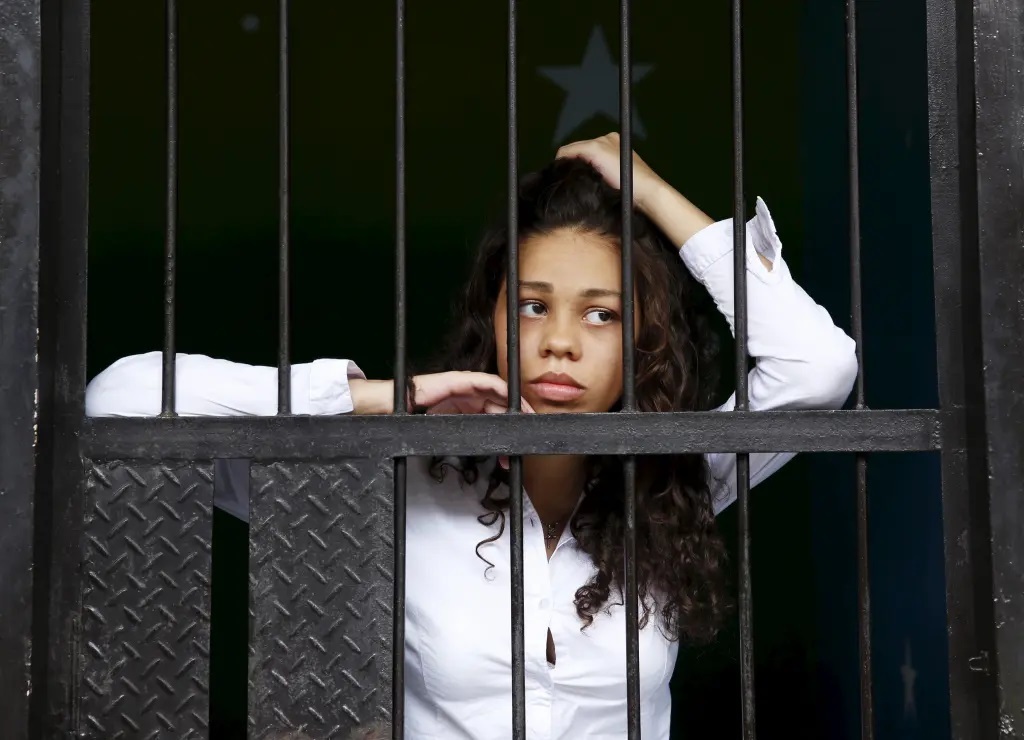
Hall resigned from the Bureau of Prisons in 2024, before the indictment. The Bureau issued the standard zero-tolerance sentence and said holding staff accountable deters the next case. That sentence would land harder if MCC Chicago were an outlier. It is not. The Prison Rape Elimination Act has been law for two decades. Inspector general files keep repeating the same geometry: a staff member with keys, a housing unit with thin camera coverage, and prisoners who do the math and decide that a report will cost more than silence. PREA audits, cross-gender supervision rules, and camera plans exist on paper. The indictment says those layers failed on the 12th floor for the month of December 2023.
The Name That Carried the Paper Onto Cable
One alleged victim is Heather Mack, the Oak Park woman who pleaded guilty in the 2014 killing of her mother, Sheila von Wiese-Mack, at a Bali resort. Mack and then-boyfriend Tommy Schaefer stuffed the body into a suitcase. After an Indonesian sentence, Mack took a federal conspiracy plea in Chicago and received 26 years in January 2024. She had been held at MCC Chicago from November 2021 until her transfer in 2024. The New York Post reported that Hall was in the courtroom at Mack’s sentencing, and that text messages routed through a third party showed Mack had already told her lawyers about the alleged abuse and did not want contact. One message attributed to Hall read, “Ask her why I am blocked.”
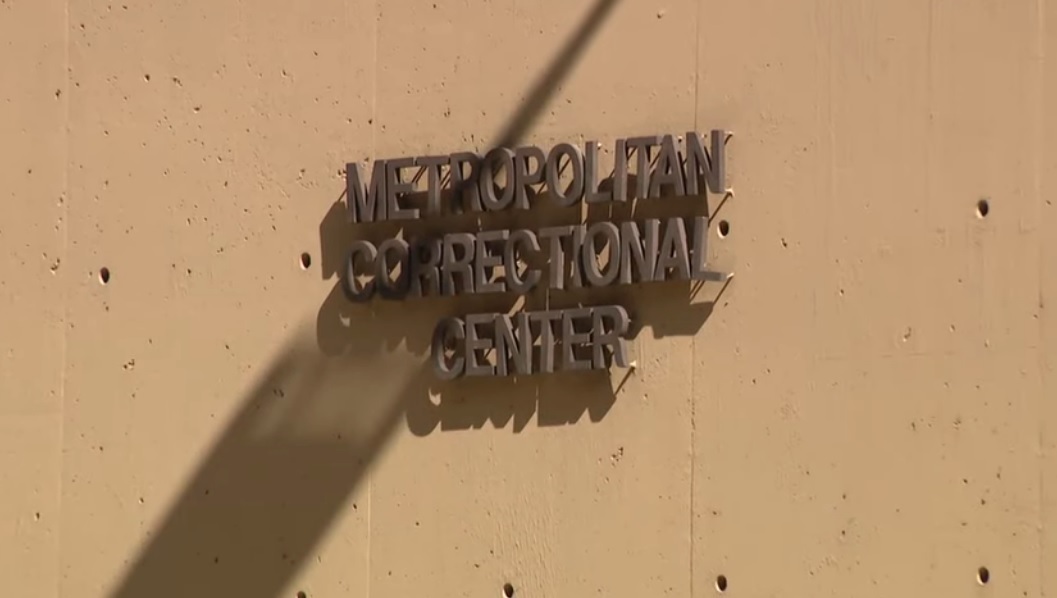
Mack’s transfer to a long-term prison was delayed while the Bureau looked at alleged sexual misconduct involving Hall and four women on the unit. Later reporting placed Mack at a medium-security federal facility in West Virginia, with a projected release in March 2044, when she would be 48. A hometown profile in August 2025 said she still talked about a sentence reduction tied to the Hall case. No such mechanism has been announced by the Northern District of Illinois. The hope shows how a staff-abuse file sticks to a famous prisoner and bends both stories.
Mack’s crime does not erase the allegation. A person serving 26 years for murder can still be sexually abused by a guard. The reverse is also true. A tabloid nickname does not prove Hall guilty. The other three women do not have global headlines. In a trial transcript their initials will do more work than they ever did on cable. The Post’s reading of the indictment placed the already-sentenced prisoners as Victims C and D and the pretrial detainees as Victims A and B, with the most explicit contact counts attached to Victim A. Those labels are the government’s, not a verdict.
A Famous Murder File Moved. This One Went Quiet.
After the March 2025 arraignment, public updates on Hall thinned to almost nothing. Local reporting that summer mentioned another court date in September 2025. Through 2026, widely published coverage has not produced a plea, a dismissal, or a verdict. That silence is ordinary in a federal sex-abuse case with unnamed victims and a defendant on bond. It is also the problem with measuring the Bureau’s zero-tolerance speech. A press release is not a trial. A resignation is not a sentence.
The contrast inside the same courthouse is hard to miss. Tommy Schaefer, Mack’s former boyfriend, was extradited and arraigned in Chicago in February 2026 on the Bali murder conspiracy. On August 27, 2026, U.S. District Judge Matthew F. Kennelly denied his bid for release. Prosecutors called him a flight risk and a danger. His lawyer said the relationship with Mack was over and that MCC was not treating his medical problems. A jury date in that separate case was set for January 11, 2027. Schaefer’s docket is loud. Hall’s docket, in the news the public can read, is not. They share a building and a murder story. They are not the same prosecution, and Hall’s charges do not rise or fall with Schaefer’s bond ruling.
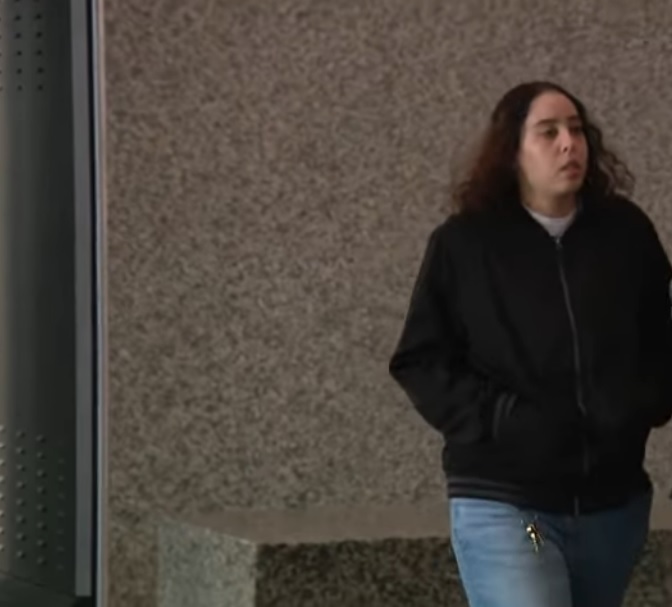
Four women would have had to use a complaint path that runs through the same agency that employed the accused officer. That is why an outside inspector general matters, and why civil cases like the lawsuit over decades of alleged abuse at Spokane County’s juvenile lockup arrive years after the conduct. Institutions write the first report. Prisoners file later, if they file at all. The AEGIS Alliance has documented that sequence in other jails and in police files where the person with the badge drafts the narrative. The Hall indictment is unusual only because one alleged victim already had a headline. The structure is ordinary.
What a Real Record Would Have to Show
If prosecutors try the case, jurors will have to hold two facts at once. Federal jail staff can be predators. Famous prisoners can still be victims. If the case ends in a quiet plea, the public will get a number and no map of how Unit 12 was left unsupervised for a month. If it dies on a motion, the Bureau will still have a resignation letter and four women who already learned what reporting costs. Hall’s bond treats the charges as serious enough to follow her into a job interview and not serious enough to hold her before trial. Staff watching from other units can read that split. The first consequence on display so far is unemployment, not a cell.
MCC Chicago sits in the Loop, a short walk from the Dirksen courthouse that still has to do something with this file. Until a hearing produces more than an arraignment minute, the verified public facts are the ones in the indictment: four inmates, one former officer, eight counts, December 2023, and a housing unit that was supposed to be the safest door in the building. The AEGIS Alliance will keep treating those counts as allegations and the quiet calendar as part of the story. A jail that cannot police its own keys has already described the kind of custody it runs.
More on how institutions answer for abuse inside their walls is in crime news, police accountability, and U.S. news.