A Mouse in a Pepper Jar Forced a Recall While the FDA Still Publishes the Insect Fragments Allowed in Peanut Butter

A dead mouse in a jar of peppers is a recall. A rodent hair in peanut butter, at the FDA’s published line, is a statistic. That difference is the part of American food law almost nobody reads until a video makes them furious. On September 26, 2026, the Food and Drug Administration posted a company announcement from G. L. Mezzetta Inc. The firm was recalling 32-ounce jars of Mezzetta Golden Greek Peperoncini, medium heat, SKU 10106328, lot 720106, because the product “may contain foreign objects such as pest contaminant.” Mezzetta said it had seen a social-media video, contacted the consumer, and had no reports of illness or injury. Food Safety News described the complaint as a dead mouse in the jar. CBS News reported the same customer video, a woman who said she found it while making pot roast. One intact animal in one lot is not a defect action level. It is the kind of failure the handbook is not designed to shrug off.
The handbook is the Food Defect Levels Handbook, the FDA’s list of natural or unavoidable defects it says present no health hazard. Cross the level and the food can be treated as adulterated. Stay under it and the fragments are, in the agency’s language, an aesthetic problem from farms that cannot deliver zero insects at a price anyone will pay. The FDA is explicit that the levels are not a target. Manufacturers are supposed to keep defects as low as they can. The line is where the government starts calling the food filthy in a legal sense.
Peanut butter is the example that circulates because the numbers are easy to remember and hard to enjoy. The handbook’s insect-filth entry, tied to the AOAC method, is an average of 30 or more insect fragments per 100 grams. The rodent-filth entry is an average of one or more rodent hairs per 100 grams. Grit is its own line: a gritty taste plus more than 25 milligrams of water-insoluble inorganic residue per 100 grams. Those thresholds also live in the agency’s compliance policy guide on peanut butter adulteration. They are not a TikTok discovery. They are a seizure standard written so inspectors know when a lot has gone past “nature is messy” into “this plant has a problem.”
Chocolate is less polite. The defect level long published for chocolate and chocolate liquor is an average of 60 or more insect fragments per 100 grams across subsamples, or 90 or more in any one subsample, and an average of one or more rodent hairs per 100 grams, or three or more in a single subsample. Ground paprika is set above 75 insect fragments per 25 grams and above 11 rodent hairs per 25 grams. Ground cinnamon is set at an average of 400 or more insect fragments per 50 grams and 11 or more rodent hairs per 50 grams. Wheat flour sits at an average of 75 or more insect fragments per 50 grams and one or more rodent hairs per 50 grams. Frozen broccoli can carry an average of 60 or more aphids, thrips, or mites per 100 grams before the aesthetic line is crossed. Canned tomatoes are judged in fly eggs and maggots: an average of 10 or more fly eggs per 500 grams, or five or more fly eggs plus one or more maggots, or two or more maggots per 500 grams. None of that is a secret recipe. It is a table.
The Mezzetta lot sits on the other side of that table. A whole animal in a sealed jar is evidence that something in harvesting, sorting, or packing failed in a way a fragment count was never meant to bless. The company’s notice limited the recall to one SKU and one lot and said it was working with the customers who received it. That is how a sanitary breach is supposed to move: fast, named, and off the shelf. Defect action levels exist so the FDA does not try to seize every jar of tomato paste in the country because a fly existed near a field. They are a terrible slogan. “The government allows bugs in your food” is true only if you delete the words average, per gram, and adulterated.
The ingredients that are supposed to be there
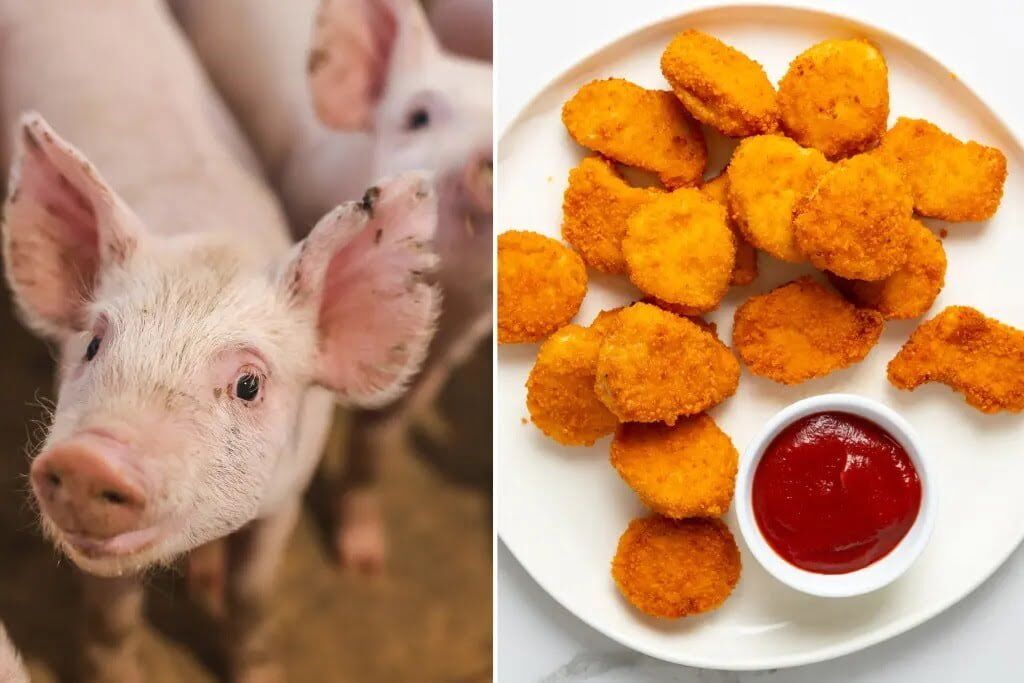
Filth thresholds are not the same story as ingredients people eat on purpose. Food scientist Bryan Quoc Le has spent years translating labels that read like chemistry sets, and the photographs that have followed that explanation are still the clearest way into it. Beefy snack flavors often depend on cysteine, an amino acid used as a dough conditioner and as a precursor in savory flavor reactions. Industrial cysteine has been sourced from duck feathers, hog hair, and, historically, human hair, alongside newer fermentation routes. The label does not say hair. It says natural flavor, or it says nothing you would connect to a barber.

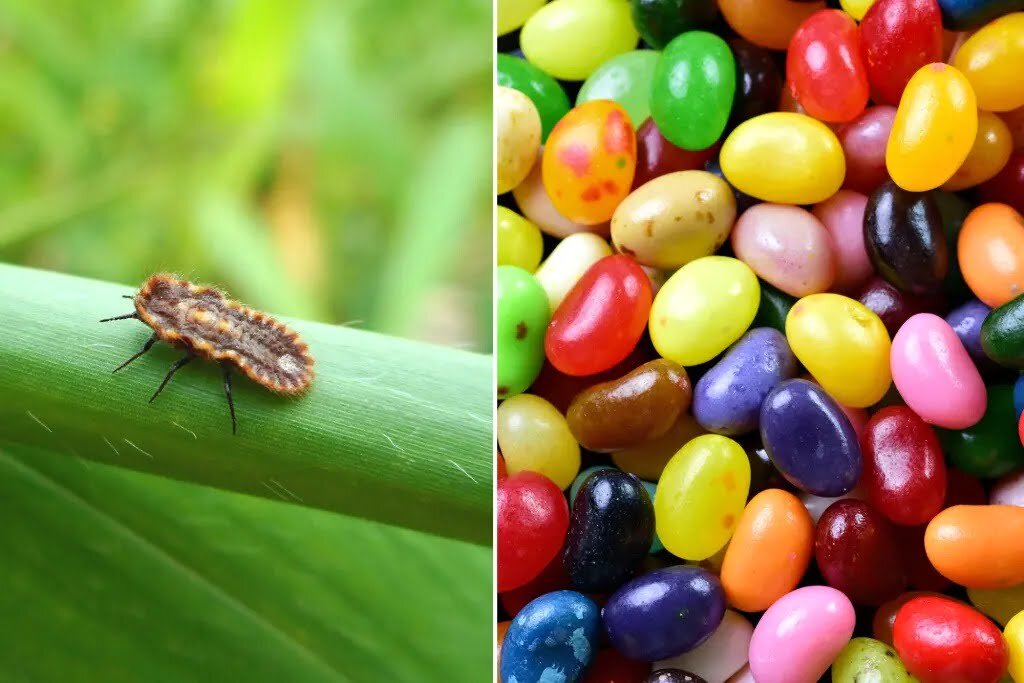
Candy gloss is often shellac, the resin secreted by the lac insect, refined into confectioner’s glaze. Red in yogurt and candy can be carmine, extracted from cochineal insects. Those are disclosed if you know the words cochineal extract, carmine, or E120. They are not the same as an accidental insect fragment in peanut butter. One is a color additive. The other is a limit on how much of the farm is allowed to come along.
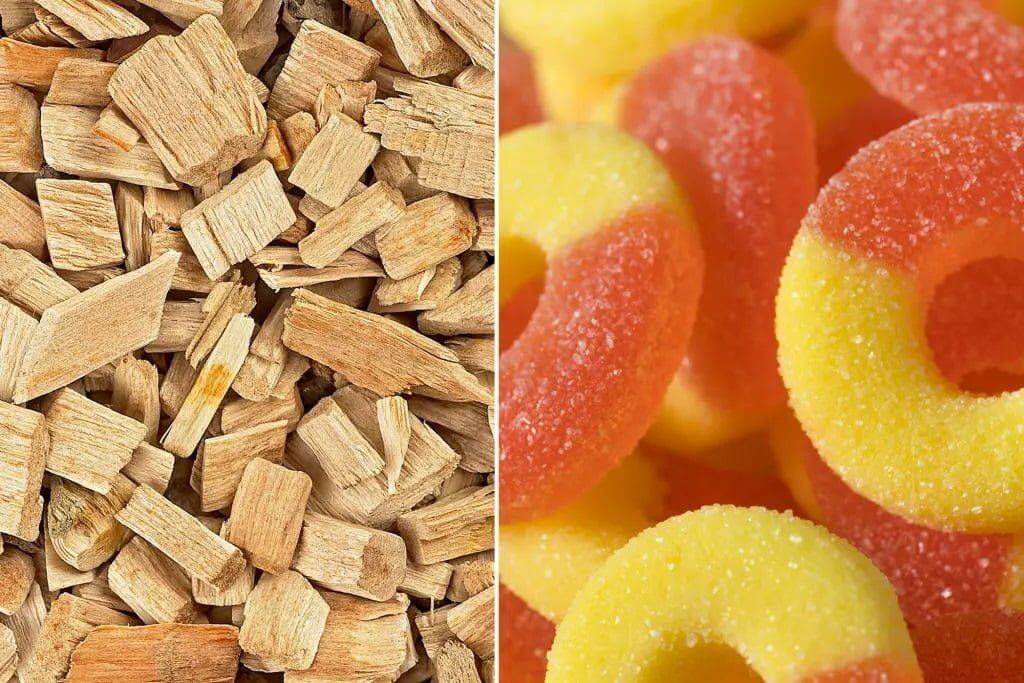
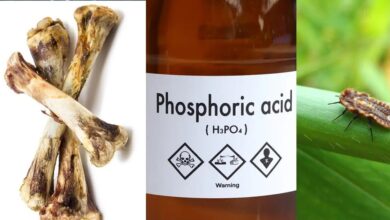
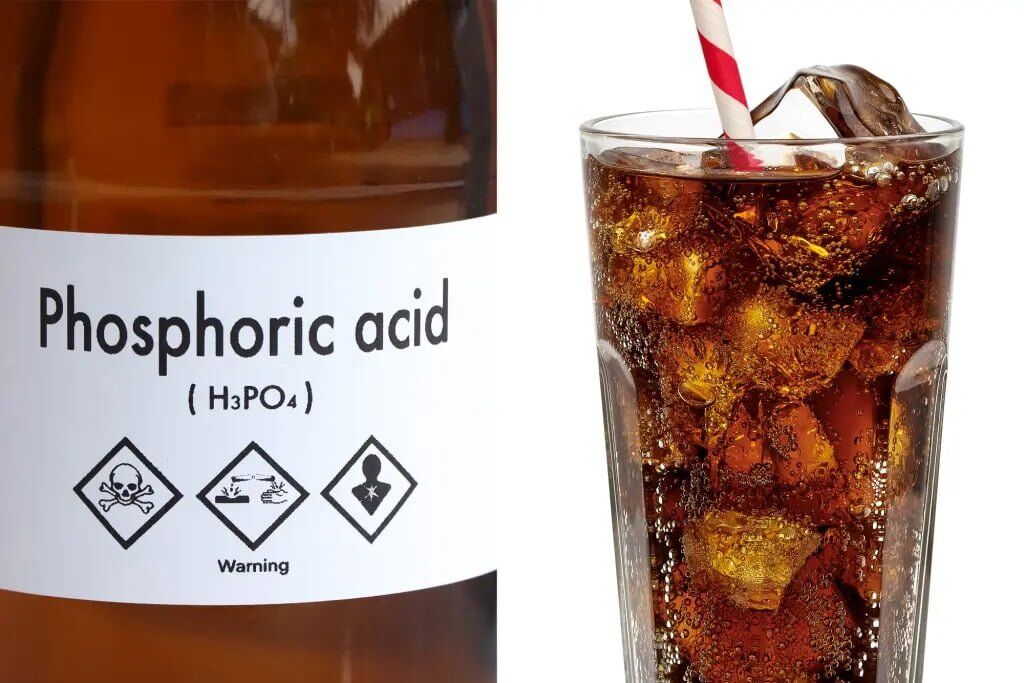
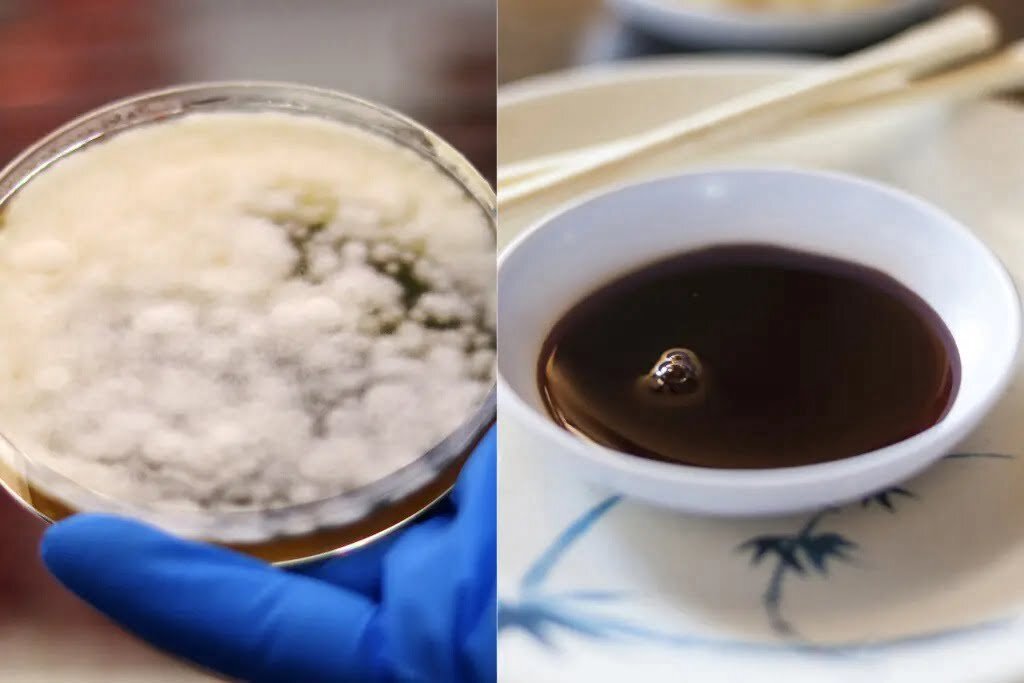
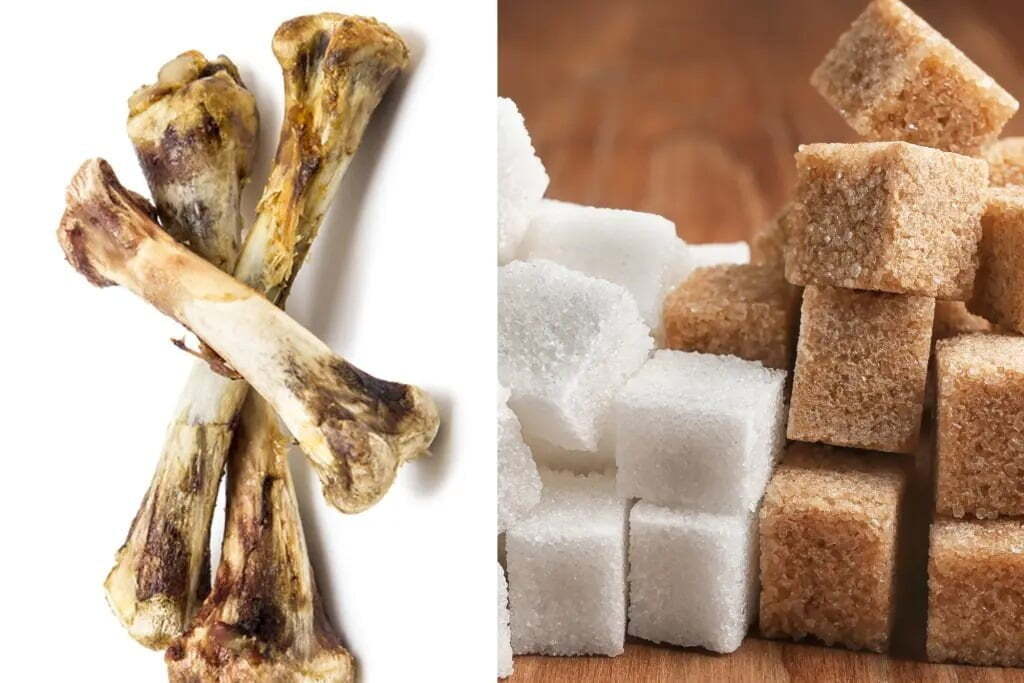
Vanilla flavor is a third category. Vanillin can come from the orchid, from petrochemical synthesis, or from lignin in wood pulp. Cola gets its bite from phosphoric acid. Beer is often polished with diatomaceous earth, fossil diatom skeletons used as a filter aid. Soy sauce is a mold story with a controlled ending if the mold is Aspergillus oryzae, koji. Cane sugar in some refineries still passes over bone char, which is why some vegans avoid that white sugar and why beet sugar is a different conversation. None of these are defects. They are the food.

The dyes are the part that actually moved
Insect fragments did not get a new law. Petroleum dyes did. On January 15, 2025, the FDA revoked authorization for FD&C Red No. 3, erythrosine, in food, citing the Delaney Clause after animal studies the agency had lived with for decades. Food companies have until January 15, 2027, to finish reformulating. Ingested drugs were given until January 18, 2028. On April 22, 2025, Health and Human Services and the FDA asked industry to phase out the remaining widely used petroleum-based certified colors, including Red No. 40, Yellow No. 5, Yellow No. 6, Blue No. 1, Blue No. 2, and Green No. 3. That request is not the same legal instrument as the Red 3 order. The FDA’s own tracker describes work with manufacturers, retailers, and trade groups, and it has encouraged companies to drop Red 3 ahead of the 2027 date. Orange B’s authorization was revoked, and Citrus Red No. 2 was proposed for revocation.
Companies answered with pledges rather than a single federal ban. General Mills said it would remove certified colors from its U.S. cereals and from K-12 school foods by summer 2026. Nestlé committed to eliminating FD&C colors from its U.S. portfolio by mid-2026. Conagra pointed at a full U.S. retail phase-out by the end of 2027. California’s school restrictions, and the state ban on Red 3, brominated vegetable oil, potassium bromate, and propylparaben, run on their own clocks. A grocery shelf in late 2026 is a mix: some boxes already reformulated, some still wearing the old dyes, and a compliance date for Red 3 that is written down.
On February 5, 2026, the FDA told manufacturers it would exercise enforcement discretion so a food free of certified petroleum colors could say “no artificial colors,” even if it still used colors from plants, algae, or insects. Deputy Commissioner for Human Foods Kyle Diamantas signed the letter. The same week the agency pointed to newly available natural options, including beetroot red, and expanded uses for spirulina. Galdieria extract blue, gardenia blue, butterfly pea flower extract, and calcium phosphate have been part of that substitution push. Carmine, the cochineal red that predates Red 40, is suddenly a business plan again. A label that says no artificial colors can still be red because of a crushed insect. That is legal, and it is not the same claim as “nothing was added.”
Read the Mezzetta recall next to the peanut-butter line and the dye calendar and the food supply stops being one scandal. A whole pest in a jar is a plant failure, and the company treated it as one. Thirty insect fragments in 100 grams of peanut butter are a published limit, not a recipe. A petroleum dye on a cereal box is a policy the FDA has started to unwind, with 2027 written on the Red 3 order and a softer request sitting under the other six. The shocking part was never that nature gets into food. It is that the government prints the allowance, the industry prints the euphemism, and a mouse in a pepper jar is what it takes for the public to look up either document.

The AEGIS Alliance has kept a running file on what ends up in bodies and in products people were told were ordinary. See how gum disease tracks with heart risk e uses of hemp that rarely make a label. More sits under salute, scienzae Stati Uniti d'America.