NASA Paid $300,000 for a Mars Menu While a Tomato Doubled in Fake Martian Dirt and the Carrot Lost

En tomat kan fordoble sin frugt i en gryde af falsk Mars støv og stadig forlade gården bag. Det er den akavede lektion, der sidder under en meget højere uge i rummad. Den 24. september 2026, NASA navngivet vinderne af sin Deep Space Food Challenge: Mars til bord og gav toppræmien, $300.000, til Chinyere "Chichi" Ukeje af Philadelphia for en Design kaldet adaptiv ernæring infrastruktur. To dage tidligere, en Californien nonprofit sagde, at det havde udviklet en bakterie, der spiser Mars snavs. Ingen af meddelelserne vokser en gulerod i perchlorat. Den drivhusforsøg, der stadig sætter gulvet for blandede afgrøder på simuleret Red Planet jord blev offentliggjort i PLOS ONE on May 1, 2024, and the tomato is still the only winner in that dirt.
Ukeje er 25. Hun voksede op i Bowie, Maryland, studerede datalogi på University of Maryland, Baltimore County, og bor nu i det nordøstlige Philadelphia. NASA vurderede 113 indgange fra 33 lande og 28 USA. Missionen på siden var stump: fodre 15 astronauter for 500 Mars sols, omkring 513 Jordens dage, på overfladen, med et layout, et måltid plan, et koncept af operationer, og en Gennemgående video. Den føderale bekendtgørelse havde annonceret en $750.000 pung. CIA sagde, at det tildelte en samlet $650.000. Jennifer Edmunson, der kører Centennial Udfordringer på Marshall Space Flight Center, sagde agenturet var "begejstret for at fortsætte med at fremme fremtiden for rummet fødevaresystemer med dette udfordring ".
Ukeje 's koncept, opkaldt efter Ani, en nigeriansk jord gudinde af høst, er en modulær løkke: kontrolleret-miljø afgrøder, gæring, svampe, og bioreactors, der genbruger næringsstoffer, med et begrænset lager af mad afsendt fra Jorden. NASA beskrivelse siger, at systemet er beregnet til at producere halvdelen af kalorier væk fra denne planet og til at tilberede et genkendeligt måltid, når magt, vand, hardware, eller besætning tid løber kort. Anden plads, $200,000, gik til Cislune af Rosemead, Californien, for Fresh, Ferment, Reserve - dyrke udvalgte afgrøder, gøre en del af høsten til velkendt mad i instrumenteret kassetter, og holde en beskyttet Jord-lastet reserve for den dag en batch mislykkes. Smaller prizes went to a Hilo, Hawaii team using an ahupua’a, a land-to-sea management idea, as the model; to Orbital Health Systems of Evansville, Indiana, for a settlers’ kogebog; til en Bentonville, Arkansas kollektiv for en closed- loop sustenance design; og som international vinder, til Astrofood af Ellezelles, Belgien.
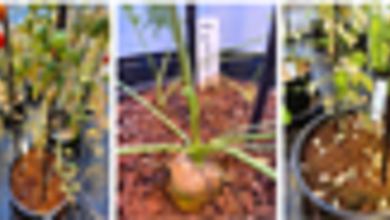
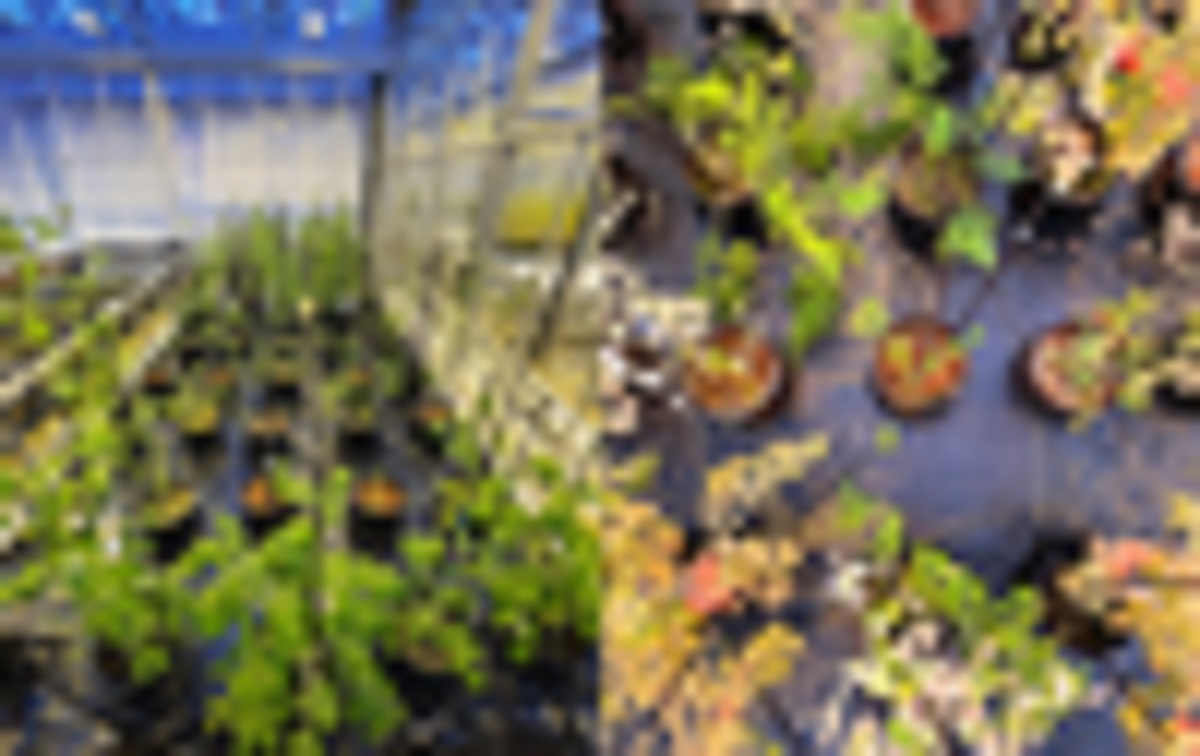
Det er køkkener på papir. Problemet med snavs er ældre og ondere. Astrobiologist Rebeca Gonçalves, med Wieger Wamelink, Peter van der putten, og Jochem Evers på wageningen universitet, sætte kirsebær tomater, ærter og gulerødder i nasas ms1 Mars simulator, ind i sand, og i potting jord. Nogle potter blev blandet, den gamle selskab-plantning mønster forbundet med Maya marker. Nogle var enlige afgrøder. Rhizobia bakterier gik ind med ærterne for at trække kvælstof ud af luften. Drivhuset var tunet til luft, varme og fugtighed i et trykbærende Mars vækstrum. Det var første gang, at blandingen var blevet scoret på en regolith stand-in.
The Pea Was Supposed to Be the Hero
Wamelink havde satset på legumen. "Vi havde forventet, at ærterne ville vokse bedst, men det modsatte viste sig at være sandt. Tomaterne voksede bedst", sagde han. I simulatoren, blandede tomater groft fordoblet frugten af tomater dyrket alene - flere bær, større bær, tidligere blomster, tykkere stilke, højere over- jorden biomasse og mere kalium i udbyttet. Gonçalves fortalte reportere, at hun ikke havde vidst, hvad de skulle forvente, fordi ingen havde kørt metoden om rumbrug før, og senere kaldte tomatresultatet "et stort fund, en, vi kan nu bygge videre på ".
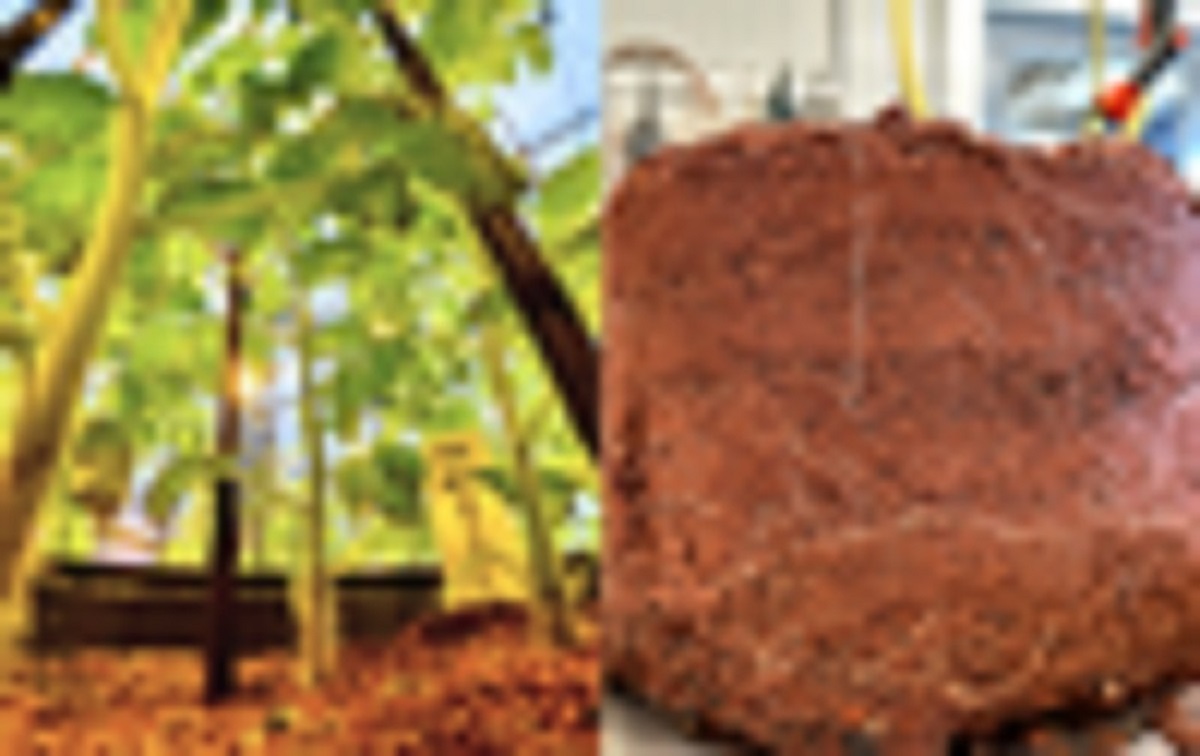
Systemet blev ikke fordoblet. I Mars simulator mistede gulerødder biomasse og udbytte. Ærter viste ingen betydelig gevinst og trendy ned. Den relative udbytte samlede var 0,93, et nettotab mod dyrkning hver afgrøde alene. Bakterierne dannede aldrig de noduler, de havde brug for. Høj pH, komprimerede kerner og manglende næringsstoffer synes at have slået dem. Tall tomat og ærte kanopier derefter skygge gulerødder. Wamelink linje var, at tomaten tog fra ærterne og "guleroden helt sikkert ikke". Sæt den samme trio i sand, hvor noduler dannet, og matematik flippede: relativ udbytte 1.32, en reel fordel. Papirets egen konklusion er smallere end overskrifterne. Bland afgrøderne, når du har fikset jorden nok til at bakterierne kan leve. Før det, følgesvend plantning er en tomat tilskud.

The Poison Is Still in the Powder
MMS- 1 kopierer tekstur og kemi. Det kopierer ikke fuldt ud perchloratsalte, der rider i ægte Mars regolith, ofte citeret omkring en halv procent efter vægt og højere på steder. Disse salte er dårlige for planter og værre for mennesker. En september 2026 open-adgang papir fra Plant Trek projektet tog en Utah mikrobiel samfund, der reducerer perchlorat og sætte det i en basal simulator spiked til omkring 2,25 % calcium og magnesiumperchlorat. Vand- ekstraherbar perchlorat faldt til omkring 7 til 9 procent af det oprindelige ændrede niveau. Det gik ikke til nul. Aerob konditionering gjorde noget airless krukker ikke: plant-tilgængelig fosfor sprang til omkring 222 mg pr. kg. En separat Soil Science Society of America Journal papir i år fandt, at bagning en spiked simulator på 470 grader Celsius næsten tørrede salt ud, og at tre udvaskning Cyklusser plus destillation af skyllevand også ryddet det. En gård mikrobiom de skubbede gennem instrueret evolution forbedret fra omkring 35 procent reduktion til omkring 52 procent. Halvt gift er ikke en have.
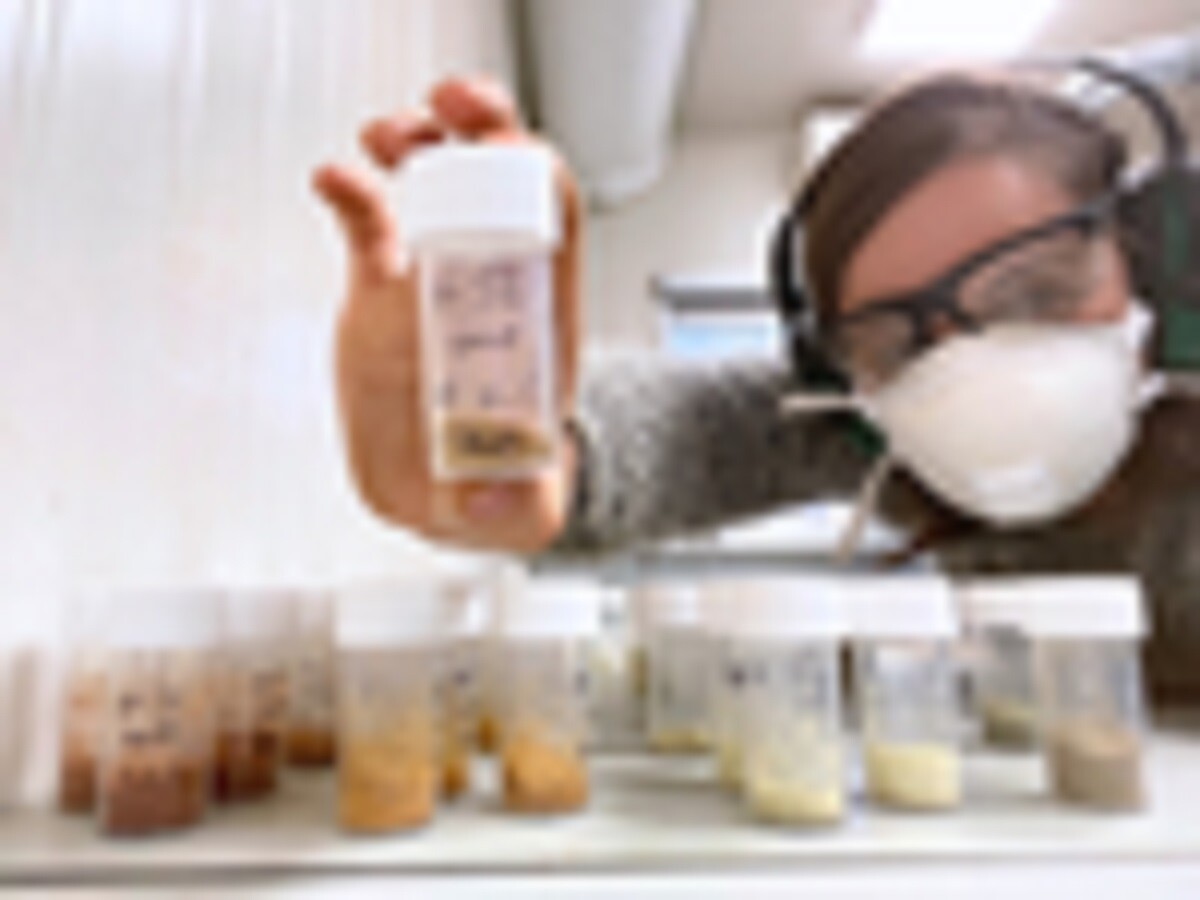
Den 22. september 2026, Pioneer Labs i Emeryville sagde, at det havde en anden mikrobe, udpeget sPL.001. Ledende executive Erika Alden DeBenedictis beskrev en organisme udviklet på tværs af mere end en billion celle divisioner, så det kan trække næringsstoffer, herunder sporstoffer, fra Mars snavs, vand og forarbejdet luft, derefter lave en bioplastisk byggemateriale. Gruppen siger, at en bioreaktor, der er lille nok til at ride på en raket, på deres antal kan forvandle lokale fodermidler til husly materiale, og at stammen ikke behøver gødning Afsendt fra Jorden. Et fortryk de peger på rapporterer mere end tre gange polymerudbyttet af forældrestammen under simulerede Mars betingelser. Det er en byggepåstand, ikke en salat. Organismen skal leve i en omrøret, opvarmet tank, beskyttet mod stråling, kulde og tynd luft. Det erstatter ikke nodulationssvigt i en tomatgryde. Det sætter et levende værktøj på den samme gift planterne endnu ikke kan ignorere.
Houston Is Growing Peppers in Water, Not Dust
NASA 's anden CHAPEA besætning har været inde i en 1.700-square- foot 3D- printet habitat på Johnson Space Center siden oktober 19, 2025. Ross Elder befaler. Ellen Ellis er læge. Matthew Montgomery er videnskabsmanden. James Spicer er flyingeniør. Løbet er 378 dage og er planlagt til at slutte omkring oktober 31, 2026. Den 7. maj krydsede de dag 200, midt i en simuleret to-ugers blackout beregnet til at efterligne Mars passerer bag Solen Ellis sagde, at hun var stolt af en besætning, der holdt finde "nye måder at forbedre vores ydeevne og effektivitet dagligt". De har dyrket afgrøder. CIA fotos viser peberfrugter og andre grøntsager i en hydroponisk rack, høstet i hånden. Hydroponics springe regolith. Det er pointen og grænsen. En kasse næringsstofopløsning i Houston svarer ikke på hvad Gonçalves målt i simulatoren.
Wamelink 's spinout, BASE, har hele tiden bygget drivhusprototyper til månen og Mars, herunder kamre og insektmoduler. Intet af det flytter 0,93. Ukeje 's præmie er et seriøst design for en besætning, der vil have tacos og pasta nætter, ikke frysetørrede mursten, og svampe hører i en lukket loop, fordi astronauter ikke vil spise stængler. Loop stadig antager et substrat, der ikke forsøger at forgifte rødderne. Indtil perchlorat er kogt, vasket eller spist ned af mikrober, der også efterlader fosfor, den første ærlige Mars acre er en kemi bænk. Tomaten har allerede fortalt os, hvilken plante der vil stjæle maden, hvis vi lader som om.
The pipe that has to carry harvest data home is the same one The AEGIS Alliance followed when NASA’s Psyche spacecraft beamed a laser message across 140 million miles, og når Space Force reacquired a dead Cold War balloon satellite after a quarter century. Water is the other half of a dead-world farm, which is why the archive piece on solardrevet afsaltning still belongs next to this one. More of the file is in Videnskab.