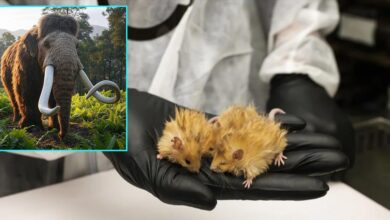
Colossal Woolly Mice Grew the Coat, Then the Mammoth Edit List Passed 150 Genes and the Calf Calendar Left 2028


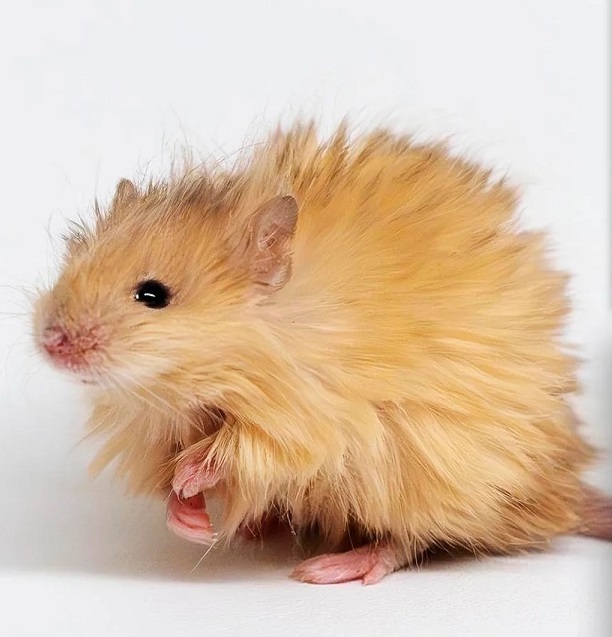
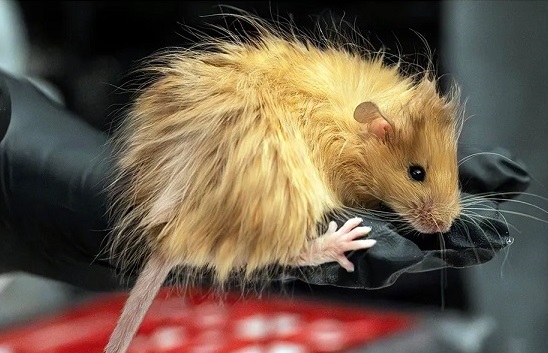
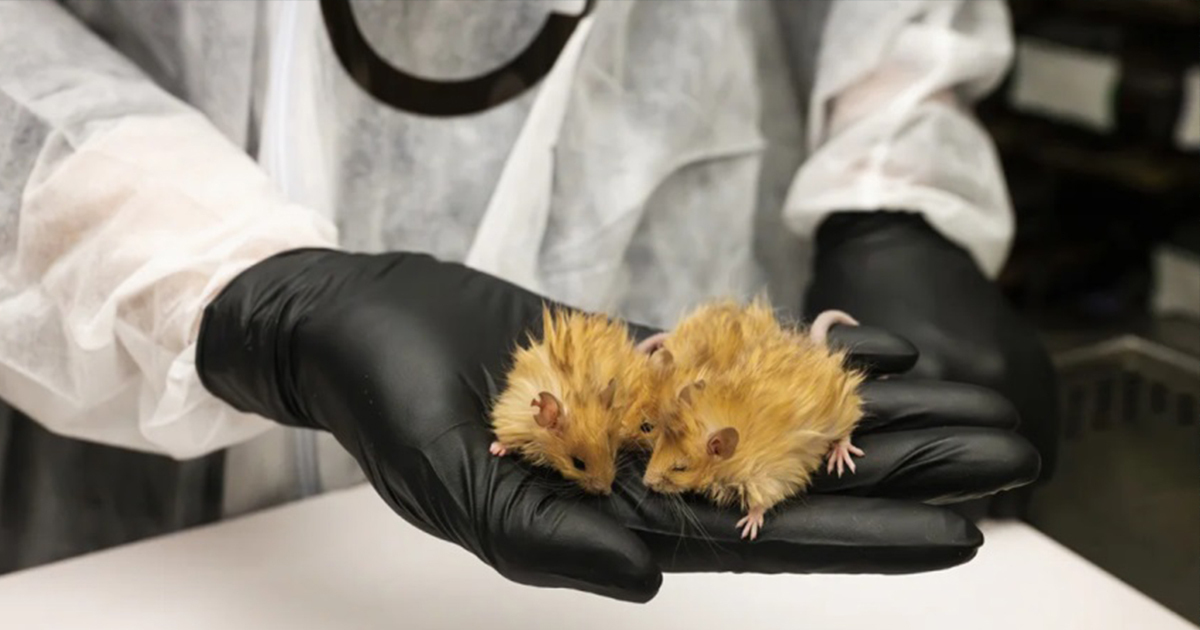
De dyr, der gjorde Colossal Biosciences berømt i en enkelt eftermiddag var ikke mammutter. De var mus. Dallas firma redigeret frakke og fedt gener i almindelige laboratorium mus, indtil hvalpene voksede længe, dirty- blond, uldent hår og et stofskifte holdet sagde var pegede på kulde. Det første kuld ankom i oktober 2024. Offentligheden afslører landede den 4. marts 2025, samme dag en preprint gik op beskriver multiplex edits på tværs af omkring ti gener bundet til hår og lipid metabolisme. Firmaet tæller senere sætte kosten på 38 levende hvalpe. Handlere begyndte at kalde to af dem Chip og Dale. Frakkerne avlede sande. Folk ville have en på laboratoriet. Kolossal sælger dem ikke.
Ledende direktør Ben Lamm har sagt, hvad det billede er værd. "Den uldne mus projekt bringer os ikke tættere på en mammut, men det validerer det arbejde, vi gør på stien til en mammut", fortalte han TIME. Valideringen var hastighed. En muse generation måles i uger. En asiatisk elefant graviditet løber omkring 22 måneder, og en elefant generation spiser de fleste af to årtier. Hvis spørgsmålet er, om en frakke redigere brande, du ikke starte med en surrogat, der koster så meget som et hus. Man starter med en gnaver, der passer i en handske.
Den 26. september 2026 flyttede kalenderen bag gnaveren igen. Lamm fortalte TIME den første mammut-ligesom kalve er en udsigt til begyndelsen af 1930 'erne. "Vi har ikke en hård date. Ikke 2036, men heller ikke 2030 ". New York Post 's skrift-up af den samme rekalibrering sagde, at selskabet nu hælder på kunstig intelligens til at rekonstruere gamle DNA og designe edits, og at jobbet viste sig sværere end direkte ulve projekt Colossal afsløret i 2025. Tidlige pladser talte om omkring 60 gener i en asiatisk elefant kerne. Den arbejdende figur er nu mere end 150, herunder øre størrelse, ikke bare hår.
A Coat Is Not a Species
Ledende videnskabsmand Beth Shapiro har været forsigtig med myten om, at nogen pipetted mammut væv ind i en mus. Holdet sammenlignede mammut DNA fra permafrost, herunder materiale fra en frossen krop fundet i Sibirien i 2018, med asiatiske elefant DNA, fandt ændringer, der kortlagt på Generne mus allerede har, og redigeret flere mål på én gang. Science Magazine gik gennem den praktiske liste. Breaking FGF5 forlænget håret. Edits to FAM83G, FZD6, eller TGM3 produceret krøllet knurhår og en bølget frakke. Et melaningen flyttede pelsen fra sort til guld. En mammoth- lignende variant af FABP2, et fat- stofskifte gen, ikke ændre den gennemsnitlige kropsvægt i den lille prøve. Koldtolerance adfærd test var ikke blevet kørt, når mus blev annonceret. Den fænotype var pressen foto. Fysiologien var stadig en to- do liste.
Mange embryoner blev aldrig unger. Shapiro sagde, at dem, der blev født, var i live og sunde som i annonceringen, og at en stor del af dem bar hver redigere holdet forsøgte. Forfatterne indleverede et patent. De har også oplyst, at de arbejder for Colossal eller dens software spinout Form Bio Det er ikke en hemmelig skandale. Det er en grund til at læse fortryk som en virksomhed resultat, indtil uafhængige laboratorier kopiere det. En gylden mus med fem centimeter hår er et rigtigt dyr. Det er ikke en paerreviewed mammut.
Lamm 's fundraising sætning var større end data. Engineering "komplekse genetiske kombinationer, der tog naturen millioner af år at skabe" er en central linje. Den videnskabelige sætning er mindre. Multiplex redigering kan stable frakke træk i en velkendt laboratorie arter uden straks at dræbe værten. Det er et legitimt skridt. Det er også et skridt, du kan afslutte uden nogensinde at røre en elefant.
The Year the Date Kept Two Calendars
Det er historien, og det er for nylig nok, at Colossal stadig solgte den gamle date inden for samme år. I februar 2026, Lamm fortalte Den af nørd projektet var "på sporet for 2028", med mere end to års arbejde allerede på elefant æg hentning og naturen bevarer stille og roligt er øremærket til dyrene. I maj 2026 citerede Rolling Stone det samme mål: sidst i 2028, "og det er vi på rette spor". Han sagde også, at firmaet skubbede en kunstig livmoder, så et pattedyr kunne blive født uden en surrogat, og at hardware var tæt nok til at tale om i samme åndedrag som kalven. Ved slutningen af sommeren og igen den 26. september var det offentlige antal gået ind i begyndelsen af 1930 'erne, og redigeringslisten var sprunget, fordi elefant- skala arbejde var sværere end canid projekt.
Det er ikke en afrundingsfejl. Det er forskellen mellem en fødsel, der ankommer, mens det oprindelige pitch dæk stadig cirkulerer, og en fødsel, der ankommer efter en anden finansieringsrunde, en anden valgcyklus, og endnu et bur mus. Lamm har kaldt den dybere genliste "lidt underligt og Frankensteiny" og argumenterede dyret i slutningen ville være et bedre produkt på grund af det. Investorer kan høre "bedre produkt". Biologer hører "vi har endnu ikke kernen".
I april 2025 selskabet afslørede hvalpe det kaldes dystre ulve, bygget af gråulve celler og en kort liste af redigeringer styret af gamle DNA, og det talte op klonede røde ulve. Sekvensen fik musen til at ligne en fodnote. Udenfor genetikere brugt året siger en rekonstrueret canid med udvalgte træk er ikke en genvundet Pleistocene rovdyr, ligesom en koldttilpasset asiatisk elefant ville ikke være en Jeg har fundet mammut. Colossals svar har været konsekvent. Produktet er fænotype, ikke en krop optøet i et rent rum. Shapiro har sagt, at hun er sikker på, at holdet kan producere noget, der ligner og virker som en mammut og fylder en niche. Tillid er ikke en kalv.
An Endangered Surrogate for an Extinct Pitch
Asiatiske elefanter er genetisk tættere på uldne pattedyr end på afrikanske elefanter. Det er derfor, planen går igennem dem. Det er også derfor, planen er etisk trang. Asiatiske elefanter er i fare. En 22-måneders surrogat graviditet i en art, hvis reproduktiv biologi er stadig dårligt kortlagt sætter et knapt levende dyr i brug af en uddød markedsføring billede. Colossal siger egg- hentning arbejde vil hjælpe fangenskab avl, selv om mammut korte glider, og at en kunstig livmoder ville tage graviditeten ud af en levende elefant. Snak er ikke en livmoder. Indtil den anordning virker på en kalvs skala, der kan veje hundredvis af pund, løber stien stadig gennem en gravid elefant.
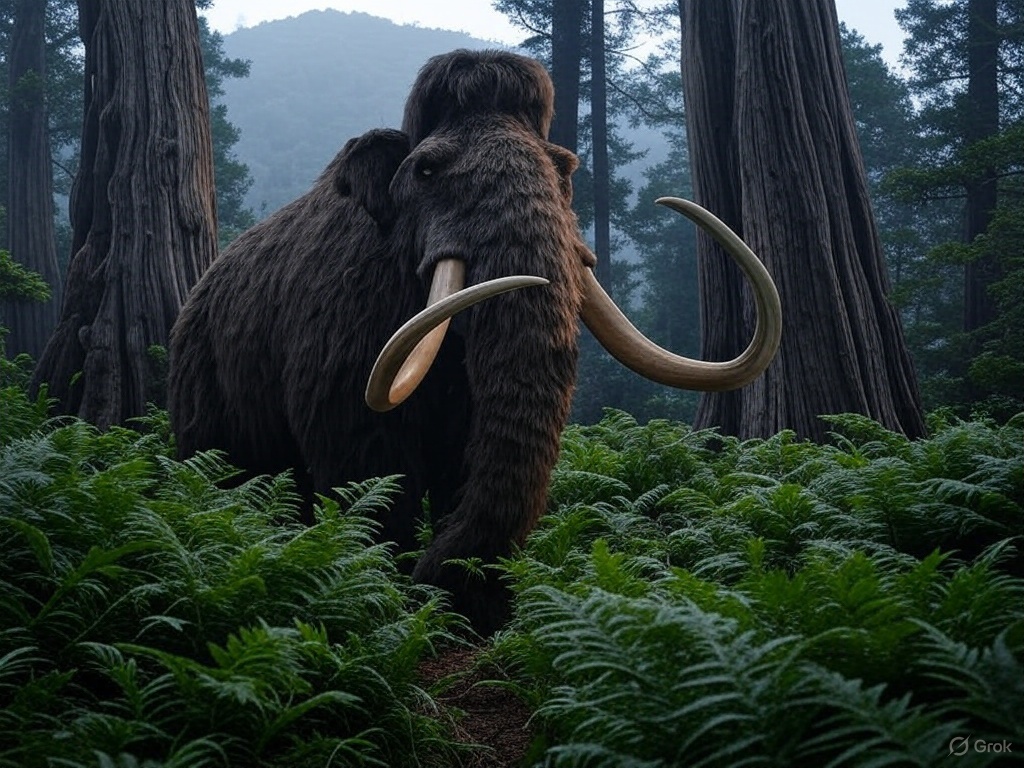
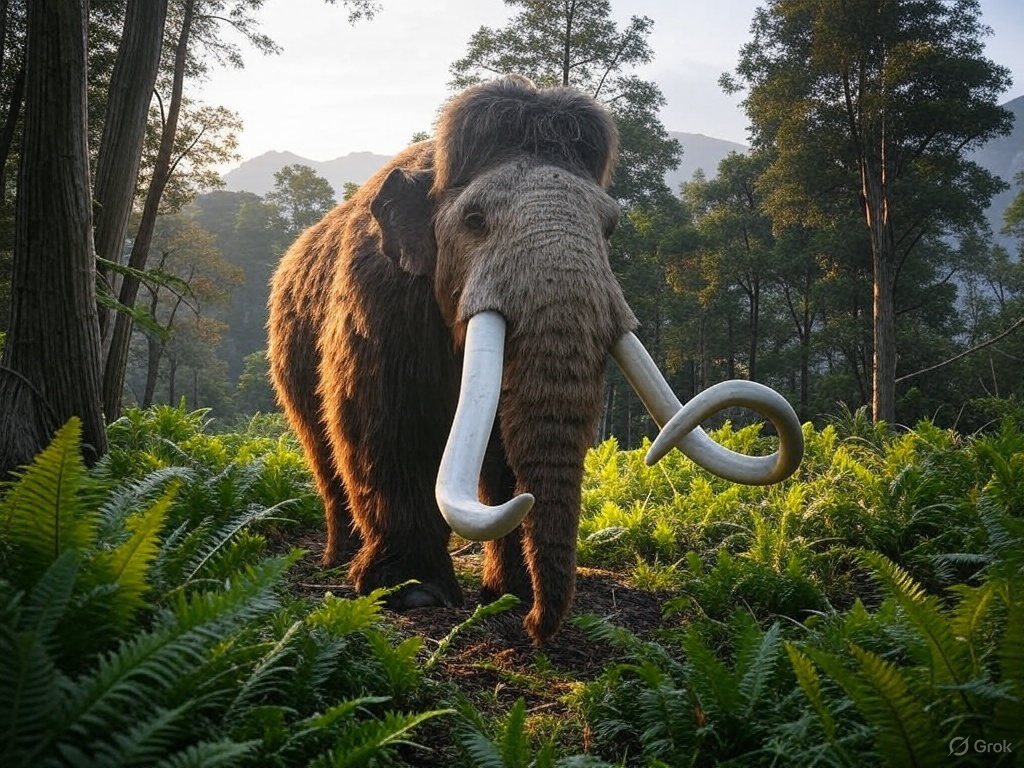
Klima slide i dækket er velkendt. En tung, koldfast græsser, siger virksomheden, ville vælte buske, pakke sne og holde arktisk permafrost frosset. Pleistocene Park i Sibirien har testet en lavteknologisk version med levende planteædere. hypotesen er ikke nonsens. En håndfuld manipulerede elefanter er ikke en mammut steppe. Flytning dato indrømmer kalenderen. Det løser ikke økologien.
Colossal blev grundlagt i 2021 af Lamm og Harvard genetiker George Church. Musene ankom. Det gjorde kalven ikke. I 2026 virksomheden blev beskrevet ved en værdiansættelse over $10 milliarder. Et Dallas laboratorium forkorter ikke en elefantgraviditet. Det gør en blond mus gå viral.
What Is Actually Alive
Chip, Dale og hvalpene, der fulgte, beviste, at en stablet coat edit kan fødes, fravænnes og videregives. Det er et resultat. Det er ikke en mammut, og det har Lamm sagt i de samme interviews, som lover det. Dyret i slutningen af rørledningen, hvis det er født, vil være en asiatisk elefant omskrevet til at se og metabolisere mere som en mammut. Det bliver ikke et klonet lig. Det vil ikke, ved eksisterende, genoprette et græsarealer, der forsvandt med isen. Det vil teste, om en virksomhed kan holde et stort fremstillet pattedyr i live længe nok til at ringe til pressen.
The AEGIS Alliance has covered other labs that sell a future ahead of the organism, from farm concepts drawn up for Mars to older arguments about what scientists are willing to call lifeAmbition er ikke problemet. At behandle en omlagt fødsel som en fødsel er. Et uldent svin er blevet lovet som en større prøve af hår og kirtel edits, uden nogen offentlig fødselsdato knyttet. Indtil det dyr eller en elefant kalv står i et foto, der ikke er en rendering, det levende bevis på dette program er en lurvet mus og en tidslinje, der allerede har gået fra 2027 til 2028 til begyndelsen af 1930 'erne.
Readers who want the science desk rather than the keynote can start at videnskablege nyhederAEGIS Alliance vil behandle en kalv som nyt, når den bliver født. Indtil da er den ærlige billedtekst den, Lamm allerede har skrevet. Musene validerede en rørledning. De bragte ikke en mammut nærmere på nogen måde en tundra ville genkende.





There be at least 4 movies that show this is a bad idea and will not end well 💀
Var rädd om de djur som finns idag istället.
Down this road lays extinction, aye