Nashville Homeowner Cleared After Shooting Anton Cosby, Whose Burglary Counts Were Later Dismissed

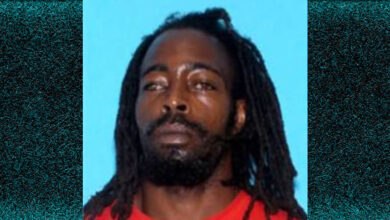
The first official version of what happened on Shreeve Lane was a clean self-defense story, and the part about the homeowner has held. The part about the man who was shot has not held in the shape police described on the morning of April 20, 2024. Anton Cosby, then 32, was accused of trying to climb through a kitchen window with a revolver, was shot once in the arm, and was booked, on paper, for aggravated burglary and gun crimes. When the Davidson County Criminal Court file closed on April 14, 2025, the burglary counts and the weapons counts were dismissed. The count that survived was felony vandalism of $2,500 or more.
That gap, between the charging narrative and the conviction, is the part of this case worth sitting with. Home-defense shootings travel fast because they confirm something people already believe about their front door. A year later, the clerk’s index is duller and more precise. It is also the record that matters if the question is what the justice system was willing to prove.
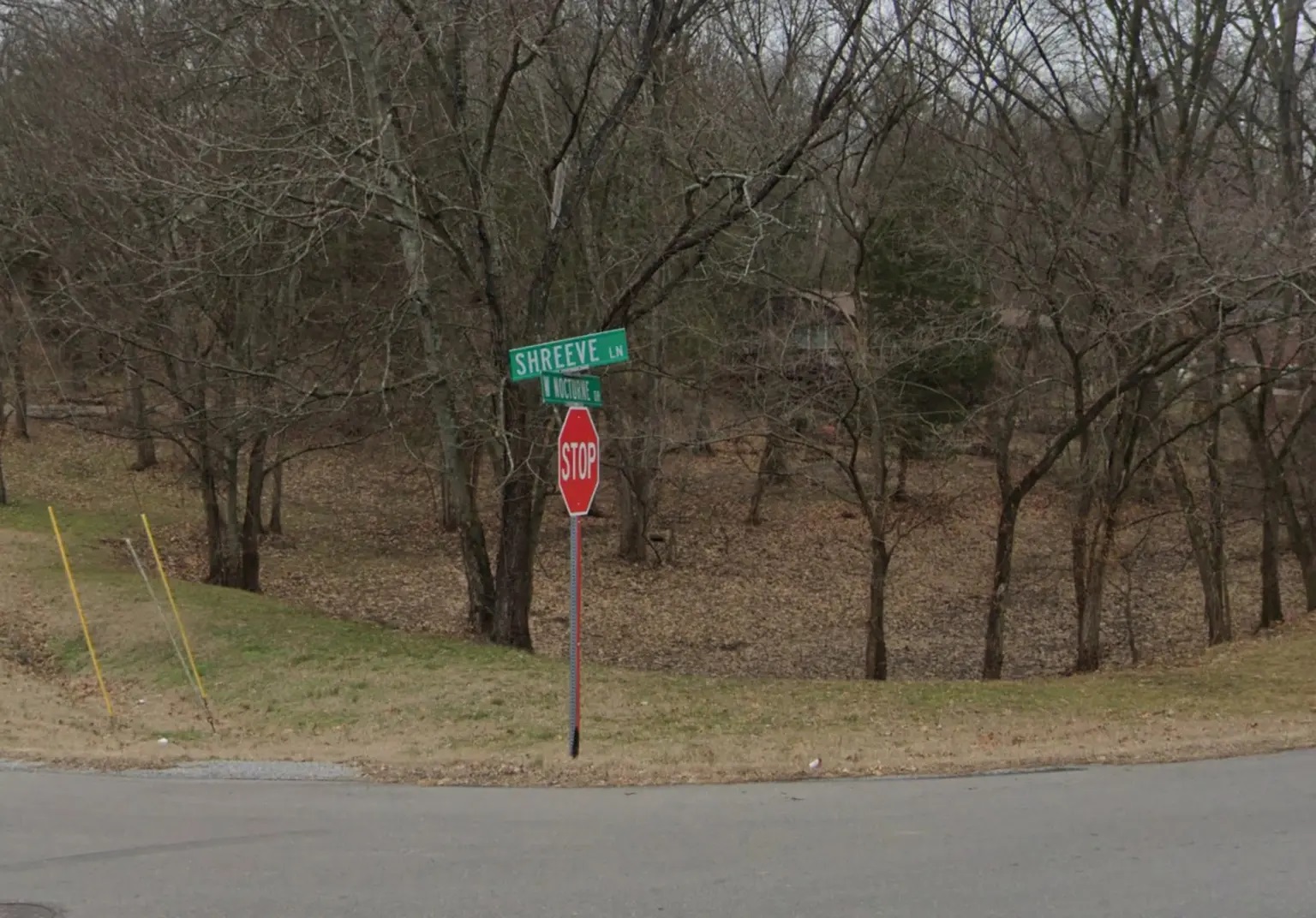
Metro Nashville Police said the confrontation started just before 6 a.m. on Saturday, April 20, 2024, at a house on Shreeve Lane in the Trinity Hills neighborhood. The homeowner and his family woke to banging on the front door and the windows. He got a firearm. He told Cosby, more than once, to leave or he would shoot. Cosby broke the kitchen window and started to climb through. The homeowner fired one round. It hit Cosby in the arm. Police said Cosby dropped a revolver near the kitchen sink and ran. Officers found him a short distance away. When they tried to treat him, he became combative. They subdued him and took him to TriStar Skyline Medical Center. The wound was described as non-critical. The department’s public affairs office, in a release published that day, said the Davidson County District Attorney’s Office had already decided the homeowner acted in self-defense and was not expected to be charged for the shooting.
The release also listed what Cosby would face once he left the hospital: aggravated burglary, felony vandalism, possession of a firearm during the commission of a felony, and possession of a firearm while intoxicated. Those are not paperwork charges. Aggravated burglary in Tennessee is a violent felony built around entering a habitation with intent to commit a crime, and the gun counts, if proved, would have stacked years on top of it. A revolver left by a kitchen sink is the kind of fact a prosecutor puts in the first paragraph of a closing argument. Intoxication while armed is the kind of fact a jury understands without a law degree. The homeowner’s single shot, after repeated warnings, fit the statute the district attorney was applying: a person may use deadly force when they reasonably believe it is immediately necessary to stop an intrusion into an occupied home. Tennessee’s self-defense law does not require a homeowner to wait until an intruder has both feet on the linoleum.
The court file, case 2024-C-1560, tells a narrower ending. The public case index of the Criminal Court Clerk of Metropolitan Nashville and Davidson County shows two aggravated-burglary counts dismissed on April 14, 2025. It shows two counts of employing a firearm during a dangerous felony dismissed the same day. It shows a count of possessing a weapon while under the influence dismissed the same day. On the vandalism count, $2,500 or more, the disposition is guilty, and the offense is marked as a felony. Cosby appeared that morning. His attorney of record was Bobby P. Ballinger. Bond on the case had been set at $75,000. The homeowner was not charged. That last fact has been stable since the afternoon of the shooting, and nothing in the 2025 dispositions reopened it.
What the index does not do is explain the bargain. Dismissals of this kind usually mean a plea: the state drops the counts it is less sure it can prove, and the defendant admits the count that is easiest to show a jury. A smashed kitchen window, a damaged frame, and a repair bill over $2,500 are tangible. Intent to commit a theft or an assault once inside, which aggravated burglary requires a prosecutor to prove beyond a reasonable doubt, is a story about a man’s mind at 6 a.m. A revolver near a sink proves a gun was there. It does not, by itself, prove which statute fits the way he was holding it, or whether intoxication can be nailed to a blood test a hospital drew for treatment rather than for evidence. None of that is a finding that the police account was false. It is a finding that the state, a year later, was prepared to stand on property damage and not on the burglary.
Readers should be careful with what that difference does and does not mean. It does not mean the homeowner was wrong to shoot. The district attorney’s self-defense determination was about the homeowner’s reasonable fear in the moment a man was coming through the glass, not about which felony a different set of lawyers could later sell to a judge. Self-defense can be justified even when the intruder’s eventual conviction is for the broken window rather than for the invasion. It also does not mean Cosby was a misunderstood passerby. A guilty felony vandalism disposition means a court accepted that he caused serious damage to the property. Under Tennessee’s grading, vandalism of $2,500 or more and less than $10,000 is a Class D felony, with a statutory range of two to twelve years. The clerk’s summary page that circulated in public searches confirmed the guilty felony. It did not publish, in the portions reviewed, a line-by-line judgment on how much of that range a judge imposed, so this account will not invent a probation term or a restitution figure the judgment itself has not placed in open view.
The neighborhood context rarely survives into the plea. Trinity Hills is a residential pocket where a family asleep at 6 a.m. is the ordinary condition, and where banging on a door is already an emergency before anyone sees a face at the glass. Neighbors told local television they hated the idea that a gun in the bedroom was what stood between them and the street. That discomfort is the actual cost of a self-defense shooting: the people who did not fire inherit the knowledge that someone on their block settled a break-in with one round. WSMV’s report from the scene is the record of that first day, when the medical outcome was still “non-critical” and Cosby’s legal outcome was still a list of charges waiting at the hospital door.
National coverage locked onto the cinematic version. The New York Post’s headline was the homeowner turning the tables on a would-be burglar. That frame is not dishonest about the shooting. It is incomplete about the year that followed. “Would-be burglar” is a police theory of intent. “Guilty of felony vandalism” is a court’s theory of proof. Both can describe the same man on the same morning. Only one of them is what he stands convicted of.
The practical lesson is narrower than the internet’s home-defense clips. The homeowner on Shreeve Lane was in his own house, gave commands, fired when the man kept coming, and stopped at one round. The district attorney’s review is why his name never became a defendant’s name. Cosby’s year in court is why the first press release should not be treated as the last word on what the state could prove. Departments announce the highest charge the facts might support, then negotiations shrink the case to the count a defendant will sign. That is how overloaded felony dockets clear. It becomes a problem only when the announcement stands in for the outcome. The AEGIS Alliance’s Crimine News coverage has tracked that distance before, between the first allegation and the paper a court files as proved. The Stati Uniti News file is full of mornings and judgments that are not the same story.
Cosby, born August 1, 1991, according to the identifiers on the clerk’s search, was 32 on the morning he hit the glass and 33 when he stood in court to see the burglary counts go away. The family on Shreeve Lane spent that year knowing the district attorney had already cleared them, which is a rarer mercy than the internet’s home-defense videos suggest. Plenty of defensive shootings sit in review for months while a homeowner wonders whether protecting a sleeping household was about to become a prosecution. This one did not. The shot was ruled lawful within the day. The intruder’s case took a year, and it ended on a broken window priced as a felony, not on the armed burglary the first headlines promised. That is a narrower crime. It is still a crime. And it is a more honest description of what the justice system, given a year to think, was prepared to say he had done.