Lee County Jury Convicts Adrian Dabney of Sex Crimes Against a Six-Year-Old as Life Without Parole Hangs on the Sodomy Count


Una giuria della contea di Lee non aveva bisogno di un imputato di celebrità o di un conto alla rovescia delle notizie via cavo. Il 24 ottobre 2025, dopo una settimana in un tribunale Opelika, i giurati condannarono Adrian Dabney di abusi sessuali di un bambino meno di 12 anni, tentato stupro in primo grado, e sodomia in primo grado. Il bambino aveva sei anni. L'abuso, ha detto i procuratori, è accaduto a Opelika nel giugno 2022. Il procuratore distrettuale Jessica Ventiere ha detto che il verdetto era per le persone più vulnerabili della contea, e che i casi di abuso sessuale minorile sono tra i più difficili suoi tentativi di ufficio.
A causa dell'età del bambino, l'ufficio di Ventiere ha detto che il conteggio di sodomia porta l'ergastolo senza la possibilità di libertà vigilata. La separazione dei conti rimanenti è stata impostata per una data successiva. Dabney è stato tenuto al Lee County Detention Center. Una convinzione di questo tipo comporta anche un dovere di vita di registrarsi come un offesa sessuale se il giudizio è in piedi. Non è più presunto innocente ai conti che la giuria ha deciso. Resta il diritto di ricorrere.
What the jury actually had in front of it
La polizia Opelika aprì il fascicolo sulla condotta nel giugno 2022. L'investigatore Elijah Pugh ha guidato il lavoro. Il procuratore distrettuale Madison Grantham ha provato il caso. Ventiere li ha accreditati pubblicamente entrambi, e ha aggiunto un dettaglio che le scritture locali a volte seppelliscono sotto la lista di carica: il Dipartimento di Scienze Forensiche dell'Alabama fornito Testimonianza del DNA esperto che ha aiutato lo stato a soddisfare il suo peso. Questa è la parte di un processo di vittim infantile che non dipende dal chiedere a un bambino di sei anni di portare l'intero caso da solo. Un testimone di laboratorio, una linea temporale di un detective e un procuratore che può mettere in ordine quei pezzi sono come un processo di una settimana diventa un verdetto invece di un mistrial.
Il divario tra giugno 2022 e ottobre 2025 è normale nei casi che coinvolgono un bambino molto giovane, e non è la prova che il sistema era indifferente. Interviste forensi, esami medici, decisioni di ricarica e un processo della giuria ogni prendono il tempo. Il codice dell'Alabama mette questi criminali in cima alla classifica per un motivo. ABC 33/40 ha portato l'annuncio dell'ufficio il giorno dopo il verdetto. L'ufficio del procuratore distrettuale della contea di Lee ha postato gli stessi tre conti e lo stesso avviso di vita-senza-parole, e ha ringraziato il bambino per il coraggio che ha preso per avere i fatti sentito.
"Questa convinzione riflette la determinazione del nostro ufficio di cercare giustizia per i più vulnerabili tra noi", ha detto Ventiere. "I casi di abusi sessuali minori sono alcuni dei più difficili da perseguire, e siamo profondamente grati per il coraggio del bambino e tutti coloro che hanno contribuito a portare alla luce la verità". Ha anche detto La "scill in tribunale e la compassione di Grantham per questo bambino hanno fatto una differenza enorme".
Life without parole is a statute, not a press-release adjective
Sodomy in the first degree is Alabama Code Section 13A-6-63. One way to commit it is to be 16 or older and engage in the prohibited act with a person younger than 12. The offense is a Class A felony. Ventiere’s office has been explicit that, on the facts of this conviction and the victim’s age, the sodomy count is life without parole. That is the number that incapacitates. It is also the number that has to survive an appeal if the family is going to be able to treat it as final.
The other two counts are not decoration. Judges still impose terms on sexual abuse of a child under 12 and on attempted first-degree rape. Those terms can run concurrent or consecutive. They matter if an appellate court ever knocks out a single count. They also matter for the official record that follows a defendant through the Alabama Department of Corrections and the sex-offender registry. Alabama’s registry is a statutory scheme with address rules, reporting deadlines, and criminal penalties for missing them. A life term does not make those rules theoretical. It makes them permanent if the conviction stands.
Justia’s compilation of Section 13A-6-63 notes that the Legislature amended the section by Act 2026-55, with a stated effective date of October 1, 2026. The revised wording was not published in the code text available when this article was written, and this article will not guess at it. What can be said without speculation is narrower. Dabney’s jury returned its verdict on October 24, 2025, under the statute then in force, for conduct prosecutors placed in June 2022. A later amendment does not rewind a verdict. Ex post facto rules exist so that a defendant is sentenced under the law that applied to the crime, not under whatever the code says the following autumn.
The calendar after the cameras leave
Life without parole on the top count was announced as the legal consequence of the sodomy conviction. The clerk’s calendar for the remaining counts was described only as “a later date.” In the months after October 24, 2025, the outlets that covered the verdict — ABC 33/40 and the district attorney’s own posting — did not publish a follow-up sentencing story locating Dabney in a Department of Corrections facility or quoting a formal sentencing order. That absence is not an acquittal and it is not a secret pardon. It is a reminder that a jury’s work and a judge’s pronouncement are different events, and that local readers often never see the second one.
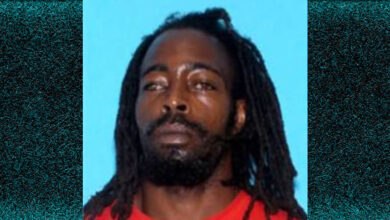
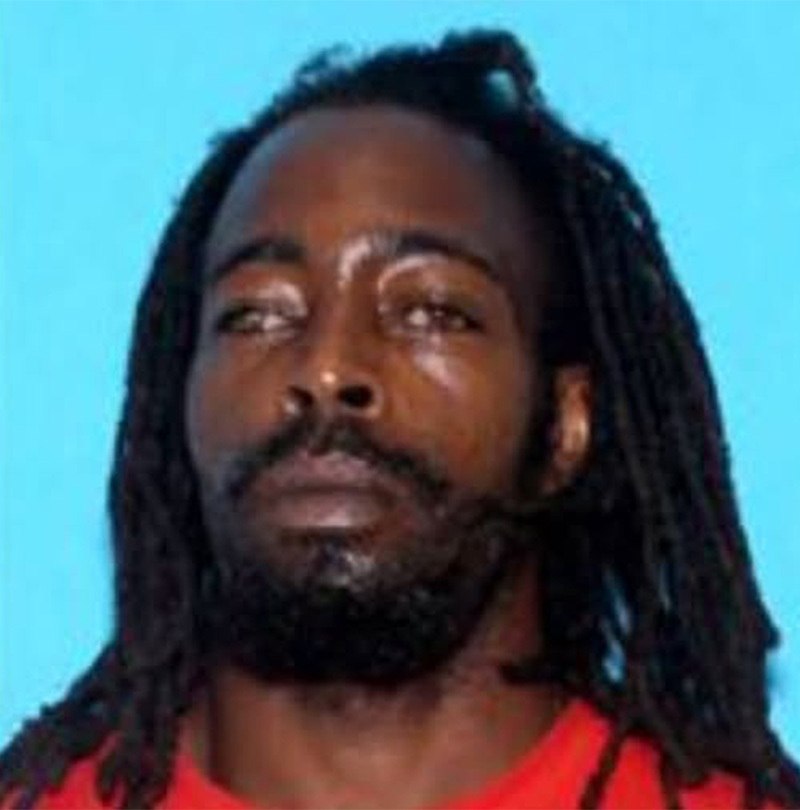
Appeals in child-victim cases often attack evidence rulings, the way a young child’s statements were admitted, and the jury instructions. None of that is a prediction about this defendant. It is the ordinary path after a high-stakes verdict. Until an appellate court says otherwise, the jury’s work is the law of this case. Public records that should update the story are a sentencing order, a Department of Corrections placement, a registry listing, and any notice of appeal. A booking photograph is not a biography, and recirculating a mugshot on social media is not a court record.
The AEGIS Alliance is not publishing graphic trial detail. The public facts that matter are the charges, the child’s age, the investigative path, the DNA testimony the district attorney credited, and what the sentence is designed to do. Alabama’s legislature did not invent life without parole for this one file. Supporters of that penalty argue a six-year-old’s family should never have to wonder whether the person who harmed their child will live on the same street again. Critics of mandatory life terms argue juries should keep more sentencing discretion. This verdict applies the code Lee County’s elected prosecutors said was already on the books. It does not settle the national argument. It settles this caption unless a higher court reopens it.
Why an Opelika verdict belongs in a national file
A six-year-old victim in a mid-sized Alabama county does not generate the same news cycle as a celebrity case. That gap is why local dockets matter. Most child-sex prosecutions in the United States are built by municipal investigators, tried by assistant district attorneys, and decided by jurors who shop at the same stores as the family. Press releases are a snapshot of what happened after a child was already harmed. The more useful public document is the intake path: who a neighbor, teacher, or relative calls, and whether that call is treated as an inconvenience.
The AEGIS Alliance has documented both sides of that system. Related reporting includes the sentencing of an Alabama tennis coach who used access to children as the crime scene, Operation Bad Santa in New Jerseye Operation Guardian arrests in Snohomish County, Washington. A civil counterpart, in which the employer is the defendant after the named guards died, is the Spokane County juvenile-detention lawsuit. Those stories are not this defendant. They are how slowly a system moves until someone finally files a charge. The wider stream lives under crime news e Stati Uniti d'America.
The lines that stay open after a verdict
Anyone who needs to report suspected abuse in Alabama can use the Child Abuse Hotline at 1-866-728-3224, the Lee County Sheriff’s Office at (334)*******51, or Opelika detectives at (334)*******20. Tips can be anonymous through the Opelika Police app. National lines include RAINN at 1-800-656-4673. Those numbers are not a substitute for the counseling a family needs after a trial makes private facts public. Advocates inside a district attorney’s office exist for that reason. So do services that never appear in a charging document.
The operative facts are grim and specific. A Lee County jury convicted Adrian Dabney of three child-sex felonies involving a six-year-old. Prosecutors say the sodomy count is life without parole. The registry obligation that follows a standing conviction is permanent. The remaining counts still needed a judge’s pronouncement when the verdict was announced, and that pronouncement is the document readers should look for next, not another copy of the booking photo.