Secret Complaint, Costa Rica’s First Extradition, and Celso Gamboa’s Texas Cocaine Trial Now Set for February 2027


Haga clic aquí para la versión en español.
Update (March 2026): Gamboa Extradited to the United States
In uno sviluppo storico, il 20 marzo 2026, il Costa Rica estrada Celso Gamboa Sanchez negli Stati Uniti — la prima estradizione del paese dei propri cittadini. È stato portato in Texas accanto al presunto trafficante di droga Edwin López Vega ("Pecho de Rata") per affrontare le accuse internazionali di traffico di droga e cospirazione nel Distretto Orientale di Texas. La consegna ha seguito una sentenza del febbraio 2026 appello-giudizio che sostiene gli ordini di estradizione e scritto Stati Uniti garantisce che, se condannato, gli uomini non riceverebbero frasi superiori a 50 anni, con il tempo già servito in detenzione Costa Rica accreditato verso qualsiasi termine. Il procuratore generale Carlo Díaz ha detto che la mossa ha inviato un messaggio che "nessuno può usare la nostra nazionalità per evadere la giustizia".Reuters, Il Tico Times) The original report follows below.
In the days after The AEGIS Alliance released this video:
- Officials admit: Costa Rica is the largest cocaine distributor in the world.
- Celso Gamboa Sanchez was stealing foreigner’s properties, buying judges’ verdicts, false charges on foreigners to get them expelled from the country then steal their properties.
- Gamboa is an expert at stealing properties.
- New laws were passed in Costa Rica in June 2025 to allow extradition for serious criminal offenses.
- Gamboa faced extradition to the U.S. and he has since been extradited to face prosecution.
- More visas revoked
- Altro
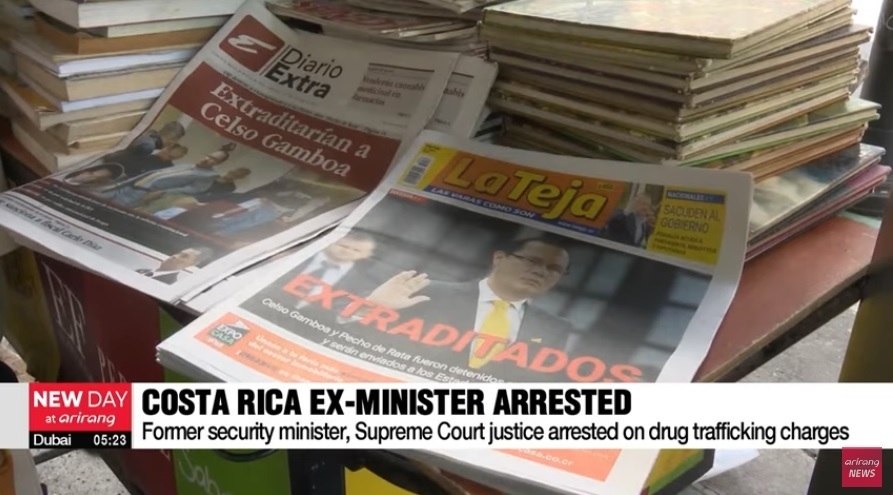
Alla fine del giugno 2025, l'arresto di Celso Gamboa Sanchez, un ex giudice della Corte Suprema Costarica, ex ministro della sicurezza nazionale, e ex procuratore, inviò onde d'urto attraverso la istituzioni politiche e giuridiche della nazione. Accusato di legami con il traffico di droga, Gamboa è stato arrestato e affrontato la prospettiva una volta impensabile di estradizione agli Stati Uniti. Mentre la notizia ha fatto i titoli internazionali, il vero catalizzatore per questo alto-stakes takedown non è stato uno sprawling, indagine pluriennale da parte di un'agenzia federale. È stato il culmine di una campagna clandestina senza sosta, condotta da un informatore anonimo, acceso da un unico, strategicamente consegnato denuncia agli Stati Uniti Dipartimento di Stato.
Questa è la storia di come la determinazione di una persona a esporre una rete di corruzione che vittime di un investitore americano messo in moto una catena di eventi che ha portato il peso pieno di Stati Uniti il governo di portare sulla Costa Rica. Si tratta di una narrazione di frustrazione, persistenza, e di un gambit ad alto livello che finalmente ha pagato, portando a un drammatico cambiamento nella lotta contro la criminalità transnazionale e ufficiale complicità nella nazione centroamericana.
The Victim and The Conspiracy: An American’s Nightmare in Paradise
La saga non inizia con i comunicati governativi segreti, ma con la volontà di Enzo Vincenzi, un investitore americano che si à ̈ trovato coinvolto in quello che ha descritto come un sofisticata cospirazione. Per anni, la storia di Vincenzi è stata una delle persecuzioni sistematiche, la rovina finanziaria e il tradimento istituzionale, un racconto di cautela per qualsiasi straniero che cerca di fare affari in un paese la cui immagine idilliaca maschera una realtà più scura.
Secondo una vasta documentazione, l'ora legale di Vincenzi ha coinvolto un complesso web di presunta corruzione che implica avvocati pubblici, funzionari e cittadini privati. Il suo caso, dettagliato in una serie di esposizioni, dipinge un quadro di un sistema giudiziario armato contro di lui. Di fronte a cause legali fraudolente, furto di proprietà e minacce, tutto mentre i suoi tentativi di cercare il risarcimento attraverso canali legali Costa Rica sono stati presumibilmente stymied da attori corrotti. Come un report e video da The AEGIS Alliance titled “The Costa Rica Conspiracy” outlines, the efforts against Vincenzi were designed to financially and psychologically break him, but he stood strong, and decided to face the injustices committed against him.
The frustration was palpable. Vincenzi even took the extraordinary step of offering a $5,000 ogni ricompensa per informazioni che portano all'arresto e alla condanna dei funzionari corrotti che credevano fossero responsabili della sua persecuzione. Questa non era l'azione di un uomo che aveva fede nel sistema; era una misura destinata a trasmettere un messaggio potente, nato da anni di imperfezioni per la giustizia.

Guardare questo dispiegamento era un individuo che sarebbe diventato il whistleblower. Questa persona ha documentato metodicamente le ingiustizie contro Vincenzi, compilando prove e realizzando argomenti legali. Il coinvolgimento del whistleblower è tornato almeno al 2022, e nel settembre 2024, la figura eroica occultata aveva autorizzato un dossier di denuncia penale di 14 pagine, completo con ampie prove fotografiche e video, che exposed the corruption nexus nel cuore del caso di Vincenzi. Il dossier per il pubblico è di 13 pagine, mentre la versione intentata solo per il presidente Rodrigo Chaves e il dipartimento di immigrazione Costa Rica è di 14 pagine. (Criminal Dossier ZIP File Download HERE.) Per più di tre anni, il whistleblower ha scritto numerose lamentele penali per Vincenzi a depositare nei tribunali Costa Rica, ma hanno languito, apparentemente ignorato dalle stesse le istituzioni destinate a indagare su di loro.
Il sentimento di un solo individuo che combatte un sistema apparentemente insormontabile è stato perfettamente catturato da un commento su un video di YouTube che discute Stati Uniti richieste di estradizione dal Costa Rica: "Cosa è incredibile che un civile senza stipendio o sostegno istituzionale abbia portato alla luce la negligenza o la possibile complicità così tante persone coinvolte nella distribuzione della droga, sia nel settore pubblico che privato." – @antoniojimenez7106
Questo commento sembrava riflettere la piaga dell'investitore americano Enzo Vincenzi, tuttavia, incapsula l'essenza della battaglia lunga e spesso solitaria del fischiatore, anche se, Vincenzi e il whistleblower stavano esponendo funzionari pubblici e avvocati corrotti, non trafficanti di droga specificamente. Con il sistema Costa Rica che appare impenetrabile, era necessaria una nuova strategia. La lotta doveva essere intensificata a un potere più alto, il governo degli Stati Uniti.
The Gambit: A Two-Pronged Appeal to Washington
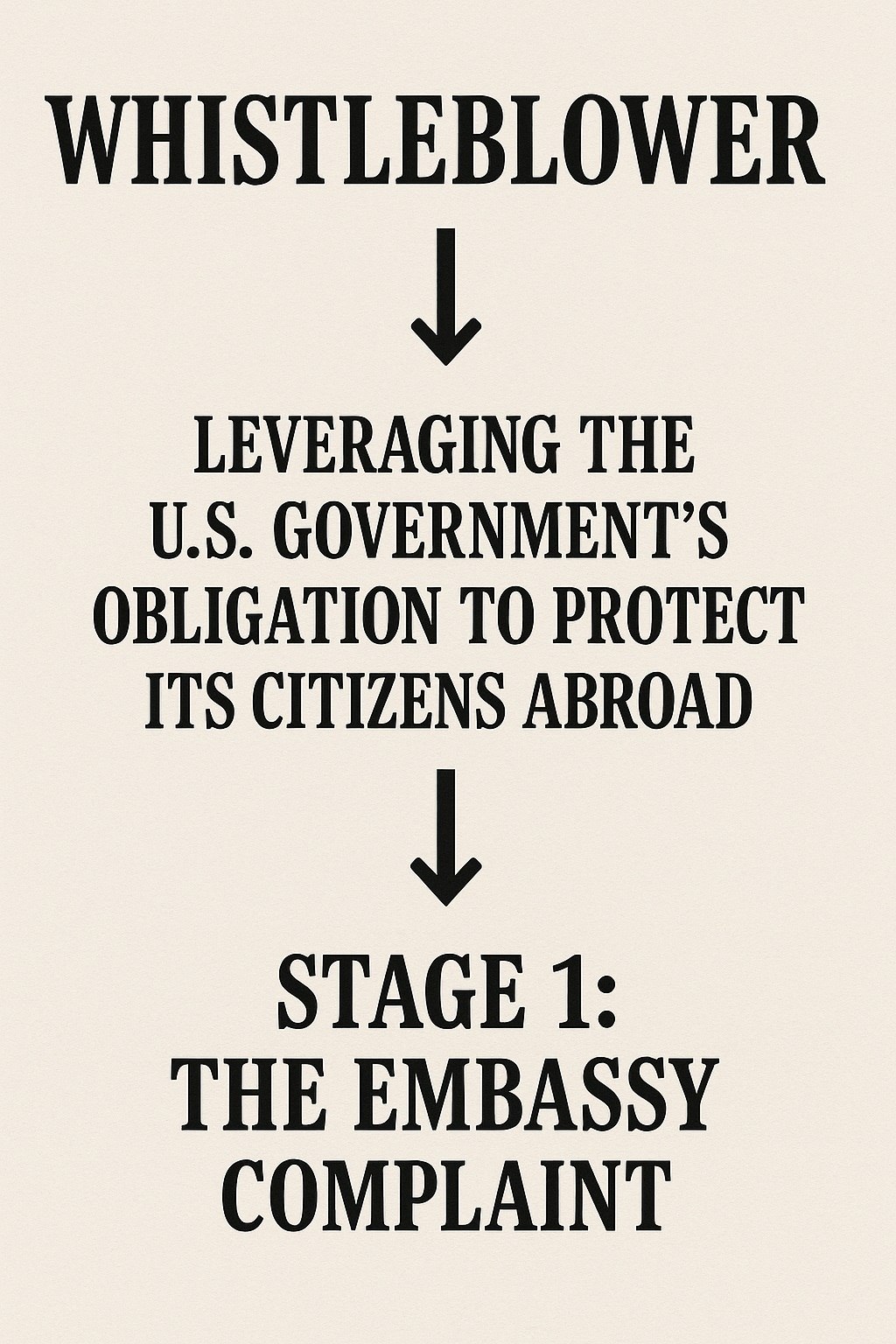
La strategia del whistleblower si è spostata dalla ricerca della giustizia all'interno del Costa Rica per chiedere un intervento dall'esterno. Ciò ha comportato un approccio a due fasi, sfruttando gli Stati Uniti l'obbligo del governo di proteggere i suoi cittadini all'estero.
Stage One: The Embassy Complaint and Building Interest
La prima grande mossa arrivò nel settembre 2024. vincenzi, cercando aiuto, ha visitato l'ambasciata degli Stati Uniti a san José, Costa Rica. La sua esperienza là, tuttavia, è stata presumibilmente una di trascuratezza e licenziamento, lasciandolo sentire abbandonato dal suo paese. Secondo un reclamo formale poi scritto dal whistleblower, i diritti umani di Vincenzi sono stati violati durante questo incontro, come il personale dell'ambasciata ha riferito non fornito il l'assistenza e la protezione di cui aveva diritto come cittadino americano in pericolo.
Questo incidente divenne la base di una denuncia formale inviata al Dipartimento di Stato degli Stati Uniti. Ma il whistleblower stava giocando un gioco più lungo. La denuncia non è stata semplicemente inviata all'amministrazione in carica; le copie sono state anche indirizzate a figure chiave nella campagna presidenziale degli Stati Uniti d'America a partire dal 2025, Donald J. Trump. Si trattava di una copertura strategica, assicurando che, indipendentemente dal risultato delle elezioni del 2024, le informazioni sarebbero state nelle mani delle persone con influenza. Mentre questa lettera non ha innescato una risposta immediata e eccessiva, ha posto con successo il caso di Vincenzi - e la questione più ampia della corruzione Costa Rica che colpisce gli americani - sul radar di incoming Stati Uniti funzionari. Ha posto le basi e ha costruito l'interesse cruciale.
Stage Two: The “Ignite Letter” and a Secretary’s Sudden Detour
With a new administration in place in 2025, the whistleblower saw a new opportunity. In early January 2025, a second, more pointed formal complaint was written and completed, poi spedito al Dipartimento di Stato, ora sotto la guida del Segretario di Stato Marco Rubio. Questo, il whistleblower poi chiarito, era la "lettera di ignite" - quella che ha ribaltato le scale. Anche intorno allo stesso tempo, signor. Vincenzi fu brutalmente aggredito da un presunto aggressore, corrotto il figlio dell'avvocato pubblico Yorleni Diaz.ZIP File Download HERE.)
L'effetto era quasi immediato e molto visibile. Il Segretario Rubio ha fatto un viaggio diplomatico pianificato in America Centrale, con fermate programmate che comprendevano Panama e El Salvador. Improvvisamente, il suo itinerario è cambiato. An additional stop was added: San José, Costa Rica. Per gli osservatori stretti, questa deviazione non programmata era un segnale chiaro. Un reclamo da una fonte anonima sulla situazione di un singolo investitore americano era stato apparentemente elevato a una questione di Stati Uniti interesse nazionale, costringendo una visita da uno dei migliori diplomatici della nazione.January 2025 complaint can be viewed HERE.)
The Dominoes Fall: The U.S. Response Unleashed
La visita del Segretario Rubio all'inizio del febbraio 2025 non era solo una cortesia diplomatica. Era l'arrosto di un'inaudita repressione degli Stati Uniti. Nei mesi successivi, le promesse di intervento divennero realtà come un formidabile contingente di agenzie statunitensi scese sulla Costa Rica. Il dipartimento di sicurezza nazionale (dhs), l'amministrazione dell'applicazione della droga (dea), l'ufficio federale di indagine (fbi), e anche gli elementi degli stati uniti l'esercito è arrivato a svolgere compiti ufficiali. Il messaggio era inconfondibile: gli Stati Uniti non erano più disposti a tollerare un sistema in cui i suoi cittadini potevano essere vittime e dove organizzazioni criminali transnazionali potrebbe operare con impunità, presumibilmente abilitato da funzionari locali corrotti.
La pressione montata. La presenza delle forze dell'ordine e delle agenzie di intelligence degli Stati Uniti ha creato una nuova realtà politica in Costa Rica. Questa pressione è stata determinante in un cambiamento legislativo di riferimento. All'inizio di giugno 2025, il parlamento della Costa Rica ha approvato una nuova legge che riforma l'articolo 67 della legge sui narcotici, le sostanze psicotrope e i crimini correlati. Come riportato da Il Tico Times, questa riforma ha aperto la porta per l'estradizione dei cittadini della Costa Rica per i reati di traffico di droga, una pratica precedentemente vietata dalla costituzione del paese. Mentre la legge ha i suoi limiti e non copre tutti i crimini, è stato uno spostamento sismico appositamente progettato per colpire i narcotrafficanti di alto livello e i loro collaboratori che a lungo si sentiva intoccabile.
Il whistleblower aveva detto a Vincenzi pochi giorni prima che la legge passasse che più crimini continuano ad essere commessi contro il signor. Vincenci, che non c'è più movimento con le lamentele in tribunale. Non molto tempo dopo, Costa Rica ha approvato la legge all'inizio di giugno per rendere i criminali in grado di essere estradato per affrontare il processo e le conseguenze in altri paesi, tra cui trafficanti di droga e corrotti funzionari Costa Rica che sono in grado di essere estradato negli Stati Uniti per affrontare il processo. Il whistleblower aveva attraversato tre anni di conoscenza dei crimini che continuavano ad essere commessi contro il signor. Enzo Vincenzi prima che l'azione fosse finalmente presa e finalmente videro luce brillare durante la loro missione.
The new law didn’t have to wait long to be tested.
Just weeks later, in late June 2025, authorities arrested Celso Gamboa Sanchez. According to a report from Reuters, Costa Rica’s Judicial Investigation Police (OIJ) confirmed that Gamboa was detained on drug trafficking charges following a U.S. extradition request. The arrest was a stunning development, targeting a figure who had occupied the highest echelons of the country’s justice and security apparatus. As detailed in the update at the top of this article, Gamboa was ultimately extradited to the United States on March 20, 2026.
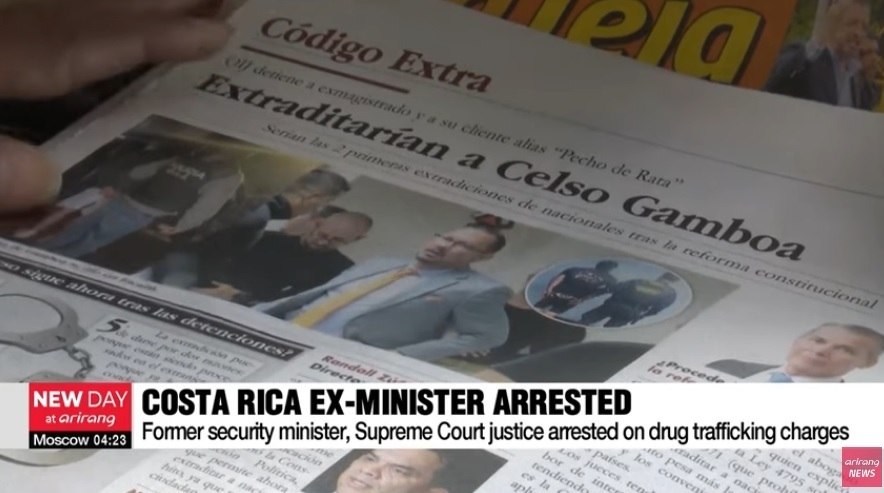
For the whistleblower and Enzo Vincenzi, it was a moment of profound vindication. Just two days before Gamboa’s arrest, the two had been on a phone call, expressing mutual uncertainty about whether their years of effort would ever bear fruit. Vincenzi had high hopes, but after so many setbacks, doubt lingered. Two days later, the news broke. The arrest was tangible proof that their campaign had succeeded. The abstract pressure applied by the complaint letter had materialized into concrete law enforcement action against one of the most powerful figures in the country.

A Glimmer of Justice and a Budding Alliance
The impact continues to reverberate. In the wake of Gamboa’s arrest and the clear signal of U.S. involvement, other wheels of justice began to turn. The Costa Rican witness protection department, which had previously been unresponsive, finally agreed to move forward with Enzo Vincenzi’s case—a decision undoubtedly made under the immense pressure of the new political climate.
The whistleblower’s actions have also fostered new alliances. In a recent Signal conversation with a person conducting extensive undercover investigations in Costa Rica, the gravity and interconnectedness of their work became clear.
“Pressure is what we are gonna get,” the undercover investigator wrote. “I will be invested and share all. Our cases are tied together closely. I’ll trust you if you trust me.”
“Yes, let’s continue to build our trust with each other,” the whistleblower replied.
The whistleblower wants it to be known that “Regardless of my differences with any current or former U.S. Administration, I did it for our country.”
This exchange highlights the new reality on the ground: a coalition of individuals, both inside and outside the system, working together against a common corrupt enemy, emboldened by the knowledge that they now have the backing of the U.S. government.
The story of the whistleblower’s gambit is a powerful testament to the impact one determined individual can have. For years, Enzo Vincenzi’s case was a symbol of systemic failure. Today, it stands as a symbol of a new precedent. The arrest and subsequent extradition of Celso Gamboa and the ongoing U.S. presence in Costa Rica demonstrate that a well-documented, strategically delivered complaint can indeed pierce the veil of sovereign impunity, especially when the rights of American citizens are at stake. The fight is far from over, but for the first time in a long time, for victims of corruption in Costa Rica, there is a tangible reason for hope. A secret complaint has ignited a fire, and the world is now watching to see what—and who—it consumes next.
Update (Spring 2026): Gamboa Faces the U.S. Courts in Texas
Following his historic March 20, 2026 extradition, Celso Gamboa Sánchez landed in the United States to confront the charges waiting for him. According to the U.S. Department of Justice, Gamboa and his co-defendant, Edwin Danney López Vega (“Pecho de Rata”), were scheduled for their initial appearances in federal court in the Eastern District of Texas on March 24, 2026 — the standard first step in which defendants are formally advised of the charges, enter pleas, and receive a pretrial schedule, with detention or bond decisions to follow. (U.S. Department of Justice)
Court records lay out the timeline behind the takedown. Gamboa was named in a federal indictment returned by a grand jury on July 9, 2025, charging him with conspiring with other international drug traffickers to manufacture, distribute, and transport large quantities of cocaine — much of it allegedly routed through Costa Rica and into the United States for further distribution. López Vega had been charged separately on June 11, 2025, in a two-count indictment alleging a cocaine-trafficking conspiracy dating back to 2008 that spanned Colombia, Panama, Costa Rica, Guatemala, and Mexico. Federal prosecutors allege that, before his arrest, Gamboa had become a major trafficker who leveraged his government connections to help move tens of millions of dollars’ worth of cocaine from Colombia through Costa Rica to the United States and Europe. (FBI / DOJ, Eastern District of Texas)
The Justice Department described the prosecutions as part of “Operation Take Back America,” a nationwide initiative coordinated through its Organized Crime Drug Enforcement Task Forces (OCDETF) and Project Safe Neighborhoods (PSN), with investigative work led by the DEA’s Dallas Field Division and San José Country Office alongside the FBI. If convicted, Gamboa and López Vega each face a minimum of ten years and a maximum of life in federal prison, though under the written guarantees the United States provided to secure the extradition, neither man may receive a sentence exceeding 50 years, and time already served in Costa Rican preventive detention is to be credited toward any term.
Notably, not every requested handover survived appeal. While the San José Criminal Court of Appeal upheld the extraditions of Gamboa and López Vega — finding their alleged conduct “continuous or permanent” and therefore extending past the May 2025 constitutional reform — it revoked the extradition of a third suspect, Jonathan Álvarez Alfaro (alias “Gato” or “Profe”), concluding that his alleged money-laundering activity occurred entirely before the reform took effect. (Il Tico Times)
As with any criminal case, the indictments are allegations only, and Gamboa, López Vega, and any others named remain presumed innocent unless and until proven guilty in court. For a whistleblower and an American investor who spent years documenting a system that seemed untouchable, however, the sight of a former Supreme Court magistrate and security minister standing before a U.S. federal judge marks a milestone few believed possible when this story began.
Update (June 2026): Where the Case Stands
Court and Justice Department records identify the two extradited defendants as Celso Manuel Gamboa Sánchez, 49 — a former Costa Rican Minister of Public Security (2014) and judge (2016–2018) — and Edwin Danney López Vega, 49, the accused trafficker known as “Pecho de Rata.” Their June 23, 2025 arrests in Costa Rica were carried out on a provisional warrant tied to the international drug-trafficking charges against Gamboa in the Eastern District of Texas, and both men remained jailed in Costa Rica throughout the extradition fight before being flown to the United States on March 20, 2026. (U.S. Department of Justice)
As of mid-June 2026, the prosecution is in its pretrial phase. In a federal case of this kind, the initial appearance is followed by a detention hearing — in which a magistrate judge decides, under the Bail Reform Act, whether a defendant is held or released pending trial — and an arraignment at which the formal charges are read and a plea is entered, after which the case moves into discovery, motions, and possible plea negotiations that can stretch over many months. No public verdict or plea agreement has been reported in either man’s case, and both are presumed innocent unless and until proven guilty.
On the Costa Rican side, officials have signaled that Gamboa and López Vega may not be the last. Reporting around the extradition noted additional U.S. requests for the handover of other Costa Rican nationals allegedly linked to transnational trafficking networks, underscoring that the precedent set by the 2025 constitutional reform — and pushed into reality by the pressure this story chronicles — continues to widen. For Enzo Vincenzi and the whistleblower, the case remains a live one, and they have indicated their broader documentation of corruption tied to his ordeal is ongoing.
Update: The Texas Docket After the June 2026 Checkpoint
Federal court records in United States v. Gamboa Sanchez, No. 4:25-cr-00142 (E.D. Tex.), show the case is still active. After the March 24, 2026 initial appearance in Tyler, Magistrate Judge Bill Davis detained Celso Manuel Gamboa Sánchez; he waived a detention hearing and remains in custody. Judge J. Campbell Barker first set a pretrial conference for May 27, 2026, and jury selection for June 1, 2026. The government objected to that trial setting. Continuances followed on April 27, May 6, and again on September 1, 2026. No public guilty plea or verdict has been entered. The July 9, 2025 indictment still charges international cocaine trafficking. Those charges are allegations. Gamboa and co-defendant Edwin Danney López Vega remain presumed innocent unless a jury or a plea says otherwise. (CourtListener docket, U.S. Attorney, Eastern District of Texas)
The whistleblower’s original video stays at the top of this report.
Federal court file after the handover
The Eastern District of Texas case is United States v. Gamboa Sanchez, 4:25-cr-00142, assigned to Judge J. Campbell Barker and referred to Magistrate Judge John D. Love. U.S. Attorney Jay R. Combs’ office said Gamboa and Lopez-Vega were the first Costa Rican nationals extradited after the May 2025 constitutional change that allowed nationals to be sent abroad on drug-trafficking charges. The July 9, 2025 indictment accuses Gamboa of conspiring to manufacture, distribute, and transport large quantities of cocaine through Costa Rica toward the United States. Lopez-Vega was charged separately on June 11, 2025, in a conspiracy that prosecutors say moved cocaine through Colombia, Panama, Costa Rica, Guatemala, and Mexico.
Both men made initial appearances in East Texas on March 24, 2026. Docket activity continued into May 2026. The charges remain allegations in the Texas courtroom until a jury or a plea resolves them. The Justice Department’s March 23, 2026 release is the cleanest public statement of the U.S. theory of the case (USAO Eastern District of Texas). FBI Dallas and DEA Dallas are listed as the joint investigating offices.
None of that federal caption decides Enzo Vincenzi’s separate civil and criminal complaints in Costa Rica. It does confirm that the extradition law the whistleblower watched get written in 2025 was not a press-release statue. Costa Rica used it. The United States booked the first two men it asked for. Related files on this desk: North Fort Myers, Florida Man Alleges Violent False Arrest and Imprisonment: The Case of Enzo Vincenzi, A Corruption Nexus Exposed: U.S. Investor’s Quest for Justice in Costa Ricae The Costa Rica Conspiracy: Unraveling the Web of Corruption and Deceit – A Warning to American Investors.
A Tyler judge moves the cocaine trial to February 2027
The Eastern District of Texas docket did not stop at the September 1, 2026 continuance request. On September 14, 2026, District Judge J. Campbell Barker granted the 120-day extension defense attorney Rafael de la Garza had sought in United States v. Gamboa Sanchez, No. 4:25-cr-00142. El Observador reported the new dates from that order: pretrial motions are due December 30, 2026; the deadline to announce a plea agreement, or to seek a further delay, is January 4, 2027 at noon; the pretrial hearing is February 3, 2027 at 1:30 p.m.; jury selection and trial are February 8, 2027 at 9:30 a.m. in Tyler. That schedule replaces the September 30 pretrial and October 5 trial settings the motion would have displaced.
De la Garza told the court the defense had opened its own inquiry in Costa Rica with lawyers there, and that most of the government’s evidence was still unread. He said he notified assistant federal prosecutor Wes Wayne on September 1, and that prosecutors did not oppose the extra time. Il Tico Times reported the evidence described in the case file includes recordings of meetings with undercover agents, testimony from cooperators inside criminal structures, and financial records that include $16 million in deposits in Mexico. La Nación reported on September 17, 2026 that Gamboa remains detained in a Texas prison while that review continues. He has not entered a plea. The charges are allegations. He is presumed innocent unless a jury finds otherwise.
Edwin Danney López Vega, known as Pecho de Rata, is on a parallel clock. Noticias Monumental reported on August 11, 2026 that his Texas trial was also being pushed toward 2027 to leave room for a possible negotiation. The two men flew together on March 20, 2026. They are not required to be tried on the same morning, and a delay for one does not decide the other. What the pair of calendars does show is that Costa Rica’s first extradition of its own nationals produced defendants in custody, not a quick verdict.
Before the handover, Gamboa told Reuters he would testify in the United States and share information about others if his safety and his family’s safety were guaranteed. That offer is not a plea. It is a statement from a former security minister, former prosecutor, and former Supreme Court magistrate who is now a defendant in the district that received him. Attorney General Carlo Díaz’s line from the day of the flight still sits on the record: Costa Rica was sending a message that nationality would not be a shield. The message got the men onto a plane. The Tyler calendar now says the trial that message was supposed to produce will not start until February 2027.
None of those federal dates decides Enzo Vincenzi’s separate complaints in Costa Rica. They do show the extradition statute was used, booked, and then slowed by the ordinary weight of a drug-conspiracy file. The whistleblower’s video remains at the top of this report. Readers following the American investor whose case the whistleblower carried to Washington can continue with the North Fort Myers account of Enzo Vincenzi e the complaint aimed at the U.S. Embassy in Costa Rica.