Meta Drops Third-Party Fact-Checking for X-Style Community Notes on Facebook, Instagram, and Threads

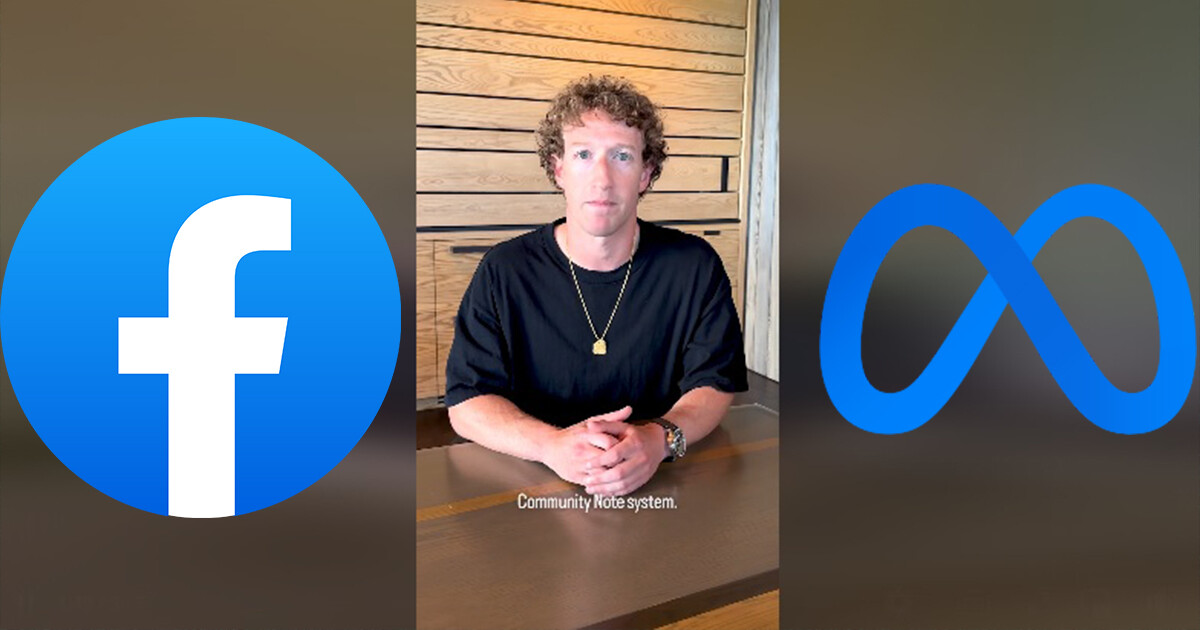

On January 7, 2025, Meta said it would wind down its third-party fact-checking program in the United States and move Facebook, Instagram, and Threads toward a Community Notes model popularized on X. Mark Zuckerberg framed the old system as a tool that too often became censorship. Newsrooms that had staffed the program framed the announcement as an abdication timed to a new administration. Both descriptions can be true at once. The product question that remains is simpler and harder: who writes the note, who rates it, and how far a false claim travels before anything attaches to it.
The AEGIS Alliance does not exist to defend a guild of checkers or a billionaire’s speech sermon. It exists to describe what actually changed on the feed. Under the old model, contracted newsrooms labeled claims and those labels could throttle distribution. Under Community Notes, users write context and other users rate whether the note is helpful. Meta says it will not author the notes or pick winners once the system is running. That is the pitch. The operational record since the pitch is the story.
What Zuckerberg Sold and What the Feed Delivered
Zuckerberg tied the change to what he called a cultural tipping point after the 2024 election. Donald Trump praised the move. That political alignment is not a coincidence and it is not a complete explanation. Fact-checking as a product never satisfied the people who thought the checkers were a faction. It also never solved virality. A label that arrives after a clip has already been screenshotted into a dozen other apps is a footnote, not a brake. Community Notes trades an institutional voice for a visible argument. That can surface context faster when the rater pool is broad and the claim is checkable — a mislabeled video, a forged screenshot, a quote taken from the wrong year. It fails when the crowd is captured or the claim is designed to outrun correction.
The Los Angeles fire season that followed the announcement was an early, ugly test. Conspiracy posts about the fires moved at the speed of smoke. Notes arrived later, if they arrived. The BBC asked the same question weeks later: can a crowdsourced label scale without becoming another faction? X’s own research literature is not flattering on speed. Academic analyses of X notes have found average publication delays measured in many hours, sometimes days, and a large share of proposed notes that never leave a « needs more ratings » pile. Meta’s own later disclosures rhymed with that pattern.
The Numbers Meta Eventually Had to Share
By September 2025, Meta executives were telling audiences that only about six percent of proposed notes on its platforms ever reached publication. In the first six months of the U.S. rollout, the company’s chief information security officer said roughly nine hundred Community Notes had been published. European fact-checking partners, still working under a different regulatory weather, pointed to tens of millions of labels applied on Facebook in the EU over a comparable window. Those two figures are not a perfect comparison. They are close enough to show the scale problem. A system that publishes hundreds of notes cannot police a platform that hosts billions of items unless the notes attach to the posts that actually move.
On March 26, 2026, Meta’s Oversight Board issued a policy advisory opinion on the company’s plan to expand Community Notes outside the United States. The Board said notes could improve discourse if they arrived with enough speed, scale, and protection against manipulation. It also said a one-size global rollout could cause real-world harm in conflict zones, repressive states, and election windows. The Board recommended that Meta not introduce the product as a primary safeguard in countries in crisis, and that it delay launches where language coverage is too thin for a rater pool to function. Meta is not required to obey the Board. Historically it has accepted a majority of recommendations and ignored the rest. Readers should treat the opinion as a map of risks, not as a promise.
The European Federation of Fact-Checking Organizations called Community Notes « inadequate as a standalone solution » and urged a hybrid model. That is a trade association talking its book. It is also describing a gap that Meta’s own six-percent publication rate already admits. A hybrid would keep professional checkers for crisis windows and let notes handle the long tail of checkable junk. Zuckerberg’s January announcement did not offer a hybrid in the United States. It offered a replacement.
A Speech Correction or a Political Discount?
The honest left-wing critique is that Meta waited until the political cost of fact-checking exceeded the reputational cost of dropping it. The honest right-wing critique is that a small set of newsrooms had been given a throttle on distribution and used it in ways that looked like faction work. Both critiques can sit on the same page. Neither answers the product question. A false medical claim, a forged campaign video, or a rumor that sends people to a disaster site does not become less dangerous because the old checkers were unpopular. It also does not become more true because a crowd of raters failed to reach consensus before the clip peaked.
YouTube has tested a related feature with third-party evaluators in the loop. X has spent years iterating on the same basic idea. The AEGIS Alliance’s adjacent file on TikTok’s forced ownership fight belongs next to this one. Both stories are about who is allowed to sit between a speaker and an audience. One uses a statute. The other uses a product toggle. Readers should not pretend those are the same tool. For the longer argument about platforms and harm, see the verdict that held Meta and Google liable in a social-media addiction case.
How to Read a Note When You See One
A Community Note is a claim about a claim. It is only as good as the people who can write it and the people who can rate it before the original post is done traveling. If the note is late, it is a correction for the record and a failure for the people who already acted on the lie. If the note is captured by a faction, it is a laundered pile-on. If no note appears, the platform has chosen silence and called it humility.
The AEGIS Alliance will keep watching the publication rate, the time-to-consensus, and the countries Meta chooses to skip. Zuckerberg got the political weather he wanted in January 2025. The public got a moderation system that is cheaper to defend on television and slower to show up in a fire. That trade is now the policy. It should be described that way, not as a renaissance of speech and not as the death of truth.










Check the facts yourself. Anyone relying on Meta for reality is ignorant. Ignorance is a choice
Anonymous Legion these big social media platforms mentioned stopped being a reliable news source a long time ago. Fact checking is up to each individual to investigate for themselves otherwise it’s censorship.
Funny what trump can stop hey
i like the direction mark is taking. i bet it feels good to take a stand too
Would you be silly enough to believe this Man who has lied to us all for 20 Years???
More overt manipulation!!
What x style ???
Greg Wheare X.com social media uses community notes instead of fact checkers