Meril Lesser Says Three Parrots Kept Her Alive After a Gramercy Park Co-op Paid $750,000 to End a Fair Housing Fight

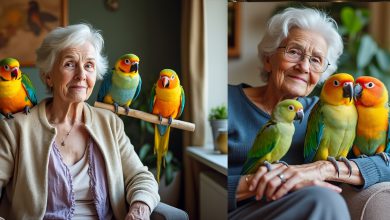
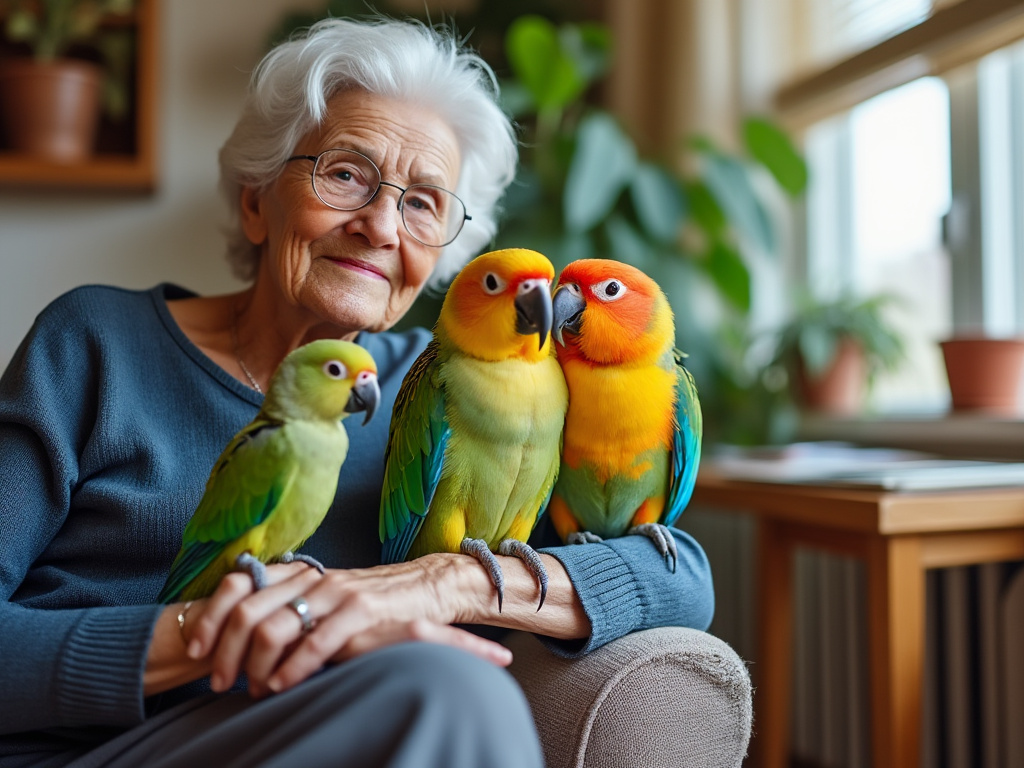
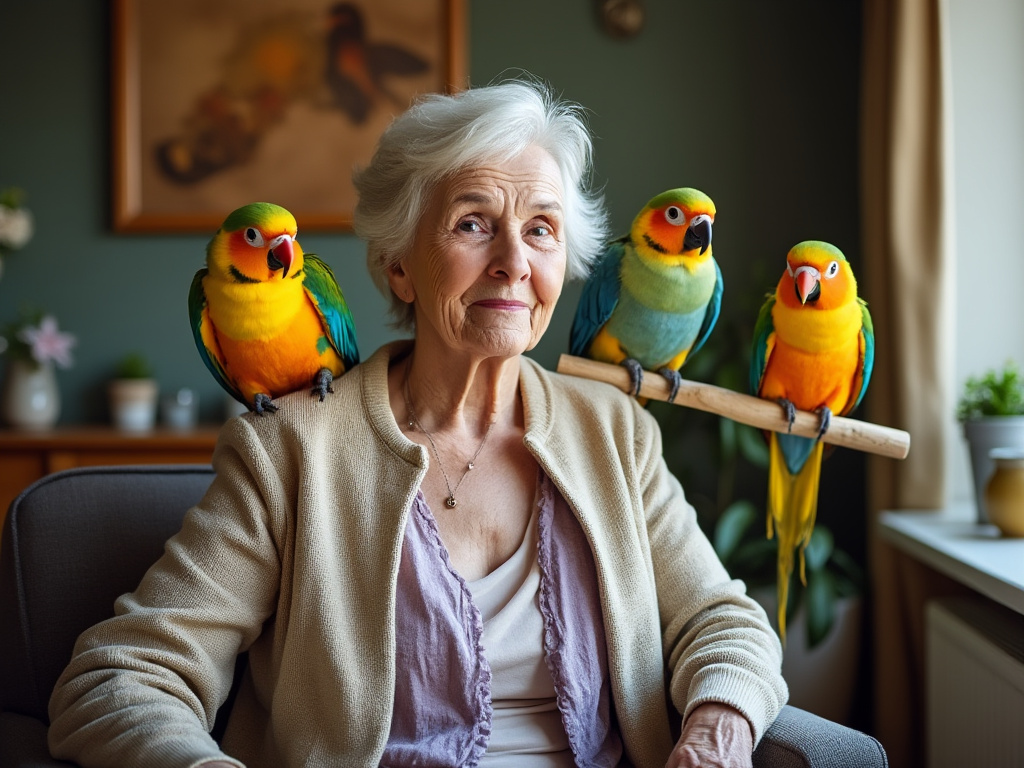
Meril Lesser købte en co- op på Rutherford, en 14-historie, 175- enhed bygning på 230 East 15th Street i Manhattan Gramercy Park, i 1999. Hun flyttede ind med papegøjer. I årevis var fuglene et privat faktum i lejligheden. En tredje fugl ankom senere. Deres navne var Layla, Ginger og Curtis. I 2015 begyndte en nabo, Charlotte Kullen, engang beskrevet som en ven, at klage over støjen. "Åh Gud, jeg vågner stadig med mareridt om dem skrigende i mit hoved", Kullen senere fortalte Daglige nyhederBygningens bestyrelse behandlede klagen som en grund til at tømme lejligheden. Forbundsadvokater senere behandlet bestyrelsens svar som handicap forskelsbehandling. Den 16. august 2024 godkendte USA 's distriktsdommer Jennifer H Rearden et samtykke, der afsluttede kampen for $750.000.
Nummeret er to checks, ikke en. Rutherford lejere Corporation indvilligede i at betale Lesser $165.000 i skader og købe hendes aktier for $585.000. USA Advokatkontoret i det sydlige distrikt i New York, derefter ledet af Damian Williams, kaldte det den største inddrivelse justitsministeriet havde opnået for en person med en handicap nægtet et hjælpedyr. Lesser havde indsendt breve fra psykiater Adele Tutter om, at for at fungere, hun havde brug for tre navngivne følelsesmæssige støtte dyr for depression og angst. Hun lydisolerede enheden. New York City Department of Environmental Protection inspektørs besøgt 15 gange og ikke dokumentere en støj overtrædelse. En 7. februar 2016, besøg log registreret ingen fugle skrigende. I maj 2016 indledte bestyrelsen under alle omstændigheder en udsættelsesprocedure.
Den juli, Lesser flyttet ud og sublet, fortælle føderale efterforskere kampen var blevet mere end hun kunne beskæftige sig i sikkerhed, mens hun holdt betale de transportomkostninger af et hjem Hun boede ikke længere. I 2018 indgav hun en klage over Fair Housing Act til Department of Housing and Urban Development. Mens HUD undersøgte det, stillede hun en køber op til 467.500 dollars. Bestyrelsen afviste køberen. Føderale embedsmænd senere kaldte denne afvisning gengældelse. HUD fandt en sandsynlig årsag. Når co-op ville ikke bosætte sig, justitsministeriet sagsøgt i 2021. Williams sagde at bygningens afvisning ikke gav regeringen noget valg. Sagen er United States v. Rutherford Tenants Corp.
What $750,000 did not give back
Advokat Peter Livingston sagde, at politiet var glade for at afslutte sagen. At afslutte det koster tre fjerdedele af en million dollars plus års advokathonorarer, der aldrig dukkede op i overskriften. Den $585,000 buyout sad over $467,500 salg bestyrelsen havde blokeret. I henhold til dekretet måtte Rutherford afskedige udsættelsen af husretten, vedtage en skriftlig bistand - animalske politik, uddanne de mennesker, der beslutter bolig anmodninger, og rapportere til statsadvokater så overholdelse kunne blive overvåget. En politik på papiret er den del frivillige bestyrelser hader mere end checken. Det næste brev fra en psykiater ankommer nu i en bygning, der allerede er blevet overvåget for at få den sidste forkert.
EU New York Times returned in February 2025 og fandt en person, ikke en maskot. Mindre, så 48, fortalte avisen, "Jeg fik mit liv ødelagt i 10 år", og "De fugle har holdt mig i live". Hun sagde, hun havde en psykisk sygdom, hun ikke valgte. Efter at have forladt Rutherford i 2016 købte hun et hus oppe i staten og boede der med papegøjerne. Ensomhed var ikke det samme som ro. Kullen, hvis seks-timers vidneudsagn i september 2022 blev en del af rekorden, fortalte journalister, at hun ikke engang vidste en forlig var underskrevet. Venskabet var det første offer. Dekretet var den sidste linje. Mennesker reached the same wreckage the same month. A February 2025 write-up in Årsag still cited the dollar figure as a high-water mark for what the Fair Housing Act can require of a co-op board.
Fuglene var aldrig en weekend gag. Papegøjer lever i årtier, og de er højt på en måde en gylden retriever ikke er. Det er ikke nogen juridisk undtagelse. Boligudbydere blander to vedtægter med vilje og ved et uheld. En uddannet servicehund har offentlig-adgang rettigheder under amerikanerne med handicap Act, at en følelsesmæssig støtte dyr ikke. Et ESA-brev giver ikke nogen ret til en spisestue. Boligen er anderledes. Fair Housing Act kræver rimelige boliger til handicappede, og HUD har i årevis sagt, at pligten kan omfatte et hjælpedyr, selv når en Ifølge reglerne er der ingen kæledyr. 15 inspektioner uden overtrædelse undergraver påstanden om, at disse tre fugle var en ukontrollabel gene. Lydisolering ville have kostet 750.000 dollars. Bestyrelsen valgte boligretten.
Why a neighbor’s sleep became a federal file
New York City coops allerede filtrere købere gennem interviews, finansielle pakker, og bord politik, der ville ligne en privat klub i ethvert andet marked. Handicaploven ville altid kollidere med det filter. Rutherford kollisionen varede omkring otte år, krydsede HUD og Justitsministeriet, og endte med bygningen skrive en check stor nok til at overstige salget det havde Afvist. Lesser får ikke tiåret tilbage. Hun får en exit prissat over tilbuddet bestyrelsen dræbt, og en offentlig konstatering af, at der var rimelig grund til at tro bygningen diskrimineret og derefter gengældt.
Fair- boliger advokater, der har gået gennem filen på dekretet beskrive et mønster bestyrelser bør genkende uden en papegøje i rummet. Et dokumenteret handicap. En navngivet bolig. Tilbudt afbødning. En udsættelse. Et blokeret salg efter en føderal klage. "Nuisance" er ordet institutioner når de ønsker en handicappet bosat væk uden at sige handicap højt. Kullens nød var ægte nok til at udfylde en vidneforklaring. Juridisk var det ikke testen. Testen var, om boligleverandøren havde indrømmet en rimelig bolig eller havde fremstillet en grund til ikke at gøre det. Dommer Reardens ordre svarede for denne bygning. Den erklærede ikke, at hver lejer i New York kan beholde en flok.
Dekretet er også et øjebliksbillede af et føderal kontor, der skal vælge sine kampe. HUD 's fair- boliger personale er indsugningsdøren for klager som Lesser' s. Når kontoret er lukket, har det næste Gramercy Park brev en længere gåtur til en anklager. Rutherford sagen viser, hvad der sker, når døren forbliver åben: sandsynlig årsag, en retssag, en skærm, og et antal andre bestyrelser kan læse gratis. Det viser også omkostningerne ved at vente på denne maskine. Ti år er ikke en rimelig behandlingstid for en person, der havde brug for dyrene for at fungere. Justitsministeriets announcement of the settlement is the official version. The Times interview is the human one. Both belong in the file.
A cheaper lesson than another consent decree
Co- op bestyrelser, der ønsker roligere gange stadig har lovlige værktøjer. De kan mægle. De kan betale for isolering. De kan vedtage en bistands- dyrepolitik, der starter med et skriftligt svar i stedet for en housing- domstol andragende. Hvad de ikke kan gøre, efter denne ordre, er at behandle en psykiaters brev som valgfrit brevpapir eller straffe en aktionær for at bede HUD om at læse det. Rutherford betalte for den lektion offentligt, herunder lovlige udgifter, som aktionærerne vil føle længe efter fuglene er gået fra East 15th Street.
Layla, Ginger, og Curtis er ikke en punchline, og Lesser var ikke en tegneserie af en excentrisk lejer. Hun var aktionær med et dokumenteret handicap, tre dyr navngivet i en læges brev, en by støj log, der ikke støtter bestyrelsen, og en køber bestyrelsen vendte væk. AEGIS Alliance filer lignende kollisioner på Mærkelige nyheder og U.S. news desks, and tracks how institutions use procedure as punishment in kriminalnyheder and in stories such as a school search that became a federal-style fight over a vape pen. The birds kept a person alive, by her account. The building kept a lawsuit. Only one of those outcomes was required.