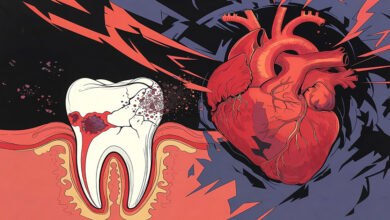
رابطة القلب الأمريكية تربط مرض اللبان بنوبة قلبية ومخاطرة بالسكتة الدماغية دون أن تسمّيها بالسبب


The American Heart Association did not announce a new toothbrush. It published an updated scientific statement that treats inflamed gums as a cardiovascular problem. “Periodontal Disease and Atherosclerotic Cardiovascular Disease” went online December 16, 2025, and into the February 10, 2026, issue of الدائرة )١٥٣)٦(: ٣٧-٨٨(. مجموعة الكتابة، التي يرأسها طبيب أمراض القلب (أندرو ه. تران) من مستشفى الأطفال في جميع أنحاء الأمة، تقول أن مرض اللثة يرتبط بشكل مستقل بخطر أكبر من نوبة قلبية، وسكتة دماغية، وفشل في القلب، وغير ذلك من الأحداث المثيرة للقلق.
More than 40 percent of U.S. adults over 30 already have some form of the condition. It starts as gingivitis from plaque and becomes periodontitis that destroys gum and bone. The 2012 AHA statement called the link real and the treatment evidence thin. The 2025 update adds Mendelian randomization studies, intervention trials, cytokine data, and vascular measures. It still will not say that cleaning teeth has been proven to prevent a heart attack. That gap is the story, and it is the part most clinic flyers skip.
البكتيريا في العلكة، البكتيريا في البقعة
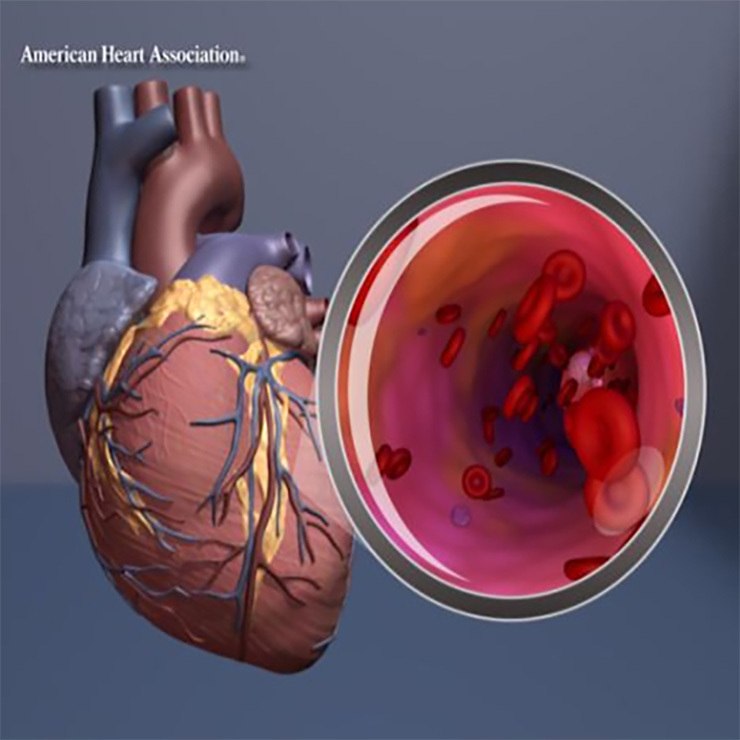
يواصل الباحثون العثور على نفس المسببات للأمراض الفموية، بما في ذلك Porphyromonas gingivalis, in inflamed gums and in arterial plaque. Breaches in oral tissue let those organisms into the blood. The indirect path is quieter and just as useful to a cardiologist: chronic oral inflammation drives cytokines and C-reactive protein, stiffens arteries, and favors clots. Periodontal disease-related inflammation can also feed cerebrovascular events tied to small-vessel or large-artery disease, the statement notes.
People with severe periodontitis show two to three times the odds of major cardiovascular events compared with people who have healthy mouths. Models cited in coverage of the statement put a 10-year atherosclerotic risk drop from 13.7 percent to 7.35 percent with frequent brushing alone. That is an association dressed as a percentage, not a randomized verdict. The AHA newsroom summary is هناالبيان الكامل يعيش على الدائرة.
ما سيقوله (تراين) و(الرجل) بصوت عال
“Your mouth and your heart are connected,” Tran said. “Brushing, flossing, and regular dental checkups aren’t just about a healthy smile – they’re an important part of protecting your heart.” Co-author Lauren L. Patton, D.D.S., notes that treatments that cut oral inflammation can move blood pressure and lipid markers. During American Heart Month in February 2026 the American Academy of Periodontology pointed to the statement and to its own Journal of Periodontology كعلم تحذير، ليس بروتوكول معجزة. أكاديمي كررت نفس الحافة التي استخدمها عالمو القلب: لا وجود لسلسلة سببية مثبتة، ولا دليل على أن معالجة اللثة تحول دون أول نوبة قلبية، حتى لو سقطت علامات تحريض بعد التوسع.
مكافأة عام 2026 The Cardiology Advisor put the limit in one sentence: patients with periodontal disease carry higher circulating inflammatory markers tied to atherosclerotic disease, and there is still no direct evidence that periodontal therapy prevents cardiovascular events. That is the honest version. Atherosclerotic disease still kills more people in the United States each year than cancer and chronic lower respiratory disease combined. A cheap bathroom habit that might cut risk is not a small thing. It is also not a substitute for blood-pressure drugs, statins, or a stent when those are indicated.
الذي يحمل المخاطرة
Rates run highest among men, adults over 65, people who sit still, and households with weak dental access. Patients who already have hypertension, obesity, or diabetes get the worst overlap. A 2025 meta-analysis found people with periodontitis were more likely to develop atherosclerotic disease when hypertension was already present, with systolic pressure about 4.49 mmHg higher in affected patients. Tooth loss tracks with stroke and cardiovascular death in coronary cohorts. The writing group also flagged disparities: under-resourced communities carry more untreated periodontitis and more untreated heart disease at the same time.
Food insecurity and skipped dental visits feed both diseases at once. Medicaid adult dental benefits vary by state. Employer plans often cap cleanings and ignore periodontal surgery. The mouth is not a boutique organ. It is a billing and access problem that happens to dump bacteria into arteries. Related health reporting on this desk includes work on how غفلت الأدوات الطبية اجلس خارج النص القلبي المعتاد الأخبار الصحية ملف، وقطعة التحالف على كيف يتعقّب مرض اللبان بمخاطرة القلب كما هبطت قضية الدائرة
ما يمكن للشخص أن يفعله قبل انتهاء المحاكمة القادمة
Brush twice a day. Floss. Keep the six-month cleaning. Ask a cardiologist whether the dentist should be on the same chart. Scaling and root planing cut local inflammation and often drop CRP. Quitting smoking helps the gums and the coronaries with the same decision. Night grinding, dry mouth from blood-pressure pills, and skipped cleanings after a job loss all stack on the same chart. None of those require a new journal article. They require a dentist who will still take the patient after insurance has already said no. If insurance will not cover a periodontist, say that out loud in the cardiology office instead of treating the dentist as optional décor.
The Circulation authors wrote that if the associations are causal, treating periodontal disease could cut major adverse cardiovascular events. They used “if.” Until a trial closes that clause, the cheap work is still in the bathroom, not in a new specialty clinic with a logo. The AHA and the periodontists want integrated charts. Patients who already juggle three specialists should not have to invent a fourth referral just to get a cleaning coded as prevention.
للمزيد من التغطية العلمية من التحالف، انظر العلم desk. Cardiology offices already collect smoking history, A1C, and a lipid panel. Adding last dental visit to that sheet is not a research grant. It is a question that takes ten seconds and sometimes explains why C-reactive protein will not come down. Dentists already see bleeding gums and pocket depths. Asking whether the patient has hypertension or a prior stroke is the same ten seconds in the other direction. The statement’s real demand is that those two rooms stop pretending they treat different bodies. The statement is 16 pages of caution. The toothbrush is still two dollars.