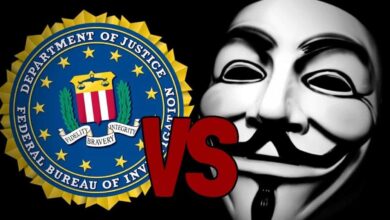
تحقيق عام 2008 في ميكانيكي مشروع مجهول


بفضل الصحفي (إمّا)@NatSecGeekمجموعة من وثائق مكتب التحقيقات الفدرالي مرتبطة بشكاوى كنيسة السينتولوجيا حول مشروع (أنهموس) تم إطلاقها للجمهور توني أورتيغا أبلغ:
“لدينا ملفين من مكتب التحقيقات الفدرالي لكي تجتازا الآن، في 268 و 180 صفحة، هم إطلاقات إضافية التي نحصل عليها بفضل الصحفي إيما أفضل، الذي يقاضي مكتب التحقيقات الفدرالي على عدد من طلبات الوثائق التي قدمتها.”
Best is one of the most prolific FOIA requesters in the country — the FBI has described them as sitting at or near the top of its list of “vexsome” requesters, even weighing prosecution over their use of public-records law — and in 2017 Best also helped put the CIA’s roughly 13-million-page CREST archive of declassified documents online. The Scientology files came out of a FOIA lawsuit Best filed against the bureau that same year.
To understand why the FBI had a file at all, it helps to revisit how Project Chanology began. On January 14, 2008, a Church of Scientology promotional video featuring an intensely earnest Tom Cruise was posted to YouTube and quickly went viral. The church moved to scrub it from the internet, issuing a copyright claim against YouTube on January 16, and the clip was pulled — but the site Gawker refused to take its copy down, with editor Nick Denton calling it newsworthy. That attempt at suppression is exactly what drew the attention of مجهولالذي قام بتصويرها كمراقبة الإنترنت (أورتيجا) قد وضع خلفية الحادثة هنا.
On January 21, 2008, Anonymous launched the campaign publicly with a now-iconic YouTube video, “Message to Scientology” — a two-minute production of time-lapsed clouds and robotic text-to-speech narration that branded the church a “dangerously insane cult” and ended with the words that became the movement’s signature: “We are Anonymous. We are Legion. We do not forgive. We do not forget. Expect us.” Created by activist Gregg Housh, the clip racked up hundreds of thousands of views within days and helped make the video manifesto a permanent fixture of Anonymous communications. A second video, “Call to Action,” followed on January 27, calling for protests outside Scientology centers, and on February 10, 2008, an estimated 6,000 to 8,300 masked demonstrators turned out in cities across the U.S. and Europe — the moment Project Chanology pushed Anonymous out of imageboard culture and into real-world activism, and cemented the Guy Fawkes mask from V for Vendetta as the collective’s public face.
Although the church initially dismissed Anonymous as a “pathetic” collection of “computer geeks,” it complained to the FBI that it was under attack by a “terrorist” organization. That framing was tied in part to a series of letters containing a mysterious white powder that were mailed to church facilities. The powder turned out to be harmless starch, and Anonymous denied sending the letters.
الوثائق التي صدرت حديثاً تظهر أن المباحث الفيدرالية أخذت شكاوى الكنيسة على محمل الجد وافتتح المكتب تحقيقاته في سان دييغو، حيث تتلقى مكاتب الكنيسة رسائل إلكترونية مضايقات، ومكالمات هاتفية، وفاكسات.
“The San Diego church offices have also received black facsimiles. The church has received 20 to 30 of these facsimiles. They incorporated photos of Guy Fawkes (17th-century Englishman notorious for plotting to blow up Parliament as part of an extremist Catholic campaign against Protestant rule), numerous cartoons, etc., all of which had the effect of consuming a substantial quantity of ink.”
ماذا ستفعل أمريكا بدون مكتب التحقيقات الفدرالي هنا حراسة ضد التهديدات المحلية -وتحمي امدادات الحبر؟
Ortega’s report walks through additional incidents the bureau looked into, all of which led to dead ends. Taken together, the files offer a fascinating — and frequently comical — glimpse into how the FBI approached the Anonymous movement in its early days, and into the Church of Scientology’s “inner snowflake.”
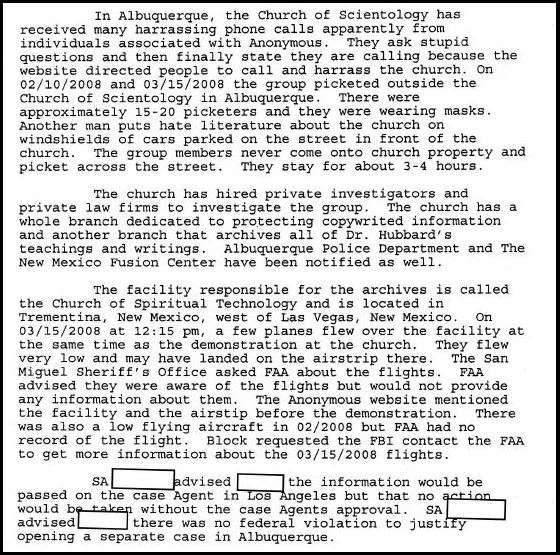
وسكب المكتب قدراً كبيراً من الوقت، والتمويل، والطاقة في التحقيق مع مجهول الهوية، حتى وإن كان يكافح من أجل جعل الكنيسة تنتج أي شهود للمقابلة. وفي نهاية المطاف، كانت الحالة مزيفة:
“وبعد ما يقرب من عامين، لم توضع أي أدلة تحقيق ذات قيمة. واستنادا إلى عمر القضية، وعدم وجود تهديد واضح، وعدم وجود أي أدلة إضافية للتحقيق، يطلب الكاتب إغلاق هذه المسألة.”
That quiet closure is its own kind of footnote to history. Project Chanology eventually wound down by around 2010, but it had already done something lasting — it transformed Anonymous from a loose troll collective into a recognizable force in digital activism, and the tactics, imagery, and “Expect us” ethos forged in the fight with Scientology would echo through nearly every Anonymous operation that followed.
للمزيد، انظر تقرير أورتيجا الكاملالتي تعرض الوثائق في شكل سهل القراءة مع المصادر
Emma Best kept filing. The same FOIA practice that produced these Scientology files later helped force other U.S. intelligence dumps into public view, and the Church of Scientology never did get the “terrorist” case it wanted. The files remain the best official snapshot of how the bureau treated a Guy Fawkes fax campaign as a two-year investigation and then quietly closed it.
ذات الصلة بالتحالف الأهلي: محاولاً توضيح أفكار خاطئة عن مجهول, موظف مجهولو أخبار مجهولة.





أود أن أساعد الناس بـ "تحقيقات القوة"