
ピーナッツバターが昆虫の破片およびげられた毛を含んでいることができるチックTokの検出の「露出」を数か月ごとに。 FDAは、数年前に書いた 食品欠陥レベルハンドブック. 代理店の立場はそれをゼロの性質と食糧を成長し、処理する経済的に非現実的であることです。 欠陥アクションレベルは、無効なフェールが加減する行です。 製造業者が点検するのでラインの下でほとんどのプロダクト テスト。 行はまだ存在します。
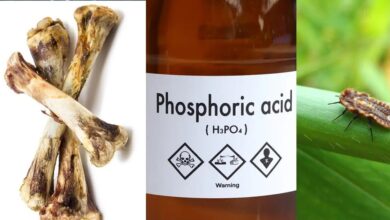
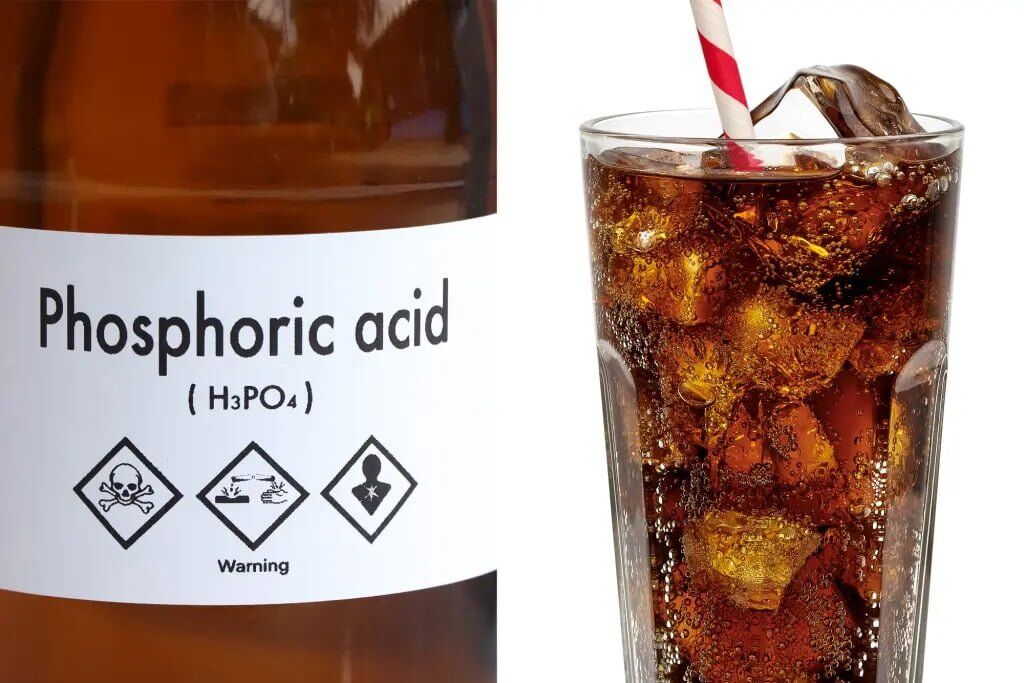
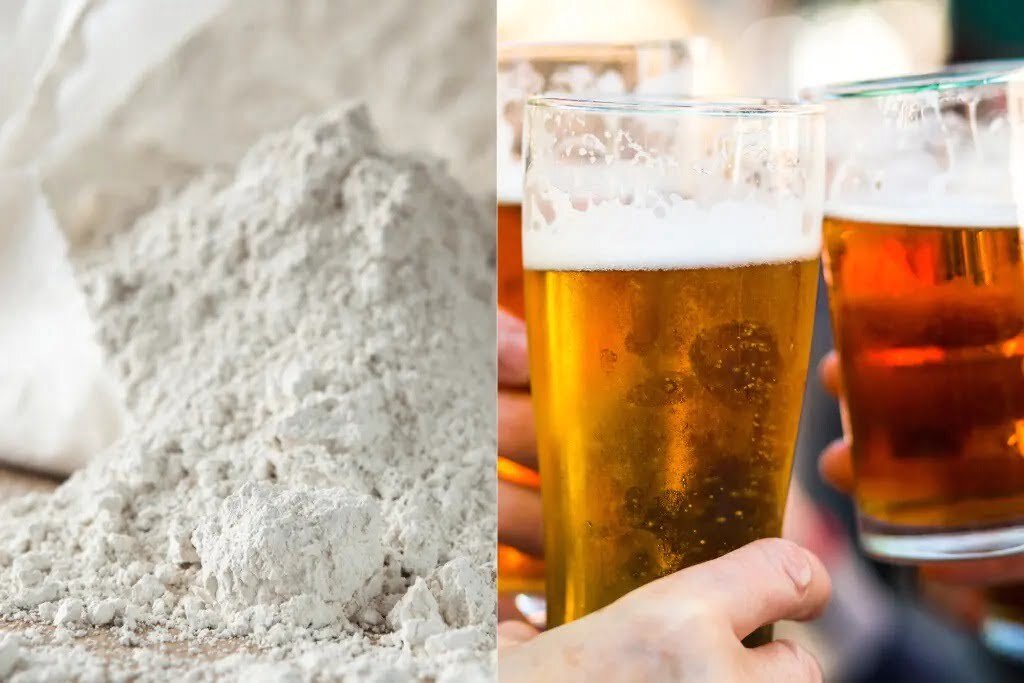
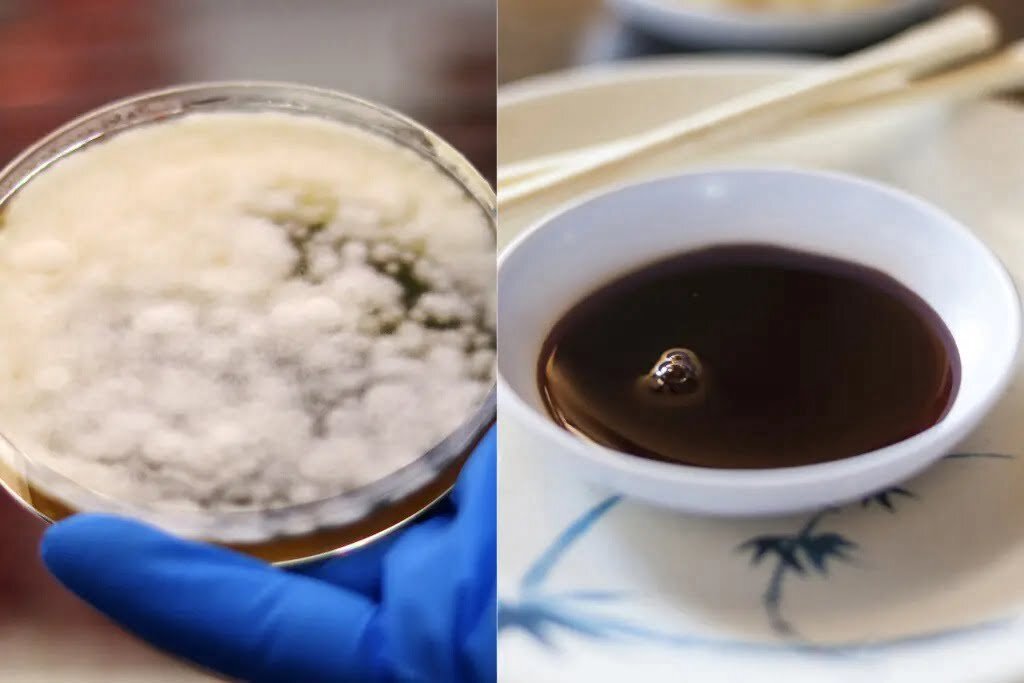
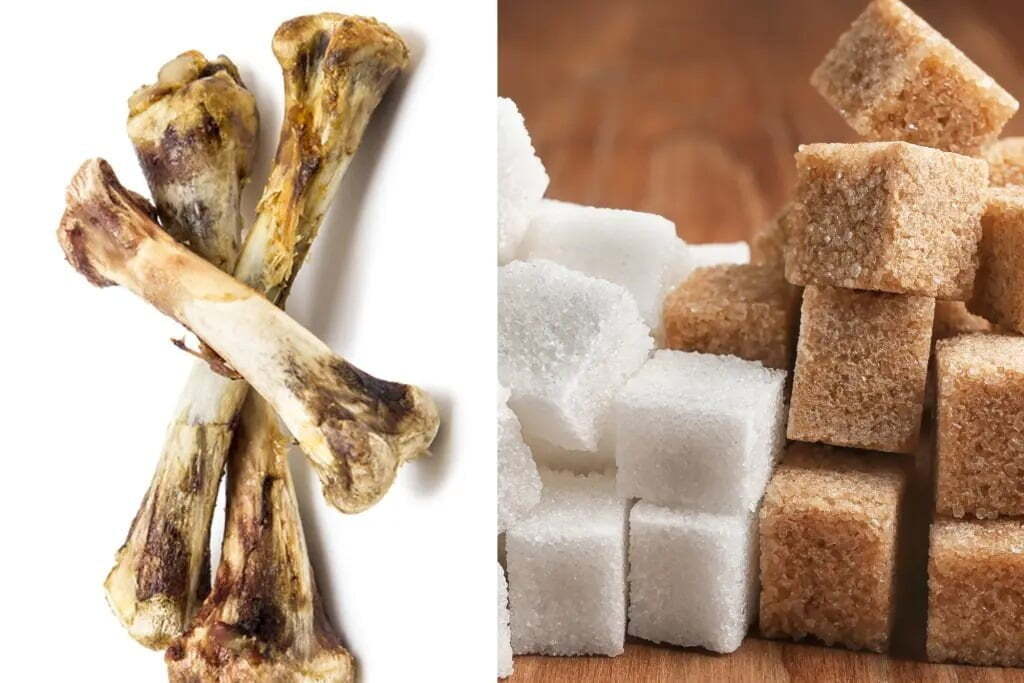
Food scientist Bryan Quoc Le has spent years explaining the rest of the label. Beef-flavored fries get some of that flavor from cysteine, an amino acid that can be sourced from hair. Jelly beans pick up shellac from lac insects and carmine from cochineal bugs. Synthetic vanillin can start as wood. Phosphoric acid puts the bite in cola. Diatomaceous earth, the fossil shells of diatoms, filters beer. Koji mold makes soy sauce food-safe after a process that would be lethal if you ate the block raw. Bone char still shows up in some white-sugar refining.
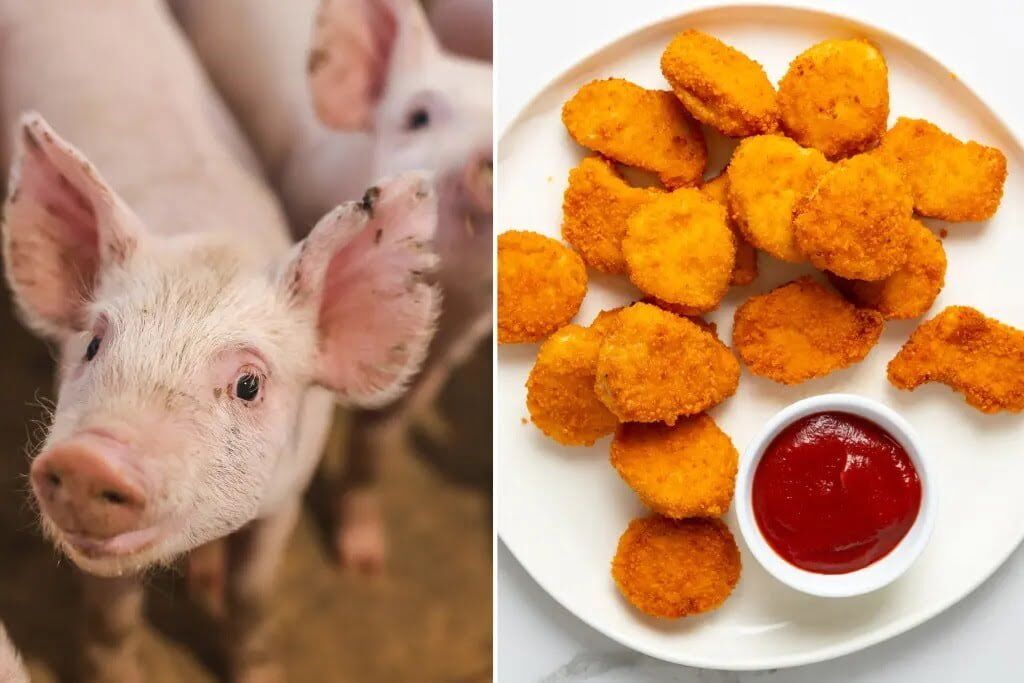
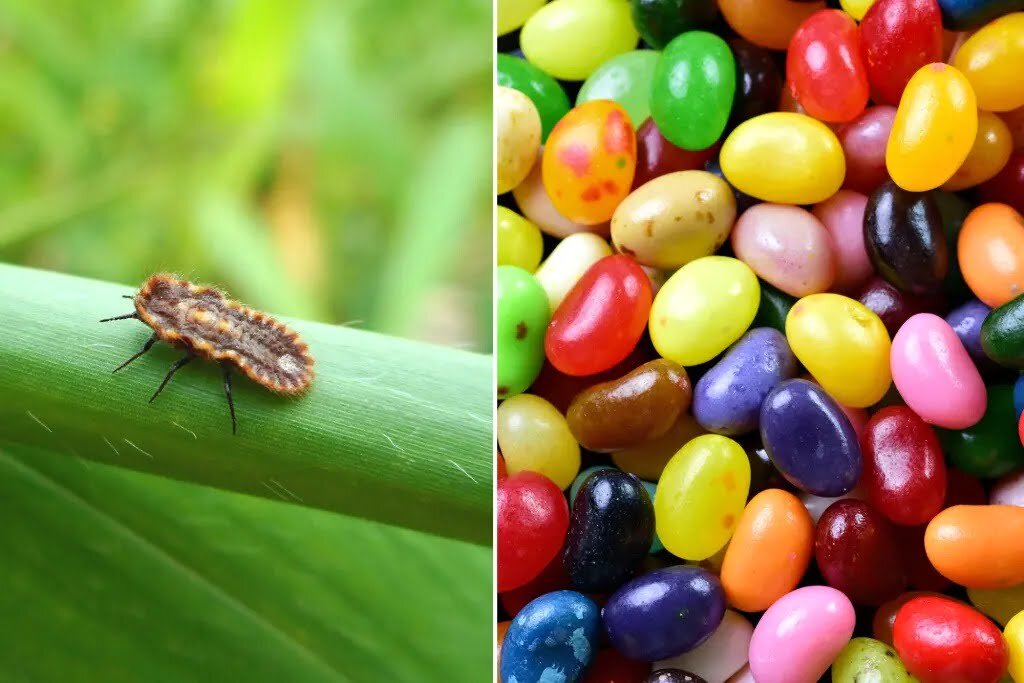
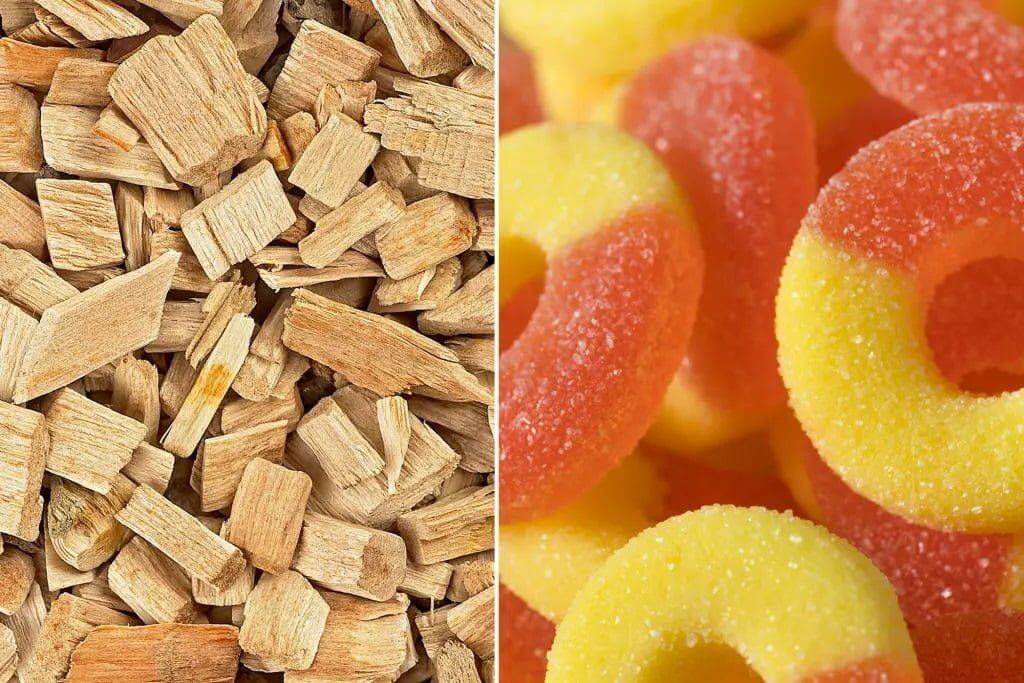
The numbers: peanut butter can average about 30 insect fragments and one rodent hair per 100 grams before the FDA calls it a problem. Chocolate can run more than 60 insect fragments per 100 grams. Cinnamon and paprika get rodent hair. Cornmeal gets insect fragments. Canned tomatoes get fly eggs. None of that is a secret recipe. It is a government table.
The dye rules are the part that actually moved. On January 15, 2025, the FDA moved to revoke FD&C Red No. 3, with food makers due to reformulate by January 15, 2027. In April 2025 federal officials pushed a voluntary phase-out of Red 40, Yellow 5, Yellow 6, Blue 1, Blue 2, and Green 3 by the end of 2026. California and other states already restricted dyes in school food. Insect-based carmine, the older “natural” red, is positioned to take some of that market back.
関連項目: hemp は主流のスキップを使用します そして、 政府の大麻特許.