DOJ Epstein Files Act: From Under 1 Percent To 3.5 Million Pages While Critics Still Count 2 Percent Of The Archive


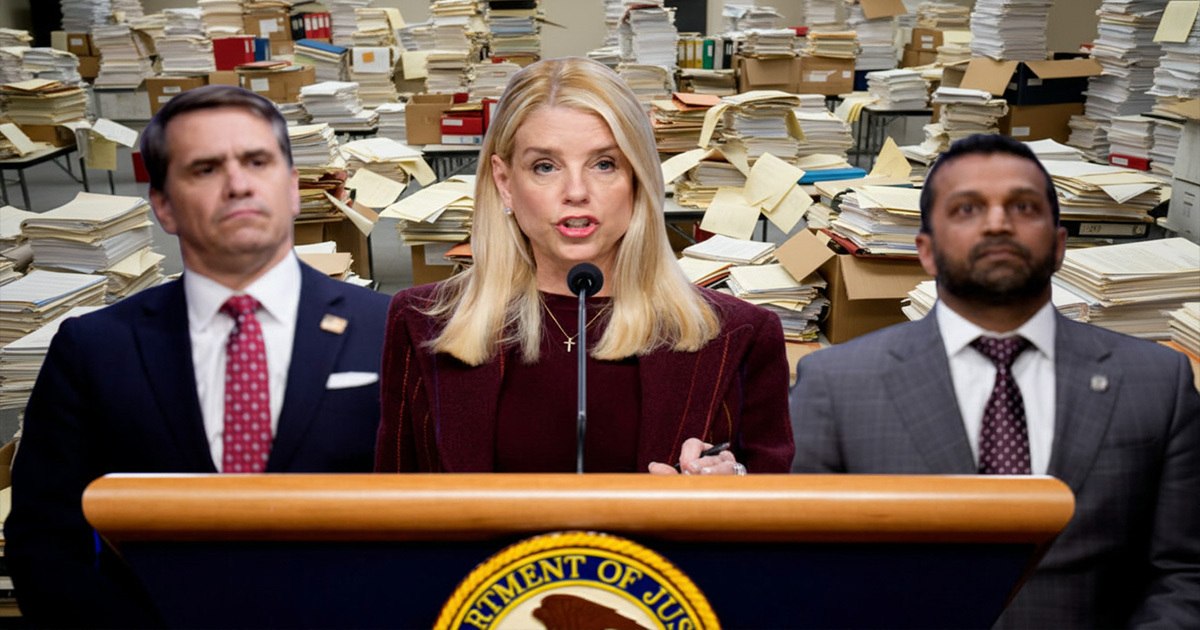
Congress wrote a short statute and then watched the Justice Department treat the clock like a suggestion. The Epstein Files Transparency Act, signed by President Trump on November 19, 2025, ordered the attorney general to release unclassified Epstein records by December 19 in a form the public could search and download. On January 5, 2026, in a letter to a New York judge, the department admitted what the first dump had already shown: about 12,285 documents, some 125,575 pages, less than 1 percent of the pile it called responsive. That letter is why this file exists. Later page counts did not erase it.
On January 30 the department published more than 3 million additional pages, about 2,000 videos, and roughly 180,000 images, and said the running total was nearly 3.5 million pages. Then-Deputy Attorney General Todd Blanche called the job finished. He also said reviewers had sorted more than 6 million records. Those two figures are the fight. Half a warehouse is not a warehouse. The AEGIS Alliance has tracked the statute, the black pages, the missing interviews, and the contempt clock that followed. The first confession still sits in the record.
A deadline, a black-page dump, and a letter that told on itself
December 19 arrived late and ugly. Hundreds of pages were solid black. Researchers watched files appear on the public portal and then vanish. Officials said more than 400 attorneys and 100 FBI analysts were protecting victims. Eighteen survivors put the opposite charge in writing: their identifiers leaked while men in the files stayed masked. That is not a « process story. » That is a claim that the redaction knife cut the wrong way.
Chuck Schumer called the first production a cover-up. Reps. Ro Khanna and Thomas Massie asked Judge Paul A. Engelmayer on January 8 to appoint a special master because, they wrote, « the DOJ cannot be trusted with making mandatory disclosures. » They floated inherent-contempt fines of $5,000 a day against then-Attorney General Pam Bondi. Engelmayer denied the special master on January 21. The department’s answer to that week was the January 30 press release claiming compliance.
Compliance is a legal word. It is not a synonym for « everything the FBI boxed. » Khanna said the January pile still omitted FBI 302 victim interviews, a 2007 draft indictment and prosecution memo, and hundreds of thousands of emails taken off Epstein machines. A Channel 4 analysis of internal mail put the investigators’ referenced archive at about 14.6 terabytes. The published set, near 300 gigabytes, is about 2 percent of that reference. Being named in a file is not a charge. Being absent from a legally required dump is the statutory problem.
Reading rooms, restored files, and a second bill
Starting February 9, members of Congress could view unredacted copies in a supervised reading room. That is not public release. That is a velvet rope. Massie used the room and the paper to force the unredaction of Les Wexner as a listed co-conspirator on FBI forms. On February 10 Khanna read six names into the congressional record, including Emirati businessman Sultan Ahmed bin Sulayem. A sixth release on March 5 brought back about 50,000 files that had been pulled after publication. Files that disappear after they are posted are not a technical glitch. They are a production method.
In July 2026 Massie introduced the Epstein Files Transparency Act II. The sequel exists because the first statute produced a press release instead of a complete archive. The same month, Khanna and Massie wrote Blanche again on the eve of his confirmation fight and said the 3.5 million pages were not the full set and that victim information had been left exposed while other names stayed under bars. Journalist Katie Phang sued over the same gap. In Phang v. Blanche, Judge Emmet G. Sullivan later put the department on a clock to unredact specified records or explain the bars. Confirmation did not moot the case. The AEGIS Alliance covered that clock when the July deadline moved and the nomination still went through.
Bondi was out by April. Blanche, already the deputy and already the president’s former criminal-defense lawyer, stepped in and then won a 50-49 Senate confirmation. He told the country Bondi’s ouster had nothing to do with Epstein files. House Oversight still wanted him under oath. The AEGIS Alliance kept the denial and the empty chair on the same page in the confirmation file. A department that says it has nothing to hide does not need a sequel statute and a contempt warning to finish a 30-day job.
What the public was actually given
The January 30 drop was not a clean library. The department put an age gate on the portal because some of the files contained pornography. A document labeled EFTA01660679 vanished in the crush and was later restored. Researchers spent weeks matching flight logs, message traffic, and court exhibits that had already lived in civil cases. New paper does not automatically mean new proof. It means the state finally handed over copies of records it had been sitting on while it told the country the archive was sensitive.
A January CNN poll found 6 percent of adults satisfied with the release. Almost half of Republicans, three-quarters of independents, and nine in ten Democrats said the government was still sitting on material. Separate polling through late 2025 had already shown large majorities in both parties wanted the files out. That is not a fringe demand. That is the statute Congress passed and the president signed.
Related files on this desk show why the percentage argument will not die. An SDNY prosecutor’s letter put more jet traffic in writing than the public flight-log folklore had allowed. A CGI clip of a supposed jail suicide attempt rode into the portal on a tip and then disappeared, which is the opposite of a transparency practice. Banks that handled the money later paid to close survivor suits, including a Bank of America deal Judge Jed Rakoff called justice even if partial. Paper about the trafficking network is not the same thing as paper about who the government still will not name.
The 1 percent letter and the 3.5 million-page boast cannot both be the last word
Blanche said they never had anything to hide. The January 5 letter said they had released less than 1 percent. Both documents are in the record. Readers can hold them next to each other. A department that needs six waves, a reading room, a restored batch of 50,000 files, a second bill, and a federal injunction to approach a 30-day command is not a department that finished the job on the first try.
The honest metric is not « pages posted. » It is whether the items Congress listed — interviews, prosecution memos, co-conspirator identifications, and the electronic mail taken off the estate — are in the public set without a black bar where a name should be. Until that list is checked in public, the January confession still governs the file. The AEGIS Alliance will keep the statute, the letter, and the later boast on one page so neither side can pretend the other document was a rumor.