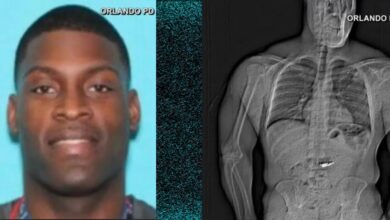
Texas Man Jaythan Gilder Swallowed $769,500 in Stolen Tiffany Earrings After an Orlando Mall Grab-and-Run


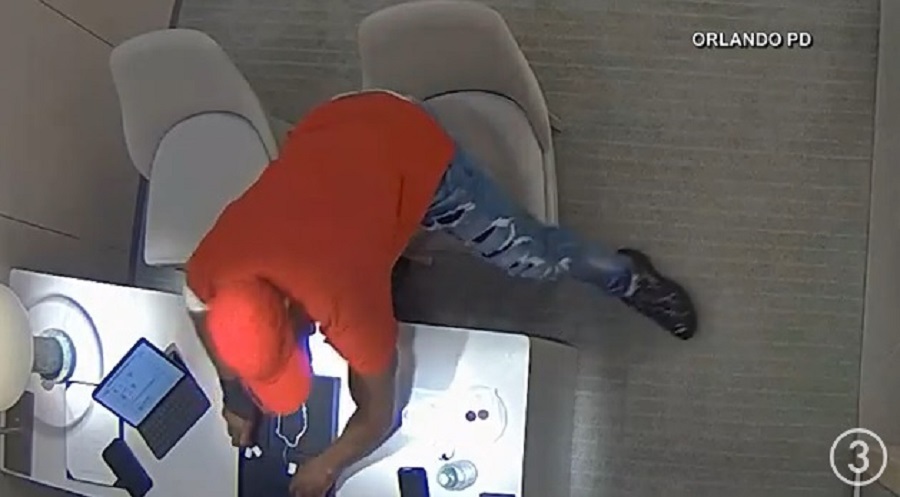
Jaythan Lawrence Gilder did not invent the grab-and-run jewelry theft. He added a digestive tract to it. On February 26, 2025, the 32-year-old Houston man walked into the Tiffany & Co. store at the Mall at Millenia in Orlando, told staff he represented an Orlando Magic player, and asked to see stones that ordinary customers do not get handed across a counter. Because of the price tags, employees escorted him to a VIP room.
The inventory on the table, according to the arrest affidavit written by Orlando Police Detective Aaron Goss, included a pair of 4.86-carat diamond earrings valued at $160,000, a pair of 8.19-carat diamond earrings valued at $609,500, and a 5.61-carat diamond ring worth about $587,000. Police say Gilder grabbed the pieces, struggled with staff, injured an associate named Amit Nayee, dropped the ring, and ran with the earrings. Combined, the two pairs were worth $769,500.
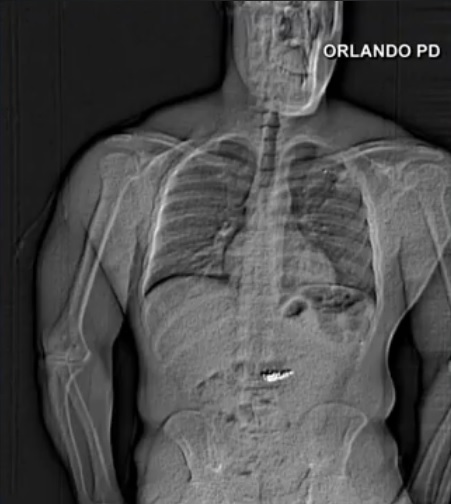
He did not get far enough. Florida Highway Patrol troopers stopped him later that day in Washington County, in the Panhandle. Detectives say that is when he swallowed the earrings. A live body scan at the Washington County jail showed foreign objects in his stomach. At the jail he asked staff a question that prosecutors will read to a jury if this case is tried: « Am I going to be charged with what is in my stomach? » A trooper also said he overheard Gilder mutter in the squad car that he should have thrown them out the window.
The X-Ray Became the Exhibit
Luxury thefts usually end with a pawn shop, a fence, or a bag in a rental car. This one ended with medical imaging. Outlets around the world published the scan. The shapes were obvious enough that no one needed a radiologist to narrate them. Orlando police then had a problem that does not show up in most robbery manuals: how to get $769,500 in Tiffany inventory out of a defendant without destroying the serial numbers.
The answer was a hospital stay and time. Detectives from the Orlando Police Department’s Violent Crimes Unit monitored Gilder for more than a dozen days. On March 10, 2025, they recovered three of the four stolen earrings plus two additional unidentified diamond earrings. The last Tiffany earring came out on March 12. After the pieces were cleaned, a master jeweler at the store matched the serial numbers. The BBC and other international desks treated the recovery as its own story. The stones survived. The suspect’s legal position did not improve.
A Resume That Already Had Tiffany on It
Gilder was charged with robbery with a mask and first-degree grand theft of property valued at $100,000 or more. Those are not novelty counts. First-degree grand theft in Florida, at that dollar amount, is a first-degree felony. The robbery count carries a maximum of 15 years. The theft count can reach 30. Prosecutors have signaled they would seek habitual-felony-offender and prison-release-reoffender enhancements. With those tags, the robbery exposure can jump to a 15-year mandatory minimum and, in the worst stacking, life.
This was not a first jewelry file. Reporting on his record describes convictions for resisting arrest, assault, narcotics, and prior jewelry thefts, including a previous Tiffany case in Texas from 2022. He has been described as having outstanding warrants in Colorado tied to a 2022 robbery of a Colorado Springs jeweler, a job that ended with him being shot in the shoulder while fleeing. The « Florida Man » label that attached to the Orlando headlines is a geography joke. Gilder is a Texas defendant who used a Florida mall as the showroom.
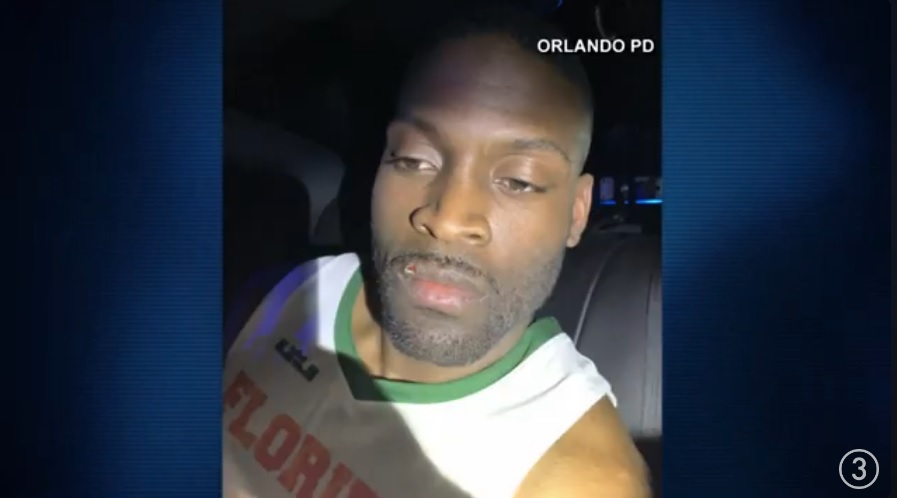
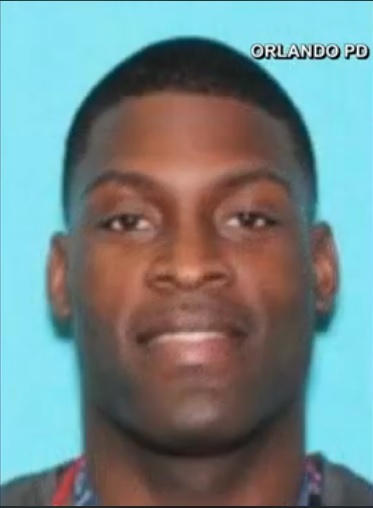
(Orlando PD)
He Turned Down a Lawyer and a Plea
Faced with store video, an injured employee, a body scan, recovered serial-numbered inventory, and his own jailhouse question, Gilder was offered a negotiated plea to both felony counts. He rejected it. In a Circuit Court appearance in Orange County he asked to waive counsel and represent himself. A judge granted the request and left a court-appointed attorney available for consultation. By May 2026 he was still in jail, still steering his own defense, and still looking at a trial calendar in Orlando.
Defendants represent themselves for a short list of reasons. Some cannot stand their lawyer. Some think a jury will like a story better if it comes from the man who lived it. Some have already decided the state’s offer is not a deal. Gilder’s problem is that the state’s case does not depend on a confession. The VIP-room footage, the employee injury, the Panhandle stop, and the hospital recovery chain are the case. A defendant who swallows the exhibit does not make the exhibit disappear. He makes a second exhibit.
The AEGIS Alliance has covered other Florida files where the stunt outran the strategy. Readers who want the wider pattern of theft-plus-improvisation can start with our crime news archive and with older Florida accountability reporting such as the Lee County sheriff investigations that never needed a punch line to get serious.
Why High-End Stores Keep Walking People Into Back Rooms
The Mall at Millenia is built for customers who expect a private look at inventory that cannot sit in a glass case by the entrance. That courtesy is also a vulnerability. A man who can name-drop an NBA franchise gets time, space, and loose stones on a table. Store security exists. It did not stop the grab. It produced the video that will be played in court.
Tiffany’s corporate problem is smaller than Gilder’s. The earrings were recovered and identified. The company can treat the episode as a training film. The public can treat it as another entry in the Florida crime catalog even though the defendant drove in from Houston. What should not get lost under the jokes is the employee who was injured in the struggle and the simple fact that $769,500 in diamonds moved from a velvet tray to a digestive tract because a career thief ran out of better ideas on a traffic stop.
High-value theft is not a victimless puzzle. Insurers pay. Stores harden procedures. Staff get hurt. The « swallow the evidence » line is funny until someone has to sit in a hospital room waiting for nature to return a serial-numbered earring. Orlando police did that work. The jeweler did the matching. The court file now contains both.
Gilder can still take a plea. He can still stand up at counsel table and try the case himself. Neither choice changes the X-ray. The AEGIS Alliance will follow the Orange County docket. The stones are back in inventory. The man who ate them is not.