Tomatoes Doubled Their Harvest in Fake Martian Dirt While Peas and Carrots Lost — Wageningen’s First Intercropping Trial for the Red Planet

Hauling potting soil nine months through space is a logistics joke, not a colony plan. If people are going to eat on Mars they have to grow food in the dirt that is already there — a toxic, organic-free powder NASA calls regolith. A Wageningen University greenhouse trial published in PLOS ONE on May 1, 2024 tested an old Earth trick against that powder: plant different crops in the same pot and see who helps whom.
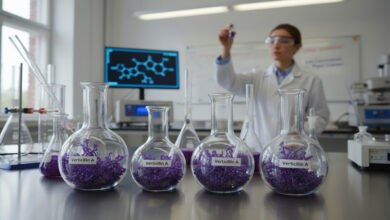
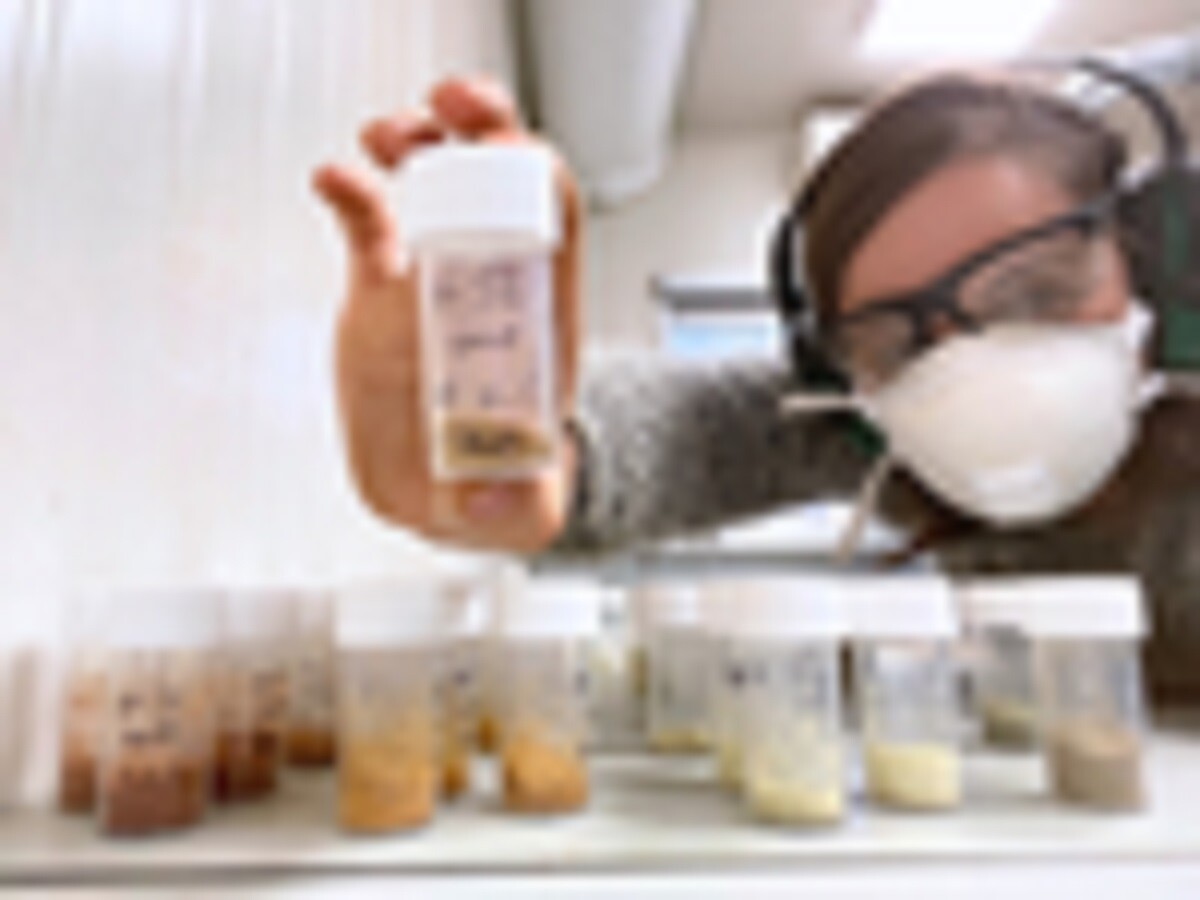
The paper, « Intercropping on Mars, » was led by astrobiologist Rebeca Gonçalves with co-authors Dr. Wieger Wamelink, Peter van der Putten, and Dr. Jochem Evers. They put cherry tomatoes, peas, and carrots into NASA’s MMS-1 Mars simulant, into sand, and into potting soil. Some pots were mixed. Some were monocrops. Rhizobia bacteria went in with the peas to fix nitrogen. The greenhouse air, heat, and humidity were tuned to what a pressurized Martian greenhouse would actually feel like. It is the first time that planting method has been scored on fake Red Planet dirt.
The Tomato Won. The Carrot Did Not.
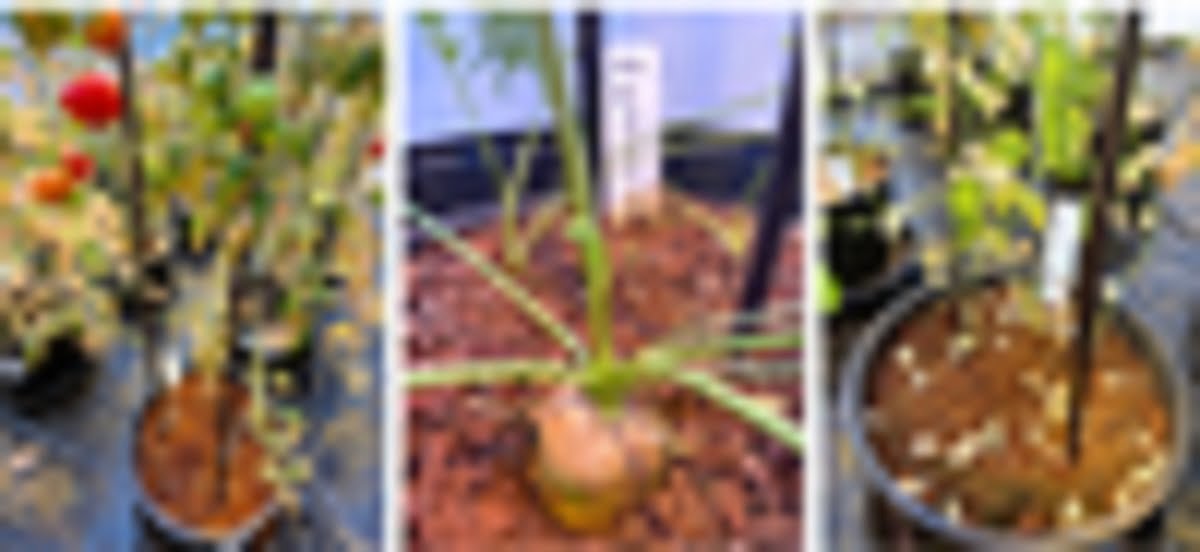
Tomatoes were the surprise. Grown next to peas and carrots in the simulant, they roughly doubled the fruit of tomatoes grown alone — more berries, bigger berries, earlier flowers, thicker stems. Wamelink had bet on the peas. « We had expected the peas to grow the best but the opposite turned out to be true. The tomatoes grew the best, » he said. The working theory is that the peas, even struggling, leaked enough nitrogen for the tomato to steal.
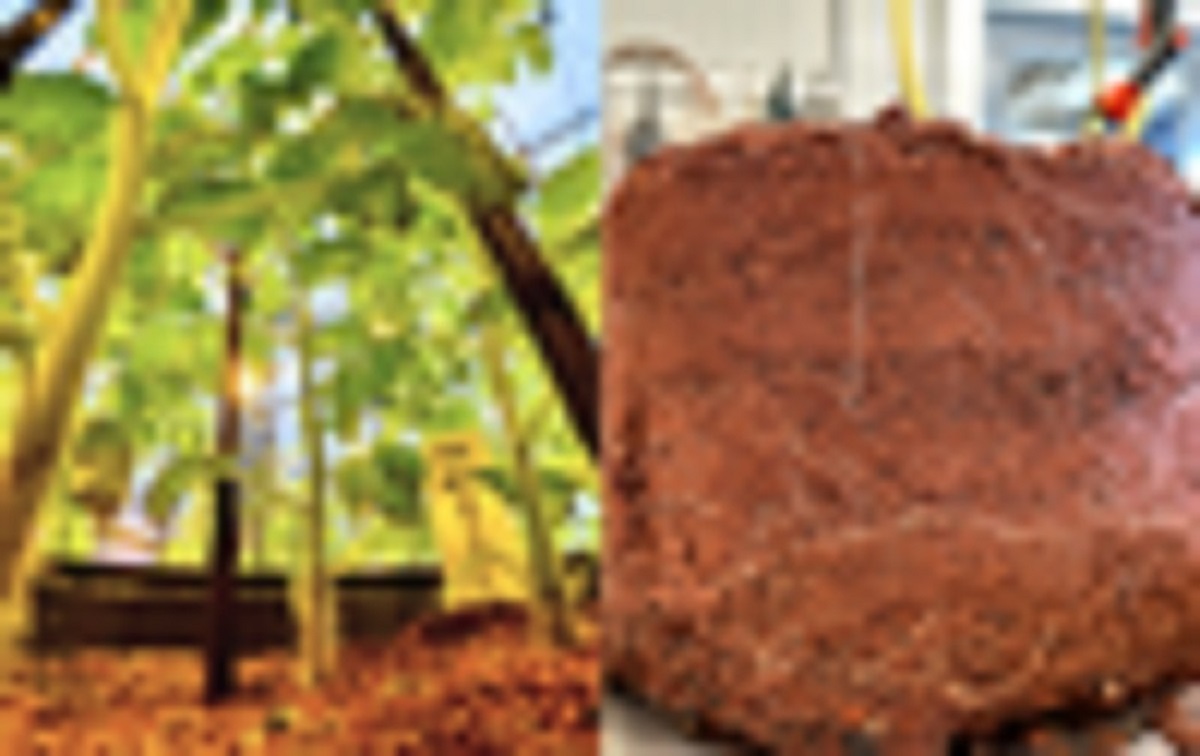
The rest of the harvest is the part the press releases sanded off. In the Mars simulant, intercropping helped the tomato and hurt almost everyone else. Carrots put on less biomass. Peas barely moved. The system’s total relative yield came in at 0.93 — a net loss against monocropping. Rhizobia never formed the root nodules they need to fix nitrogen. The simulant’s high pH, compactness, and missing nutrients beat the bacteria. Tall tomato and pea plants then stole the light from the carrots. Wamelink’s line on that: the tomato profited from the peas, « the carrot most certainly did not. »
Flip the substrate to sand and the math reverses. Nodulation worked. Intercropping beat monocropping, relative yield 1.32. That contrast is the actual finding: mix the crops only after you fix the dirt enough for the bacteria to live. Until then, the Maya technique that Smithsonian flagged as a Mars solution is a tomato subsidy paid for by the other two plants.
Perchlorate, CHAPEA, and a Company Selling Greenhouses
MMS-1 is a physical and chemical stand-in. Real Martian regolith also carries perchlorate salts at up to about 2 percent by weight — high enough to poison plants and people. Texas A&M researchers sending experiments to the International Space Station said as much in January 2026: the soils « have a lot of toxic perchlorate salts in them » and would have to be washed, microbed, or otherwise stripped before anyone plants a seed. NASA’s second CHAPEA crew — Ross Elder, Ellen Ellis, Matthew Montgomery, and James Spicer — stepped into a 3D-printed Mars habitat at Johnson Space Center on October 19, 2025, for a 378-day run that includes crop cultivation and is scheduled to end around October 31, 2026. They are growing food in a box in Houston, not in the powder on Mars. The powder still wins until someone detoxifies it.
Wamelink now runs BASE, a Wageningen spinout building lunar and Martian greenhouse prototypes with plant chambers and even insect-rearing modules. Gonçalves told reporters the tomato result was « a big find, one that we can now build further research on. » NASA is still talking about crewed Mars missions in the 2030s. None of that changes the 0.93. The first honest farm on Mars will be a chemistry problem before it is a planting one.
The same pipeline that has to feed a greenhouse also has to talk to Earth. The AEGIS Alliance covered NASA’s Psyche laser sending data 140 million miles and the Space Force recovering a dead Cold War balloon satellite that had been missing for 25 years. For how you make water on a dead world, see the report on solar-powered desalination. More of this beat lives in Science.