Australian Man Lived 105 Days on a Titanium BiVACOR Heart That Was Still Only a Bridge to Someone Else’s Organ

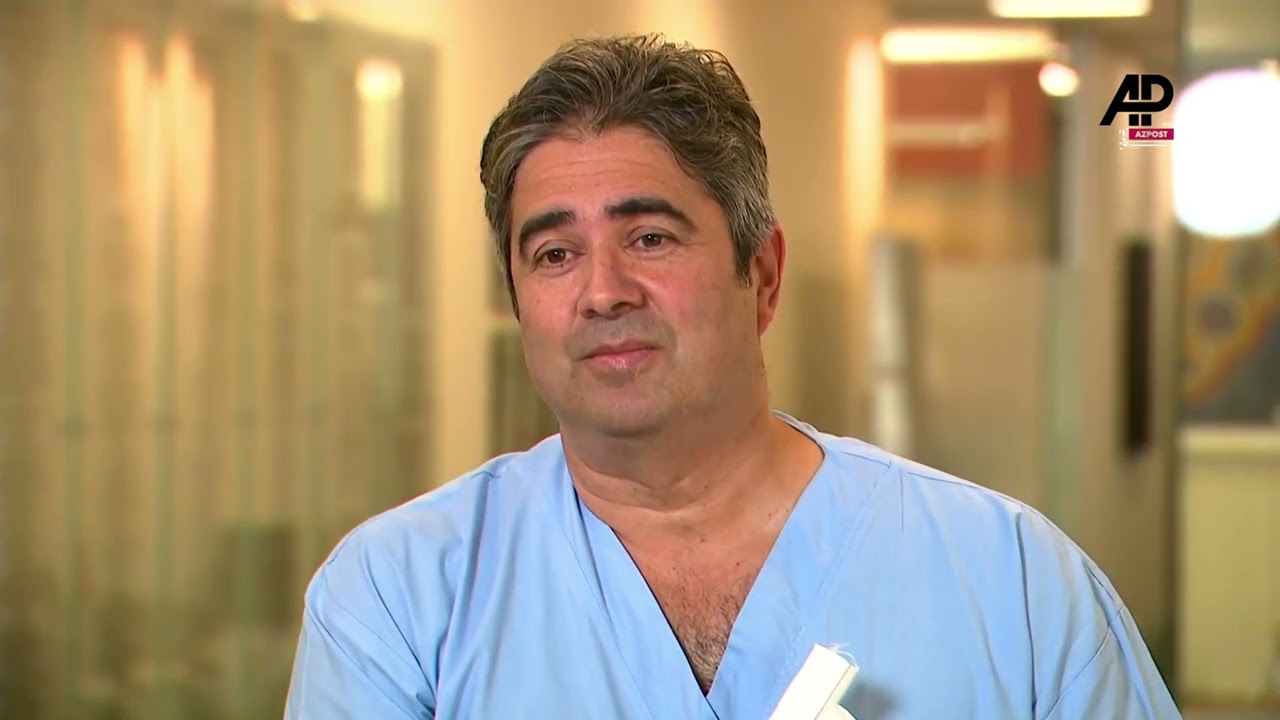
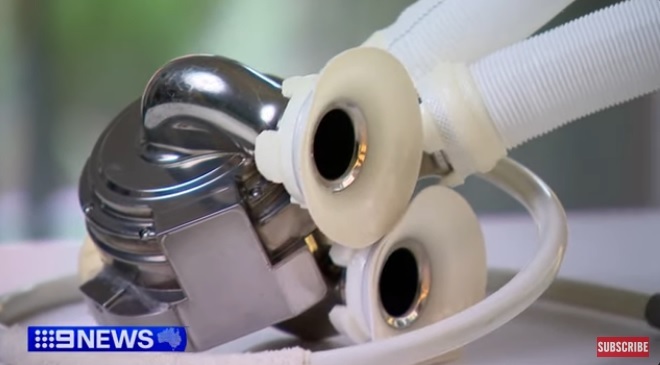
El hombre no tiene nombre público. Se describe como australiano, en sus años cuarenta, y, durante 105 días, como una persona cuyo corazón era un disco de titanio girando en un campo magnético. Los cirujanos del Hospital de San Vicente Sydney implantaron un corazón artificial total de BiVACOR el 22 de noviembre de 2024. Dejó la sala. Él compró. Vivió en habitaciones ordinarias con un cable a través de su pecho y un controlador sobre el tamaño de un libro de texto grande, aproximadamente cinco y medio libras, tethered por cuatro o cinco pies de Driveline. A principios de marzo de 2025 llegó un corazón donante. La bomba salió. Fue la primera persona en la Tierra que fue descargada de un hospital vivo con este dispositivo, y todavía era un paciente puente, no un paciente permanente.
La Alianza AEGIS se ha mantenido en el caso porque el lenguaje de marketing sigue tratando de saltar esa distinción. Daniel Timms, el ingeniero de Queensland que comenzó el diseño como un proyecto de doctorado y ahora es jefe técnico, ha dicho a la prensa de ingeniería que la distribución comercial podría empezar en 2028 si las pruebas terminan. Una versión totalmente implantable, sin ningún libro de texto colgando del cuerpo, es el proyecto más largo que llama terapia de destino. Los 105 días probaron que un hombre podría irse a casa. No probaron que se acabó la lista de espera.
One moving part, and why that mattered
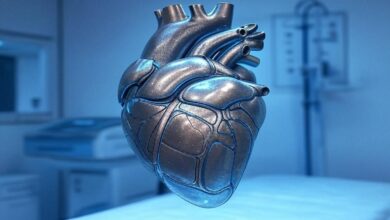
Los corazones artificiales totales anteriores fallaron de maneras predecibles. Cámaras plásticas flexionadas hasta que fatigaron. Válvulas rotas. Las máquinas eran demasiado grandes para muchos pechos, especialmente para mujeres. BiVACOR es una bomba rotativa, alrededor del tamaño de un puño y alrededor de 650 gramos, mecanizada de titanio. Un impulsor levitado magnéticamente, un disco de doble cara que nunca toca un rodamiento, empuja la sangre en un flujo continuo. No hay latidos de dibujos animados. También hay, en el aviso de la compañía, ninguna superficie mecánica que espera para salir a una hora programada. Las grandes brechas en el camino de la sangre están destinadas a reducir la probabilidad de coágulo.
Dr. Paul Jansz performed the six-hour operation and called the team enormously proud to be first in Australia. The hospital sits on a particular piece of history. Australia’s first heart transplant was done at St Vincent’s in 1968, and the country’s first successful one, by Dr. Victor Chang, in 1984. Cardiologist Professor Chris Hayward has described the 2024 implant as an unmitigated clinical success. Professor Peter MacDonald called it a complete game changer for the queue. Timms stayed close after discharge. In an ABC interview he described an ordinary Uber ride and a patient well enough to joke about getting a pint after the human transplant. «He was a lovely fellow,» Timms said, «very, very grateful.»
Houston went first. Sydney went home.
El hombre australiano era el sexto humano implantado, no el primero. El 9 de julio de 2024, cirujanos en Baylor St. Luke's Medical Center en Houston, dentro del programa del Instituto del Corazón de Texas que ha perseguido corazones mecánicos durante generaciones, puso el dispositivo en un hombre de 58 años bajo una FDA Estudio de viabilidad temprana. Cinco pacientes de los Estados Unidos, todo en insuficiencia biventricular grave y enfrentándose a muerte inminente, fueron puenteados con éxito a los corazones donantes. Debido a la forma en que se escribió el primer estudio, se quedaron en cuidados intensivos y se reencontraron rápidamente. Los tiempos de apoyo eran cortos. La agencia permitió a 15 pacientes más. En mayo de 2025 la FDA dio la bomba Breakthrough Device designación como un puente para transplantar. Esa es una pista de revisión más rápida. No es una aprobación de supermercado.
Un estudio de viabilidad ampliado de los Estados Unidos significaba dejar que los pacientes fueran a casa comenzó en octubre de 2025. IEEE Pulse informó en junio de 2026 que uno de esos pacientes había llevado el corazón durante tres meses y pasado uno de esos meses fuera del hospital, siendo 14 personas más inscrito. En Australia, los reguladores habían permitido una serie de cinco pacientes. Cuatro habían sido realizados a mediados de 2026, y el hombre sin nombre en sus años cuarenta seguía manteniendo el registro de duración de unos 104 a 105 días. Timms ha dicho que algunos receptores se recuperaron tan rápido que los equipos de trasplante estaban listos en días, no meses. La velocidad es un regalo para una lista de espera. También es un recordatorio de que la generación actual está diseñada para ser explantada.
The bleeds the press conference did not lead with
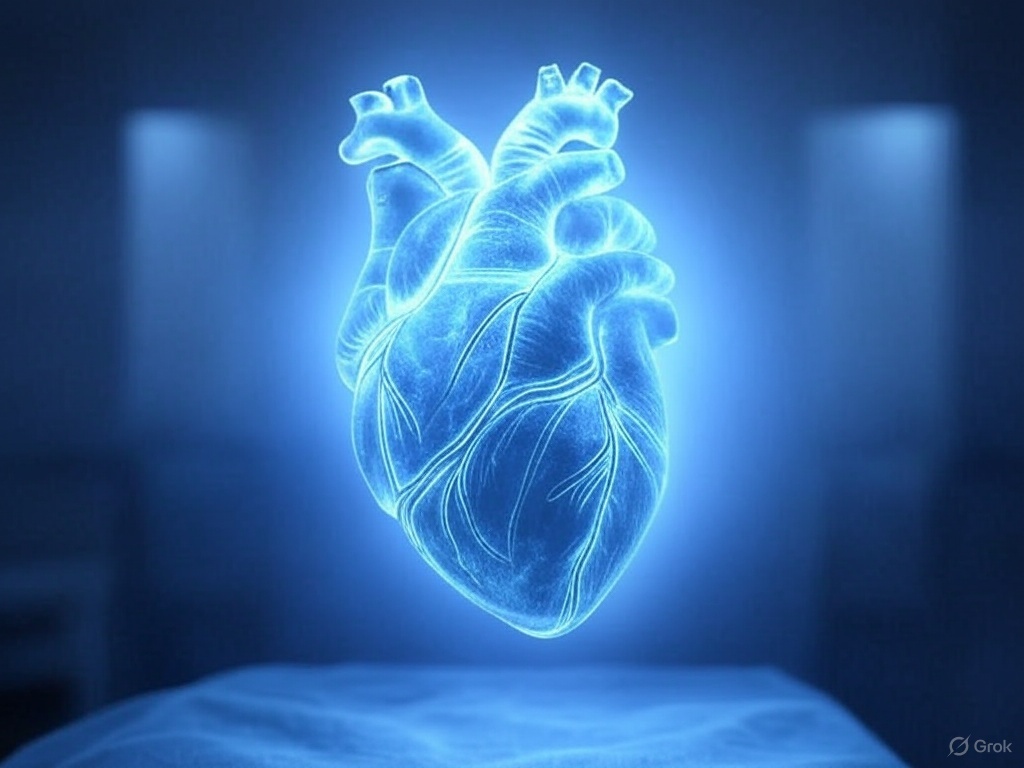
Two later Australian patients died of bleeding in the brain several weeks after surgery. An independent review, described in the surgical literature in 2026, concluded the hemorrhages were not caused by a defect in the pump. Investigators pointed at blood-pressure control and anticoagulation, the same tightrope every mechanical-support team walks. The families still buried people who had been offered a way station to a second chance. The AEGIS Alliance will not sand that off a titanium success story. A magnetically levitated impeller can be elegant and still sit inside a body that clots or bleeds. Stroke and hemorrhage have haunted total artificial hearts for decades, including the ones with parts that wore out.
Readers of our health coverage have seen the same split elsewhere. A Long Island man freed from sickle cell pain by gene therapy still faces lifelong cancer surveillance and a chemotherapy step that can cost fertility. A single spectacular recovery is not a safety table. BiVACOR is headquartered in Huntington Beach, California, with clinical offices in Houston and an Australian base on the Gold Coast. Australian government money, including support routed through Monash University’s artificial-heart program and the Medical Research Future Fund, helped get the trial onto a Sydney operating table. Public capital does not erase a complication.

Why the donor list still decides
A left-ventricular assist device can hold up one failing side of the heart. Patients whose right and left sides are both finished, or who cannot take an assist device, have had almost nothing except the hope that a donor appears before they die. Before mechanical support became common, about a quarter of the people waiting for a heart died on the list. A durable, smaller total artificial heart is the tool that gap has been missing. If the expanded U.S. study repeats the first five bridges without a wave of device failures, regulators will be pushed to let more centers use it as a planned stepping stone.
The controller is the honest detail. A five-and-a-half-pound box and a driveline through the skin are not a heart you forget. Infection at that cable, power failure, and the daily logistics of batteries are the life the shopping trips did not show on camera. Timms has been clear that a permanent implant, one a person might live with for years without a donor, is a later generation. Company materials still describe this one as a bridge. The American College of Surgeons, writing in 2026, called the moment real momentum and also a defining chapter, which is a careful way of saying the engineering works and the protocol is not finished.
What 105 days were actually for
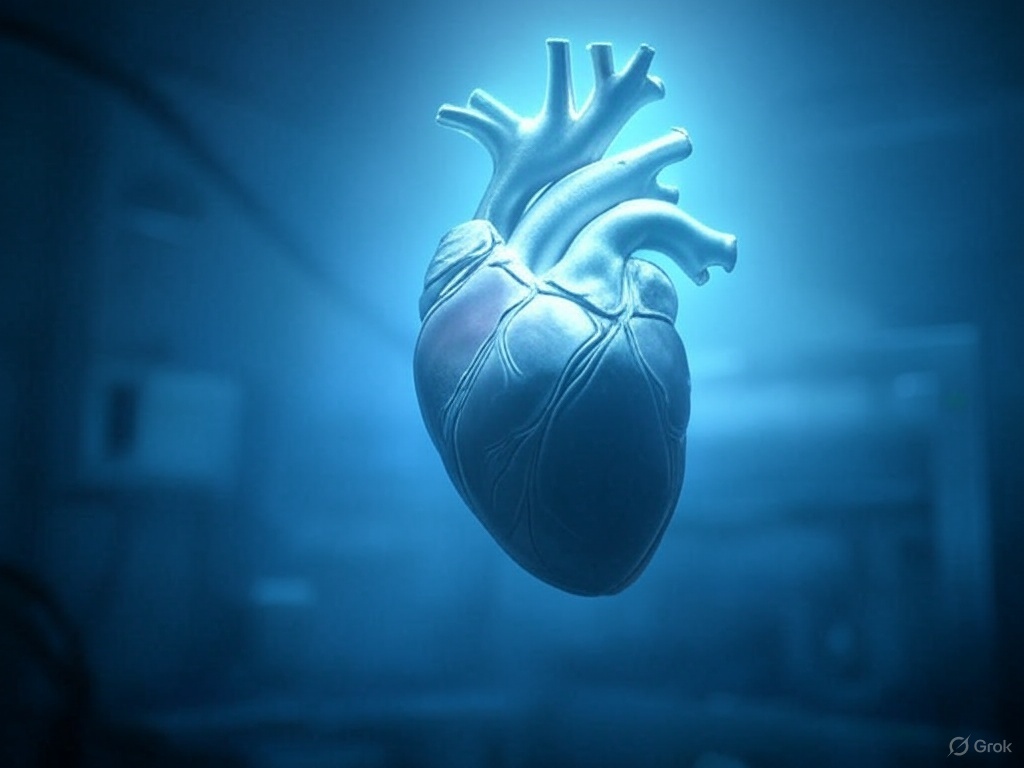
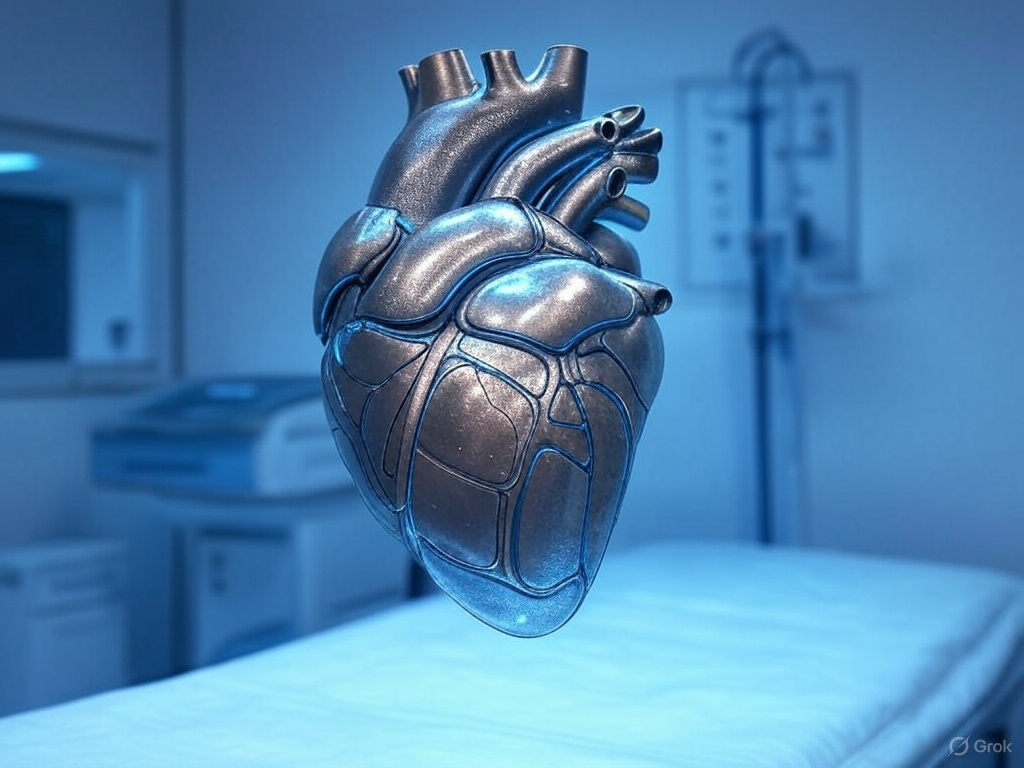
They showed a surgical team in Sydney could implant the pump, send a person into the city with it, explant it, and complete a human transplant. They showed U.S. regulators were willing to widen a feasibility study and stamp it as a breakthrough device. They did not show that anticoagulation can be standardized, that every later implant will avoid a brain bleed, or that a commercial titanium heart will be sitting on a shelf in 2028. Timms expects the trials to be done and distribution to start that year. Expectation is a schedule, not a warranty.
For one unnamed man, the proof was narrower and more human. He walked out of St Vincent’s. He waited. He received someone else’s heart. The disc that spun in his chest did not get a name on a building. It got him to the next operation. That is a smaller miracle than the headlines sold, and it is still the difference between a funeral in November 2024 and a transplant in March 2025. More of this reporting sits with our ciencia escritorio y noticias internacionales.