Irish Man Pleaded Guilty Over Four Euros of Cannabis for His Bones, and Dublin Still Will Not Repeal the Charge

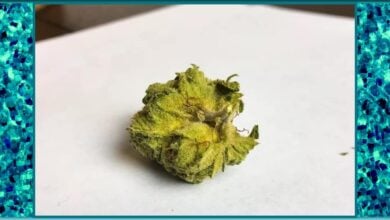
COUNTY CORK, IRELAND — Paul Lee ging nicht als Königszapfen in einen Gerichtssaal von Cork. Er war 54 Jahre alt und lebte in The Heights in Dromleigh, und die Suche nach seiner Wohnung hatte etwa 4 Euro Cannabis produziert - damals etwa 4,86 Dollar - und einen Mahler. Er bekannte sich schuldig. Sein Anwalt, Eamonn Fleming, sagte dem Gericht, dass Lee Osteoporose hat, dass er ein sich erholender Heroinabhängiger ist und dass er eine kleine Menge der Pflanze für Schmerzen verwendet. The Irish Examiner und Newsweek put the number on the page in May 2021. Four euros. A criminal file. A man whose bones hurt.
Diese Akte ist das gesamte irische Argument in Miniaturform und wurde nicht aufgehoben. Der Besitz von Cannabis für den persönlichen Gebrauch ist immer noch eine Straftat nach Abschnitt 3 des Misuse of Drugs Act 1977. Eine erste Verurteilung vor dem Amtsgericht kann eine Geldstrafe von bis zu 1.000 € nach sich ziehen. Eine spätere Verurteilung kann Gefängnis bedeuten. Gardaí kann einige erstmalige Fälle durch das Adult Caution Scheme behandeln und die Person niemals an ein Dock schicken. Sie mussten keinen Schmerzpatienten mit einem Grinder in einen Angeklagten verwandeln. Sie haben es getan. Die Vorsicht besteht, damit eine Datei wie Lee ein Gesundheitsproblem bleiben kann. Das Statut existiert, so dass es nicht notwendig ist.
A citizens‘ assembly, then a committee, then a no
Ireland spent years building the opposite recommendation and then declining to enact it. The Citizens‘ Assembly on Drugs Use, 99 people chaired by former HSE chief Paul Reid, delivered 36 recommendations in January 2024. Reid called it a once-in-a-generation chance to treat addiction as something other than a booking sheet. The assembly’s direction was a comprehensive health-led response, including what it called the effective decriminalization of possession for personal use. A Joint Oireachtas committee was then created to answer those 36 points. It took until June 24, 2026.
The Joint Committee on Drugs Use published a final report with 161 recommendations. The headline, which the committee itself chose, was the repeal of section 3 so that possession for personal use would stop being a crime. Cathaoirleach Gary Gannon, a Social Democrats TD, said the conclusion „is not a marginal adjustment.“ Criminalizing people for their own use, he said, had not reduced harm. On cannabis specifically the committee came within a single vote of recommending a regulated legal market. Recommendation 125, the one that survived, calls for a health-led response and for the government to keep arguing about cannabinoids rather than to legalize them outright. The report also told the state to expand the Medical Cannabis Access Programme, which is a separate and smaller failure.
The government’s answer arrived before the ink was dull. On June 26, 2026, in Westport, Taoiseach Micheál Martin told the Irish Independent there was „probably an over-focus on just looking at the decriminalisation issue,“ and that the state had already been „following the health-led approach predominantly.“ Minister of State for drugs Jennifer Murnane O’Connor was more concrete: „No change is proposed to the Misuse of Drugs Act.“ She said full decriminalization would „effectively legalise“ personal possession and was contrary to what the Citizens‘ Assembly had asked. On June 29 the Irish Times reported that senior figures in the coalition had no intention of doing this in the lifetime of the government. Tánaiste Simon Harris has argued for years that recreational users bankroll gangland crime. One senior figure, quoted by the paper, did not bother with a hedge: „We will not be doing this.“

What „health-led“ means when the Act does not move
Das Regierungsprogramm der derzeitigen Koalition - Fianna Fáil, Fine Gael und Unabhängige - versprach, Menschen, die mit Drogen für den persönlichen Gebrauch erwischt wurden, in Richtung Gesundheit abzulenken dienstleistungen. Sie versprach nicht, Abschnitt 3 aufzuheben. Diese Lücke ist die Politik. Diversion ist eine diskretion innerhalb eines strafgesetzes. Entkriminalisierung ist die entfernung der straftat. Ein garda, der ablenkung unterstützt und sich der entkriminalisierung widersetzt, ist nicht verwirrt. Cormac O'Keeffe vom Irish Examiner berichtete Ende Juni 2026, dass die Garda-Führung die gesundheitsorientierte Linie der Regierung unterstützte und sich der Aufhebung des Ausschusses widersetzte. Die Vereinigung von Politik und Polizei hat sich mit anderen Worten auf ein Vokabular der Fürsorge und eine Ladekraft festgelegt, die Lee bereits getroffen hat.
Holly Cairns, leader of the Social Democrats, used the Dáil the week the report landed to tell the Taoiseach the choice was evidence or habit. She pointed at Portugal’s long decriminalization experiment and at Oregon’s cautionary version, where possession penalties fell and treatment money did not rise with them. The committee, she said, had not invented the idea. It had been given the Citizens‘ Assembly’s work and had returned a unanimous direction on personal possession. If the next national drugs strategy ignored that direction, she warned, the strategy would have little credibility. The strategy-makers have so far preferred the Taoiseach’s version of credibility, which is continuity.
Seventy-four patients, and a man with a grinder
Der medizinische Zugang ist die andere Tür, und es ist kaum eine Tür. Das Medical Cannabis Access Programm deckt drei Bedingungen ab: Spastik im Zusammenhang mit Multipler Sklerose, hartnäckiger Übelkeit und Erbrechen durch Chemotherapie und schwere behandlungsresistente epilepsie. Chronische Schmerzen - der Grund, warum Fleming Osteoporose für Paul Lee in den Bericht aufgenommen hat - stehen nicht auf der Liste. Vom ersten Patienten im Jahr 2021 bis zu fünf Jahren Betrieb umfasste das Programm etwa 74 Personen. Im April 2026 ernannte der Gesundheitsminister Professor Shane Allwright zum Vorsitzenden einer Überprüfung der MCAP und der Ministeriallizenzroute neben ihr, mit chronischen Schmerzen der offensichtliche Kandidat erweiterung und ein bericht in etwa einem jahr erwartet. Eine Überprüfung ist kein Rezept. Ein Rezept, im Rahmen des aktuellen Programms, ist nicht verfügbar für die Krankheit Lee Anwalt vor Gericht benannt.
Private members‘ bills have tried the front door and bounced. Gino Kenny’s 2022 proposal to stop treating possession of up to seven grams as a crime never became law. A Dáil motion in November 2025 pushed the same wall. None of those texts changed what a search warrant does in an apartment in Dromleigh. The AEGIS Alliance has covered this mismatch for years, on both sides of the Atlantic: a government that patented medical uses of cannabis while jailing people for the plant, researchers arguing about cannabis and opioid addiction, and American states that rang up millions in legal sales in a week. Ireland is not Ohio. Ireland is a country that can seat an assembly, print 161 recommendations, and still leave section 3 where it was when gardaí opened Lee’s door.
Die nützliche Frage ist nicht, ob vier Euro Cannabis eine moralische Krise sind. Deshalb braucht ein rechtssystem, das bereits eine vorsicht für erwachsene, ein kleines medizinisches programm und einen stapel von berichten besitzt, immer noch ein schuldiges plädoyer, um einen schleifer zu verarbeiten. Gannon sagte, eine gesundheitsorientierte Antwort sei eine ehrlichere Verwendung der Entschlossenheit des Staates, keine weichere. Murnane O'Connor sagte, das Gesetz werde nicht berührt. Beide können genau zitiert werden. Nur einer von ihnen beschreibt das Gesetz, das für Paul Lee galt, und das Gesetz, das immer noch für die nächste Person gilt, deren Schmerz nicht zu drei offiziellen Diagnosen passt. Mehr auf dieser Seite: Gesundheit Nachrichten, Politik, und internationale abdeckung.