The Resignation Governor Kemp Refused, and the Empty Courtroom Where Judge Stephen Yekel Was Found

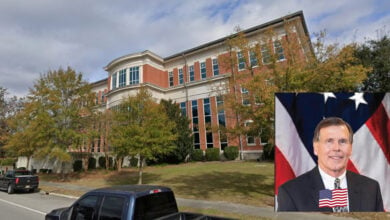
Valget var allerede forbi. Det er det faktum, at den sidste uge i december 2024 i Effingham County, Georgia, er noget andet end en privat tragedie foldet ind i en retsbygning. Dommer Stephen Russell Yekel, 74, havde mistet sin plads. Vælgerne havde valgt hans efterfølger. Hans embedsperiode skulle slutte den 31. december. Om morgenen på den sidste dag, fandt en sherif ham død inde i Effingham County retsbygning i Springfield, i en retssal, der ikke var i session og var ellers tom.
Effingham County Sheriff kontor sagde, at døden syntes at være selvforskyldt, og at Yekel var død sent den 30. december eller i de tidlige timer i december 31. Retten sad ikke. Retsmedicineren David Exley fortalte Atlanta Journal- Constitution at Yekel var i retsbygningen alene og blev fundet på bænken i sin egen retssal. Sherif Jimmy McDuffie sagde, familien var fortvivlet i en sæson, der skulle være en fest. Georgia Bureau blev bedt om obduktionen. Sheriffens efterforskningsenhed åbnede dødsefterforskningen. Dommer F Gates Peed lukkede retsbygningen. County kontorer lukket omkring middag. Transaktionerne skulle genoptages den 2. januar.
Hvis du eller nogen du kender er i krise, ring eller tekst 988, selvmord og krise livline, eller kontakt lokale nødtjenester. Amtet sagde, det ville stille rådgivning til rådighed for ansatte, der måtte gå tilbage til den bygning. Denne artikel beskriver ikke dødens midler ud over sheriffens offentlige karakterisering, og den behandler ikke en dødsundersøgelse som en etableret medicinsk fund. Obduktionen var stadig det officielle ord, da deputerede offentliggjorde deres første erklæring.
A resignation the governor would not accept
Yekel havde allerede forsøgt at forlade jobbet en dag tidligt, og grunden til han gav var valget selv. I et brev sendt i begyndelsen af december, bad han guvernør Brian Kemp om at acceptere en fratræden effektiv December 30, dagen før perioden sluttede. Han skrev, at embedet som statsadvokat i Effingham var for vigtigt til at blive besluttet af kun 6 procent af de berettigede vælgere. Afstrømningen, der slog ham, havde været stille. Det var ikke tvetydigt. Lokale resultater, rapporteret af Effingham Herald og citeret af New York Daily News, viste advokat Melissa Calhoun vinde med 319 stemmer.
Kemp skrev tilbage den 12. december. En opsigelse, fortalte han Yekel, træder først i kraft, når guvernøren accepterer det. Han ville ikke acceptere, hvad han kaldte et forsøg på opsigelse. Folk i Effingham County havde talt, skrev han, og en lav valgdeltagelse var ikke en grund til at tilsidesætte deres valg. Bolte, i en januar 2025 konto markeret af valgloven Blog, beskrevet den juridiske mekanik Yekel var at nå efter. Georgiens praksis har gjort det muligt for en dommer, der fratræder, selv efter at have tabt, at give guvernøren en udnævnelse, hvis tilbagetrækningen accepteres i tide. Den udnævnelse kan udslette valgresultatet. Kemp nægtede at trække i håndtaget. Han kaldte flytningen en juridisk teknik, han ikke ville bruge til at tilsidesætte amtet.
Calhoun tog bænken den 1. januar 2025, som kalenderen krævede. Der dukkede ingen ordre op den dag. Det smuthul blev i bøgerne. Yekels brev er nu det klareste eksempel på, hvordan det fungerer, fordi guvernøren sagde nej skriftligt, og vinderen sad til tiden. Lovgivere, der ønsker hullet lukket, har et dokumentspor: et taberbrev, et afslag og en efterfølger, som kun tiltrådte, fordi afslaget blev afholdt.
Two years on a bench he had wanted for longer
Kemp udnævnt yekel til effingham amt State Court i juni 2022. Retten tager sig af den lavere kriminalsag, trafikken og det indledende arbejde, der aldrig gør en stor by forside. Yekel var ikke ny. Han blev optaget i Georgia baren i 1976 og tilbragte mere end fire årtier i retssalen i det sydøstlige Georgien som en anklager, en forsvarsadvokat, en dommer pro Konflikt forsvarer. Folk, der praktiserer i små kredsløb, kendte ham som en fungerende advokat, ikke som en statsansat figur. Den statslige domstol sæde var den sene præmie for denne karriere, og det varede en periode.
Han løb for at beholde den i 2024 og mistede den 18. juni afstrømning. Ikke-partipolitiske valg i Georgien trækker ofte vælgerne, som tilfældigvis er til valgurnerne for noget andet, eller næsten ingen, når de er planlagt alene. Yekel behandlet denne tynde fremmøde som en årsag til resultatet ikke bør binde. Kemp behandlet det som det resultat, loven produceret. Begge positioner kan beskrives uden at foregive, at de er de samme argumenter. Den ene er en klage over deltagelse. Den anden er en regel om, hvem der får lov til at slette en optalt afstemning. Den anden er den, der betød noget den 12. december, fordi kun guvernøren kunne have gjort klagen til en udnævnelse.
Sherif McDuffie spurgte, om der var blevet fundet en seddel, fortalte journalister, at han var klar over brevet, der var gået til guvernøren, og at efterforskere ville se på det. Han beskrev ikke i de første interviews et separat budskab i retssalen. Guvernørens kontor nægtede at diskutere en åben undersøgelse og sagde Yekels familie og kære var i tankerne. Effingham County Board of Commissioners sagde, at det var dybt trist, og at medarbejderne ville blive tilbudt støtte. Disse erklæringer er dagens officielle referat. De er ikke en forklaring på en mands sind, og de bør ikke strækkes til en.
What a courthouse owes the people who work in it
Statsdomstolen dømmer i amter på størrelse med Effingham. De ser de samme betjente, de samme assistenter, de samme forsvarsadvokater, uge efter uge. Isolationen er let at gå glip af, fordi arbejdet ser socialt ud. En dommer, der netop har mistet en afspærring, som har bedt om at træde tilbage og fået at vide nej, og som afslutter en periode i en bygning, han ikke vil vende tilbage til, er ikke omgivet af uformelle støtte et advokatfirma kan tilbyde en partner. Amtskommunens beslutning om at indføre et krisehold for ansatte var en anerkendelse af denne bygning, ikke en diagnose af én person. Retslæger og advokatforeninger har brugt år på at skrive rapporter om stress på bænken. Rapporterne sidder ikke sammen med nogen på 10 p = i en tom retssal. Måske kolleger. Der står ikke noget om, at nogen gjorde.
Familien bad om privatliv. Han efterlod børn og slægtninge i Savannah området og i Florida. Intet af det hører hjemme i et politisk skænderi om afgrunden. Det hører til i en konto, der nægter at gøre en død til en lignelse om valgdeltagelse procenter.
The loophole outlived the man who tried to use it
Det nyttige offentlige spørgsmål efter 1. januar var ikke et rygte om et notat. Det var, om Georgien ville holde en regel, der lader en besejret dommer, med en guvernørs samtykke, annullere et valg ved at træde tilbage før embedsperiodens sidste morgen. Kemps brev 12. december er et afslag, ikke en ophævelse. Den næste guvernør, eller denne i en sag han kan lide bedre, kunne acceptere tilbagetrækningen Yekel blev nægtet. Calhoun er på bænken, fordi dette brev blev afvist. Statutten og sædvanen, der gjorde anmodningen plausibel, er stadig tilgængelig for en anden.
Ballotpedias kandidatfil registrerer tabet i juni 18, 2024, december død, og den mislykkede opsigelse anmodning på ét sted, som er så tæt som en reference site får at sige, at de tre begivenheder er én historie. De er i snæver forstand, at det samme kontor forbinder dem. Det er de ikke i den forstand, at en samlet afstemning forårsagede en død. Ansvarlig dækning holder de sætninger adskilt. Yekel tabte 319 stemmer. Han bad om at træde tilbage. Guvernøren sagde, vælgerne havde talt. Den 31. december fandt en vicesherif ham død, og sheriffen indledte en efterforskning, der behandlede døden som selvforskyldt. Calhouns kommission startede dagen efter.
Readers tracking how Georgia institutions answer for harm done by people with badges can look at the Atlanta case in which a jury ordered an officer to pay $21 million. Readers tracking how close elections get fought after the count can look at the Wisconsin absentee-ballot conviction of Harry Wait. Neither file is this one. Both are reminders that a courthouse is a workplace where power and consequence sit in the same chair.
Further coverage is collected in U.S. news og politik.










vaxxx