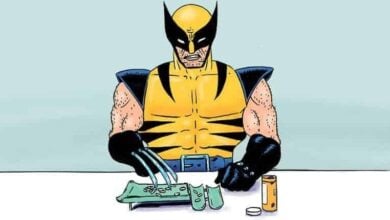
Supermenneske DNA: hvor stor pharma forvandlet smertefri mennesker og ubrydelige knogler til journalistik og begivenhed

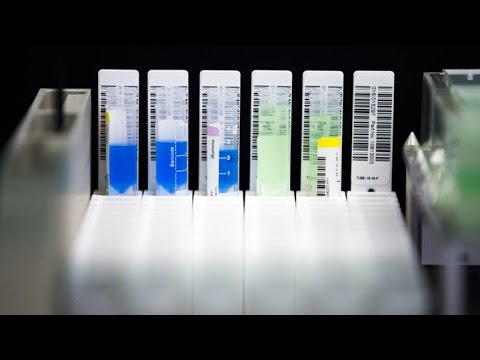
Farmaceutiske virksomheder har brugt et årti på at udgrave en håndfuld mennesker, hvis DNA gør ting, som vi andre ikke kan. Den pitch i 2016 var science-fiction: smertefri mennesker, ubrydelige knogler, milliarddollars narkotika. Stofferne kom.
Steven Pete, of Washington state, carries a mutation in SCN9A, the gene that builds the NaV1.7 sodium channel that ferries pain signals through peripheral nerves. He can take a stab wound without flinching. That is not a gift. Because he cannot feel damage, his left leg was so wrecked he faced amputation. Timothy Dreyer, of Johannesburg, carries a mutation in SOST that overbuilds bone. He has walked away from car wrecks that should have shattered him.

Bloombergs oprindelige rapport indrammede begge mænd som "genetisk guld". Industrien lyttede. SCN9A og den relaterede NaV1.8 kanal blev skabelonen for en ikke-opioidbehandling klasse. Den 30. januar 2025 USA Food and Drug Administration godkendt Journavx (suzetrigin) from Vertex Pharmaceuticals, an oral NaV1.8 blocker and the first genuinely new pain medicine in more than twenty years. Encoded Therapeutics followed in October 2025 with preclinical data on a one-time gene therapy meant to silence SCN9A itself. The bone side paid off earlier: studying people who overbuild bone through SOST produced romosozumab (Evenity), a sclerostin-blocking osteoporosis drug that tells the body to grow new bone.
The hunt did not stop at pain and bone. Companies still chase “super-immune” holdouts, people who do not get fat or diabetic on the same diet as everyone else, alleles tied to slower aging, and families that almost never get a particular cancer. Artificial intelligence now does in hours the genetic comparison that used to take a lab months.
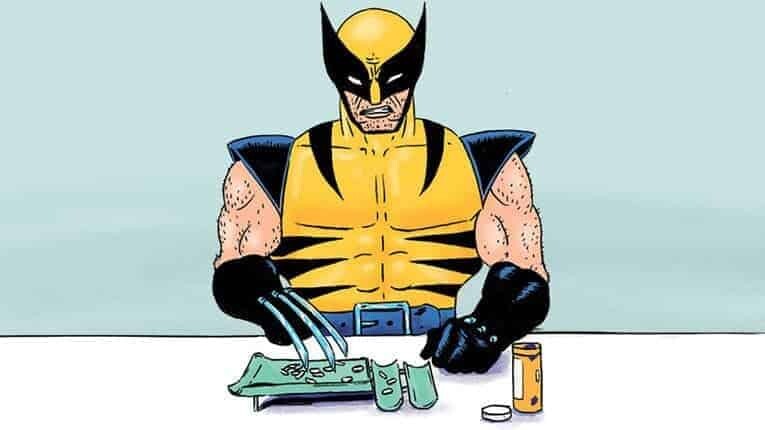
The ethical problems are the same ones bioethicists flagged when this reporting first ran. Who owns a mutation found in one body? What happens when a company patents a pathway that exists because a child cannot feel a broken bone? Who gets the drug — the person who volunteered their genome, or whoever can pay? The FDA’s revolving door into industry has not gotten smaller. Journavx is a real medicine. It is also proof that “superhuman DNA” was never a comic-book headline. It was a business plan.
AEGIS-alliancen vil holde øje med, hvem der profiterer af outliers, og om de mennesker, der donerede deres gener nogensinde ser det positive. Relateret: vores rapportering om USA 's regerings eget cannabispatent og resten af Nyheder om videnskab.