دفع (ناسا) 300 ألف دولار لقائمة المريخ بينما تضاعف الطماطم في قذارة المريخ المزيفة وفقدت الجزرة

الطماطم يمكن أن تضاعف الفاكهة في وعاء من الغبار المريخي المزيف وما زال يترك المزرعة خلفه هذا هو الدرس المحرج الذي يجلس تحت أسبوع أعلى بكثير في طعام الفضاء On September 24, 2026, NASA named the winners of its Deep Space Food Challenge: Mars to Table and handed the top reward, $300,000, to شينيير "تشيتشي" أوكيجي من فيلادلفيا لتصميم يسمى البنى التحتية للتغذية التكيفية. قبل يومين، قال (كاليفورنيا) الغير مربحة أنها طورت بكتيريوم يأكل التراب المريخي لا الإعلان يزرع الجزرة في البركلورات ونُشرت في هذا التقرير تجربة الدفيئة التي لا تزال تحدد الحد الأدنى للمحاصيل المختلطة في تربة الكوكب الأحمر المحاكاة. PLOS ONE on May 1, 2024والطماطم لا يزال الفائز الوحيد في ذلك التراب.
أوكيجي 25 لقد ترعرعت في (بوي)، (ماريلاند)، درست علوم الحاسوب في جامعة (ماريلاند)، مقاطعة (بالتيمور)، والآن تعيش في شمال شرق البلاد فيلادلفيا وحكمت وكالة ناسا على 113 قيدا من 33 بلدا و 28 ولاية من الولايات المتحدة. المهمة على الصفحة كانت واضحة: إطعام 15 رائد فضاء لـ 500 سول مارتيان، حوالي 513 يوم أرض، على السطح، مع مخطط، وجبة الخطة، ومفهوم العمليات، والفيديو المتحرك. الإعلان الفيدرالي أعلن عن حقيبة بقيمة 750,000 دولار قالت الوكالة أنها منحت مبلغاً إجمالياً قدره 000 650 دولار (جينيفر إدمونسون)، الذي يدير تحديات كل سنين في مركز (مارشال) للطيران الفضائي، قال أن الوكالة كانت مُختلَفة مستقبل نظم الأغذية الفضائية مع هذا التحدي
مفهوم (أوكييه) (يُدعى لـ (آني إلهة الأرض النيجيرية من الحصاد، هو حلقة نموذجية والمفاعلات الأحيائية التي تعيد تدوير المغذيات، مع كمية محدودة من الأغذية المشحنة من الأرض. مواصفات ناسا تقول أن النظام يُقصد به إنتاج نصف السعرات الحرارية بعيداً عن هذا الكوكب الماء أو المعدات أو وقت الطاقم قصير Second place, $20,000, went to Cislune of Rosemead, California, for Fresh, Ferment, Reserve - grow selected crops, turn part of the harvest في الطعام المألوف في القشور المجهزة، والاحتفاظ باحتياطي محمّم بالأرض في اليوم الذي تفشل فيه الدفعة. جوائز أصغر ذهبت إلى فريق هيلو، هاواي باستخدام ahupua'a، فكرة إدارة الأرض إلى البحر، كنموذج؛ إلى نظم الصحة المدارية إيفانزفيل، إنديانا، لكتاب طهي للمستوطنين؛ إلى بنتونفيل، أركانساس الجماعية لتصميم مقاوم مغلق؛ فائز دولي، إلى (أستروود) من (إيليزل)، (بلجيكا).
هذه مطابخ على الورق المشكلة الترابية أكبر سناً و أكثر عذاباً عالم علماء الأحياء الفلكية يرتدون (غونسالفيس) مع (ويجر واملينك) و(بيتر فان دير بوتين) و(جوكيم) في جامعة راينينغين البازلاء، والجزر إلى مريخ MMS-1 المريخ في ناسا تنشط، إلى الرمال، وإلى تراب الحشيش. بعض الحوائط كانت مختلطة، نمط التخطيط الرفيق القديم المرتبط بحقول المايا. وكان بعضها محاصيل واحدة. (ريزوبيا بكتيريا) دخلت مع البازلاء لسحب النيتروجين من الهواء الدفيئة كانت متجهة إلى الهواء، الحرارة، الرطوبة من غرفة النمو المريخية المضغطة. كانت المرة الأولى التي يسجل فيها هذا المزيج على ظهور جديد
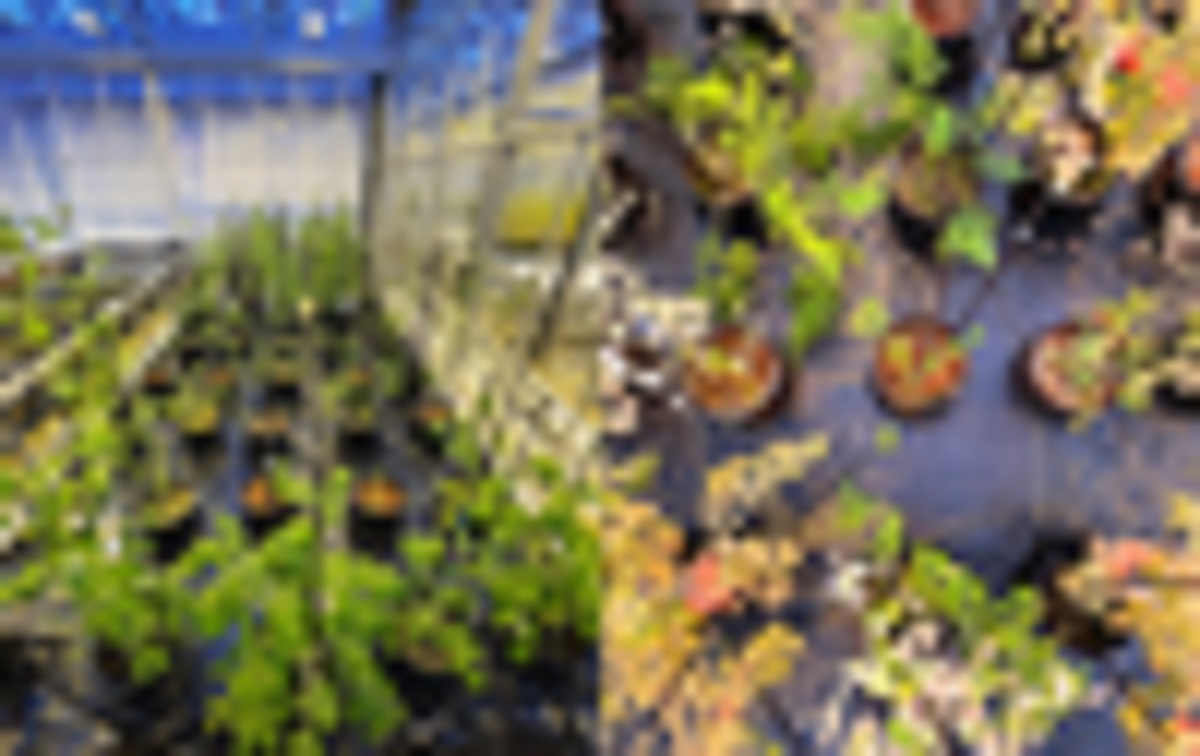
كان من المفترض أن يكون البازلاء البطل
واميلينك رَاهنَ على العطرِ. "لقد توقعنا أن تنمو البازلاء أفضل لكن العكس اتضح أنه صحيح" الطماطم نما الأفضل "قال وفي الطماطم المتحركة، ضاعفت تقريبا ثمار الطماطم التي تنمو بمفردها - المزيد من التوت، التوت الأكبر، الزهور السابقة، جذع سميكة، كتلة بيولوجية أعلى من الأرض، و المزيد من البوتاسيوم في الغلة. وقال غونسالفيس للمراسلين إنها لم تكن تعرف ما تتوقعه، لأنه لم يكن هناك من يدير الطريقة في الزراعة الفضائية من قبل، ثم اتصل لاحقا نتيجة الطماطم "جد كبير، واحد يمكننا الآن بناء المزيد من البحوث على."
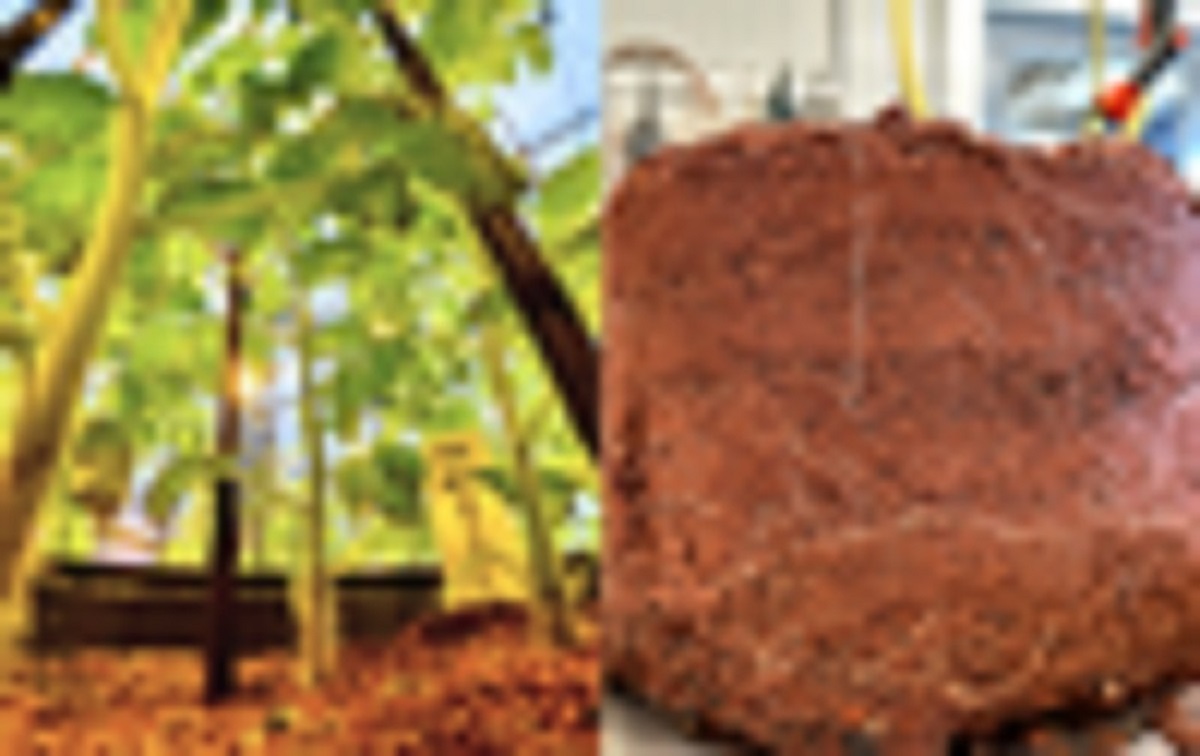
النظام لم يتضاعف في المريخِ simulant، الجزر فَقدتْ الكتلةَ الأحيائيةَ والعائدَ. ولم يُظهر بياز أي مكاسب كبيرة واتجه نحو الانخفاض. وبلغ مجموع العائد النسبي 0.93، وهو خسارة صافية من نمو كل محصول بمفرده. البكتيريا لم تشكل العقيدات التي يحتاجونها عالية الحبوب، الحبوب المدمجة، والمغذيات المفقودة يبدو أنها ضربتهم. طماطم و حلوى البازلاء ثم حطموا الجزر خط (واميلك) كان أن الطماطم أخذت من البازلاء و "الجزرة بالتأكيد لم تفعل" ضعي نفس التريو في الرمل حيث العقيدات تم تشكيلها، وقلبت الرياضيات: العائد النسبي 1.32، ميزة حقيقية. النتيجة الخاصة للورق أضيق من العناوين الرئيسية التي تتبعه خلط المحاصيل بعد إصلاح التراب بما فيه الكفاية للبكتيريا للعيش. قبل ذلك، زرع الرفيق هو إعانة طماطم.

السم لا يزال في المسحوق
MMS-1 نسخ النسيج والكيمياء. وهو لا ينسخ بالكامل الأملاح المكلورة التي تركب في إعادة مارتيان الحقيقية، والتي كثيرا ما تشير إلى نحو نصف في المائة بالوزن والارتفاع في الوزن أماكن هذه الملح سيئة للنباتات والأسوأ للناس A September 2026 open-access paper from the Plant Trek project took a Utah microbial community that reduces perchlorate and put it into a وقد تسارعت نسبة المنشطات البصلية إلى نحو 2.25 في المائة من الكالسيوم وبركلورات المغنيسيوم. وانخفضت نسبة الكلورة القابلة للاستخلاص من المياه إلى ما يقرب من 7 إلى 9 في المائة من المستوى المعدل الذي بدأ. لم يذهب إلى الصفر. وفعلت التكييف الهوائي شيئاً لم يفعله الجرار الذين لا هواء: فقد قفز الفوسفور المتوفر من النباتات إلى حوالي 222 ملليغرام لكل كيلوغرام. A separate Soil Science Society of America Journal paper this year found that baking a spiked simulant at 470 degrees Celsius almost eradicated المالح خارج، و ثلاث دورات نسيج زائد تفكك ماء الجينز أيضاً أزالته. A farm microbiome they pushed through directed evolution improved from about 35 percent reduction to about 52 percent. نصف التكسين ليس حديقة
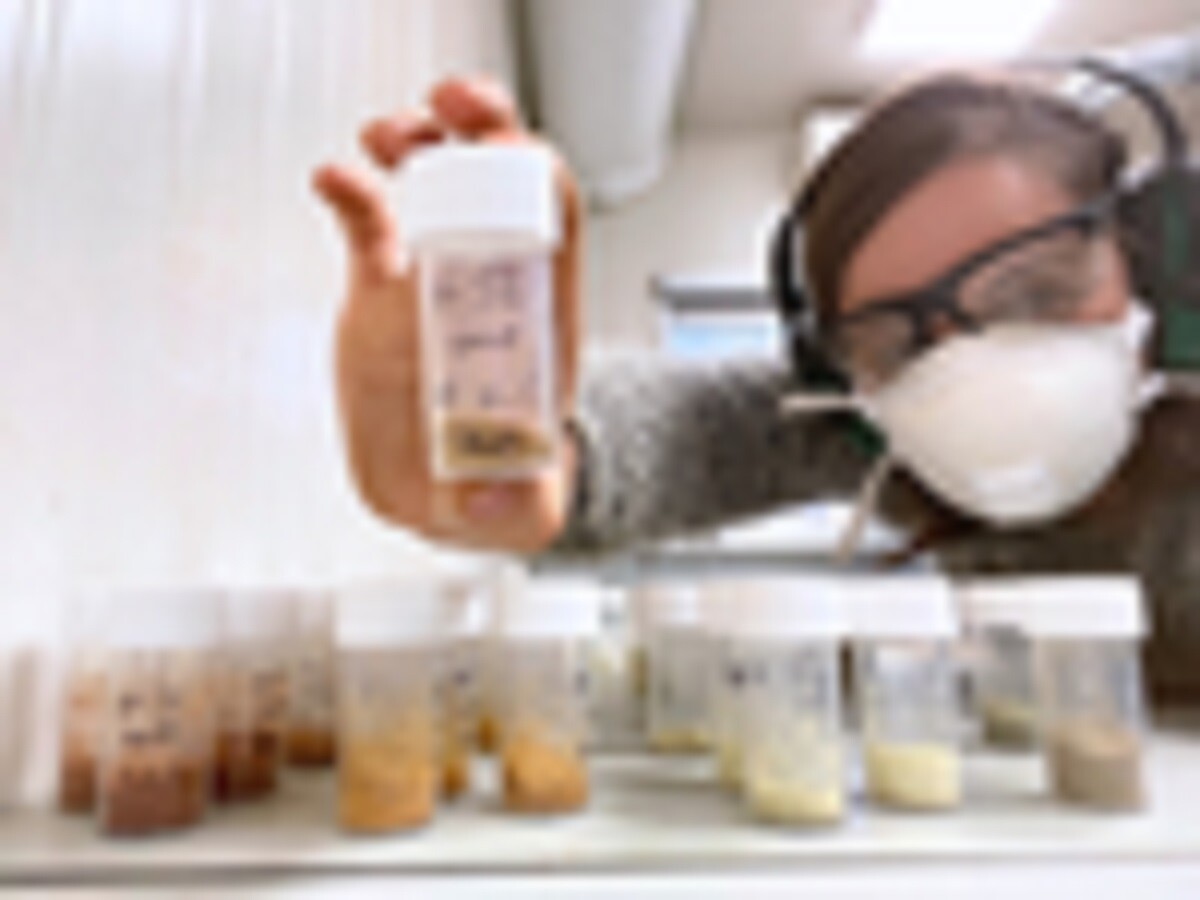
On September 22, 2026, Pioneer Labs in Emeryville said it had a different microbe, designated sPL.001. الرئيس التنفيذي (إريكا ألدن ديبينديكتيس) وصف الكائنات الحية تطورت عبر أكثر من ثلاثين وحدة خلية بما في ذلك العناصر الأثرية، من التراب المريخي، والماء، والهواء المجهز، ثم صنع مواد البناء البلاستيكي الأحيائي. المجموعة تقول أن مفاعل بيولوجي صغير بما فيه الكفاية ليركب صاروخاً واحداً يمكنه، على أرقامهم، تحويل المواد الوسيطة المحلية إلى مواد مأوى السلالة لا تحتاج إلى سماد مشحن من الأرض A preprint they point to reports more than three times the polymer yield of the parent strain under simulated Martian conditions. هذا طلب بناء وليس سلطة يُقصد بالكائن أن يعيش في صهريج مسخّر محمية من الإشعاع والبرد والهواء الرقيق. إنها لا تحل محل الفشل في البطاطا إنها تضع أداة حية على نفس السم الذي لا يمكن للنباتات تجاهله بعد
(هيوستن) يزرع الفلفل في الماء وليس الغبار
طاقم (ناسا) الثاني كان داخل موائل بطولة 3D700 قدم مربعة في مركز (جونسون) الفضائي منذ 19 أكتوبر 2025 (روس إلدر) أمر (إلين إليس) هي الطبيبة ماثيو مونتغمري هو ضابط العلوم (جيمس سبيكر) هو مهندس الطيران The run is 378 days and is scheduled to end around October 31, 2026. وفي 7 أيار/مايو، عبروا اليوم 200، في منتصف مُحاكاة مُحاكاة لمدة أسبوعين، كان يقصد بها إغماء المريخ الذي يمر خلف الشمس. قالت (إيليس) أنّها فخورة بالطاقم الذي ظلّ يجد "طرق جديدة لتحسين أدائنا وكفاءتنا يومياً" لقد زرعوا المحاصيل صور الوكالة تظهر الفلفل والخضروات الأخرى في رف مائي محصول باليد المهادرون يتخطىون إعادة التشغيل هذا هو المغزى و الحد صندوق من الحلول المغذية في (هيوستن) لا يجيب على ما يقاسه (غونسالفيس) بالمنشط
العمود الفقري لـ (واملينك)، (بي إس)، ظلّ يبني نماذج للدائنات لـ(القمر) والمريخ، بما في ذلك الغرف والوحدات الحشرية. لا شيء من هذا يتحرك 0.93 جائزة (أوكيجي) تصميم جدي لطاقم سيحتاج إلى (تاكو) و(باتا ليالي) وليس الطوب المجمد حلقة لأن رواد الفضاء لن يأكلوا الجذع لا تزال الحلقة تفترض أنّه لا يحاول تسميم الجذور حتى يتم طهي كلورات أو غسلها أو أكلها بواسطة الميكروبات التي تترك الفوسفور خلفها مقعد الكيمياء الطماطم أخبرنا أي نبتة ستسرق الوجبة إذا تظاهرنا عكس ذلك
الأنبوب الذي يَجِبُ أَنْ يَحْملَ بياناتَ الحصادَ بيتَ نفس الذي إتبعَه التحالف عندما ناسا ○ تعمد إلى إحياء صلاحيتهاو عندما □ # # # # # # # # # # # # # # # # # # # # # # # # # # # # # # # # # # # # # # # # # # # # # # # # # # # # # # # # # # # # # # # # # # # # # # # # # # # # # # # # # # # # # # # # # # # # # # # # # # # # # # # # # # # # # # # # # # # # # # # # # # # # # # # # # # # # # # # # # # # # # # # # # # # # # # # # # # # # # # # # # # # # # # # # # # # # # # # # # # # # # # # # # # # # # # # # # # # # # # # # # # # # # # # # # # # # # # # # # # # # # # # # # # # # # # # # # # # # # # # # # # # # # # # # # # # # # # بعد ربع قرن الماء هو النصف الآخر من مزرعة العالم الميت، وهذا هو السبب في قطعة المحفوظات على المعالم لا يزال ينتمي إلى هذا واحد. المزيد من الملف موجود اللجنة.