
Waterbury Stepmother Kimberly Sullivan Rejects Prison Plea After Son Set Fire to Escape Two Decades of Captivity


The man court papers call “S” did not leave 2 Blake Street through the front door. On February 17, 2025, he used a lighter, hand sanitizer, and printer paper to set his upstairs room on fire because, he told paramedics, he wanted his freedom. Firefighters carried a 5-foot-9 adult who weighed about 68 pounds out of the smoke. Sixteen months later, the stepmother accused of locking him in that room is still on GPS, still free on $300,000 bond, and still telling a Waterbury judge she will not take a prison plea.
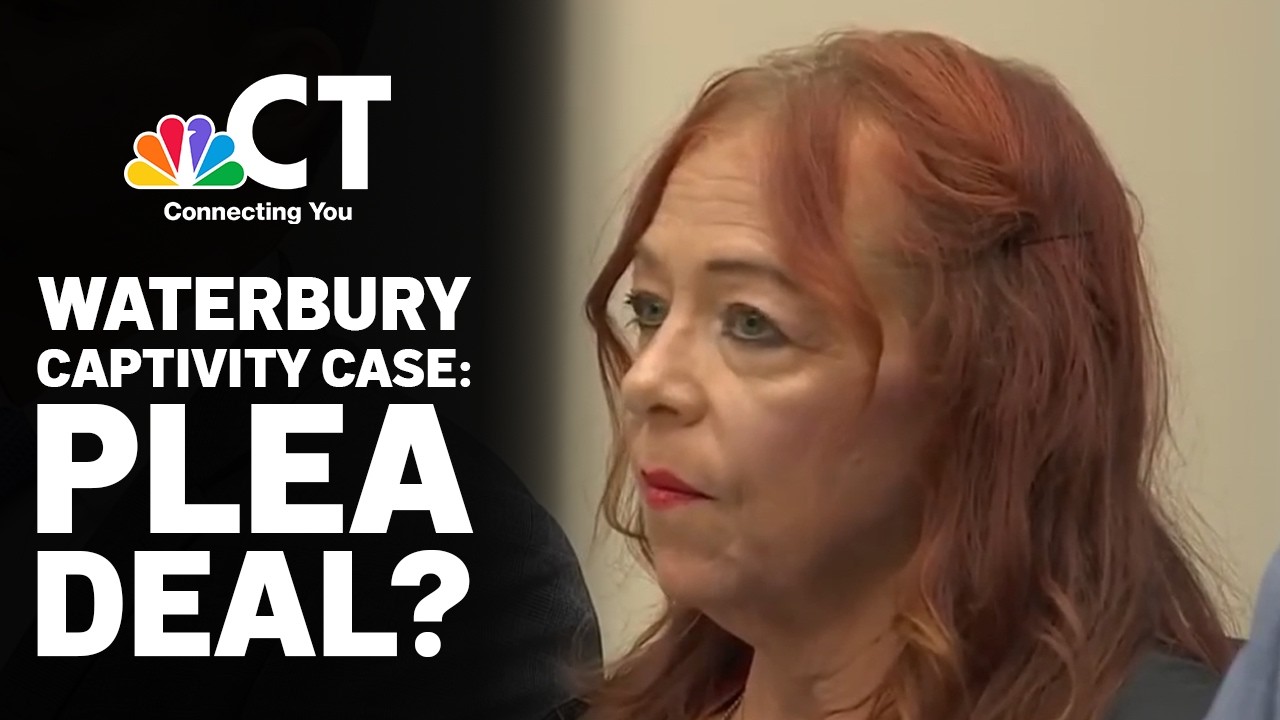
July 29, 2026, was supposed to be the day the case bent toward a deal. It bent the other way. Kimberly Sullivan, 57, declined two offers in Waterbury Superior Court. The judge’s framework was 30 years in prison, suspended after 10, plus five years of probation. Prosecutors described a 30-year term suspended after 20 years, followed by five years of probation. Her lawyer, Ioannis Kaloidis, called the numbers a nonstarter. He said a trial date should be discussed when the case returned. He does not expect a jury before 2027. The next appearance was set for September 4, 2026.
What crews found when the smoke cleared
Waterbury detectives say Sullivan kept her stepson in an 8-by-9-foot room from about age 11. They say he was fed two sandwiches a day, given rationed water, and let out only for short chores. There was no working bathroom in the space. He disposed of waste through a hole at the window. Hospital staff documented wasting syndrome, broken teeth, and years without ordinary medical care.
Body-camera video shows firefighters carrying him while Sullivan yells at crews and holds a small dog. On the 911 call she told dispatchers he “did something with the TV” and was “kind of passed out.” He told officers the fire was intentional.
The AEGIS Alliance first wrote the escape in an earlier report on the night he burned the room. The live question is no longer how he got out. It is whether Connecticut can prove two decades of captivity to a jury after the accused stepmother refused to trade that fight for a defined sentence.

The mother who spent years hunting a ghost
Tracy Vallerand gave up custody when the boy was a baby and spent the next decades looking for proof he was alive. There was no social media trail, no court file she could find, no ancestry hit that put him on a map. Her sister called her at work after the fire: we found him.
“I’m heartbroken,” she told local television. “How can anybody treat somebody like that?” A half-sister said she had searched more than a decade. Vallerand has argued outside the courthouse that Connecticut’s child-welfare system missed warnings as far back as 2005, when classmates said a boy in that house was begging for food.
A conservator later filed a claim accusing the state Department of Children and Families of failing to act on repeated red flags. That civil track is separate from Sullivan’s criminal case. It is the question the street still asks: how does a child disappear inside a house on a numbered city block?
Charges that got heavier while the house went up for sale
Sullivan first faced assault, kidnapping, unlawful restraint, cruelty to persons, and reckless endangerment. She posted bond in March 2025 and pleaded not guilty. The court put her on a GPS monitor.
On March 12, 2026, prosecutors replaced the second-degree kidnapping count with two counts of first-degree kidnapping. That upgrade matters in Connecticut. First-degree kidnapping carries a far steeper maximum than the original charge. Sullivan still denies every count. Kaloidis has told reporters she kept the lights on, bought groceries, and provided shelter — a defense that treats captivity as a disagreement about parenting.
Probate records later showed a purchase agreement for the Blake Street house. In October 2025 a judge even allowed Sullivan to return to the property and gave her lawyers access to the victim’s new alias, address, and medical records, with a gag on sharing them. “S” has been rebuilding under a new identity. That detail is easy to skip in a charging summary. It is not small. The man who weighed 68 pounds when crews lifted him is trying to exist somewhere the accused stepmother’s legal team is not supposed to publish.
Why the rejected plea changes the story
A year-after anniversary package from WTNH treated the fire as history. The July hearing turned it back into a live prosecution. Sullivan now has until the September 2026 court date to accept or formally reject the judge’s framework. Her lawyer has already signaled the answer.
That choice has a cost. A trial forces “S” to testify about the room. It also forces the state to explain how school and welfare files missed him. For a newsroom that covers cases where children were punished in public view, Waterbury is the opposite failure: a child hidden until he set the evidence on fire.
Sullivan is presumed innocent. The man who weighed 68 pounds when firefighters picked him up is not on trial. Neighbors who watched crews carry him out of the smoke are not on trial either. The institution that is on trial, in the civil claim if not in the criminal dock, is the one that is supposed to notice when a child stops appearing at school and never comes back.
What captivity looks like on a city street
Blake Street is not a compound in the woods. It is a house in Waterbury. Classmates from the mid-2000s described a boy who asked for food. Those reports did not produce a rescue. The rescue arrived two decades later because the captive set a fire. That sequence is the new angle The AEGIS Alliance is tracking: not only what Sullivan is alleged to have done inside one room, but how many official doors a starving child can walk past without anyone forcing the lock.
Kaloidis has said his client did nothing wrong. Prosecutors have answered with kidnapping counts that got heavier, not lighter, after the first year of litigation. WFSB reported that the defense expected to formally reject the offers on the September calendar and then line up experts for trial. That is how a captivity case becomes a years-long docket even after the victim has already burned the room to get out.
Readers who follow hidden-abuse files on this site have seen other households where officials arrived too late, including the Tempe case in which a disabled teenager died after being kept in a makeshift cage. Different states. Same architecture. A child is treated as inventory. The public finds out only when the body, or the fire, makes the inventory visible.
The next date on the calendar
September 4, 2026, was the date defense counsel flagged for a formal rejection and a conversation about trial. As of this writing, no public verdict has rewritten the July hearing. Sullivan remains free on bond with a monitor. “S” remains a person with a new name and a medical file that lawyers have already fought to see.
The AEGIS Alliance will keep the images that first documented this case and the body-camera record that showed crews lifting a grown man who weighed as much as a child. Those pictures are not atmosphere. They are why a 10-year suspended offer and a 20-year suspended offer both exist, and why the accused woman has said neither one is a sentence she will accept.
A jury, if Kaloidis is right, is a 2027 problem. The room on Blake Street is already a 2025 fact. The fire was the only door the man inside it could open.











Her attorney, Ioannis Kaloidis, maintains Sullivan’s innocence, stating: “She wasn’t controlling anything in his life… She continued to maintain the home, she continued to get groceries, she continued to keep the lights on, the heat on, and provided a shelter”. attorneys Are the lowest of the low.